
Yes, you can source bulk baby sippy cups through DHgate, but you should treat it as a testing ground rather than an automatic main supplier. DHgate offers plenty of drinkware listings, including baby-feeding sippy-style cups, and tools like search filters, seller ratings, and messaging to help you sort options. For a child product, though, you need extra scrutiny: separate true baby-feeding cups from generic drinkware, insist on clear material and certification documentation, and approve samples before you commit to any serious wholesale order.
If you’re a U.S. buyer or small ecommerce brand, DHgate works best for small to medium trial runs of unbranded or lightly customized sippy cups. Larger volumes or strict compliance needs may fit better with factory-direct or higher-tier B2B marketplaces, especially once you’ve proven a design and supplier.
How Bulk Baby Sippy Cup Sourcing Typically Works
Bulk sippy cups sit in the same supply chain as other drinkware, but with added safety and regulatory expectations. Many are produced in China and nearby manufacturing hubs, often by factories that also make general plastic or silicone cups. Marketplaces like DHgate plug into this reality by listing products from a mix of manufacturers, trading companies, and resellers rather than curating a single “official” catalog.
For wholesale buyers, this has a few implications:
- Quality and safety aren’t standardized. One listing might be a genuine baby-feeding cup designed for infants; another might just be a small plastic cup with a lid marketed as “baby” without appropriate materials or testing.
- MOQ and pricing can vary widely. Some suppliers focus on B2C-friendly packs; others lean toward wholesale cartons or case quantities with bulk-oriented pricing.
- Compliance is on you. For U.S. sales, you’re responsible for checking whether materials and any claimed compliance (e.g., food-contact standards) are real, and whether the cup is appropriate for your target age group.
That’s why DHgate is useful for exploration and sampling: it gives access to many suppliers with different designs and price ranges, but you must do the legwork to verify which products and factories are actually suitable for babies.
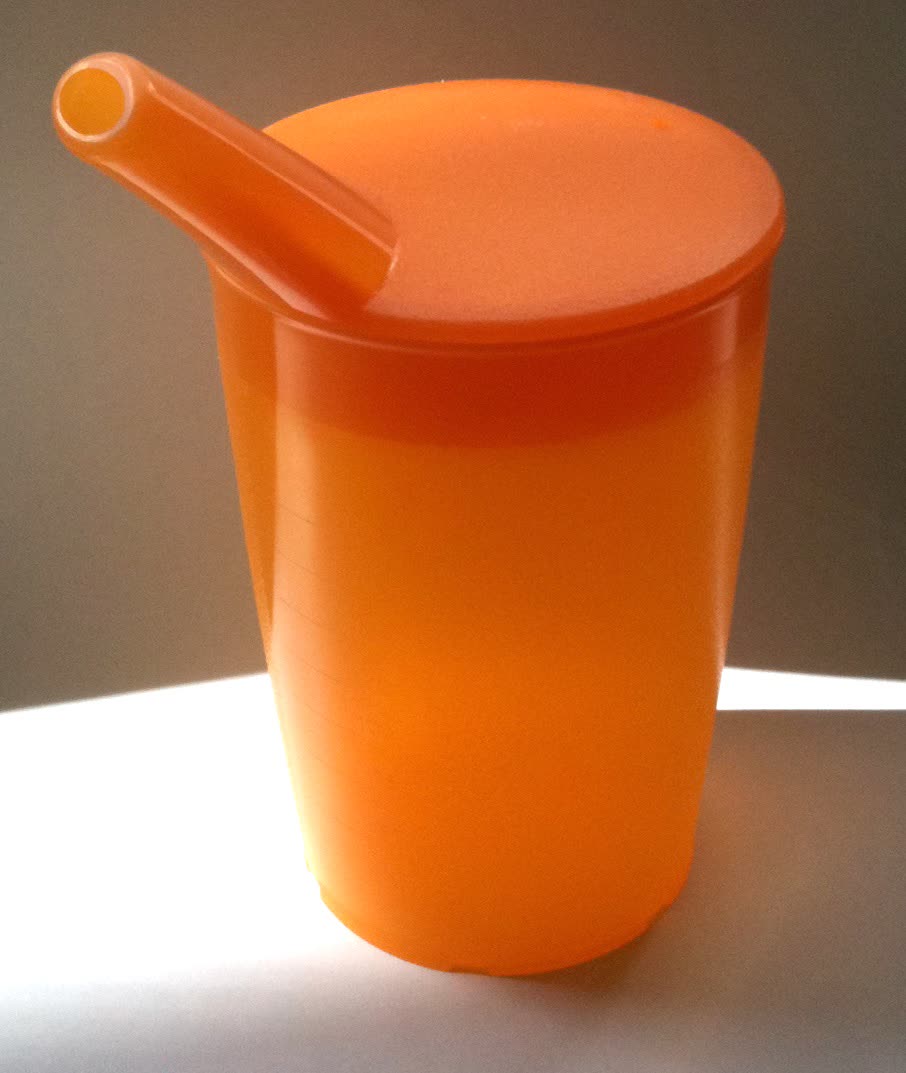
Finding and Vetting Bulk Sippy Cup Listings and Suppliers on DHgate
Here’s a practical workflow to go from search bar to a short list of sippy cup suppliers worth sampling.
1. Search with baby-specific terms, then filter down
Start on DHgate’s main site and use search phrases that clearly indicate baby use, such as:
- “baby sippy cup”
- “toddler learning cup”
- “baby feeding cups”
DHgate’s own drinkware guide for thermos cups describes using filters such as price range, material, capacity, and color to narrow results. Apply the same idea here: once you see baby-feeding results, filter for your preferred material (for example, silicone vs. hard plastic), capacity, or price range.
You’ll see a mix of:
- True baby-feeding SKUs in categories like “Cups, Dishes & Utensils” or “Other Baby Feeding”.
- Generic drinkware (party cups, tumblers, smoothie cups) that may show up because they contain the word “cup” or “kids”.
Only treat a listing as a sippy cup candidate if it explicitly mentions baby feeding or toddler learning and shows an appropriate design (handles, spout or straw, leak-resistant lid).
2. Use a snapshot of current DHgate sippy-style listings
On 2026-10-13, DHgate’s product data showed several baby-feeding drinkware listings that illustrate what you’ll encounter:
| Listing (example only) | Category | Price range (USD) | Reviews | Supplier ID |
|---|---|---|---|---|
| Cups Dishes Utensils Baby Feeding Portable Drinkware Sippy Solid Food Container Snack Toddlers Learning born supplies 221208 | Cups, Dishes & Utensils | 18.85-19.74 | 2 | kuo08 |
| Baby Feeding Cups Portable Drinkware Sippy Cup Solid Food Container Snack Cup Toddlers Learning Cups born supplies 260228 | Other Baby Feeding | 20.49-22.14 | 0 | bigwang08 |
| Baby Feeding Cups Portable Drinkware Sippy Cup Solid Food Container Snack Cup Toddlers Learning Cups born supplies260424 | Other Baby Feeding | 21.71-23.09 | 0 | dongzhu08 |
When scanning similar listings, look for:
- Category labels that involve baby feeding rather than party supplies.
- Photos that clearly show child-friendly designs (handles, soft spout or straw, gentle shapes).
- At least some buyer reviews, even if only one or two.
3. Read the product details like a safety document
Open each candidate listing and go beyond the headline. For baby sippy cups, you should specifically look for:
- Material details: Is it silicone, polypropylene, Tritan, or just “plastic”? The more precise, the better. Vague “plastic” claims are a red flag.
- Age or usage notes: Does the seller mention suitable age ranges or “baby feeding” vs. “kids party”?
- Construction details: Are there removable valves or tiny parts that could pose a hazard for your target age group?
DHgate’s own drinkware guidance emphasizes reading product details and characteristics carefully, which is even more critical here. If the listing is thin on material or construction information, treat that as a warning sign and ask the supplier for detailed specs.
4. Check seller signals, then message directly
- Compare suppliers where some have multiple drinkware or baby-feeding listings versus one-off cups.
- Favor sellers with a track record of similar products and at least a handful of buyer reviews.
Then contact the seller through DHgate’s messaging tools. Based on DHgate’s wholesale tips and ecommerce sourcing guidance, this is where you:
- Request clarification on materials (e.g., specific plastics or silicone grades).
- Ask if they can share test reports or certificates for food-contact safety, if they claim any.
- Clarify pack size and MOQ (even if the page doesn’t list a formal MOQ).
If you don’t receive clear, consistent answers, move them off your shortlist. For baby cups, lack of clarity is too risky.
5. Structure a sampling step before any real bulk order
Independent reviews of DHgate stress formal sample approval and small initial orders before bulk purchases. For sippy cups, that’s mandatory, not optional.
A practical approach:
- Order 1-2 small sample packs from each shortlisted supplier. Make sure the samples match the exact design and materials you plan to sell.
- Inspect in person (or through a trusted partner) for material feel, odor, finish quality, and assembly. Look for rough edges, loose parts, or anything that feels unsafe.
- Document the approved sample with photos and written notes. When you negotiate your first bulk order, state clearly that it must match this sample.
Pair this with your own compliance checks or lab testing if you’re building a brand or selling at scale in the U.S.
Order Structure, Costs, and When DHgate Is (and Isn’t) the Right Channel
Once you have a supplier you trust enough to test, you’ll need to decide how much to buy and whether DHgate is the right place to keep scaling.
How DHgate typically fits into sippy cup buying
DHgate’s bulk-buying guidance highlights a few tools relevant to sippy cups:
- Search filters for narrowing product options.
- Seller ratings and reviews to assess reliability.
- Direct messaging to discuss tiered bulk pricing and quantities.
- Sample orders to evaluate quality before investing more.
For sippy cups, this usually translates to:
- Sample stage: small pack orders to check design, materials, and workmanship.
- First bulk stage: a modest wholesale order arranged via DHgate messaging, where you negotiate price based on quantity.
Because the product is for babies, keep that first bulk order conservative until you’ve sold-through samples without safety or quality issues.
Cost and MOQ expectations
The snapshot above shows baby-feeding sippy-style sets with price ranges in roughly the high-teens to low-20s USD per pack, with no formal MOQ visible in the data. That suggests many DHgate baby-feeding suppliers are willing to sell in small to medium pack quantities, at least initially.
You can use DHgate’s wholesale advice to:
- Ask if there’s a price break for case quantities or repeat orders.
- Confirm whether the listed pack size is the smallest they’ll ship, or if they expect carton-level orders.
Don’t chase the lowest price if it compromises material clarity or design safety. For baby products, consistent quality and documentation matter more than a small unit-cost difference.
When DHgate is a good fit vs. when to look elsewhere
DHgate can be a solid route for:
- Testing product ideas: trying a few sippy cup designs or colors before locking in a long-term supplier.
- Small ecommerce brands that want unbranded or lightly branded cups in modest volumes.
- Learning the category: understanding what kinds of baby-feeding drinkware factories are producing without booking a trade show.
You may be better served by direct factories or larger B2B marketplaces if:
- You need strict, documented compliance across large runs (e.g., detailed lab reports, ongoing audits).
- You want deep custom branding or tooling (custom molds, proprietary designs) with long-term contracts.
- Your volumes are high enough that factory-direct pricing and long-term relationships justify the added complexity.
In practice, many small U.S. ecommerce businesses use DHgate to identify designs and test suppliers, then decide later whether to keep buying through the marketplace or transition to a different channel as volumes and compliance demands grow.
If you do move forward on DHgate, pair the platform’s search, filtering, and messaging tools with a disciplined sampling and safety review process. For baby sippy cups, that extra diligence is non-negotiable.
Before choosing a DHgate supplier, use Find wholesale suppliers on DHgate, and Choose a DHgate wholesale supplier.
You can also adapt general DHgate supplier-finding guidance from pages like Find DHgate suppliers and then apply the stricter checks outlined here specifically for baby drinkware.