
High-quality sippy cups are available in bulk, but they’re not all created equal. If you’re buying for a US daycare, a small ecommerce brand, or a kids’ event, you’ll find good options in silicone, BPA-free plastic, and stainless steel — provided you pay close attention to materials, safety claims, and who’s actually making the cups. Bulk supply can come from US wholesalers, overseas factories, or marketplaces, and each route trades off price, customization, lead time, and risk.
Below, we’ll map how bulk sippy cups move through the supply chain, how to evaluate suppliers, and what MOQs and customization options look like in real examples. That should help you decide whether to stick with domestic stock cups or tap cross-border sourcing for custom designs.
How Bulk Sippy Cups Are Made and Sold in Wholesale Channels
Bulk sippy cups mostly originate from two kinds of manufacturers:
- Plastic and silicone factories (heavily concentrated in China and other Asian manufacturing hubs)
- Drinkware specialists producing stainless-steel tumblers and cups that can be adapted for toddlers
A silicone-focused example is KEAN Silicone’s bulk sippy cup line, which is clearly positioned as factory-direct supply with customization for buyers, including defined minimum order quantities and options to add branding or color variations for overseas customers.KEAN’s bulk sippy cup page shows how this looks in practice: buyers aren’t just picking a stock color; they’re working with the factory on a repeatable design.
On the metal side, a product like the Makerflo 8oz stainless sippy cup illustrates a different wholesale path. It’s an 8oz stainless-steel cup designed for bulk purchase, then customized (often with laser engraving or printing) for resale or events. For a small brand, this kind of pre-engineered cup can be a faster route to a premium-looking product than building a new tool from scratch.
For silicone, Z.S.R. positions their custom silicone sippy cups as a full product-development pipeline: from designing the cup and building tooling all the way to production. That level of control matters if you want a distinctive handle shape, specific straw geometry, or unique lid that supports your brand identity.
At the marketplace level, US buyers also see bulk or semi-bulk sippy cup listings aggregated on platforms like eBay. Category pages such as BPA-free plastic sippy cups or silicone sippy cups often feature multipacks or small case quantities, which are attractive if you’re outfitting a single daycare room or planning a party rather than stocking a full ecommerce catalog.
From a US buyer’s perspective, most bulk sippy cup options you’ll see fall into three material families:
- BPA-free plastic: Lower cost, lightweight, often used by daycares and event planners; designs tend to be more utilitarian and spill-proof.
- Silicone: Softer feel, good for training cups and straw cups, popular with modern baby brands; often tied to factory-direct customization.
- Stainless steel: More premium, durable, and perceived as long-lasting; common in branded gift or boutique baby products.
Regardless of route, you’re rarely dealing directly with the injection-molding machine — you’re buying through a wholesaler, brand, or marketplace listing that represents that factory’s output.
Choosing Safe, Reliable Bulk Sippy Cup Suppliers
You’re buying for babies and toddlers, so safety and usability should drive your supplier vetting. Treat each potential supplier or listing as a small investigation rather than assuming “BPA-free” in the title is enough.
Key checks to build into your process:
- Material specificity: Ask whether the cup body is silicone, polypropylene, Tritan, or stainless steel, and whether any internal parts (valves, straws, seals) use different plastics.
- Clear claims on harmful chemicals: Look for explicit statements that the product is free from BPA and similar chemicals. Z.S.R., for example, promotes custom silicone sippy cups with an emphasis on controlling design and tooling in-house, which makes it easier for them to support consistent material choices across production batches.Z.S.R.’s silicone cup overview is a good example of how a factory describes its capabilities.
- Construction details: Request photos or samples so you can inspect how the lid, spout or straw, and handles go together. The more complex the valve system, the trickier cleaning becomes.
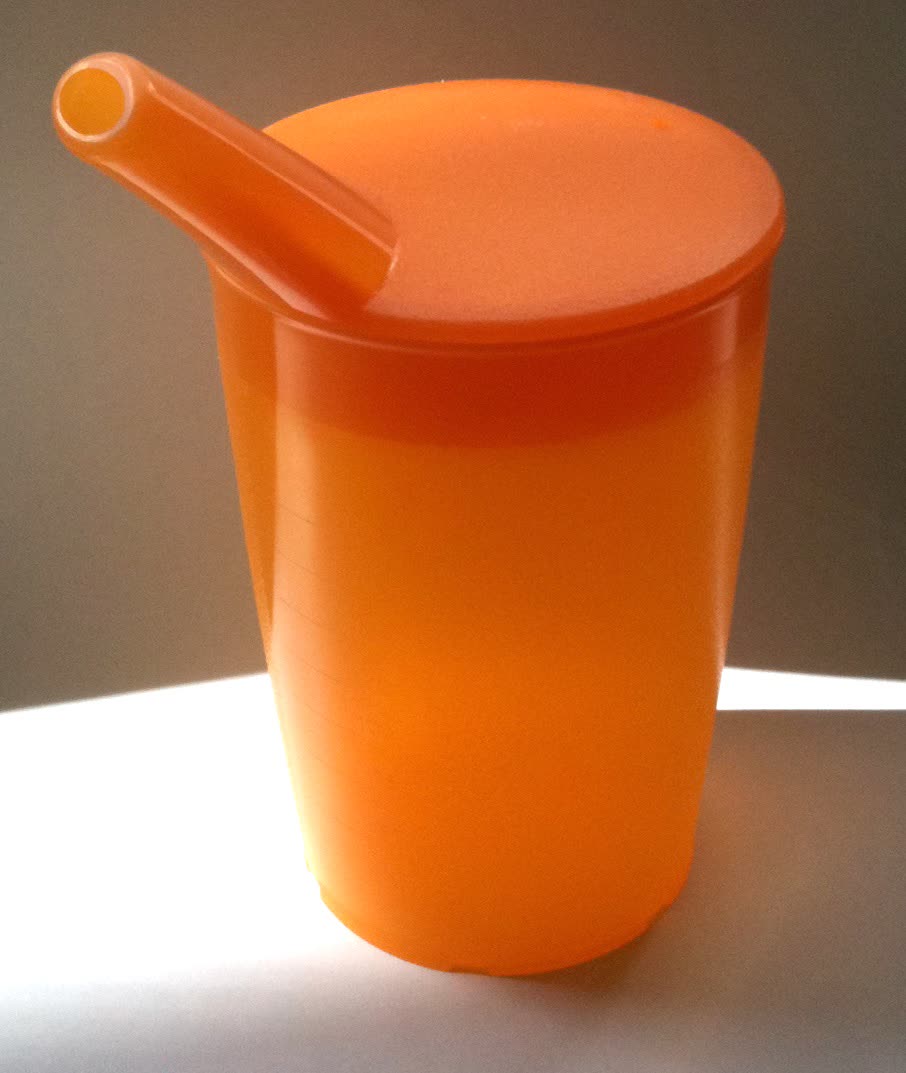
For practical vetting, use a simple, repeatable routine:
- Order samples before committing. For cross-border suppliers, always buy a few units first and test them with water in your own sink. Check for leaks when tipped, ease of disassembly, and whether any parts trap residue.
- Run a cleaning test. Disassemble the cup fully, wash as you expect your end customers or staff to wash (dishwasher, hand-wash), and see if any parts warp or degrade.
- Compare unbranded vs branded cues. Unbranded bulk silicone cups from factories can be excellent, but they don’t bring the same consumer-facing trust that a known US baby brand does. Assume you’ll need to do more due diligence on unbranded items.
If you’re a small ecommerce brand planning your own line, factories like KEAN and Z.S.R. that offer design and tooling control are appealing: you’re not just accepting a generic design, you’re co-defining the geometry and potentially the wall thickness and lid fit. For a daycare or event organizer, those benefits may not justify the complexity; a simpler path is often a domestic wholesaler or a known marketplace seller with stock cups you can test quickly.
MOQs, Pricing, Customization, and Channel Choices (Including DHgate)
Minimum order quantities (MOQs) and customization options vary sharply across channels. Here’s what to expect, and how different routes fit specific US buyer scenarios.
For illustration, consider three typical channels:
| Channel type | Typical buyer use case | Product examples | Customization level |
|---|---|---|---|
| US wholesalers / promo suppliers | Daycare, local events, small resellers | 8oz stainless sippy cups from brands like Makerflo; generic BPA-free plastic cups | Often logo printing/engraving on predesigned cups; low to moderate MOQs |
| Factory-direct silicone suppliers | Small ecommerce brand building a line | KEAN bulk silicone sippy cups; Z.S.R. custom silicone sippy cups | High: control over design, colors, tooling; factory-level coordination |
| Cross-border marketplaces (e.g., DHgate, eBay) | Test buys, small-bulk orders, parties | Silicone baby sippy cups, training cups, and bulk recyclable party cups | Mostly stock designs; occasional personalized name or pattern options |
What MOQs and pricing feel like in practice
- Domestic bulk stainless cups: The Makerflo 8oz stainless sippy cup is positioned for bulk purchase and customization, which usually implies per-piece pricing structured around volume breaks. You’re paying more per unit than a plain plastic cup, but you gain durability and premium branding.
- Silicone factory-direct: KEAN’s bulk sippy cup offering is explicitly factory-direct and MOQ-based. While the page doesn’t list specific numbers, the framing tells you to expect a threshold that makes sense for tooling and color runs — suitable for a small brand planning a full product line, less convenient if you only need 40 cups.
- Deep customization: Z.S.R. highlights that they design products, build tooling, and manage full production under one roof. That level of integration tends to push you toward higher MOQs and longer lead times but gives you much more control over the feel, lid fit, and aesthetics of the cup.
Where marketplaces fit — including DHgate
Marketplaces help buyers who need small-bulk quantities or want to compare many styles quickly.
- On US-focused platforms like eBay, multipacks of BPA-free plastic or silicone sippy cups are common. Sections such as the 5-6.9 oz sippy cup category show mixed branded and unbranded options that can work for daycare rooms or small events.
- DHgate, as a cross-border marketplace, currently lists various silicone baby sippy cups and training cups from overseas suppliers, usually with per-piece prices and the ability to order in small batches. For instance, listings like a solid 180ml silicone sippy cup marketed as BPA-free and other baby feeding silicone cups appear alongside broader drinkware.Example silicone sippy listing and another baby feeding silicone cup were observable in a snapshot taken on 2026-10-13, with price ranges shown per item and no visible MOQ in the product snippet.
A separate DHgate listing for bulk recyclable party cups illustrates another point: marketplaces often mix true baby drinkware with general-purpose cups. That’s useful if you’re buying for a party and don’t need toddler-specific lids, but it’s risky if you accidentally treat these as baby products.
- Read the title and category carefully to confirm it’s a baby/toddler product, not a generic party cup.
- Use seller photos and descriptions to confirm materials and lid style.
- Place a small test order before committing to larger quantities.
Scenarios: daycare, small brand, and event organizer
- Daycare outfitting multiple classrooms: You likely prioritize low unit cost, easy cleaning, and quick delivery. Domestic BPA-free plastic cups from wholesalers or multipacks on US marketplaces are often a better fit than cross-border factory orders.
- Small baby brand building a custom line: You care about unique design and brand control. Factory-direct silicone suppliers like KEAN or Z.S.R. are more aligned with that goal; expect higher MOQs, more back-and-forth, and a longer calendar, but a product that’s distinct from commodity cups.
- Event organizer (birthday packs, promotions): You want cute, functional cups with logos or names. Stainless bulk cups from domestic drinkware suppliers (like the Makerflo 8oz sippy) or marketplace listings offering personalization can work, as long as you verify materials and test a sample before printing or engraving.
If you’re leaning toward cross-border marketplaces and want more structure for choosing individual suppliers there, articles such as Find wholesale suppliers on DHgate, Find DHgate suppliers, and Choose a DHgate wholesale supplier offer broader guidance on seller vetting, which you can apply directly to sippy cup listings.
For most US buyers, the decision isn’t bulk or not — it’s which bulk route sacrifices the least on safety and reliability while still fitting your budget and timeline. Use materials, construction, and samples as your anchor, then choose the channel that matches your order size and appetite for customization.