
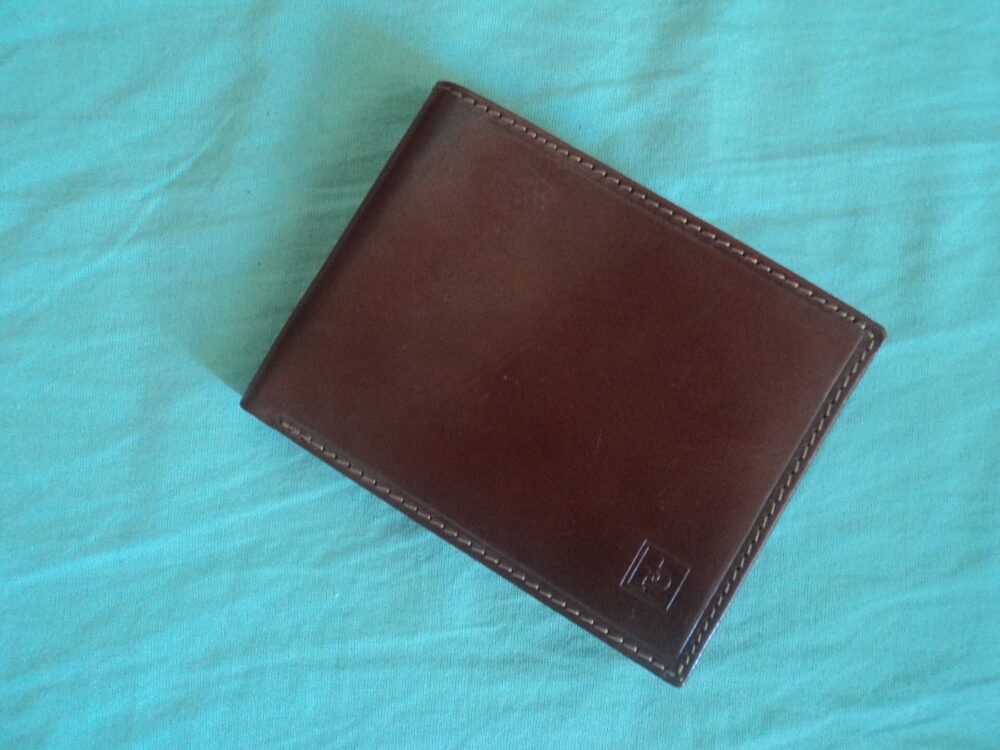
Wholesale leather wallets are genuine leather wallets bought in bulk from manufacturers or distributors at discounted per‑unit prices, then resold piece by piece in your own store. Your profit and risk don’t come from the word “wholesale” — they come from the supplier you choose, how you control quality, and the total landed cost once shipping, duties, and packaging are factored in.
If you’re a US small seller or ecommerce brand, your main decisions are: which type of supplier to use (domestic wholesaler vs overseas factory vs marketplace seller), how deeply to vet their leather and construction, and how to structure that first order so you don’t get stuck with unsellable stock.
How Wholesale Leather Wallets Are Made and Sold
Most wholesale leather wallets you’ll see in the US are made in bulk in Asia, Europe, or Latin America, then funneled through a mix of domestic wholesalers and direct importers.
Broadly, you’ll run into three supplier types:
- US-based wholesalers and importers. Companies like MarshalWallet and MAK Leather focus on men’s and women’s genuine leather wallets and belts. They typically import finished product, then sell assorted packs or case quantities to retailers. You get fast domestic shipping and simpler paperwork, but usually less customization.
- Specialized bulk vendors. Vendors such as Asal Vision’s bulk leather wallet collection illustrate what you’ll often see: multiple wallet styles (bifold, trifold, card holder, long checkbook, etc.) offered in bulk, sometimes as mixed packs. This is useful if your business model relies on variety but you don’t want to negotiate directly with overseas manufacturers yet.
- Factories and cross-border suppliers. These are manufacturers or trading companies in production regions (for example, India or China) selling directly to foreign buyers. They can offer deeper customization (logo embossing, custom colors, bespoke layouts) but expect higher minimums and more hands-on involvement with shipping and import.
Across all three, the same product levers drive both price and sell-through:
- Leather grade. Full-grain and top-grain cowhide cost more and age better than split or “bonded” leather. For a resale business, this is not a cosmetic detail — low-grade leather cracks early, leads to returns, and damages your brand.
- Wallet construction. Hand-stitched or well machine-stitched seams, properly finished edges, and lining quality matter just as much as the leather itself. Sloppy stitching or uneven edge paint is a sign the supplier is cutting corners.
- Style mix. Men’s bifolds and minimalist card holders sell very differently than women’s long zip wallets or wristlets. Suppliers like MarshalWallet and Asal Vision show the typical mix: classic men’s bifolds, trifold wallets, checkbook styles, RFID-blocking models, and fashion-forward pieces.
You’ll get the best results if you decide upfront whether you’re building a “value” assortment (basic, durable wallets at mid-range price) or a more premium, giftable offering. That decision narrows which suppliers and leather grades make sense.
Choosing and Vetting Leather Wallet Suppliers
You are not just picking a catalog; you are choosing a long-term partner who controls your product’s quality. Vetting needs to go deeper than price.
Here are specific signals to look for with leather wallet wholesalers and manufacturers:
1. Product range and pack structure
Bulk vendors such as Asal Vision carry assorted styles at wholesale prices. When you review a catalog, check:
- Do they cover your target customer (e.g., mostly men’s basics vs fashion-forward women’s clutches)?
- Are packs assorted by color and style, or single-SKU? Mixed packs are helpful for testing; single-SKU cartons suit replenishment once you know what sells.
2. Leather and construction proof, not claims
Any supplier can write “genuine leather” on a product page. You need evidence:
- Ask for close-up photos of the grain, edges, and stitching. Uneven grain, loose stitches, or fraying threads are red flags.
- Request samples from at least two suppliers and compare in hand — flexibility, smell, surface finish, and thickness tell you more than specs. DHgate’s own editorial content on handbags emphasizes ordering samples, checking quality, and balancing durability against price; the same logic applies to wallets.
3. Clear wholesale positioning
US wholesalers like MarshalWallet and MAK Leather describe themselves explicitly as bulk suppliers to retailers and distributors. That matters because:
- Their terms, pack sizes, and assortment are designed for resale, not one-off consumers.
- They’re more likely to understand retail needs like consistent reordering and style continuity.
For smaller overseas factories, ask directly: “What percentage of your business is export wholesale to retailers/brands?” and “How often do you refresh or discontinue wallet styles?” This helps you avoid lines that vanish after one season.
4. Negotiation and comparison discipline
A Dhgate.com blog post on wholesaling footwear advises comparing multiple suppliers and using competing quotes to negotiate price. The practical takeaway for wallets: never evaluate a supplier in isolation.
- Shortlist at least 3 vendors offering similar leather grade and styles.
- Collect written quotes, then ask each to improve pricing or terms based on the others’ offers.
- Push beyond unit price: ask about carton pack structures, sample discounts on first orders, and whether they can hold pricing for a period.
If a supplier refuses any transparency on wholesale pricing or pushes you to “just try one big order,” treat that as a caution flag.
Quick supplier-vetting checklist
Use this tightly focused checklist before you wire money:
- Catalog matches your target customer and style mix
- Leather grade and construction verified via samples
- Clear wholesale focus (packs, case quantities, reordering plan)
- Written quotes from at least three suppliers for comparison
- Responsive communication and realistic lead times in writing
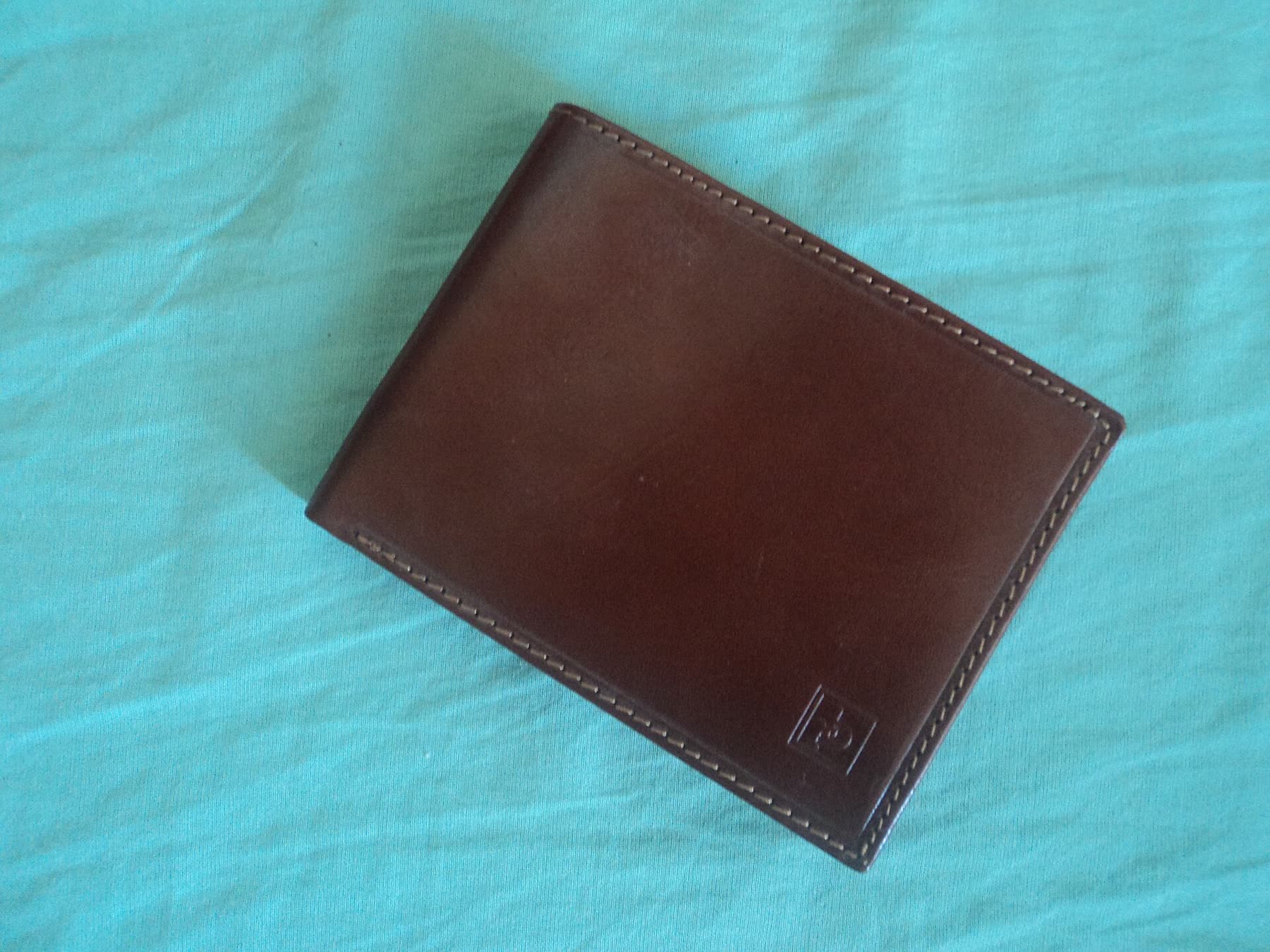
MOQ, Pricing, Customization and Logistics for Wallet Orders
Once you have a shortlist, you need to structure the deal. With leather wallets, four levers matter: minimum order quantity (MOQ), price tiers, customization scope, and how the goods physically get to you.
Typical order structures
You’ll see patterns like:
- Domestic wholesalers/importers – Case packs or mixed dozens, relatively low practical MOQs, prepaid shipping inside the US or via standard carriers. Less paperwork, higher per-unit cost, and limited customization.
- Bulk vendors with online catalogs – Assorted packs (e.g., sets of different styles or colors) at wholesale prices. Good for testing product-market fit before you lock in a specific SKU.
- Factories and cross-border suppliers – Higher MOQs per style and color, lower ex-factory unit pricing, and you (or your freight partner) handle international shipping and customs.
The right choice depends on your capital and appetite for complexity. A small Etsy or Shopify wallet brand often starts with domestic wholesalers or bulk vendors; a private-label brand aiming for scale may move to factories once volume justifies it.
A simple cost breakdown framework
Think in terms of landed cost per wallet, not just the quoted wholesale price. Here’s a compact way to model it:
| Cost component | What it includes | Who typically controls it |
|---|---|---|
| Product unit cost | Ex-factory or wholesale price per wallet | Supplier (negotiated by you) |
| Freight & handling | Shipping, freight forwarder fees, insurance | Supplier or your logistics partner |
| Duties & import fees | Customs duties, brokerage, local taxes | Your customs broker / you |
| Packaging & labeling | Branded boxes, tags, barcodes added after receipt | You or a 3PL |
| Returns/defects rate | % of wallets you can’t sell (defects, quality rejects) | Driven by supplier quality |
Even rough estimates across those rows help prevent “cheap” wallets turning into margin killers once full costs show up.
Customization and brand control
True brand-building in wallets usually requires some customization:
- Logo deboss/emboss on the exterior or interior
- Custom card slot layout to match your target customer’s habits
- Color schemes aligned with your brand palette
Domestic wholesalers may offer limited customization or pre-branded lines. Overseas factories are more flexible but will raise MOQs per customized SKU. Ask for:
- A separate sample with your logo or layout
- Clear tooling or setup fees
- Written confirmation of who owns the design and whether they can resell it to others
For a first season, many small sellers run a hybrid: standard OEM wallets from wholesalers to prove demand, plus a small run of custom pieces for brand storytelling.
Logistics: how aggressive should you be?
Cross-border buying adds risk and paperwork. If your budget is tight and you’re new to importing, starting with domestic wholesalers like MAK Leather or MarshalWallet can be a cleaner learning curve: you still get genuine leather in bulk, but you avoid freight forwarding and customs for now.
Once your monthly wallet volume justifies it, you can explore direct factory relationships and consider hiring a freight forwarder to manage shipments.
Choosing a Sourcing Channel (and Where DHgate Fits)
You have several practical routes for wholesale leather wallets. Each suits different stages of a business.
- Cross-border factory route. Best for brands chasing specific designs or margins at scale. You take on sampling, QC, and import complexity in exchange for deeper customization and potentially lower unit cost.
- Marketplace route (including DHgate). Large B2B marketplaces let you browse many wallet suppliers at once. Editorial content on Dhgate.com suggests comparing multiple suppliers and using market knowledge plus competing quotes to negotiate price. That’s useful, but the marketplace doesn’t replace vetting: for each seller you still need samples, side-by-side quality comparison, and your own checks on communication and reliability.
If you do go the marketplace route and focus on DHgate, pair it with specialist guidance on evaluating individual DHgate suppliers and listings — for example, the internal guide Find wholesale suppliers on DHgate and follow-up pages on how to assess those sellers.
The right answer for many US small wallet businesses is phased: start with domestic wholesalers or bulk vendors to prove demand, then introduce a second channel — factory-direct or marketplace — once you’ve nailed your assortment, QC process, and pricing math.