
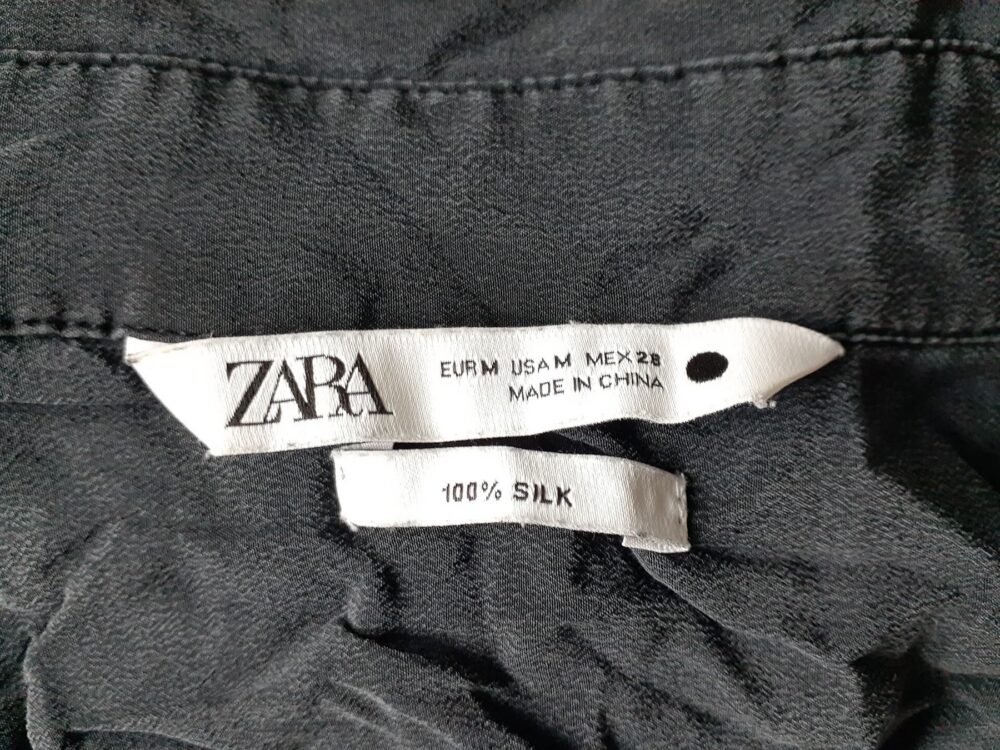
DHgate can work as a testing ground for a private label clothing brand, but only if you treat it as a place to find OEM-capable garments and branding components—not a full brand-building solution. In practice, you’ll be searching for bulk apparel that can take your logo, plus woven labels, hang tags, and packaging, then vetting each seller and validating quality with samples before scaling. For small US-based ecommerce brands and boutiques, DHgate is best for early prototypes and small runs, not complex, high-volume fashion programs.
How DHgate Fits into the Private Label Clothing Supply Chain
Private label clothing has a simple structure: you pick or design garments, add your brand elements (labels, tags, print/embroidery, packaging), and then manage sales and marketing yourself. Production is often split:
- Garment manufacturer (T-shirts, hoodies, dresses, etc.)
- Trims and branding suppliers (woven labels, care labels, hang tags, bags)
- Sometimes a separate packer or finisher
DHgate, as an online wholesale marketplace connecting global buyers with many Chinese apparel sellers and accessory makers, fits mainly in the “garment” and “branding components” stages. The platform’s own editorial content stresses using search filters, ratings, feedback, and samples, and mentions OEM opportunities for custom and branded products. That’s useful, but it still leaves the heavy lifting—design direction, brand/IP setup, tech packs, and ongoing QC—on you.
If you’re a US buyer:
- Use DHgate to discover ready-made blanks or fashion-forward pieces that can take your logo.
- Pair those with custom labels/tags so the item feels truly on-brand.
- Test in small batches before you invest in factory-direct relationships elsewhere.
For highly technical sportswear, intricate patterns, or big-box retail volumes, you’ll usually outgrow DHgate and move to factory contracts or other sourcing routes.
Finding and Vetting Private-Label-Ready Clothing and Label Suppliers on DHgate
This is where you translate the idea of “private label” into search terms, listing patterns, and supplier checks.
1. Search for apparel that accepts customization
On DHgate, many garments are generic, some are branded, and a subset are explicitly customizable. You’re looking for terms and listing titles that suggest OEM or printing options:
Search terms to try:
- “custom t-shirt wholesale”
- “OEM clothing” or “OEM factory clothing”
- “blank hoodie wholesale” + “logo”
- “custom sportswear” / “custom tracksuit”
One live example (checked 2026-10-13) is a listing titled “High-quality custom t-shirt wholesale” in the Men’s T-Shirts category, priced at about $5.03 per piece in the snapshot range at that date (DHgate listing). The title suggests:
- The seller likely offers printing or embroidery.
- It’s positioned for bulk orders, not one-off consumer gifts.
When you open similar listings, look for:
- Mentions of “custom logo” or “print service” in the description
- Multiple color/size options (better for brand assortments)
- Photos that show blank versions, not just graphics for other brands
2. Search specifically for custom labels, tags, and care labels
For a real private label, generic blanks aren’t enough—you need your brand inside the garment. DHgate has many listings that focus just on labels and tags.
Useful search phrases:
- “custom clothing labels”
- “woven label” or “woven brand labels”
- “garment care label” + “custom logo”
- “hang tags custom logo”
Here are a few data-backed examples (all snapshots from 2026-10-13; prices and availability can change):
| Component type | Example DHgate title | Category | Snapshot price range* (USD) | Supplier ID |
|---|---|---|---|---|
| Woven brand label | “Manufacturer supplies custom clothing woven labels, and garment processing accessories” (link) | Labels & Tags | $0.09–$0.10 per piece | jjxfcsys |
| Neck/care logo label | “OEM factory specializes in garment care logo labels, and woven brand clothing accessories” (link) | Labels & Tags | $0.06–$0.07 per piece | jjxfcsys |
| Thick woven neck tag | “High-density thick clothing labels, bright-colored custom logo neck tags, woven silk labels” (link) | Labels & Tags | $0.06–$0.07 per piece | jjxfcsys |
| Printed hang tag | “Clothing own brand clothing printed labels, label design, hang tags” (link) | Labels & Tags | $0.12–$0.15 per piece | jjxfcsys |
| PVC/paper hang tag | “Clothing transparent PVC plastic tag, printed black paper clothing tag with customer logo” (link) | Labels & Tags | $0.18–$0.21 per piece | jjxfcsys |
*Price ranges are snapshots, not guarantees; always check the current listing.
Listings like these tell you:
- The factory can weave or print your logo text and icon.
- You can order labels separately and then sew them into garments from the same or another supplier.
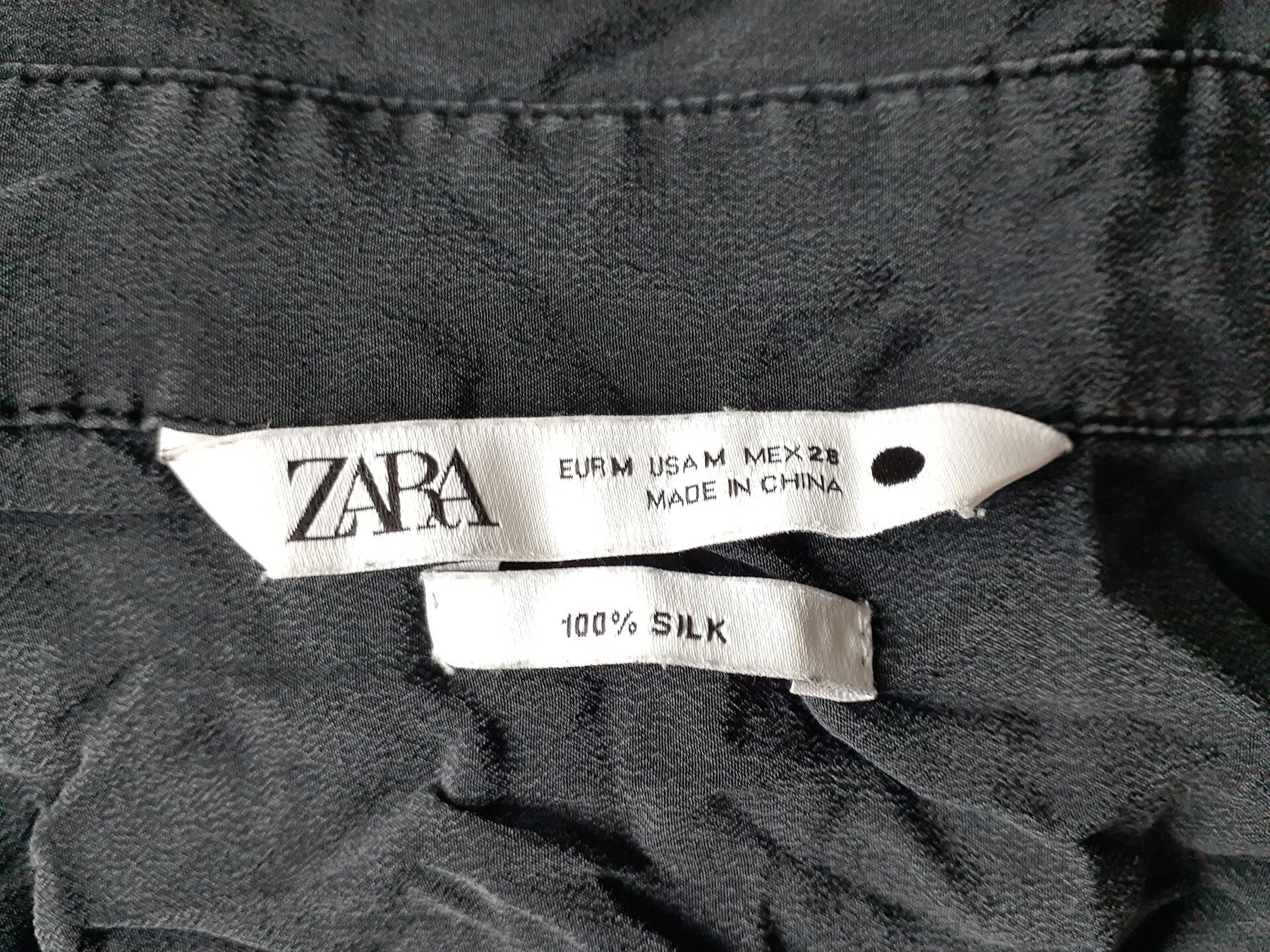
3. Combine a garment listing with a label listing (mini-case)
A simple starter workflow for a US micro-brand:
- Use a customizable garment listing such as “High-quality custom t-shirt wholesale” (or similar) to source 30-50 blank or logo-ready tees.
- Order 200-500 woven labels from a supplier offering “Manufacturer supplies custom clothing woven labels” or “OEM factory specializes in garment care logo labels”.
- Ask the garment supplier if they can sew in your labels during production. If not, arrange local sewing after import.
- Add hang tags from a listing like “Clothing own brand clothing printed labels, label design, hang tags” for retail-ready presentation.
This gives you small-batch branded shirts without building a full factory relationship yet.
4. Vetting DHgate apparel and label suppliers
DHgate’s own ecommerce sourcing guidance suggests using filters, supplier ratings, transaction history, and samples. For private label, layer that into a stricter checklist:
On the listing page:
- Does the title mention “custom””, “OEM”, “brand”, or “logo”?
- Are there clear photos of actual labels/tags, not just mockups?
- Is the description specific about materials (e.g., woven polyester, cotton, PVC)?
On the seller profile:
- Check the years active and any rating metrics visible.
- Look for multiple products in Labels & Tags, Sewing Notions & Tools, or apparel categories (suggests specialization).
In messages:
- Ask directly: “Can you produce woven labels with my logo and text? What format do you need (AI, PNG)?”
- Request a photo of a previous custom job with another brand’s logo (without copying their design).
- Clarify whether they can attach labels and tags to garments or only supply them loose.
Before any bulk order, order samples—DHgate’s blog repeatedly recommends this for apparel and boutique sourcing. For labels, a sample run lets you test weave density, color accuracy, and how the label feels on skin.
For more general supplier-selection tactics across categories, you can cross-check your approach against guides like Find wholesale suppliers on DHgate, Find DHgate suppliers, and Choose a DHgate wholesale supplier.
Order Sizes, Customization Limits, and When Another Route Beats DHgate
You rarely get full fashion-house flexibility from DHgate listings. Think practical constraints.
Typical order and customization profiles on DHgate
From the label snapshots above, you can see per-piece pricing in the low cents for some woven labels and hang tags at small wholesale scales. That suggests DHgate can be economical for:
- Micro brands wanting hundreds to a few thousand labels or tags.
- Small apparel runs using an existing garment pattern and adding logos.
However, most listings don’t state detailed MOQs or full customization options up front. You need to confirm:
- Minimum order for custom labels/tags and whether price changes at higher volumes.
- Supported colors and thread types for woven labels.
- Artwork format and whether they charge setup fees for new designs.
For apparel, the “High-quality custom t-shirt wholesale” example around $5.03 per piece hints at accessible small-batch pricing, but doesn’t tell you:
- If they accept full custom patterns or only print-on-blank.
- Whether they can grade sizes to your specific fit, or just standard S–XL.
Those are questions for direct messaging and sampling.
One clearly labeled DHgate sourcing-solution perspective
If you’re a US-based small brand, DHgate is most useful as a sourcing solution in these scenarios:
- You want to test a new apparel idea with 50-300 pieces before investing in factory contracts.
- You need affordable custom labels and hang tags to make imported blanks feel on-brand.
- You’re comfortable managing quality checks yourself and iterating across multiple suppliers until you find a workable combination.
DHgate is a poor fit when:
- You require highly customized garments built from tech packs (e.g., performance leggings with specific fabric mixes and paneling).
- Your brand depends on tight QC and repeatability at thousands of units per SKU.
When to move to Alibaba, Made-in-China, or trade shows
Once you’ve validated a style and branding package using DHgate small runs, you may find better long-term economics and control through other channels:
- Alibaba: more direct access to factories willing to work from detailed tech packs and negotiate MOQs and production terms.
- Made-in-China: similar factory directories where you can find specialized garment manufacturers and trims suppliers, often for larger programs.
- Trade shows: physical shows (US or Asia) where you can handle fabric swatches, inspect stitching in person, and build relationships that support high-volume, multi-season collections.
Use DHgate as the prototype and learning stage: it lets you experiment with silhouettes, artwork, and label designs relatively cheaply. Once you know what sells and what quality level you need, take those learnings—and your tested samples—to a more direct factory route if your volumes and requirements justify the switch.