
Selling and reselling used items online is recommerce: you acquire pre-owned goods, list them on digital marketplaces, and profit from better pricing, audience, or presentation. For US side hustlers and lean ecommerce startups, it’s one of the lowest-cost ways to start selling because your inventory can begin with your own stuff, then expand into thrift finds, liquidations, and selective wholesale.
This guide focuses on resale as a business system, not one-off decluttering. If you’re wondering whether to build a used-item operation—and how sourcing, platforms, and costs fit together—this lays out the moving parts so you can decide if it’s right for you.
How Online Resale of Used Items Works Today
Recommerce is just commerce with pre-owned goods. You take items that have already had one life—clothing, electronics, books, home goods—and extend that lifecycle by selling them through online channels. As Wikipedia’s overview of recommerce notes, this both creates economic value and reduces waste.
The market has grown fast, especially in fashion. Editorial coverage of the secondhand boom points to younger consumers who care about sustainability and affordability and enjoy hunting for unique pieces. That demand has supported several different business models:
- Peer-to-peer apps – Individuals list single items. Good for clothes, shoes, collectibles. Examples include Poshmark and Depop.
- General marketplaces – Broad categories, auction or fixed price. eBay and Facebook Marketplace are common options.
- Local classifieds and groups – Craigslist, Facebook buy/sell groups; often cash, meetups, and larger items.
- Curated shops and brands – Some sellers build a brand around a niche (e.g., vintage workwear) using Shopify or similar platforms.
Online resale suits people who:
- Have more time than capital.
- Are comfortable with hands-on work: sourcing, cleaning, photographing, shipping.
- Can tolerate inconsistent early income.
It’s a poor fit if you need stable, near-term cash flow or dislike dealing with customer questions, returns, and platform rules.
Finding and Evaluating Sources of Inventory
The core business question isn’t “Where do I list my stuff?” but “Where do I get enough good inventory at the right cost?” For used items, your sourcing options are different from classic wholesale.
1. Personal and local sources
Most sellers start with what they already own, then branch into local channels:
- Your home – Outgrown clothes, unused electronics, decor. This is effectively zero-cost inventory.
- Thrift stores and charity shops – You pay retail thrift prices and rely on underpricing or your eye for quality.
- Garage and estate sales – Often better margins because sellers are clearing space, not running a store.
- Consignment arrangements – You sell items for others and take a cut.
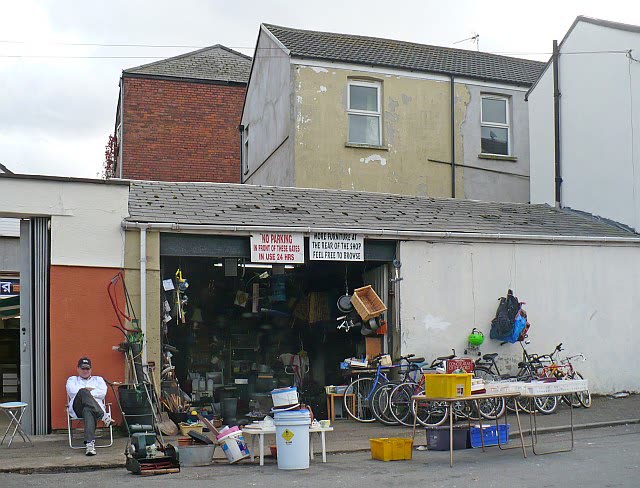
When you’re evaluating local inventory, treat each item as a tiny investment:
- Condition – Look for minimal wear, no major stains or damage.
- Demand – Check how similar items are performing on the platform you plan to use (sold listings on eBay, for example).
- Repair/cleaning effort – Factor in time and materials to get it sale-ready.
2. Online secondhand and liquidation
Once you move beyond one-off finds, sellers often add bulk or semi-bulk sources:
- Liquidation lots – Pallets or boxes from liquidators with returned or overstock items.
- Specialty online resellers – Some sites sell curated vintage or used tech wholesale-style.
Here, supplier evaluation matters more than individual items. Useful signals include:
- Transparent manifests or item lists.
- Photos that match manifests, not just generic stock images.
- A track record of doing business (reviews, third-party commentary, or, for US-based firms, basic business registration you can look up).
Red flags:
- Vague descriptions like “premium mystery box” without details.
- No way to estimate resale value (no brands, categories, or condition grades).
3. Complementary NEW inventory from wholesale
Many used-item sellers eventually mix in new goods: things like accessories, packaging, or low-cost fashion items that pair well with their secondhand niche. Editorial guides on product resale describe a simple model: buy from a distributor or wholesale platform at a discount, then resell at retail if your costs are under control.
Wholesale platforms—US-based or cross-border—fit here. You’re not turning your used business into pure retail arbitrage; you’re adding predictable items where used supply is thin. That might be:
- New packing materials or branded inserts.
- New basics (e.g., plain tees) to upsell in a vintage clothing shop.
- Replacement parts for used electronics.
Because wholesale is usually international or at least non-local, you’ll need extra checks:
- Read listing titles and descriptions closely for material, sizing, and customization options.
- Look for seller history and any visible rating or review data.
- Start with small, test orders before committing meaningful capital.
For readers specifically considering DHgate suppliers, DHgateWiki has targeted guides like how to find wholesale suppliers on DHgate and how to choose a DHgate wholesale supplier that dig into seller checks and sampling in more detail.
Orders, Costs, and Choosing Sales Channels
Once you understand where inventory will come from, the next decision is how that inventory moves through platforms—and how the math works.
Mapping your costs
Your real profit comes from sales minus all costs:
- Item acquisition (thrift price, liquidation cost per unit, wholesale cost).
- Cleaning, repair, and storage.
- Platform fees and payment-processing costs.
- Packing materials and shipping postage.
Consumer guidance from the Better Business Bureau stresses basics that directly affect sell-through: clear photos, honest descriptions, competitive pricing based on similar items, and prompt communication with buyers (BBB tips). Those listing-quality steps don’t show up as line items, but they materially affect how quickly inventory turns.
Comparing key resale platforms
US guides, including Fintriv’s overview of selling unused items online, commonly point buyers and small sellers to a handful of platforms. Here’s a compact comparison focused on used-item resale:
| Platform | Typical Use Case | Audience & Reach | Listing Style |
|---|---|---|---|
| eBay | Used electronics, collectibles, clothing | Global, broad; many hobbyist buyers | Auctions + fixed price |
| Facebook Marketplace | Local furniture, bulky items, cars, misc. | Strong local reach; social-network based | Local listings, messaging |
| Craigslist | Local-only, large items, services | Local classifieds; no built-in checkout | Simple text/photo ads |
| Poshmark | Fashion-focused used clothing & shoes | Fashion-oriented, mobile-heavy users | Fixed-price, social feed |
| Etsy | Vintage goods (plus handmade new items) | Buyers seeking vintage or handmade pieces | Fixed-price shop listings |
This table isn’t exhaustive; other apps and smaller platforms fill specific niches. The decision is less about chasing every site and more about matching your products and operations to the right expectations:
- If you sell branded clothing in good condition and enjoy styling, Poshmark or Etsy (for true vintage) may justify their fee structures.
- If your inventory is mixed, including electronics or tools, eBay’s search-driven catalog can expose more categories.
- If you’re moving furniture or large items, local-first channels like Facebook Marketplace or Craigslist reduce shipping headaches.
Where wholesale and DHgate might fit
For some sellers, a hybrid model makes sense:
- Core business: used clothing sourced locally.
- Add-on: new accessories or basics sourced wholesale.
In that scenario, an online wholesale marketplace like DHgate can be one option for sourcing new items—say, bulk cotton T-shirts or simple jewelry—to bundle with or upsell alongside secondhand pieces. Because DHgate hosts many independent sellers, you would still need to vet each listing and supplier carefully and treat test orders as part of your cost structure.
If you move in this direction, internal guides such as find DHgate suppliers can help frame supplier discovery, but they don’t remove the need for your own due diligence.
Side hustle vs. business: tax and policy considerations
There’s a practical line between occasionally selling old items and running a resale business. US tax commentary from Kiplinger notes that ongoing online selling can have tax implications once it looks more like a business than sporadic decluttering. The exact treatment depends on your situation.
Because rules change and depend on your income, tracking, and intent, it’s wise to:
- Keep basic records of purchases, sales, and expenses.
- Review IRS guidance on hobby vs. business income.
- Talk to a tax professional before scaling up.
That step doesn’t decide whether resale is a good idea—but it does protect any business you build around secondhand goods.