
Tropical jungle wallpaper works best at wholesale scale when you pair eco-leaning substrates (like non-woven and peel-and-stick fabrics) with suppliers who can deliver sharp foliage prints, consistent color across batches, and realistic MOQs. For most buyers and small ecommerce brands, the strongest route is to use specialist wallpaper manufacturers or independent designers for your hero designs, then test lower-risk marketplace options in small runs before committing to volume.
You should start by defining the look and feel you want—dense jungle murals, repeat palm-leaf patterns, or softer watercolor foliage—then match that to the substrate and printing method. From there, request samples from 2-4 suppliers, compare print detail and material in-hand, and only then negotiate MOQs and pricing on your best candidates.
How Tropical Jungle Wallpaper Is Produced and Sold at Wholesale Scale
In wholesale, “tropical jungle wallpaper” usually means one of two product types:
- Repeat patterns: palm leaves, banana leaves, monstera, and general rainforest foliage repeating across rolls.
- Wall murals: large, continuous jungle scenes sized to a specific wall.
Australian retailers offer good benchmarks for both formats. For example, the Palm Jungle design sold via iWallpaper Interiors shows a classic dense palm-leaf repeat in a modern color palette, printed on non-woven wallpaper. Brands such as Photowall and Beautiful Walls sell custom-sized jungle murals, where the image is scaled and cropped to your wall’s exact dimensions. That made-to-measure approach is common for higher-end mural suppliers and is a realistic expectation if you’re buying wholesale from specialist manufacturers.
Typical substrates and eco-leaning options
Tropical designs can be printed on several bases:
- Non-woven paper: a popular choice in Europe and Australia. It’s generally more breathable and easier to hang/remove than traditional paper.
- Peel-and-stick polyester or vinyl: ideal for renters and DIY installs; often marketed as removable, including many jungle designs on marketplaces.
- Bamboo-style wallpaper: bamboo-based designs and materials are often promoted as eco-friendly and sustainable compared with traditional vinyl, though the actual impact depends on the specific product and manufacturing process.
For eco-focused buyers, non-woven and bamboo-style materials are typically positioned as more sustainable, while peel-and-stick products can vary widely. Treat “eco” language as a starting point: ask for details on fiber sourcing, inks, and formal certifications rather than assuming everything marketed as green is genuinely low-impact.
How wholesale production usually works
Most specialist wallpaper suppliers follow a similar workflow:
- Design development: You choose existing designs (e.g., a palm jungle repeat) or commission custom artwork.
- Sample prints: The factory prints sample lengths or panels so you can check color, sharpness, and substrate.
- Main production run: Once approved, they set up the print run for your order—often in multiples of a base roll length or mural size.
- Repeat orders: Colors must be re-matched; reputable suppliers keep color recipes and profiles for consistency across reorders.
Knowing this helps you ask the right questions: how many meters or murals per minimum run, how they manage color matching over time, and what happens if you need reprints.
Choosing Eco-Friendly Tropical Jungle Wallpaper Suppliers
Your goal is to filter down to a shortlist of suppliers whose materials and print quality match the level you see from established brands like Beautiful Walls or Photowall, but at pricing and MOQs that work for you.
What to check in materials and eco claims
Focus on a few specific things:
- Substrate spec: Is it non-woven, peel-and-stick fabric, vinyl, or bamboo-style? Ask for GSM (weight) and surface finish (matte, satin, textured).
- Ink system: Many suppliers use water-based or latex inks for murals; ask if they’re solvent-based and what certifications (if any) they have.
- Eco language vs proof: “Eco” and “non-toxic” appear often, especially for jungle wallpapers aimed at nurseries. Request datasheets or certification names rather than relying on marketing copy.
Online marketplaces like Etsy host independent designers offering peel-and-stick jungle and palm-leaf wallpapers, some on woven polyester with claims of being non-toxic and eco-friendly. A listing such as this tropical palm-leaf mural on Etsy illustrates what you can expect: custom sizing, removable materials, and eco-focused descriptions. Treat those as reference points, then ask potential wholesale suppliers for equivalent detail.
Sampling and print-quality evaluation
Before committing to a run, ask every serious supplier for physical samples:
- One strip of a dense foliage design (to see how they handle fine detail).
- A sample of your preferred substrate, unprinted, to evaluate feel and stiffness.
Lay these next to a well-known design (for instance, a panel from iWallpaper Interiors’ Palm Jungle) and compare:
- Are the edges crisp on small leaves?
- Does the green palette look rich or washed out?
- Does the substrate crease easily or feel robust?
For murals, ask to see a sample tile from a large jungle scene—the joins between panels are where poorer suppliers often show misalignment or banding.
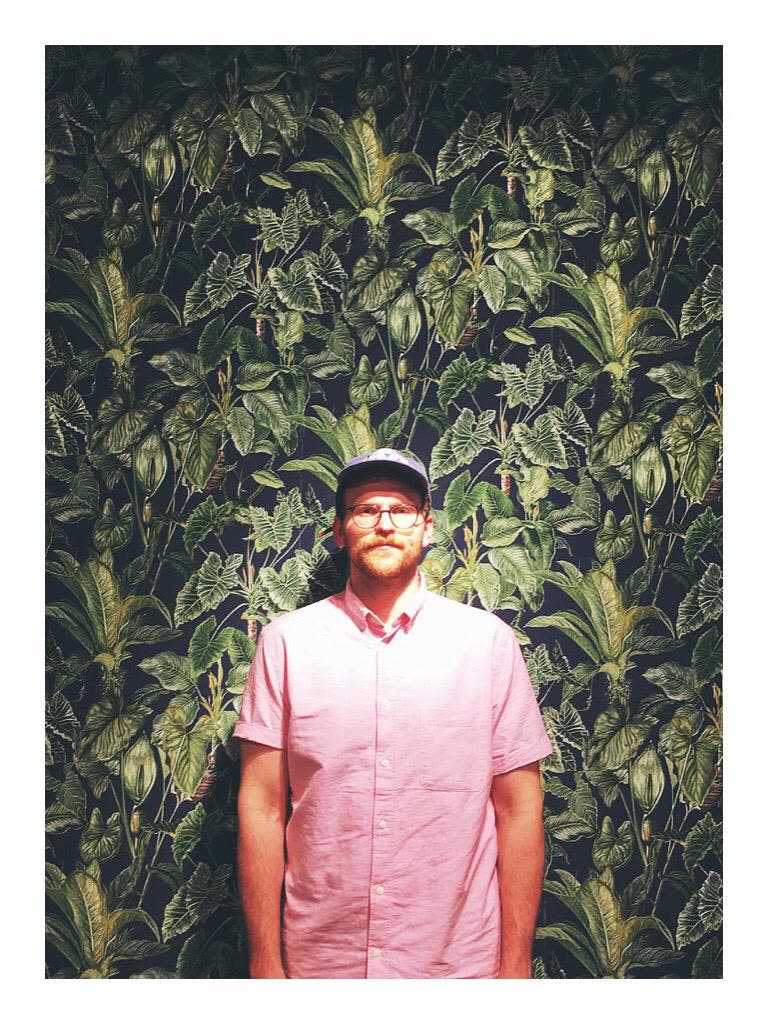
Image suggestion: real-world jungle wallpaper on a wall helps you judge how dense foliage and color saturation should look in final installations.
Communication habits that usually signal a good partner
For small ecommerce brands and interior studios, reliable wallpaper suppliers tend to:
- Answer substrate and ink questions in specific technical terms.
- Offer clear sample costs and realistic shipping options for those samples.
- Provide straightforward artwork specs (file formats, DPI, bleed) for custom palm-leaf or jungle scenes.
If you’re sourcing through marketplaces, prefer sellers who already show detailed material descriptions and large installation photos over those using only mockups or vague language.
MOQ, Pricing, Customization and the Best Sourcing Channels
Once you’ve seen samples, you still need the numbers: how much you must order, what it will cost, and how flexible each route is with design changes.
Typical wholesale MOQs and pricing patterns
While exact figures vary, you’ll often see these broad patterns:
- Specialist manufacturers: MOQs set per design (e.g., a minimum number of rolls or square meters). Prices drop substantially at higher volumes and when you re-order the same pattern.
- Independent designers offering custom murals: More flexible on MOQ (even single murals), but higher per-unit prices because you’re paying for design time and small-batch printing.
- Marketplace sellers: Small MOQs or even single-roll purchases; prices are set per unit, and volume discounts are less standardized.
For perspective, DHgate currently lists a tropical rainforest peel-and-stick wallpaper in its Wallpapers category at around USD 25.36-26.02 per unit, and a custom banana-leaf tropical rainforest wallpaper mural at about USD 25.80-26.47 (prices observed on 2026-10-13).SourceSource Those are unit-level prices suitable for testing a design or building a small inventory in an online shop—not the economics you’d expect for large roll runs from a specialist factory.
Comparing sourcing channels for eco-focused jungle designs
Here’s how the main channels stack up in practical terms:
| Channel type | Typical MOQ flexibility | Customization depth | Eco-material clarity | Best use case |
|---|---|---|---|---|
| Specialist wallpaper manufacturers (EU/AU/Asia) | Medium to high per design; optimized for repeat orders | High – custom repeats, murals, and colorways | Usually good spec detail; some offer certified non-woven or bamboo-style options | Long-term hero collections, consistent color across reorders |
| Independent designers (e.g., Etsy-style sellers) | Very low; often print-on-demand murals | High artwork flexibility, tailored to each wall | Eco claims vary; some disclose non-woven or fabric details clearly | Interior studios, boutique brands needing unique designs in modest quantities |
| General marketplaces | Very low; single rolls or murals possible | Mixed – some allow custom sizing or motifs, others are fixed designs | Material descriptions can be brief; eco framing is mostly marketing | Trial runs, small orders to test demand or fill gaps in a catalog |
For eco-focused palm-leaf or jungle motifs, you’ll generally get the best material transparency and repeat consistency from specialist wallpaper manufacturers or high-end mural brands. Marketplace and print-on-demand routes are useful for testing themes, renting out short-run collections, or serving customers who prefer peel-and-stick, but they’re less predictable for long-term, color-critical collections.
Where DHgate can make sense (with caveats)
DHgate hosts tropical rainforest peel-and-stick wallpapers and banana-leaf murals from small sellers, including the examples above in the Wallpapers category.SourceSource For a US-based buyer or small ecommerce brand, this makes DHgate a candidate for small-batch testing: buying a few units to gauge customer interest in specific jungle motifs or to explore peel-and-stick substrates without locking into a large run.
If you explore this route, treat each seller individually:
- Read listing details for substrate type and thickness.
- Check seller history and review counts where available.
- Ask for real installation photos and clarify customization limits (e.g., can they resize a mural to your standard wall height?).
Scenario snapshots
- Boutique interior studio: You want high-impact jungle murals for client projects. Use Australian or European mural brands as quality benchmarks, then source from specialist manufacturers on non-woven or bamboo-style substrates with clear eco specs. Keep one or two peel-and-stick options from independent designers or marketplaces as budget-friendly alternatives.
- Small ecommerce wallpaper shop: You need a mix of repeat palm-leaf patterns and bold feature-wall murals. Lock in 2-3 core designs through a manufacturer with stable MOQs, then add experimental jungle patterns via print-on-demand designers or small quantities from marketplace sellers to test what shoppers actually buy before adding new heroes to your main line.
By combining these routes, you get the depth and consistency of professional wallpaper production with the flexibility to try new tropical jungle themes without overcommitting.