
ESP8266 WiFi modules are low‑cost Wi‑Fi microcontroller boards developed by Espressif Systems, designed to give simple projects full TCP/IP networking without extra chips.ESP8266 on Wikipedia For hobby and learning in Australia, the most practical options are small development boards like D1 Mini (built around an ESP‑12F), simple ESP‑01 breakout modules, and relay boards that pair ESP8266 with mains‑rated switching. Your sourcing decision is less about chasing the absolute lowest price and more about matching the module format and supplier type to your projects, skill level, and batch size.
If you’re just starting, buy a couple of D1 Mini or similar dev boards from a local specialist store and add a handful of ESP‑01 or relay modules as you grow. As you move into small‑batch kit assembly or e‑commerce, you can mix local retailers, global distributors and carefully checked marketplaces for different parts of your BOM.
How ESP8266 WiFi Modules Reach Hobbyists and Small Buyers
The ESP8266 is a Wi‑Fi microchip with a built‑in TCP/IP stack and microcontroller core.ESP8266 on Wikipedia Espressif sells the silicon and reference modules (like ESP‑12F); third‑party manufacturers then package these chips into many board formats aimed at hobby, IoT, and OEM use.
In Australia you’ll typically see ESP8266 in three tiers of products:
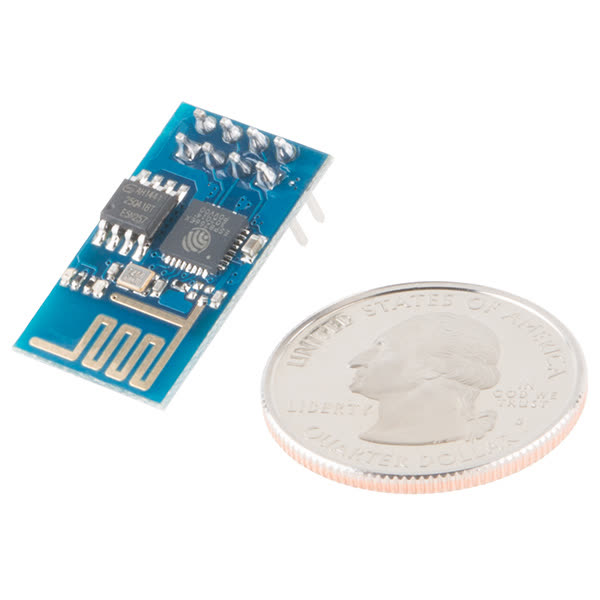
- Bare modules and breakouts. For example, Altronics sells an ESP8266 ESP‑01 mini WiFi breakout module to hobby buyers.ESP‑01 mini module at Altronics These compact boards expose the ESP‑01 pins but expect you to handle 3.3 V power and serial programming yourself.
- General WiFi modules with more flash. Robotics‑focused stores like Robot Gear stock ESP8266 modules with about 4 MB flash, marketed for prototyping and small IoT devices.ESP8266 4MB module at Robot Gear These are closer to what goes into end products.
- Full development boards. Boards like the D1 Mini ESP8266 WiFi Development Board sold by Zaitronics wrap an ESP‑12F module with USB‑to‑serial, 4 MB flash, headers and Arduino‑compatible firmware tools.D1 Mini ESP8266 board at Zaitronics These are explicitly aimed at hobby IoT projects.
The supply chain for your small orders usually looks like:
- Chip and module manufacture in Asia (Espressif plus many board makers).
- Bulk distribution via large component distributors such as Digi‑Key, Mouser, Arrow or Newark, which carry microcontrollers and wireless modules alongside other parts.DHgate blog distributor overview
- Retail and marketplace listings: Australian specialist shops (Altronics, Robot Gear, Zaitronics, Maker Store), global hobby brands, and cross‑border marketplaces list finished dev boards, modules and relay kits.
For a small Australian buyer, you almost never deal directly with Espressif. You either buy finished boards from local stores, or source batches of those boards from distributors and marketplaces.
Choosing ESP8266 Module Types and Suppliers for Learning Projects
For hobby and learning, the biggest choice is module format. Here’s how common ESP8266 options line up for Australian buyers:
| Module / board type | Typical example in AU | Best use case | Pros for learners | Gotchas |
|---|---|---|---|---|
| ESP‑01 breakout | ESP8266 ESP‑01 mini WiFi breakout from Altronics | Add WiFi to existing microcontroller; very simple IoT nodes | Cheap, tiny, widely supported | Needs 3.3 V supply and separate USB‑serial adapter; limited GPIO |
| ESP‑12F bare module | 4 MB ESP8266 WiFi module at Robot Gear | Embedding in custom PCBs or advanced breadboard work | Closer to production‑style modules; more flash | SMD format; not beginner‑friendly without adapter or custom board |
| D1 Mini / NodeMCU dev board | D1 Mini ESP8266 WiFi board at Zaitronics | First WiFi/IoT projects, Arduino‑style learning | USB onboard, 4 MB flash, plenty of tutorials | Slightly larger than ESP‑01; more features than some projects need |
| ESP8266 relay boards | ESP‑01/ESP‑12F relay modules from local or cross‑border sellers | Smart switches, remote control of lights or low‑power devices | Ready‑made switching plus WiFi; good for smart home demos | Must respect mains safety; documentation quality varies |
What to start with
For pure learning:
- D1 Mini / NodeMCU‑style boards are the least painful way to get started. They include USB, power regulation and breadboard‑friendly headers, and can be programmed via Arduino IDE or MicroPython much like the D1 Mini described by Zaitronics.
- ESP‑01 modules are good second‑step boards. The Altronics breakout is typical: simple header pins and the ESP8266 on a tiny PCB. It forces you to learn about 3.3 V power, reset pins and serial flashing without jumping straight into custom PCB work.
If you’re assembling learning kits or selling small DIY bundles, mixing formats makes sense:
- One D1 Mini as the main board.
- One or two ESP‑01 modules plus a USB programming adapter.
- Optionally, a relay module (ESP‑01S or ESP‑12F based) for a controlled smart‑switch demo.
Assessing a specific supplier or listing
Because ESP8266 is a commodity platform, listings can look similar while the experience is very different. Concretely:
- Check that the board format matches your learners’ tools. A D1 Mini advertised as “Arduino‑compatible” should mention USB‑to‑serial and supported environments like Arduino IDE or MicroPython, as Zaitronics does for its D1 Mini.
- Look for clear flash size and module type. Robot Gear’s ESP8266 module page calls out 4 MB flash for prototyping. Aim for similar transparency; avoid vague “WiFi board” listings that skip flash size.
- Prefer documented pinouts and examples. Local stores such as Altronics and Zaitronics typically provide pin diagrams or at least a link to documentation. If you’re buying cross‑border, treat missing pinouts as a red flag.
- Trace the module family. ESP‑01 vs ESP‑12F vs ESP‑07S have different pinouts and antenna types. Australian sites like Robot Gear and Altronics often name the exact module, which lets you find accurate datasheets.
For a small e‑commerce kit business, consider doing a quick test order from any new supplier and building at least one sample project before you standardise on that board.
Order Sizes, Pricing and Sourcing Channels for ESP8266 Modules
For hobby and learning projects in Australia, you’re typically deciding between three sourcing routes: local specialist retailers, global distributors, and online marketplaces (including DHgate).
Local Australian retailers and hobby stores
Shops such as Altronics, Robot Gear, Zaitronics, Core Electronics and Maker Store focus on low MOQs:
- You can usually buy single units of ESP‑01, dev boards and WiFi modules at retail prices.
- Stock is curated towards hobby use, so you’re more likely to get sensible defaults (4 MB flash, USB onboard, clear documentation).
- Shipping is domestic, and GST handling is straightforward.
This route is ideal if you’re:
- Just learning ESP8266.
- Building a short run of workshops or kits (say, 5-50 sets) where per‑board cost matters less than predictable delivery and support.
Large global component distributors
Distributors like Digi‑Key, Mouser, Arrow and Newark are widely recognised online sources for microcontrollers and wireless modules.DHgate blog distributor overview Their ESP8266 offerings skew towards:
- Bare modules and OEM‑style boards rather than hobby‑branded dev kits.
- Better traceability back to the original manufacturer.
- Stronger documentation via datasheets and application notes.
They make sense when you’re:
- Designing a custom PCB and want a stable, well‑documented module like ESP‑12F or ESP‑07S.
- Moving from dozens to hundreds of units and care about long‑term availability.
MOQs can still be hobby‑friendly for many boards, but shipping, currency and customs will require a bit more planning from Australia.
Marketplaces and small‑ to medium‑batch orders (including DHgate)
Cross‑border marketplaces host a wide range of ESP8266 dev boards, relay modules and adapters aimed at smart home and IoT projects. For example, on 2026-10-13 a DHgate listing titled “ESP8266 Wireless WIFI Relay Module 4‑Channel ESP‑12F Development Board AC/DC 5V/7-28V/5-80V E‑WeLink APP Remote Control” was available in the Christmas Toy & Supplies category with an indicative price range of USD 24.87-25.51 per unit and no stated MOQ.ESP8266 4‑channel relay module on DHgate Listings and prices can change.
Other query‑time DHgate snapshots on that date showed ESP8266‑based relay and dev boards such as:
| Listing example | Module focus | Category on DHgate | Indicative price range (USD) | Observation date |
|---|---|---|---|---|
| ESP8266 Wireless WIFI Relay Module 4‑Channel ESP‑12F Development Board | 4‑channel ESP‑12F relay board | Christmas Toy & Supplies | 24.87-25.51 | 2026-10-13 |
| ESP8266 EPS‑12F Wireless WiFi Programmable 8 Channel Relay Shield Expansion Board for Arduino IOT | 8‑channel ESP‑12F relay shield | Other Active Components | 8.05-8.25 | 2026-10-13 |
| ESP8266 ESP‑01S 5V WiFi Relay Things Smart Home Remote Control Switch | ESP‑01S 5 V relay module | Other Active Components | 8.05-8.25 | 2026-10-13 |
This kind of marketplace sourcing can fit:
- Small e‑commerce brands bundling ESP8266 relay boards into smart‑home kits.
- Clubs or schools buying 20-100 identical relay boards where local stock is limited.
But it adds a few concrete tasks to your sourcing process:
- Validate the exact module referenced in the title (ESP‑01S vs ESP‑12F) against photos and any datasheet links, so your firmware and wiring match what you actually receive.
- Check seller‑level history and reviews for consistency; treat missing or very low review counts as a sign to limit your first order size.
For DHgate‑specific steps on vetting sellers and structuring marketplace purchases, you can refer to broader DHgateWiki guidance such as how to find wholesale suppliers on DHgate and choose a DHgate wholesale supplier.
Putting it together for Australian hobby and kit projects
For most Australian buyers working on hobby and learning projects, a sensible progression looks like this:
- Learn with local dev boards. Start with one or two D1 Mini‑style ESP8266 boards from an Australian retailer, plus documentation‑friendly ESP‑01 breakouts.
- Prototype kits with documented modules. As you standardise on a design, use clearly specified 4 MB ESP8266 modules from stores like Robot Gear or global distributors.
- Scale kits with mixed channels. For relay boards or niche adapters, consider cross‑border marketplaces including DHgate once you’ve validated one or two sample units and checked module types closely.
That mix lets you take advantage of ESP8266’s low cost and rich ecosystem without leaving your learners or customers stranded on undocumented boards.