
Bamboo roofing can work in Australia, but mostly for light, sheltered structures like resort cabanas, glamping tents, and eco pavilions. For fully weather‑exposed, code‑compliant roofs, bamboo is usually a supporting or decorative material—framing, battens, soffits—while the actual weather skin is clay tile, metal, or a synthetic product. If you’re sourcing wholesale, the most durable options come from specialist bamboo construction brands and engineered bamboo suppliers, not generic marketplaces.
Below, we’ll separate the “tropical bamboo hut” fantasy from the materials and supply chains that can realistically serve Australian buyers.
Where Bamboo Roofing Actually Fits in the Australian Market
Australian roofing guides still treat clay tiles, concrete tiles and steel sheeting (e.g. Colorbond‑type products) as the main options for residential roofs because they handle extreme heat, storms and bushfire risk well.Roofing materials in Australia, what’s best? Bamboo is not yet a mainstream primary roof material here.
For bamboo, think in three roles:
- Bamboo as structure – rafters, purlins, trusses
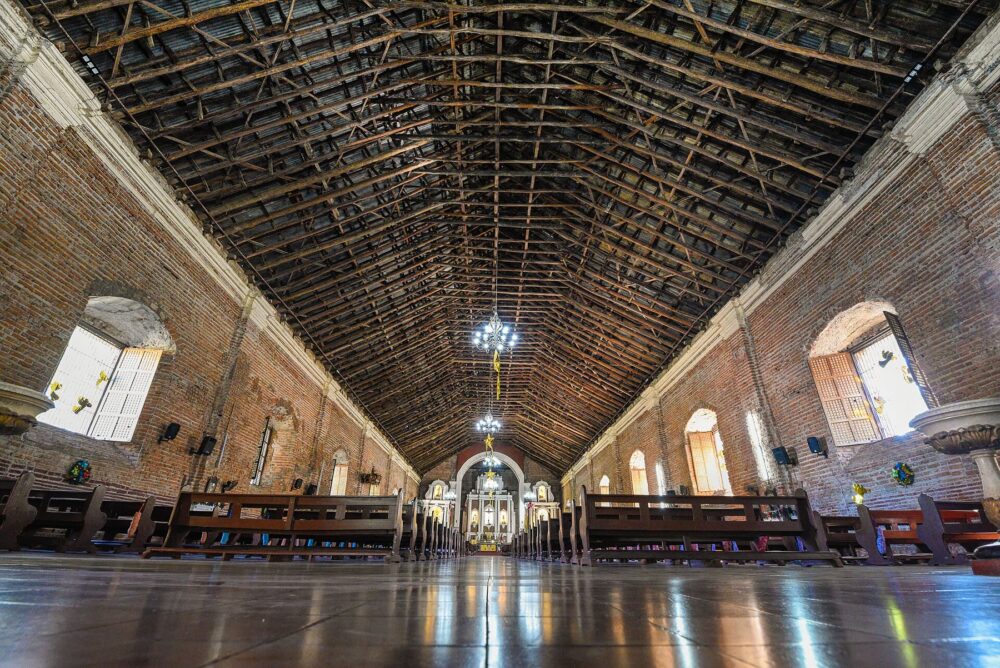
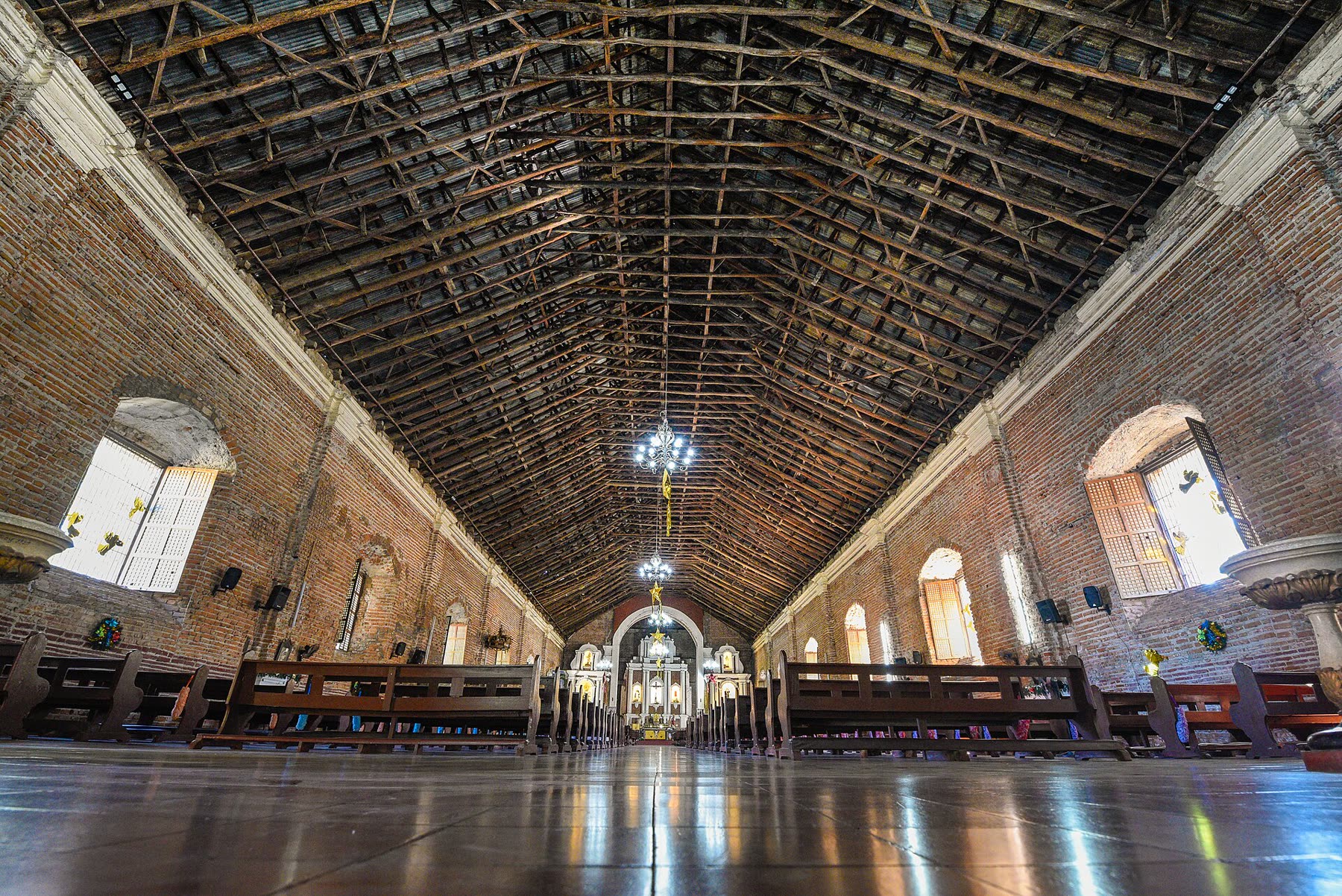
In many bamboo buildings, the poles form a beautiful exposed roof frame and the cladding is something else. Bamboo U’s guide shows clay tile, copper sheets and thatch used on bamboo frames, and notes terracotta tiles as one of the more durable skins. This approach is much easier to align with Australian standards: the engineer designs the roof as usual, and bamboo is the visible framing or interior ceiling feature.
- Bamboo as cladding/decor rather than waterproof skin
Products like woven bamboo panels (amakan‑style) and engineered bamboo battens can be used on eaves, ceilings, or underneath a fully waterproof roof. Australian supplier House of Bamboo sells engineered bamboo batten systems explicitly for exterior building envelopes—think shading screens and decorative facades. That’s a strong clue to where bamboo is currently most viable locally.
- Bamboo as the weather skin (the actual roof)
Traditional systems include halved bamboo, flattened bamboo shingles (pelupuh), and bamboo‑supported thatch.Bamboooz’s overview describes these as eco‑friendly and economical. However, practitioners have publicly criticised flattened bamboo shingles as short‑lived on fully exposed roofs, especially in wet or windy climates. That criticism is aimed at untreated or minimally treated shingles. * Newer products like corrugated bamboo roofing sheets from specialist manufacturers such as Guaduabamboo promise improved durability. These are engineered sheets made from bamboo fibre, designed to behave more like composite roofing.
For an Australian project, that roughly translates into two realistic scenarios:
Small resort cabana / glamping pod – You can specify a bamboo frame, generous roof overhangs, and either clay tiles, metal, or engineered bamboo sheets as the weather skin. Bamboo can then continue on soffits, ceilings and screens. Suburban home or commercial building – Bamboo makes more sense as battens, shading elements, or interior ceilings under a conventional metal or tile roof. Trying to make bamboo the only waterproof layer is a high‑risk experiment in most council areas.
Choosing and Vetting Bamboo Roofing Suppliers and Brands
Your biggest sourcing decision is whether you buy from:
specialist bamboo construction brands (often based in Asia or Latin America), or engineered bamboo suppliers with products already used in Australian building envelopes.
Both are viable for different projects, but they require more vetting than a commodity steel or tile supplier.
Where the credible supply is
Use these as reference points, not endorsements:
Engineered bamboo in Australia – Brands such as House of Bamboo supply engineered bamboo battens and panels designed for exterior use on facades and soffits.House of Bamboo’s batten systems show the kind of documentation (applications, finishes) you should expect locally. Specialist bamboo roof products overseas – Guaduabamboo markets corrugated bamboo roofing sheets, describing them as durable and strong, produced in collaboration with dedicated bamboo manufacturers.Guaduabamboo product page This exemplifies the engineered bamboo sheet category. * Traditional bamboo roofing designers – Firms like Bamboooz document halved bamboo roofs, pelupuh shingles and hybrid systems and can be useful for design technique, even if you don’t buy from them.
How to interrogate their claims
Because bamboo isn’t a standard Australian roofing material, treat every performance claim as something you must verify:
Ask for test data – For corrugated bamboo sheets or treated shingles, request: lab reports for water absorption, impact resistance, and accelerated weathering, any fire‑reaction tests, even if they’re to non‑Australian standards. Clarify treatment and coatings – Traditional bamboo roofing relies heavily on preservative treatment and good detailing.Wikipedia’s bamboo construction article notes bamboo’s vulnerability to insects and fungi if left untreated. Ask explicitly: what preservative is used, expected service life under tropical vs temperate conditions, re‑coating or maintenance intervals. Check certifications – Engineered bamboo products sometimes carry FSC or similar sustainability credentials, and building‑product marks in their home markets. These don’t guarantee Australian compliance, but they are a sign of industrial‑scale manufacturing rather than craft‑level experiments. * Look for real projects – Bamboo construction case studies (schools, resorts) are often showcased by suppliers. Use them to judge whether the product is used as a primary roof or just as a decorative element.
Supplier red‑flag patterns
For an Australian buyer, be cautious if a supplier:
refuses to share any technical data beyond marketing slogans about “eco‑friendly” and “natural”; can’t name the specific bamboo species or fibre source used in their roofing sheets; * offers flattened bamboo shingles without treatment options, warranties, or realistic service‑life guidance.
Ordering, Logistics and Channel Choices for Cross‑Border Bamboo Roofing
Once you’ve identified viable materials, the next decision is how you source them at scale.
What orders typically look like
You won’t find precise MOQ or pricing bands universally, but typical patterns are:
Engineered bamboo sheets or battens – Sold by piece or square‑meter coverage, often with minimum batch sizes so the manufacturer can justify set‑up and shipping. Expect discussions around finish, color, and matching accessories. Traditional bamboo roofing components – Often sourced alongside structural poles, fasteners, and sometimes thatch. Designers such as Bamboooz show these as part of broader construction packages rather than standalone roofing items.Bamboooz overview * Sustainability‑driven engineered options – Commentators like Aegle Sriphal argue bamboo roofing can beat metal on renewability and embodied energy, but they also highlight that treatment and maintenance add complexity compared with off‑the‑shelf steel sheets.Aegle Sriphal’s article
Shipping to Australia adds:
volume and weight considerations—corrugated sheets and poles are bulky; quarantine and biosecurity checks for raw or minimally processed bamboo; * local engineering and compliance work, which is non‑negotiable if the roof is structural or weather‑exposed.
Comparing sourcing channels
For bamboo roofing, your channel choice matters more than for everyday building products. Here’s a grounded comparison:
| Channel type | What you actually get | Typical fit | Key risks |
|---|---|---|---|
| Specialist bamboo brands (e.g., Guaduabamboo, Bamboooz) | Purpose‑designed bamboo roof sheets or systems, plus design know‑how | Resorts, eco‑lodges, showpiece structures willing to invest in bespoke detailing | Need to translate foreign test data to Australian standards; complex logistics |
| Local engineered bamboo suppliers (e.g., House of Bamboo in AU) | Battens and panels proven for exterior use on facades/soffits, but not always as primary roofs | Australian homes/commercial buildings using bamboo decor under conventional roofs | Limited roof‑skin options; may need to combine with clay, concrete, or steel roofing |
| Generic global marketplaces | General bamboo goods (bowls, baskets, textiles) and generic building materials; currently no dedicated bamboo roofing systems in listing snapshots | Very small decorative projects; retail resale of non‑roofing bamboo products | Listings rarely carry roofing‑grade test data or compliance documentation; high risk of misusing non‑roofing products as structural or weather skins |
On DHgate specifically, a snapshot of bamboo‑related listings retrieved on 2026-10-13 shows products like bamboo mixing bowls for kitchen use and woven bamboo baskets for household storage, but no engineered bamboo roofing sheets or shingles among the sampled items.Example bowl listing Example basket listing That suggests DHgate is more relevant for general bamboo consumer goods than for roof systems.
If you nonetheless consider browsing marketplaces, treat them as a way to discover potential manufacturers, not as plug‑and‑play roofing sources. Use guidance like Find wholesale suppliers on DHgate and Choose a DHgate wholesale supplier to vet any listing you find, then confirm directly with the seller whether the product is genuinely designed and tested as roofing.
For durable, weather‑exposed bamboo involvement in Australian roofs, the default recommendation is:
source bamboo roof framing and engineered bamboo sheets or battens from specialist or local brands with technical documentation, and pair them with a conventional Australian roofing material (tile, metal, or tested composite) as the primary weather skin.
Anything else should be treated as an architectural experiment requiring close work with a structural engineer, fire consultant, and local council before you start importing material.