
For vintage clothing wholesale into Europe and North America, the best route is rarely a single platform. Most Canadian and other small ecommerce sellers do best with a mix: specialist vintage wholesalers for true secondhand branded stock, plus global B2B marketplaces like DHgate or Alibaba for new, vintage-inspired apparel and basics. DHgate is mainly useful on the new-production side; if you need real 80s sweatshirt stock or Levi’s made decades ago, you generally won’t find that there.
The core decision is simple: are you building a true vintage business based on secondhand garments, or a vintage-inspired line using new production? Your platform choice flows from that.
The Vintage Wholesale Landscape: Secondhand vs Vintage-Inspired Platforms
Vintage clothing wholesale splits into two very different supply types:
- True vintage wholesale (secondhand) – used garments sourced from thrift chains, charity shops, rag houses, and curated wholesalers. Each piece is finite; sizing and condition are inconsistent, and stock is often sold by weight or mixed lots.
- Vintage-inspired wholesale (new production) – new garments cut and sewn to look retro: Y2K hoodies, washed tees, 90s-style sweatpants, pinstripe coats, etc. These can be reordered, sized consistently, and often customized.
Specialist suppliers like Ora Industries in Los Angeles position themselves clearly in the first camp: they are vintage clothing wholesale specialists, not general marketplaces, and focus on secondhand stock. Directory-style sites such as Vintagesupplier.com’s 2026 guide list multiple US vintage brand clothing wholesale websites aimed at resellers, again reinforcing that there is a niche ecosystem dedicated to secondhand branded vintage.
By contrast, large platforms such as DHgate, Alibaba, AliExpress and similar channels operate as broad B2B marketplaces. DHgate’s own editorial blog describes the site as a global marketplace connecting buyers worldwide with Chinese manufacturers and suppliers, and highlights categories like streetwear, boho, athleisure, formalwear and “vintage” as styles within its clothing assortment. But those “vintage” items are typically new, retro-inspired designs.
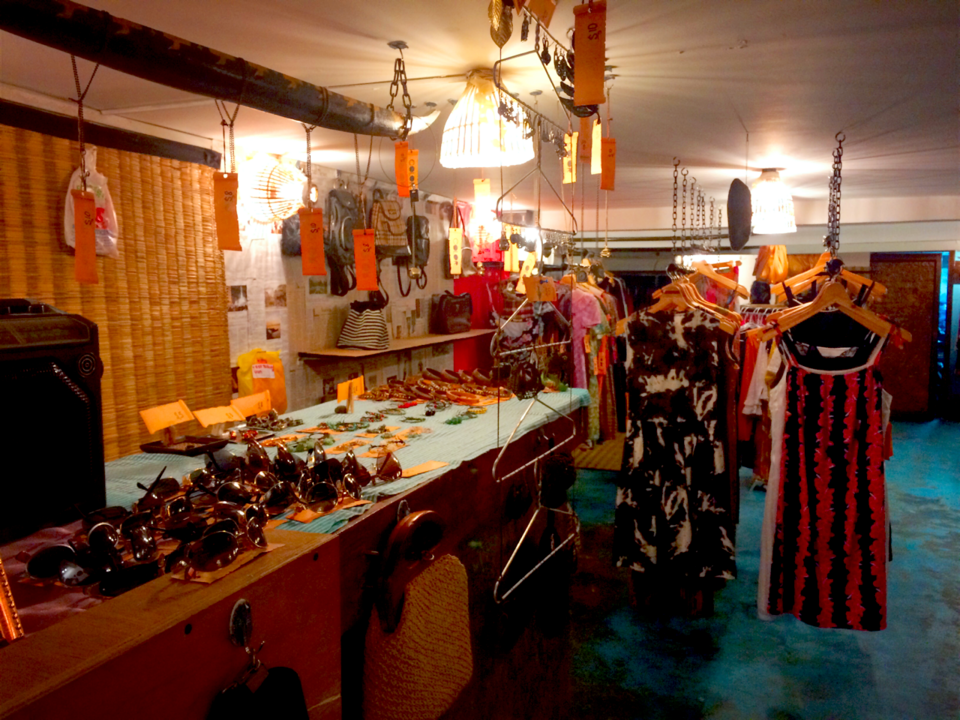
If you expect one-off, deadstock band tees from the 1990s or graded secondhand Levi’s, you should lean toward the specialist vintage wholesalers. If you expect repeatable, logo-ready hoodies and tees with a vintage wash, general B2B marketplaces become more relevant.
How Key Platform Types Work for Vintage Stock and Cross-Border Selling
Here’s a practical look at how different platform types typically operate when you’re sourcing for EU/NA customers.
Platform types in play
We can group the main options into four types:
- Specialist vintage wholesalers (e.g., Ora Industries, other US/EU vintage warehouses)
- Wholesale directories and niche B2B sites (e.g., sites curated by Vintagesupplier.com)
- General B2B marketplaces (DHgate, Alibaba, AliExpress for apparel)
- Consumer marketplaces used for sourcing or testing (eBay, Etsy, local classifieds like Marktplaats in the Netherlands)
How they typically work for vintage-related stock
Below is a compact comparison focused on how each type serves vintage or vintage-style inventory. It’s based on observable positioning and listings, not platform guarantees.
| Platform type | Typical stock type | Relationship / access | MOQ expectations | Best suited for |
|---|---|---|---|---|
| Specialist vintage wholesalers (e.g., Ora Industries) | True secondhand vintage, branded or era-specific lots | Direct B2B supplier; you apply or register as a reseller | Often by bale, box, or minimum spend; not usually single-piece | Brick-and-mortar vintage shops, curated online vintage stores |
| Vintage wholesale directories / niche sites (e.g., sites in Vintagesupplier guide) | Networks of vintage-focused suppliers, often branded secondhand | Directory/portal that links you to individual wholesalers | Varies by supplier; many expect trade credentials | Resellers wanting multiple vintage sources in US/EU |
| General B2B marketplaces (DHgate, Alibaba, AliExpress) | New, vintage-inspired apparel; generic fashion, basics | Marketplace; many independent manufacturers and traders | Wide range; DHgate’s editorial notes many clothing listings with low or no MOQ | Online brands and boutiques needing repeatable vintage-style lines |
| Consumer marketplaces (eBay, Etsy, Marktplaats) | Mixed: one-off vintage pieces, small lots, some new vintage-style | Consumer-to-consumer and micro-business sellers | Unit-level or small lots; flexible but inconsistent | Testing styles, sourcing rare pieces, topping up unique inventory |
For cross-border selling into Europe and North America from Canada, each type has different operational implications:
- True vintage wholesalers and niche sites often ship from North America or Europe, which can simplify transit times and customs but comes with higher per-unit costs and less control over exact sizes.
- General B2B marketplaces like DHgate usually connect you with suppliers in China. DHgate’s clothing-focused editorial mentions over a million clothing fashions and emphasizes that many listings have low minimum order quantities, which is appealing if you’re building a small brand and testing retro designs in limited runs.
- Consumer marketplaces can be useful for unique pieces or small curated drops, but they are rarely a scalable wholesale route.
DHgate “vintage” listing snapshot (2026-10-13)
To make DHgate’s role more concrete, here’s a snapshot of several clothing listings that use “vintage” in the title, observed on 2026-10-13. Pricing and availability can change, and this is not an endorsement, just a reality check on what “vintage” usually means on DHgate:
- Vintage Long Sleeve Tops Clothing Unisex Graphics Streetwear Oversize Casual T Shirt For Men – categorized under Men’s T-Shirts, priced around USD 38.20-40.00 per unit. A new, oversized streetwear tee with retro-style graphics.
- Vintage Washed Hoodie 100% Cotton Hooded Shirt Streetwear Men Hoodies Y2k Clothes Winter Long Sleeve Top Loose Sweatshirts 240806 – Men’s hoodies & sweatshirts, roughly USD 71.84-79.90. New production hoodie with a washed, vintage effect.
- Goth Punk Style Zip Hoodie – Black Vintage Streetwear Tops for Men & Women – Men’s hoodies & sweatshirts, around USD 25.51-26.72. New zip hoodie positioned as vintage streetwear.
- Vintage Sweatpants Women Clothes Street Hip Hop Fashion Wide Leg Pants Women Casual Loose Joggers Women Trousers 260106 – Women’s pants & capris, around USD 73.32-76.79. New wide-leg joggers with a retro streetwear look.
- 8 vintage gentleman’s clothing accessories: hats, bow ties, pocket watches, pipes and other props – accessories set around USD 6.54-9.79, suitable for costume or role-playing.
If you’d like a broader sense of where DHgate sits alongside other clothing marketplaces, you can also compare it with Alibaba and AliExpress via this platform comparison.
Matching Buyer Profiles to Platforms: When DHgate Makes Sense
Once you know whether you’re chasing true vintage or vintage-inspired styles, you can map platform choices to your business model.
Scenario 1: Small vintage boutique in Canada or Europe
- Goal: Curated racks of one-off pieces: 90s denim, band tees, branded sportswear, occasional designer vintage.
- Best-fit platforms: Specialist vintage wholesalers (like Ora Industries) and the US vintage sites highlighted in Vintagesupplier.com’s guide.
- DHgate’s role: Limited. You might use DHgate for a small layer of new retro hoodies or accessories to complement true vintage racks, but your core stock should come from secondhand-focused wholesalers or local sourcing.
Scenario 2: Online streetwear brand targeting EU/NA with retro aesthetics
- Goal: Repeatable designs with vintage washes, Y2K silhouettes, and consistent size runs, sold via Shopify, marketplaces, or social channels.
- Best-fit platforms: General B2B marketplaces such as DHgate and Alibaba, plus any direct factory relationships you build.
- Why DHgate is relevant: DHgate’s own clothing editorial emphasizes trend variety and notes many listings with low or no minimum order quantities, which is attractive if you’re testing multiple vintage-style hoodies and tees in small runs. The product snapshot shows plenty of vintage-labeled streetwear you can reorder.
- Limitations: If your brand story depends on garments being genuinely from past decades, DHgate won’t give you that. Treat these items as retro-style, and be transparent with customers.
Scenario 3: Hybrid reseller (mix of true vintage and new)
- Goal: Sell both curated vintage pieces and more affordable, vintage-inspired basics to broaden your customer base.
- Best-fit platforms: A combination of specialist vintage wholesalers or directory-listed suppliers for your unique pieces, plus DHgate or similar marketplaces for basics and logo-ready stock.
- Workflow example: Use Vintagesupplier’s directory to identify two or three US vintage warehouses for branded secondhand lots. Build your core offering from those. Then add DHgate-sourced items like washed hoodies and oversized tees as entry-price options, checking each supplier’s catalog for consistent sizing and styles.
How to quickly position yourself
Ask three blunt questions:
- Do I need garments that are actually old? If yes, prioritize specialist vintage wholesalers and local sourcing; DHgate is secondary.
- Do I need repeatable inventory with consistent sizes and prints? If yes, DHgate and other B2B marketplaces become central, especially for vintage-inspired apparel.
- Is my audience paying for story or for look? Story-heavy audiences (deep vintage fans) expect true secondhand and provenance. Look-focused audiences care more about silhouettes and washes, which generalized marketplaces can supply.
If you’re still deciding how DHgate itself operates as a marketplace, it may help to first understand its overall structure via this explainer on what DHgate is and how it works and then compare it with other online marketplaces through this overview of marketplace types. Those broader platform guides, combined with the vintage-specific distinctions here, should give you enough clarity to build a sourcing route that actually matches your business model instead of forcing vintage expectations onto the wrong platform.