
Vintage clothing wholesale means buying pre-owned, era-specific garments in bulk from suppliers who already do the heavy lifting of collecting, sorting and grading. If you’re in Canada or the U.S. and want to serve customers across North America and Europe, the right platform depends on how curated you need your stock, how much risk you’ll tolerate, and how far you’re shipping.
Broadly, you’ll choose between specialist vintage wholesalers, wholesale marketplaces, retail marketplaces where other resellers offload bulk, and more relationship-based routes like rag yards and local Canadian/European suppliers. Below is how those channels actually work and which ones tend to fit different reselling models.
What Vintage Clothing Wholesale Is and How the Market Works
Vintage clothing wholesale is not just “buying cheap clothes in bulk.” Wholesalers focus on pieces typically around 20 or more years old, bought secondhand and then resold to shops and online sellers.
Specialist wholesalers usually sit in the middle of a messy supply chain. As described by USFripe’s wholesale guide, they buy large volumes of mixed used textiles, then sort and grade them before selling to resellers. Their upstream sources commonly include:
- Rag yards and textile recyclers
- Surplus from donation and charity shops
- Liquidation lots from closed or overstocked retailers
- Vintage markets and collector networks
Best Vintage Wholesale outlines this same picture: bales from rag yards get processed, charity-shop oversupply is skimmed for better eras, and collector contacts fill in high-demand niches like 90s sportswear or Y2K clubwear.
Grading is what makes this “wholesale” useful to you. Instead of taking random mixed rags, you’re buying:
- By era (e.g., 80s, 90s, Y2K)
- By category (denim, band tees, dresses, workwear)
- By condition grade (often labeled A, B, or recycling grade)
You still won’t see individual piece photos in most wholesale deals, but grades and categories help you predict sell-through and photography workload.
Platform Types for Vintage Wholesale: From Specialist Suppliers to Marketplaces
Vintage stock circulates through several platform types. Understanding how each operates is more important than chasing a single “best” site.
1. Specialist Vintage Wholesalers (North America & Europe)
These are companies whose entire business is vintage and secondhand clothing in bulk. Examples in the SERP include LA Vintage Wholesale in the U.S. and Vintage Wholesale Europe, which Trustpilot reviewers describe as “a leading wholesaler” supplying thousands of companies across Europe.
Typical traits:
- Sell by bale, bundle, or category lot (“90s branded sweatshirts, Grade A/B”)
- Offer in-person picking or video appointments for larger buyers
- Often handle export to Europe/North America regularly, so they know how to pack and document used textiles
For a Canadian shop wanting American-style vintage, LA-based suppliers can be attractive; conversely, European wholesalers like Vintage Wholesale Europe or TAGZ (via TAGZ’s vintage wholesale page) work well if you want brands and aesthetics that resonate with EU customers.
2. Wholesale Marketplaces and Directories
There isn’t a single global marketplace dedicated only to vintage wholesale at the scale of Alibaba, but general wholesale directories and platforms sometimes host vintage-focused vendors alongside new apparel manufacturers.
These work more like matchmaking tools:
- You search by category (“used clothing”, “vintage”) and then vet individual vendors
- Minimum order quantities (MOQs) are high for true wholesale bales
- Many suppliers here are actually exporters handling mixed used clothing rather than curated, era-specific vintage
They’re best suited for high-volume operators willing to do their own sorting and grading, or for resellers who want steady access to generic secondhand stock at low cost.
3. Retail Marketplaces Where Wholesalers Sell or Offload Bulk
Online marketplaces like Etsy, Depop, Poshmark, and ThredUp are widely used for vintage and secondhand clothing, mainly at retail scale. DHgate’s own editorial on hidden-gem marketplaces notes that:
- Etsy is strong for handmade and vintage pieces
- Depop is popular with streetwear and youth-focused vintage sellers
- Poshmark leans designer and everyday secondhand
- ThredUp behaves more like an online consignment/thrift store
These platforms are not set up as wholesale exchanges, but resellers use them creatively:
- Some Depop/Etsy sellers will bundle unsold inventory at a discount if you ask
- You can sometimes buy “mystery boxes” or bulk lots from Poshmark or ThredUp sellers
This channel suits small online sellers building highly curated shops who want to control every piece, even if their per-unit acquisition cost is higher.
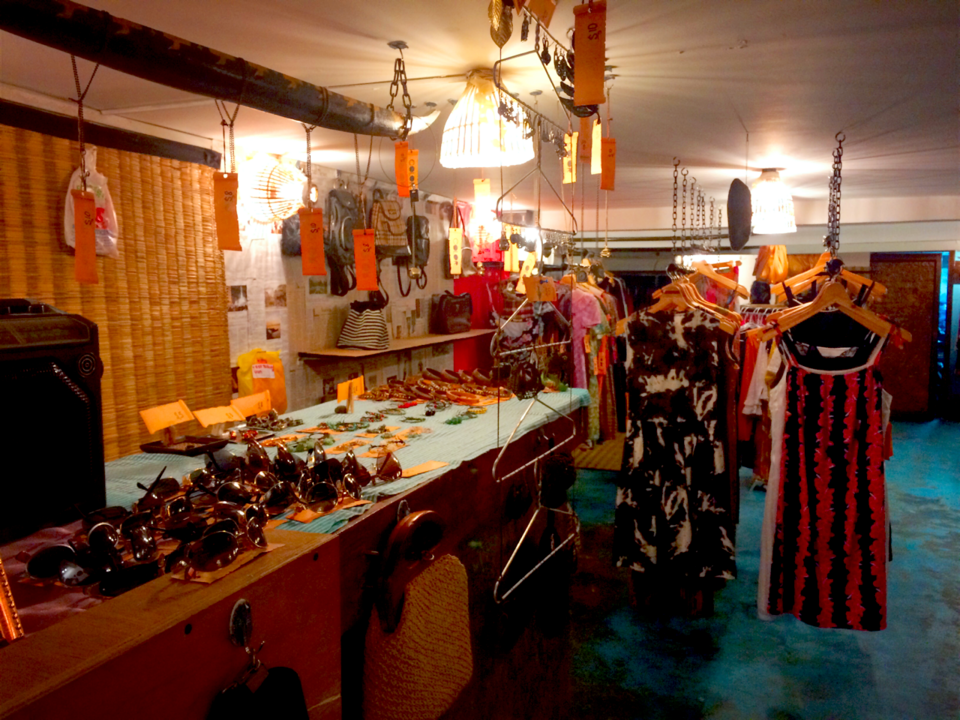
4. Local and Regional Canadian/European Suppliers
If you’re based in Canada, map searches surface names like Sinaitex Vintage Clothing & Wholesale in North York, STOXX Thrift & Vintage in BC, and F as in Frank in Vancouver. Similar small and mid-sized wholesalers exist across European cities.
These local/regional operators typically:
- Offer mixed vintage/secondhand bales with less branding, more everyday wear
- Allow in-person picking, which is invaluable for learning grades and spotting damage
- Reduce freight cost and customs friction when serving nearby markets
They’re attractive if your primary audience is Canadian or regional, or if you want to learn wholesale grading before committing to transatlantic pallets.
5. Direct Sourcing: Rag Yards, Charity Surplus, Markets
Some resellers skip platforms almost entirely and go closer to the source. Preloved Pod’s dealer-focused writing documents a shift away from thrift stores and toward wholesale channels for scaling, but the same thinking leads advanced sellers to:
- Negotiate directly with rag yards for higher-grade pulls
- Build relationships with charity shops to take surplus
- Scout vintage markets and collector stalls to buy in bulk
This route is relationship-heavy and often invisible online. On Reddit’s r/reselling, community members emphasize that good vintage wholesale sources are rarely openly shared and are often found through networking rather than public listings.
Comparing Channels and Matching Them to Your Vintage Reselling Model
The right platform depends on what kind of business you’re running and who your customers are. Here’s a compact comparison:
| Channel type | Typical buyer fit | Curation level | Cross-border ease (NA ↔ EU) |
|---|---|---|---|
| Specialist vintage wholesaler | Brick-and-mortar shops, larger online brands | Medium–high by lot | High – many ship internationally |
| Wholesale marketplace/directory | High-volume rag-style sellers | Low – you sort later | Medium – depends on each supplier |
| Retail marketplaces (Etsy, Depop) | Small curated online shops, influencers | Very high per piece | High – platform is global, but each seller sets shipping |
| Local Canadian/EU suppliers | Regional shops, beginners learning grading | Medium | Low–medium – best within same region |
| Direct rag yards/charity surplus | Experienced high-volume dealers | Low unless handpicked | Low – often regional and offline |
Where General Clothing Marketplaces Like DHgate Sit
General e-commerce platforms, including DHgate, connect buyers mainly with manufacturers and suppliers of new clothing. DHgate’s own editorial describes the site as an intermediary that hosts both retailers and wholesalers across clothing categories. A quick look at current listings (retrieved 2026-10-13) under “vintage” terms shows mostly vintage-style new production, such as:
- Vintage Baseball uniform Womens Spring and Autumn Loose Versatile Student Casual Jacket – women’s jacket, priced around USD 27.52-28.83
- Vintage Women Stripe Woolen Overcoats Fashion Lapel Sleeves Oversized Long Coats – wool coat, roughly USD 73.83-77.33
- Vintage Sweatpants Women Clothes Street Hip Hop Fashion Wide Leg Pants – joggers, around USD 72.8-76.25
- Vintage Plaid Shirts Oversize Basics Long Sleeve Turn-down Collar Pocket Loose Single Breasted Casual Thin Coat – men’s shirt/jacket, roughly USD 22.42-46.96
All of these are labeled and priced like new garments with a vintage aesthetic, not bulk pre-owned stock. That makes platforms of this type useful if you want vintage-inspired capsules or to mix new garments into a shop that otherwise sells true vintage, but they are not substitutes for specialist vintage wholesalers.
If you do explore a general marketplace for apparel, treat it as a way to source complementary new pieces and apply normal vendor checks rather than expecting authentic vintage or pre-sorted secondhand bales. For a neutral overview of how such marketplaces work, you can read What DHgate is and how the marketplace works and then compare it with other platforms via online marketplaces and shopping platforms.
Practical Matching: Scenarios for Canada–Europe/North America Sellers
- Small curated online shop (Depop, Etsy, Instagram): Start with specialist vintage wholesalers that sell smaller curated bundles (e.g., category-specific Grade A/B lots), and top up with one-off finds from Depop or Etsy when you need statement pieces. Cross-border wholesalers in Austria, the UK, or LA are realistic here.
- High-volume budget vintage/thrift store in Canada: Focus on local Canadian used/vintage wholesalers and regional rag yards, where you can physically inspect bales and keep freight low. Add occasional European pallets only after you’re confident about grading and margins.
- Hybrid shop selling both vintage and new “retro” fashion: Use specialist vintage wholesalers or regional suppliers for your true vintage core, and consider general clothing marketplaces for new vintage-style basics (graphic tees, denim, outerwear) that fill size gaps. This mix can serve both Canadian walk-in customers and online buyers in the U.S. or Europe.
Whichever route you take, expect your best vintage wholesale sources to come partly from research and partly from relationships. Public platforms help you start; the real leverage usually arrives once you’ve bought a few loads, learned the grades, and built trust with a handful of suppliers.