
DHgate can work for sourcing digital parts and components if you treat it as a marketplace of individual suppliers, not a single vetted distributor. It’s most useful for low‑minimum‑order, price‑sensitive needs like test runs, non‑critical connectors, custom enclosures, and basic PCB or machining work. For mission‑critical semiconductors and anything safety‑regulated, DHgate should sit behind specialist channels like Digi‑Key or other established distributors.
DHgate is a China‑focused B2B/B2C marketplace that connects global buyers directly to manufacturers and wholesalers, including electronics suppliers. Independent coverage from China‑Electronics.com highlights that this direct access is a core appeal for electronic components. At the same time, sourcing experts at MapleSourcing warn that the platform is legitimate but risk varies by seller, and DHgate is generally better suited to small quantities, in‑stock items, and test orders than to high‑stakes bulk purchasing.
Where DHgate Fits in Digital Part and Component Sourcing
Before you decide whether DHgate is your parts hub, it helps to understand the main platform types you’re choosing between:
- Electronics distributors (e.g., Digi‑Key, Mouser, Newark) focus on components. They maintain inventories, datasheets, and traceable supply chains. They’re built for engineers and production runs.
- Retail marketplaces (e.g., Amazon, eBay) mix genuine stock with third‑party sellers. Good for convenience and small buys, less structured for engineering‑grade sourcing.
- Wholesale platforms (e.g., Alibaba) connect you to factories and trading companies for larger, often negotiated orders.
- Cross‑border B2B/B2C marketplaces (where DHgate sits) blend retail‑style checkout with factory access.
DHgate’s role in this mix is clear from multiple sources: it’s a large China‑based marketplace with tens of millions of products across categories, including electronics, and direct supplier contact is part of the model. Editorial descriptions on dhgate.com emphasize its breadth of categories and wholesale focus, while China‑Electronics.com focuses on its electronics relevance.
For a US buyer or small ecommerce brand, the practical positioning looks like this:
- Use distributors for high‑reliability ICs, RF parts, power components, and anything that has to match a datasheet exactly.
- Use DHgate and similar marketplaces when you want inexpensive samples, custom mechanical or enclosure work, or generic connectors, and you’re willing to vet each seller yourself.
- Use Alibaba‑style wholesale when you’ve already locked in a factory partner and are negotiating larger orders.
If you need a broader comparison of platform types, you can step back and read this overview of online marketplaces and shopping platforms as background, then come back here for DHgate‑specific mechanics.
What You Can Actually Source on DHgate: Components and Custom Parts
DHgate’s electronics and hardware listings are broad, but you shouldn’t assume everything you’d buy from a distributor is available with the same assurance. A quick snapshot of current listings illustrates the mix.
DHgate listing snapshot (2026-10-13)
Listings and prices change constantly, but these examples show the kinds of parts and services you can find:
| Example listing (linked) | Category on DHgate | What it offers | Price range (USD) |
|---|---|---|---|
| Customized design of finished circuit boards | Other Electronic Components | Custom finished PCBs with an emphasis on stability and board‑level customization based on your design. | 15.08-15.47 |
| Custom Made Semiconductor Components | Machining | A manufacturer (xcsemiconductor) advertising custom‑made semiconductor components at wholesale‑style pricing. | 1005.03 (single listed tier) |
| Mini Quick Wire Connector terminal block | Connectors, Plugs & Sockets | Compact push‑in electrical wiring connectors; useful for general wiring and low‑risk assemblies. | 11.05-20.60 |
| Customized stainless steel machinery parts | Other fasteners and connectors | Precision‑machined mechanical parts used as fasteners or hardware in equipment. | 0.81-1.09 |
| High precision custom machined parts | Other Machining & Fabrication Service | Non‑standard mechanical components manufactured against your drawings, aimed at OEM‑style customization. | 1478.40 (single listed tier) |
These examples show three practical sourcing lanes on DHgate:
- Board‑level and simple electronics – Custom PCBs or repair accessories.
- The PCB listing above suggests you can submit designs and get finished boards manufactured.
- A separate listing for a silicone motherboard repair mat is more of a workshop tool than a component, but still relevant to electronics work.
- Basic electrical connectivity – Terminals, wire connectors, simple hardware.
- The mini quick wire connector block is the kind of generic electrical part that many small builders source cheaply for internal wiring or kits.
- Custom mechanical and enclosure work – CNC machining, non‑standard hardware, stainless steel parts.
- Multiple listings for custom machined components, including stainless steel machinery parts and OEM non‑standard pieces, show DHgate can be a route to bespoke brackets, heatsink frames, cases, and other mechanical support parts that sit around your electronics.
You can also find larger assemblies and power equipment like a low voltage distribution cabinet, and even customized substations, but those are far beyond what most small US ecommerce businesses should attempt to source without local engineering oversight.
The common pattern: DHgate is strong where your need is custom physical hardware or relatively simple, generic electrical parts and you’re ready to define the spec yourself and verify what you receive.
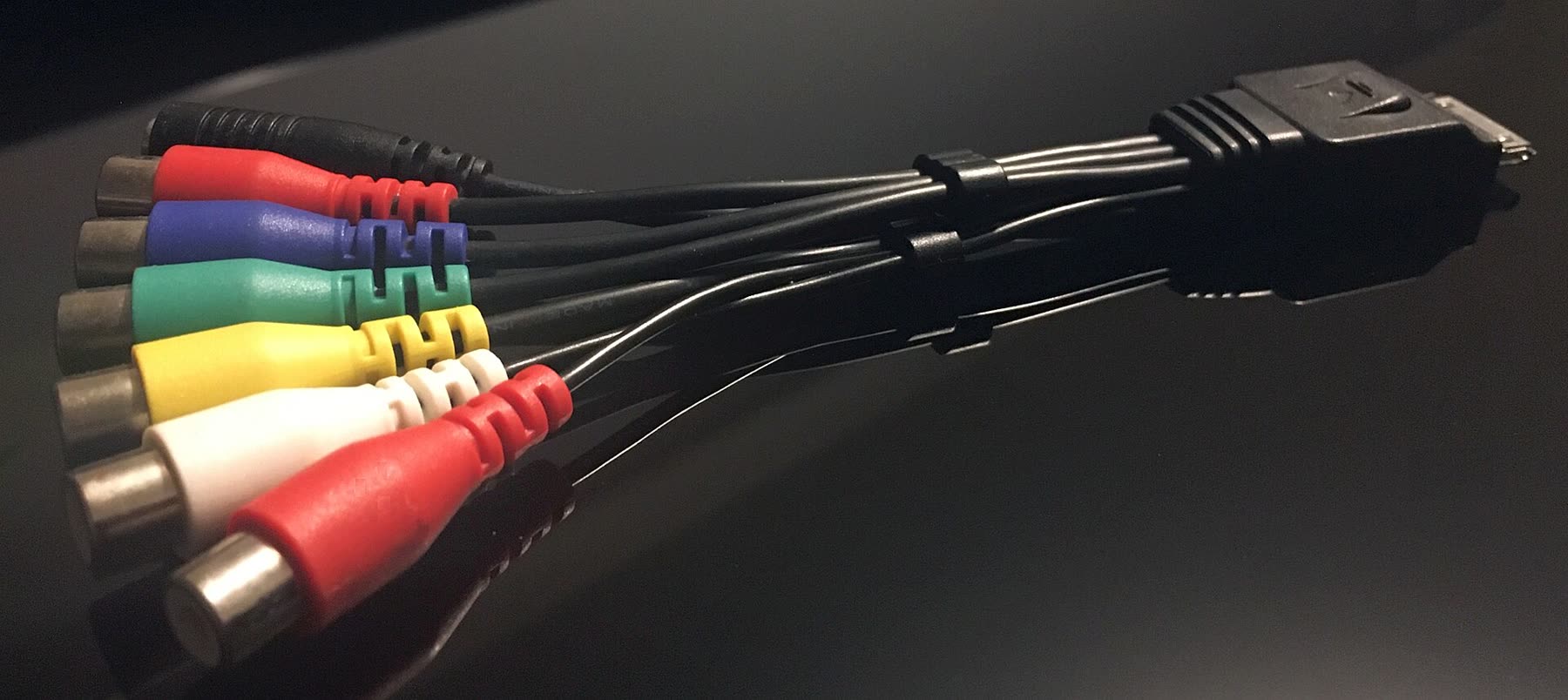
Query-time DHgate listing example
Observed on 2026-10-13, Precision hardware components, industrial machinery custom processing parts, equipment maintenance hardware components appeared in Other fasteners and connectors. This is a time-bound, illustrative listing example, not an endorsement; availability and listing details may change. Verify the specifications, seller evidence, applicable compliance, and any intellectual-property or commercial-use rights required for the intended use. A sample can test the physical product, but it cannot establish legal permission or licensing.
Using DHgate Safely for Component Sourcing—and Knowing When to Pick Another Route
It recommends careful vetting and starting small before scaling orders. MapleSourcing’s assessment of DHgate as legit but seller‑dependent aligns with that view. Below is a practical way to put that into action for digital parts and components.
1. Decide what belongs on DHgate—and what doesn’t
Good candidates for DHgate:
- Non‑critical mechanical parts around your electronics (mounting brackets, custom frames, housings). The machining listings above (e.g., high precision custom parts against drawings) are in this lane.
- Generic connectors and wiring hardware where you can visually and functionally inspect parts on arrival (e.g., the mini quick wire connector terminal block).
- Custom PCBs for prototypes or low‑risk internal projects, where you’re prepared to electrically test boards before deploying.
Poor candidates for DHgate:
- Safety‑critical or regulated components (medical devices, automotive safety systems, mains‑voltage control gear for public installations).
- High‑performance semiconductors or RF components where counterfeits and out‑of‑spec parts can be subtle but catastrophic.
- Any part where your customer contract demands documented traceability from authorized distributors.
In those cases, routing your spend to established distributors or vetted industrial suppliers is safer, even if unit prices are higher.
2. Treat each DHgate seller as a separate risk decision
Because DHgate is a marketplace, you’re not “buying from DHgate”; you’re buying from specific sellers like dxcircuitboard, xcsemiconductor, or yhkyjx listed in the examples. For each seller:
- Check how focused they are on a given category. A shop with many PCB‑related listings and technical descriptions is usually a better bet for board work than a general store.
- Look for review patterns (if available) on similar products; absence of reviews is not fatal, but it should push you toward smaller test orders.
- Use the DHgate messaging tools to ask detailed questions: supported materials, tolerance, test procedures, whether they can share previous drawings or photos (with sensitive info removed).
MapleSourcing explicitly flags DHgate as suitable for small quantities and test orders. That’s a useful rule of thumb: assume your first buy is a paid audition.
3. Build a verification step into your sourcing plan
For any digital part or component you source through DHgate:
- Sample before committing. Order the minimum batch that lets you test mechanically and electrically. If you’re buying connectors, build and stress a small harness. If it’s PCBs, do a full functional test.
- Compare to a known‑good part from a distributor, where possible, especially for connectors and basic hardware. Look for plating differences, fit tolerances, insertion force changes.
- Document issues with photos and measurements so you can decide whether to continue with that seller or move on.
This is especially important for semiconductors: the custom semiconductor listing above shows how attractive DHgate can look on price, but without a strong test capability and traceability requirement, you’re taking on a lot of risk compared with buying brand‑label parts through an authorized channel.
4. Match platforms to your business scenarios
For a US buyer or small ecommerce business, a pragmatic split often looks like:
- Prototype and niche mechanical work – Use DHgate for CNC machined housings and non‑standard hardware, with tight vetting and testing.
- Generic wiring accessories for kits – Consider DHgate for low‑cost connector blocks and simple terminals, backed by your own quality checks.
- Production electronics and branded chips – Stay with Digi‑Key‑style distributors or manufacturer‑approved channels.
- Full factory relationships and bulk orders – Use Alibaba or direct OEM channels once you’re ready for negotiated contracts and stricter factory audits.
For additional DHgate platform context, use What DHgate is and how the marketplace works.
If you’re still weighing DHgate against other China‑centric marketplaces for broader sourcing, the comparison in DHgate vs AliExpress, Alibaba and Temu can help set expectations at the platform level.