
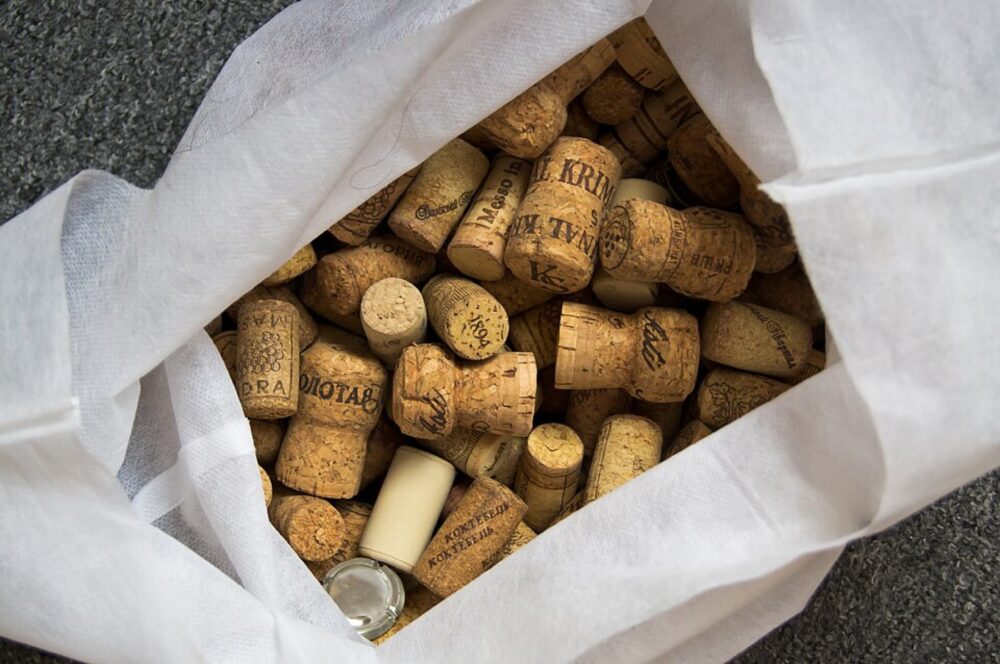
You can absolutely buy eco‑friendly or recycled corks in bulk, but you need to be precise about what you’re using them for. Many “recycled cork” bags are real, used wine corks sold for crafts and decorations, and explicitly marked not suitable for bottling. If you’re sealing wine, you’ll be looking instead at natural or technical (agglomerated) corks from packaging suppliers, some with sustainability credentials. For craft or decor, those mixed recycled bags and assorted stoppers can be a great low‑impact option.
For a small US winery, craft beverage brand, or ecommerce shop, the key decision is matching cork type, eco profile, and supplier to the job: long‑term wine storage, short‑term closure, or purely decorative use.
Understanding Bulk Wine Cork Types and Eco‑Friendly Options
Bulk suppliers and marketplaces group corks into a few broad types:
Natural corks Solid pieces cut from cork bark. These are the classic wine corks you know from premium bottles. They’re made from a renewable material, and many cork producers emphasize forest stewardship in their marketing, but you generally buy true bottling‑grade natural cork from specialized packaging companies or cork manufacturers rather than craft channels.
Agglomerated (technical) corks Agglomerated corks are manufactured from uniform cork shavings and unused portions of cork, bonded with food‑grade glue into a dense, well‑made closure. A homebrew supplier like Southern Homebrew sells these in 30‑count bags and larger counts, describing them as first‑quality chamfered corks printed with decorative grape leaf patterns. Other suppliers offer similar agglomerated corks in bags of 100 or 1000 pieces, which fits the needs of small wineries or kit manufacturers.
From an eco perspective, agglomerated corks can be appealing because they use cork by‑products efficiently, though the adhesive and processing are part of the footprint.
Synthetic corks Made from plastics or elastomeric materials, often with very consistent performance and lower risk of cork taint. They’re not “natural,” but some brands now use recyclable or bio‑based polymers. If your sustainability angle is more about consistency, minimizing spoilage, or recyclability in certain municipal systems, synthetics can be viable.
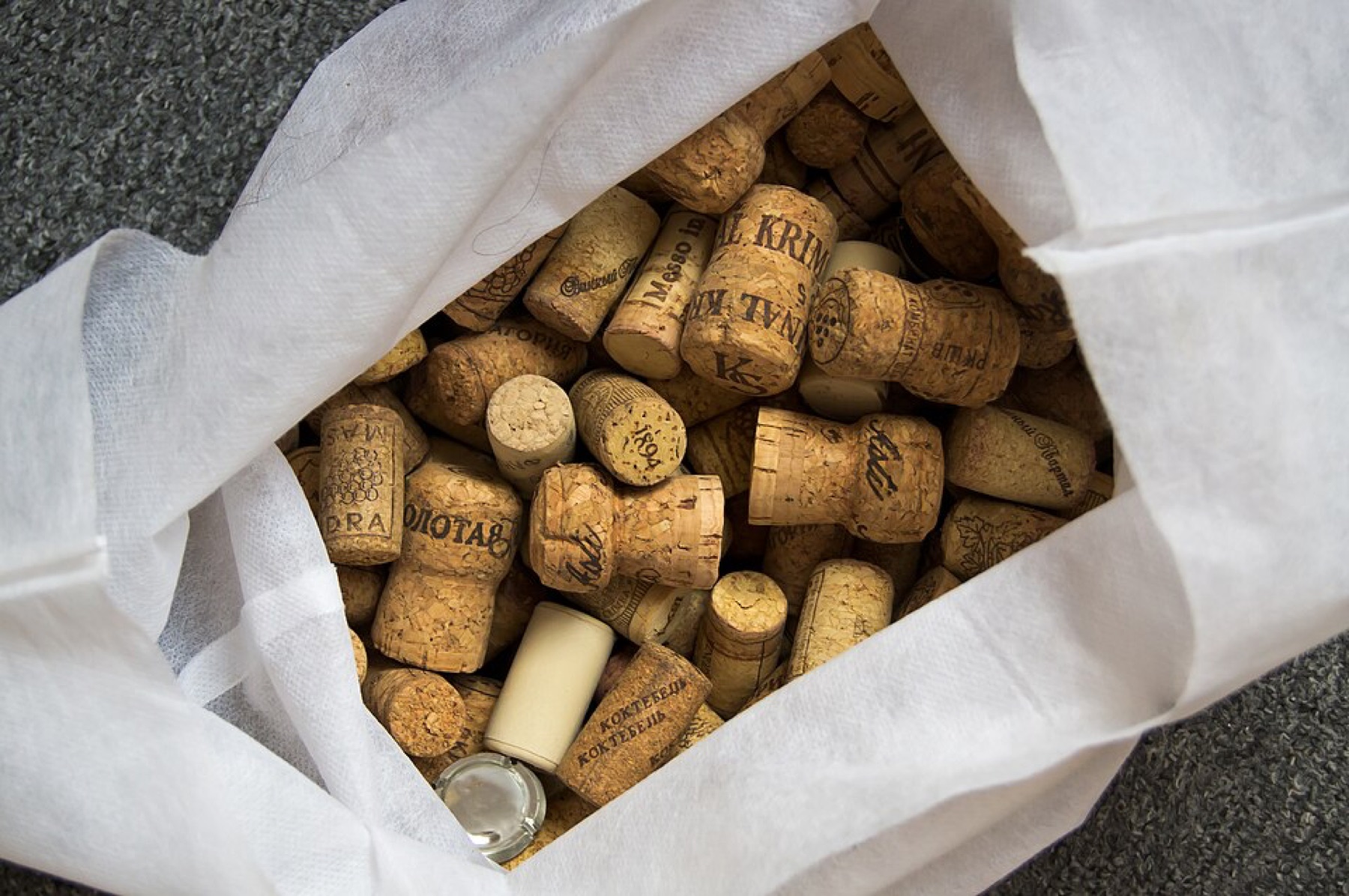
Recycled / used corks (mostly for crafts) On US craft marketplaces, you’ll see bulk bags marketed as “premium recycled corks” or “assorted real wine corks.” For instance, an Amazon listing for 50 premium recycled corks explicitly sells real used corks and factory seconds and states they’re not intended for bottling wine. Etsy sellers offer lots ranging from 25 corks up to over 200 pieces, marketed for art projects, bulletin boards, or decor.
These are eco‑friendly in the sense that they extend the life of a material that would otherwise be waste. For crafts and ecommerce bundles (shadow boxes, handmade home decor, wedding favors), they’re an easy win. For wine bottling, they’re generally off the table.
Related bulk supplies Once you’re buying corks, you’ll often buy:
- T‑corks (natural or synthetic cork with a wood or plastic top) for spirits and fortified wines.
- Cork bungs for carboys and barrels.
- Foil capsules and shrink seals.
- Corker machines and small bottling tools.
US packaging distributors such as Berlin Packaging and WidgetCo position a range of corks, stoppers, and T‑corks specifically for wine, liquor, and other bottles, usually with bulk pricing tiers.
Eco‑friendly angles to consider
For a small producer, “eco‑friendly corks” might mean:
- Using natural or agglomerated cork from sustainably managed forests.
- Choosing technical corks that minimize material waste.
- Using recycled/used corks for non‑food crafts and packaging inserts.
- Selecting synthetic closures only where they fit your recycling and shelf‑life goals.
Be clear on whether your sustainability claim sits on material origin, waste reduction, product longevity, or a combination. Your sourcing choice—and marketing story—will follow from that.
Choosing and Vetting Bulk Cork Suppliers for Small Orders
Once you know what type of cork you need, the harder part is choosing suppliers who can back up their quality and sustainability claims for orders in the 50-1000+ piece range.
Focus on technical fit first
For bottling:
- Confirm the cork size and type for your bottles (#8 vs. #9, straight vs. T‑cork). Homebrew and packaging sites spell these out; Southern Homebrew’s agglomerated corks, for example, specify #8 x 1.75″ dimensions and chamfered ends.
- Ask whether the corks are suitable for your intended storage time (e.g., 1-2 years vs. 5+ years) and whether they’re recommended for still wine, sparkling, or spirits.
For crafts/ecommerce kits:
- Check whether the corks are real cork or synthetic and whether there’s branding or printing visible. Used cork lots often feature mixed imprints from different wineries, which can be part of the charm.
- Confirm whether bags are factory seconds, used corks, or new blanks—this affects consistency, price, and your ability to claim “recycled.”
Micro‑checklist for supplier vetting
For small buyers, you rarely get to send samples off to a lab, but you can still tighten your process:
- Product positioning: Does the listing or catalog clearly say “for bottling wine” vs. “for crafts only”? Recycled bags like the Amazon 50‑count pack explicitly disallow bottling; take those warnings seriously.
- Construction detail: Agglomerated corks should be described in at least basic terms (shavings, food‑grade glue, chamfering). Vague “cork stopper” descriptions are a sign to ask more questions.
- Pack sizes and tiers: Look for realistic bulk sizing—30, 50, 100, 1000 pieces—from suppliers used by home winemakers or small wineries, rather than novelty packs with one or two stoppers.
- Aesthetic customization: If you want branded or decorative printing, ask how it’s done and what minimums apply. Southern Homebrew’s grape‑leaf prints show that decorative printing is feasible at bulk scale, but fully custom logos usually require larger runs through packaging specialists.
- Sustainability claims: If a supplier markets corks as “eco‑friendly,” request specifics: recycled content, certification schemes, or sourcing statements. For crafts, that might mean confirming that a bulk lot is genuinely used corks rather than new cork made to look aged.
Practical communication steps
When you reach out to a supplier—whether a US distributor or a cross‑border seller—come with a short spec:
- Bottle type and neck size.
- Closure type (natural vs. agglomerated vs. synthetic; straight vs. T‑cork).
- Intended shelf life and storage conditions.
- Desired eco angle (recycled, natural, specific certifications).
- Target order quantity (e.g., 100 test corks now, 1000 later).
Ask for data sheets or at least manufacturer descriptions for bottling‑grade corks, and clear statements of intended use for recycled or used cork bags. For sellers on marketplaces, push for actual product photos (not just renders) and confirmation on whether corks are new, used, or mixed.
Comparing Sourcing Channels for Eco‑Friendly Corks
You can get bulk wine corks—and eco‑friendly variants—through three main routes: US packaging distributors, craft/retail marketplaces, and cross‑border platforms. Each fits a different use case.
Quick channel comparison
| Channel type | Pack size, best use, and eco/recycled angle |
|---|---|
| US packaging distributors (e.g., Berlin Packaging, WidgetCo) | Typically 100-1,000+ bottling-grade corks and T-corks; best for small wineries and craft beverage brands needing dependable closures. Natural and agglomerated cork may carry sustainability messaging, but is usually new material. |
| Craft/retail marketplaces (Amazon, Etsy) | Typically 25-200+ assorted used corks or small new-cork bags; best for crafts, decor, and ecommerce gift sets. Reused corks and factory seconds are common and are often explicitly unsuitable for bottling wine. |
| Cross-border marketplaces | Typically about 50-100+ generic wine-cork stoppers and assorted plugs; best for experiments or low-stakes projects where buyers can do extra verification. Claims such as natural or reusable often do not clarify recycled content or bottling suitability. |
US distributors: best fit for serious bottling
If you’re sealing commercial or serious hobby wine, US‑based packaging and homebrew suppliers are usually the least risky option. Companies like Berlin Packaging and WidgetCo organize corks and stoppers specifically by use (wine, liquor, jars) and offer bulk pricing tiers.
You’ll see:
- Natural corks, technical/agglomerated corks, and synthetic options.
- T‑corks for spirits, often combining natural or synthetic cork with wood or plastic tops.
- Clear sizing and product families tied to bottle types.
Eco‑friendly here generally means renewable cork material and optimized use of cork by‑products (agglomerated cork); you won’t usually find bags of mixed recycled corks for bottling, because used closures are too inconsistent and risky.
Craft marketplaces: eco‑friendly for crafts, not wine
Platforms like Amazon and Etsy are your go‑to for eco‑minded crafts and decor using real cork.
Examples:
- The Amazon 50‑count “premium recycled corks” pack uses real used and factory‑second corks and is marketed for crafts, with a clear statement that it’s not intended for bottling wine.
- Etsy sellers list assortments of 25 to 200+ real wine corks from various brands, often mixing raw bark pieces and ground/textured cork, targeted at bulletin boards, art pieces, and wedding decor.
If your business is selling cork‑based home decor, gift packs with jars of corks, or upcycled art, this is a straightforward eco‑friendly route. Just don’t cross the line into using these recycled bags as functional wine closures.
DHgate and cross‑border sourcing: snapshots and cautions
On 2026-10-12, DHgate’s bar‑tools category included several bulk cork listings such as:
- 50-100 Pcs Wine Corks Stopper Natural Reusable Functional Portable Wine Cork Straight Stopper for Bottling of Wines or Crafting — described as natural, reusable straight corks, offered in packs of 50 or 100 pieces, with no visible reviews.
- Blank Wine Corks Straight Corks Wine Stoppers Reusable Functional Portable Sealing Wine Bottle Stopper for Bottle (50 pcs / 100 pcs) — blank straight corks for bottle sealing, again in 50-100 piece packs, also showing no reviews.
- 100pcs Wine Corks Bungs Beer DIY Wine Bottle Sealing Stopper Bungs Plug 0.8×1.6 Home Brewing Wine Bottle Cork Bungs Supplies — bulk bungs for beer and home brewing, 100‑piece packs with pricing between roughly $31-35 at snapshot time, and no ratings.
Prices and availability can change, and none of these listings, by themselves, confirm performance or sustainability. They’re useful as examples of how cross‑border packs are structured: mid‑size quantities (50-100+), generic product titles, and sparse reviews.
If you explore DHgate for bulk corks:
- Treat every listing as a starting point, not a spec sheet. Message sellers for construction details (natural vs. agglomerated, adhesive type), intended use (bottling vs. crafts), and whether corks are new or recycled.
- Start with small test orders and use them in low‑risk contexts (short‑term closures, crafts) before committing anything destined for long‑term wine storage.
- For deeper DHgate‑specific vetting tips—seller history, communication patterns, and order‑test strategies—you can read DHgateWiki’s guides on finding wholesale suppliers on DHgate, finding DHgate suppliers, and choosing a DHgate wholesale supplier.
Matching your use case to a sourcing route
- Small winery or craft beverage brand: Prioritize US packaging distributors or specialist cork manufacturers for bottling‑grade natural or agglomerated corks, with eco messaging built on renewable material and technical cork efficiency.
- Ecommerce craft or decor seller: Use Amazon/Etsy recycled cork bags and assorted lots for a strong reuse story, and buy occasional new corks or stoppers from packaging sites if you need a cleaner, unprinted look.
- Experimenting with cross‑border sourcing: Consider DHgate listings for generic cork stoppers only after you’ve validated specs and quality, and use them first where failure doesn’t risk your product.
Approached this way, eco‑friendly or recycled corks can support both your sustainability goals and your product performance—you’re not forced to choose one at the expense of the other.