
For most industrial automation projects in Canada and the US, you’ll get the best results by pairing established hydraulic brands through local/regional distributors for safety‑critical directional control valves, and using vetted cross‑border manufacturers or marketplaces only for non‑critical components, spares, or custom‑machined parts. That mix keeps your system reliability anchored in proven hydraulic hardware while still letting you chase cost and flexibility where the risk is lower.
If you’re running a production line, mobile equipment fleet, or selling hydraulic assemblies, directional control valves are not generic plumbing hardware. They’re engineered fluid power components that determine which actuator ports get pressurized fluid, controlling cylinder extension/retraction and motor start/stop in your machines. Getting the sourcing side right is as important as sizing the pump.
Hydraulic Directional Control Valves in Industrial Automation: What You’re Actually Buying
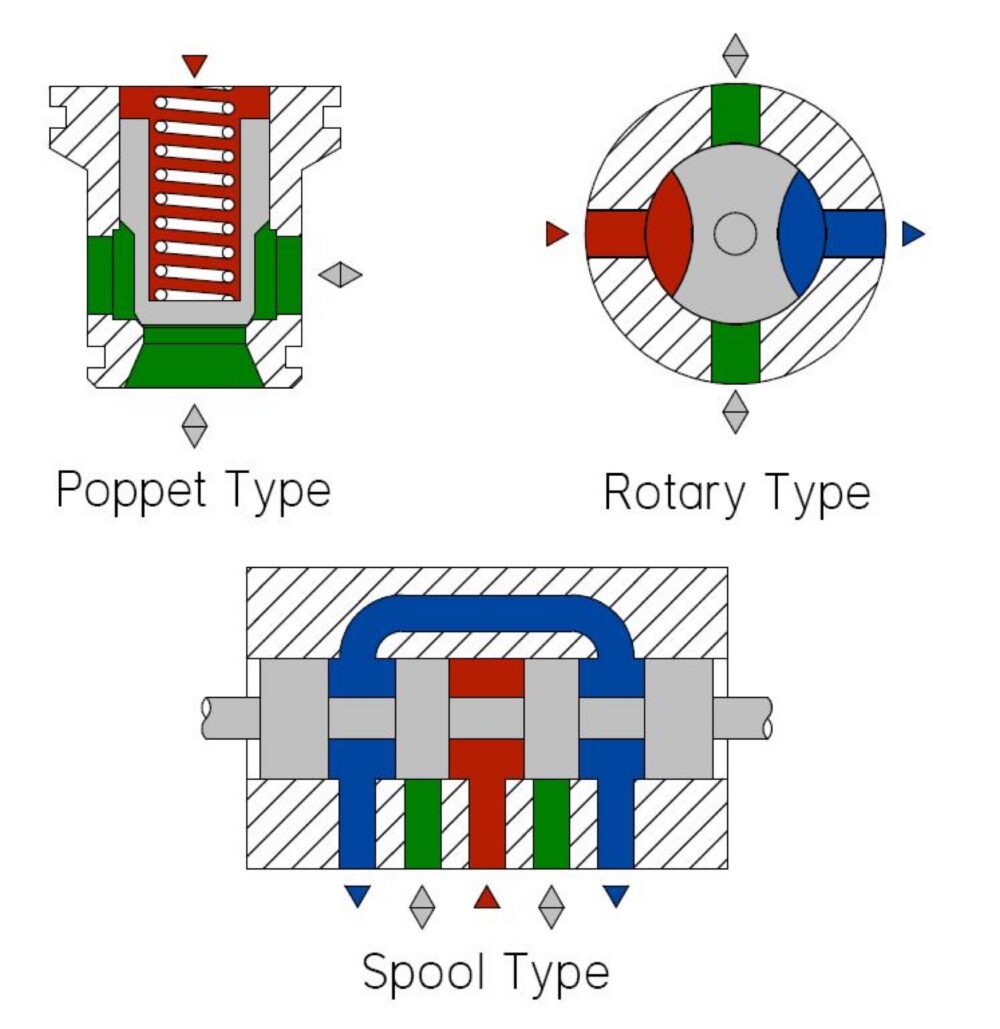
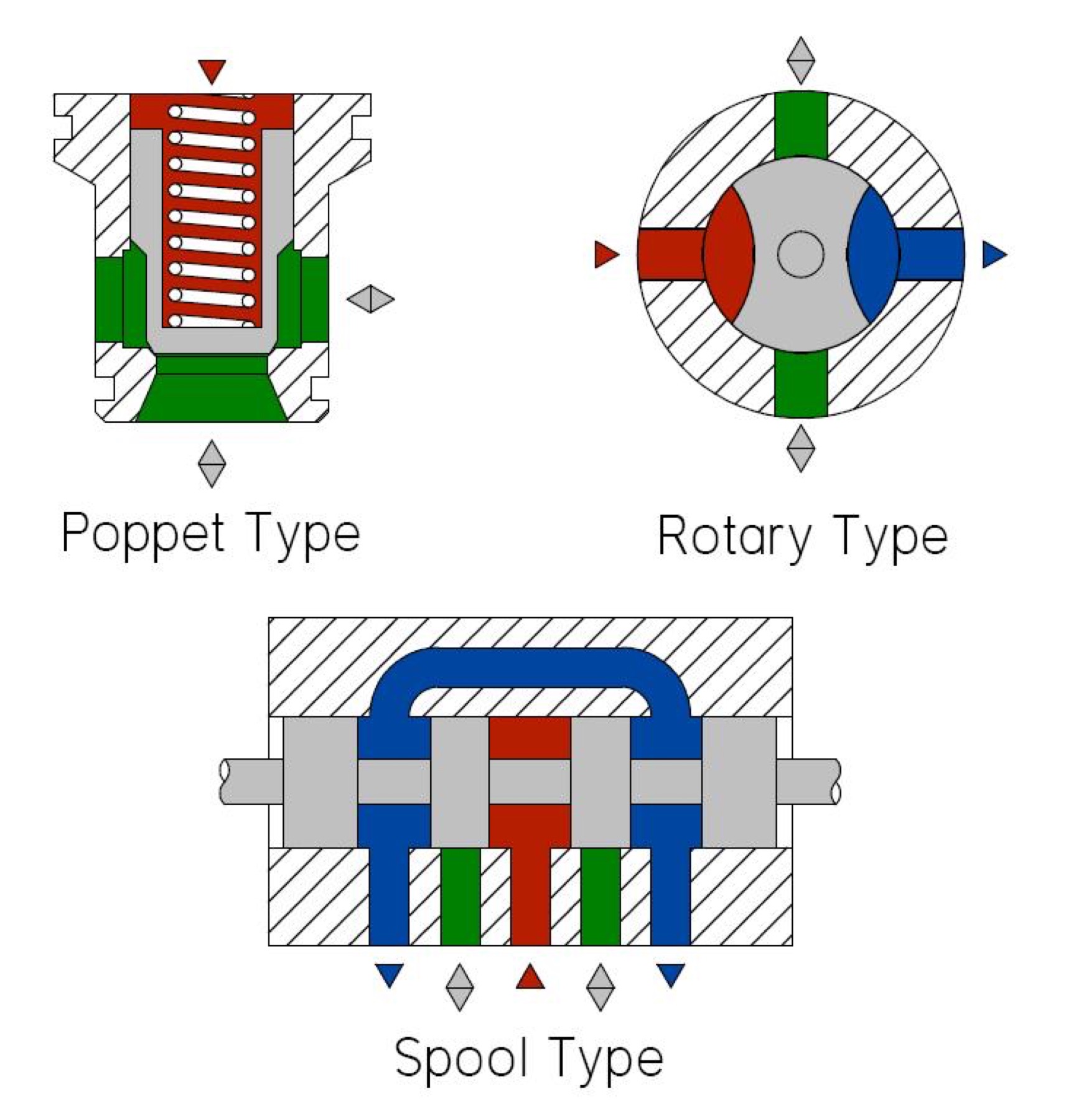
Hydraulic valves as a category divide broadly into directional, pressure, and flow control devices. Directional control valves are the ones that route fluid between ports — deciding where the pump’s output goes in the circuit and in what sequence. As explained in resources like FlowMachinery’s overview of hydraulic valve types, these valves sit at the heart of most hydraulic systems, coordinating motion rather than just throttling flow.
Directional control valves typically:
- Connect the pump, tank, and one or more actuators (cylinders or motors).
- Shift internal spools to open and close different flow paths.
- Enable functions such as extend/retract on cylinders or forward/reverse on hydraulic motors.
A technical explainer by HydParts describes how these valves decide which actuator ports receive pressurized fluid at a given moment, which is how you achieve controlled movement rather than uncontrolled pressure dumping. They can be operated manually (lever), mechanically, hydraulically, or electrically (solenoid‑actuated) depending on your automation level and safety requirements.
In industrial automation and heavy equipment, you’ll often be buying:
- Sectional directional valve banks mounted on a manifold, each section controlling a function.
- Monoblock valves for compact single‑function circuits.
- Solenoid‑operated directional valves in stackable, ISO‑pattern bodies for integration with PLCs.
These parts are designed for high pressure and continuous duty. They face non‑trivial design and manufacturing challenges: the Hydraulik article on multi‑section valves highlights issues like sealing under high pressure, tight machining tolerances for the spool and bore, and maintaining reliable actuation across all sections under vibration and temperature swings.
For buyers, that means you’re not just buying a lump of iron with holes in it — you’re buying precision‑machined, safety‑critical hardware where brand competence and manufacturing control matter.
Choosing Brands and Suppliers for Directional Control Valves
The supply chain for hydraulic directional control valves into Canada/US falls into a few practical buckets:
- Global hydraulic OEM brands and their authorized distributors.
- Regional fluid power houses and integrators.
- Cross‑border manufacturers (often Chinese) selling direct or via marketplaces.
- Machining and fabrication shops that produce manifolds, valve plates, or custom hardware.
From a sourcing perspective, the decision is less “which single best brand?” and more “which supplier type fits this valve’s role in my system?”
1. High‑pressure, multi‑section valves for core machine functions
These are the valves that, if they fail, stop your machine or create real safety risk. Given the complexity around sealing, spool machining accuracy, and reliable actuation highlighted in the Hydraulik analysis of high‑pressure multi‑section valves, industrial buyers typically lean on:
- Brand‑name hydraulic manufacturers with track records in your industry (mobile hydraulics, industrial presses, mining, etc.).
- Authorized distributors in Canada/US who can match the valve to your circuit, support commissioning, and handle warranty channels.
Signals that a supplier sits in this tier include:
- Catalogs specifically labeled for hydraulic systems (not general plumbing).
- Engineering support: circuit design help, sizing software, datasheets with pressure/flow curves.
- Clear model families of directional control valves (sectional banks, monoblocks, ISO solenoid valves).
This is usually your default for OEM production and safety‑critical automation cells.
2. Fluid power distributors and system integrators
Even when the valve brand is global, many small and mid‑size buyers rely on regional distributors. These companies often:
- Stock common directional valves and coils locally.
- Offer custom manifolds and valve banks assembled from standard sections.
- Provide on‑site troubleshooting if a valve choice or installation goes wrong.
Pricing is rarely the rock‑bottom cheapest, but overall cost of ownership (engineering time, downtime) often favors this route for complex automation.
3. Cross‑border OEMs and machining shops
Chinese hydraulic manufacturers and machine shops play a growing role, particularly for:
- Custom manifolds and valve plates.
- Non‑standard interface blocks and adapters.
- Replacement components and secondary functions in low‑risk circuits.
For example, a DHgate snapshot taken on 2026-10-12 shows a listing titled “Mechanical equipment processing, Hydraulic machinery parts processing, Custom industrial hydraulic accessories” in an industrial machining category, with a price range around USD 1005.03 for custom work. This kind of supplier is clearly targeting OEMs and integrators needing bespoke hydraulic hardware.
If you go this route, focus supplier evaluation on:
- Ability to work from your CAD and hydraulic schematics.
- Tolerance and material documentation.
- Past export experience into Canada/US, including packaging and cleanliness standards for hydraulic components.
4. Marketplaces and general online sellers
Online marketplaces host a mix of industrial‑grade valves and generic hardware. You’ll find everything from bathroom angle valves to mining control valves on the same platform. That’s useful for price scouting but risky if you treat all listings as equal.
One DHgate editorial piece on industrial parts sourcing emphasizes looking for suppliers with relevant quality certifications (such as ISO 9001:2015) and checking other customers’ reviews as part of vetting. That’s good basic hygiene, but for hydraulic directional control valves used in automation, you should layer technical due diligence on top: verify pressure ratings, seal materials, and port configurations against your circuit design.
Pricing, MOQs, Logistics and Channel Tradeoffs for Cross‑Border Valve Sourcing
Directional control valves are heavy, high‑value components. Your sourcing channel choice will shift with order size, risk tolerance, and the mix of standard vs custom parts.
Here’s a compact way to think about the tradeoffs:
| Channel type | Best-fit use, pricing pattern, and buyer risk |
|---|---|
| Brand OEM through a distributor | Fits safety-critical and core automation functions. Unit prices are usually higher but lifecycle risk can be lower; expect longer lead times and less flexibility for special configurations. |
| Regional fluid-power specialist | Fits small and medium projects needing design support. Engineering may be bundled into mid-range pricing, but choices can be limited to stocked brands and configurations. |
| Cross-border OEM or machinist | Fits custom manifolds, valve plates, and non-standard hardware. Project quotes can be cost-effective, but communication, tolerance control, and shipping damage require close management. |
| General marketplace such as DHgate | Fits non-critical parts, spares, and experimental builds. Sticker prices vary widely; buyers must check quality evidence, specifications, and certification claims listing by listing. |
How marketplaces like DHgate actually fit
On 2026-10-12, DHgate listings relevant to hydraulic/control valves include:
- YXL Series Hydraulic Priority / Flow Divider Valve for full hydraulic steering units (category: hydraulic/pneumatic equipment and spare parts), priced roughly between USD 112.33 and 160.47.
- Coal mining control valve, hydraulic support control, directional control valve, liquid distribution valve in an industrial fasteners/connectors category, around USD 24.98-25.62.
- Hydraulic control valve plate processing, mining valve plate manufacturer offering machined valve plates at about USD 6.66-6.83.
- DWDA Series hydraulic valve, electromagnetic switch valve, hydraulic components listed at approximately USD 103.52-106.19.
These snapshots show that you can find:
- Specialized industrial valves for niche applications (mining, steering systems).
- Machined components like valve plates.
- Electromagnetically actuated hydraulic valves.
- Ask for datasheets and drawings; pressure, flow, and porting must match your circuit.
- Request evidence of quality management certification (e.g., ISO 9001) and any application‑specific approvals your industry expects.
- Check review count and content, not just the rating; many hydraulic items have zero reviews, which should push you toward sampling and internal testing before deployment.
For larger or recurring orders through marketplaces, it can help to structure your internal sourcing process. DHgateWiki has buyer‑oriented pieces such as finding wholesale suppliers on DHgate, finding DHgate suppliers, and choosing a DHgate wholesale supplier that focus on how to vet individual sellers; you can adapt that logic to industrial components.
Practical scenarios for Canadian/US buyers
A few concrete scenarios show how these channel choices play out:
- Small OEM building a new hydraulic machine for North America: Use brand‑name directional valves and manifolds through a regional fluid power distributor for the main circuit. If you need a custom mounting block or plate, consider a cross‑border machinist with proven export track record, but keep critical valve elements from known brands.
- Maintenance team for a mine or plant: For hard‑to‑find spares (e.g., mining control valves), you might source equivalents or aftermarket parts via a marketplace or cross‑border OEM, but test them in non‑critical spots first and keep a local distributor relationship for core safety functions.
- Small ecommerce business reselling hydraulic components: Build your catalog around proven brands sourced via authorized distributors or importers, and layer in select cross‑border machined accessories (valve plates, manifolds) where you can validate quality with samples. Use marketplaces as a way to discover potential suppliers, but only after applying a consistent vetting process.
Directional control valves sit where fluid power and safety intersect. Your sourcing strategy should reflect that: lean conservative for the valves that actually steer the machine, and use cross‑border and marketplace options selectively where the downside risk is manageable and engineering control is strong.