
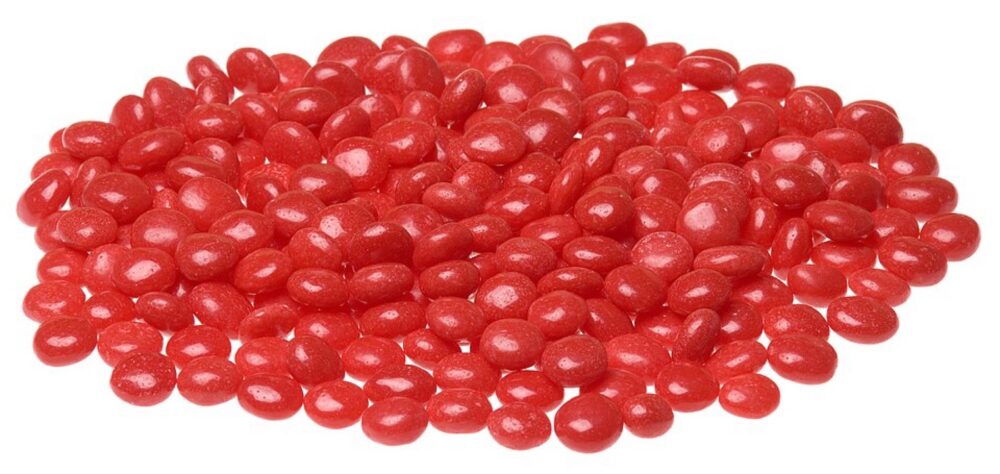
For most Australian buyers, the easiest way to source bulk red candy for parties or small retail is through local or regional food wholesalers and importers. They already handle food standards, clear labelling and predictable case sizes. Chinese marketplaces such as DHgate can still play a role, but mainly for small test orders, themed packaging and party supplies around the candy rather than being your primary food manufacturer. If you need reliable, labelled red lollies for kids’ parties next month, local supply is usually safer and less work than trying to import unbranded candy yourself.
DHgate and similar platforms become more useful when you’re experimenting with how candy is presented—custom boxes, gift bags, Halloween buckets, or Christmas candy baskets—or testing niche non-food items that match your red theme. For recurring or branded food products you plan to resell in Australia, the workload and compliance risk of cross‑border candy sourcing tends to outweigh the savings unless you go through a specialist importer or directly work with a factory.
How Bulk Red Candy Is Typically Sourced for Events and Small Retail
From a supply chain perspective, most small Australian buyers plug in quite late in the candy manufacturing process. The manufacturer (often overseas) sells to large importers and distributors, who then sell to:
- Dedicated candy wholesalers that break bulk into cases suitable for events and stores.
- Foodservice and party suppliers that bundle candy with other event items.
A typical bulk candy wholesaler will list red candies by case with clear flavors, weights and packaging types designed for events or retail shelving. For example, Candies Wholesaler’s red bulk section shows cases of strawberry and cherry-style candies, each with case weight and packaging format spelled out. That’s the level of detail you want if you’re planning a lolly buffet or filling favor bags.
In Australia, event planners and small ecommerce stores usually:
- Buy red candy from domestic wholesalers or cash-and-carry warehouses.
- Use Australian-based importers’ online catalogs for colour-specific lollies (e.g., “red-only” M&M‑style or jelly beans).
- Add decoration, bags, boxes and signage from general wholesale or China platforms.
The key point: for the candy itself, you’re typically buying an already-imported, fully labelled product. You’re not taking on direct import risk or food compliance paperwork.
Comparing Candy Sourcing Channels by Order Size, Customisation, and Buyer Workload
Different routes make sense depending on whether you’re buying once for a party, repeatedly for events, or stocking a shop.
Here’s a practical comparison for Australian buyers:
| Channel | Order fit, customisation, workload, and best use |
|---|---|
| Local candy wholesalers/importers | Best for cartons to a few pallets, including roughly 5-50 kg per event. Choice is usually limited to existing brands or lines, but ordering is simple because the food is already imported and labelled. Fits parties, weddings, corporate events, and small retail resale of known brands. |
| Domestic party/event suppliers | Best for roughly 5-20 kg plus packaging. Candy customisation is limited, while themed kits offer more flexibility. Buyer workload is low to medium because you manage the theme but not import. |
| Global wholesale platforms | Best for small wholesale tests, often tens of units or mixed lots. They are stronger for packaging and party supplies than branded food. Buyer workload is medium to high because cross-border shipping, product verification, and food compliance remain the buyer’s responsibility. |
| Bulk platforms (Alibaba, 1688) | Better for larger MOQs and factory programs above a few hundred kilograms per year. Direct factory work can support high customisation, but negotiation, specifications, import logistics, and regulation create a high workload. |
| Sourcing agent | Flexible from test orders to ongoing container supply. An agent can help specify colours, flavours, and packaging and manage vetting and logistics, but adds fees. Fits small brands seeking unique products without an in-house sourcing team. |
Independent sourcing consultants such as Maple Sourcing describe a rough segmentation: Alibaba and 1688 are better suited to bulk custom manufacturing, while DHgate and AliExpress are designed around smaller test orders and ready‑made stock. That aligns with how most Australian buyers actually use these platforms for candy-adjacent products.
For red candy specifically:
- One‑off party (10-30 guests): a domestic wholesaler or supermarket bulk aisle is usually enough. Importing doesn’t add much value at this scale.
- Frequent events (every week/month): a relationship with a local wholesaler or importer gives predictable supply and easier reordering.
- Small ecommerce resale: if you’re selling branded candy, you typically buy from Australian distributors; if you’re building a private label, you’d eventually graduate to factory or agent sourcing, not DHgate alone.
DHgate Listing Snapshot: What You Actually Find Around Red Candy (2026-10-10)
A quick look at DHgate’s current catalog shows far more candy‑related packaging and party supplies than edible red candy aimed at Australian buyers. Prices and availability change, but these examples from 2026-10-10 illustrate the pattern:
- Wedding Candy Box Red Triangle Gift Packaging – a listing advertising “103050 Pcs Wedding Candy Box Red Triangle” as DIY gift packaging and party supplies, not filled candy. Good if you’re dressing up locally sourced lollies for weddings or birthdays.
- Christmas Candy Storage Basket – a “Christmas Candy Storage Basket” and bag in the Christmas decorations category, useful for seasonal displays or candy buffets in-store.
- Halloween Candy Basket Party Supplies – a themed “Halloween Candy Basket” for trick‑or‑treat presentations and party decor.
- Party Supplies Bags & Candy Boxes – bags and boxes marketed for “Holiday Gifts” and “Children’s Sweets Package” where you add the candy yourself.
- Custom Packaging Candy Boxes and Gift Boxes – customisable packaging boxes positioned as cookie/candy gift wrapping.
These listings all sit in packaging, party supplies or decoration categories. They show DHgate’s strength in low‑cost themed presentation rather than in core food manufacturing or branded candy suitable for Australian retail.
When DHgate Makes Sense in a Red Candy Strategy (and When It Doesn’t)
DHgate presents itself, via its blog, as a wholesale marketplace without platform‑wide minimum order requirements and with tiered pricing where larger purchases attract lower unit prices. That marketing matches how independent reviewers such as SavingMag’s DHgate guide and Australian sourcing firms like Epic Sourcing describe the platform: a big marketplace used to grab deals and small‑scale stock, often via trading companies rather than factories.
For red candy buyers in Australia, that positioning translates into:
Good fits for DHgate
- Testing red‑themed packaging before you commit to a local print run (e.g., wedding favor boxes, custom candy bags).
- Buying small wholesale lots of party decor that match your red candy theme: Halloween buckets, Christmas stockings, banners.
- Filling gaps around a candy buffet—signage, table decor, non‑food gifts—when local options are expensive or limited.
You can use internal guides such as finding DHgate suppliers and choosing a DHgate wholesale supplier to make that packaging and decor sourcing more deliberate.
Poor fits for DHgate
- Primary supply of edible red candy for kids or general retail in Australia, where you need clear Australian‑compliant labelling and traceable food safety standards.
- Own‑brand candy manufacturing at scale; independent analysis for Australian buyers suggests DHgate is usually a trading‑company channel, not a direct factory sourcing route.
In practical terms, you get the best of both worlds by treating DHgate and similar platforms as your experiment and presentation layer, while letting local wholesalers or professionally managed imports handle the actual candy. For a red‑themed event or a small retail launch, that usually means:
- Locking in bulk red candy domestically so flavour, labelling and timing are predictable.
- Using DHgate and other global marketplaces selectively for boxes, bags and decor, keeping purchases small while you test what resonates.
- Only exploring factory‑level candy sourcing (via Alibaba/1688 or an agent) once your business is large enough to justify the added compliance and logistics workload.
Before choosing a DHgate supplier, use Find wholesale suppliers on DHgate.
That split keeps your party or shop well‑stocked with red candy while using DHgate where it’s strongest—low‑commitment, visual add‑ons—not as the backbone of your food supply.