
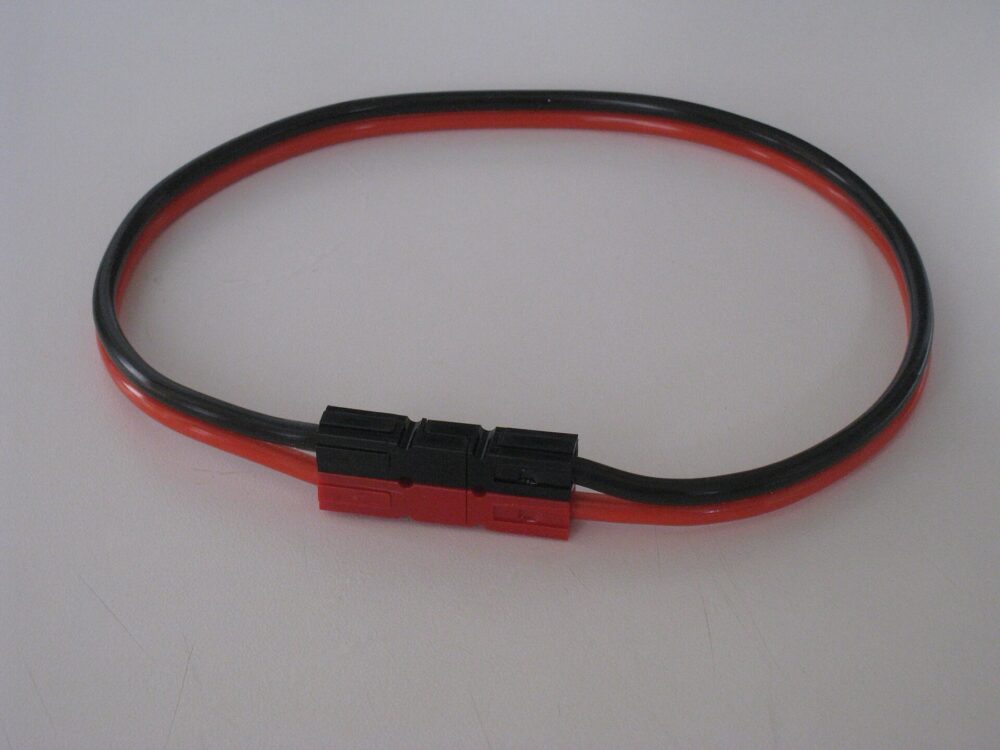
You can find reliable USB-C to Anderson Powerpole adapters, but they’re niche hardware and the quality gap between vendors is wide. For US buyers and small ecommerce shops powering ham radios, Starlink Mini terminals, or 12V gear from USB-C, you should treat these more like power supplies than simple data dongles: read specs carefully, favor specialized brands, and avoid any listing that looks vague or generic.
On big marketplaces like Amazon and eBay you’ll see lots of USB-C accessories but relatively few Powerpole-focused adapters. Niche vendors like hamradio.com and Powerwerx sell Powerpole-related USB power gear, and Starlink-focused brands such as All Terrain and BreakFree RV offer Anderson-based adapters for mobile Starlink Mini setups. That specialization is a useful trust signal—but you still need to verify electrical ratings and seller credibility before you plug an expensive radio or satellite terminal into a random USB-C box.
Why USB-C to Anderson Powerpole adapters raise extra trust questions
A USB-C to Anderson Powerpole adapter bridges two very different ecosystems:
- USB-C power sources (power banks, laptop chargers, PD bricks)
- Anderson Powerpole DC connectors, widely used for ham radio, emergency comms, and modular 12V power distribution
Ham-oriented devices such as the Powerwerx USBBuddy advertised via hamradio.com show how Powerpole-connected gear and USB power get mixed in practice. The adapter isn’t just a mechanical connector; it has to negotiate USB-C or USB-A power and deliver stable DC at the right voltage and current.
Real-world scenarios highlight why trust matters:
- Mobile ham station: You might charge or power a small radio or accessories from a USB-C power bank, distributing power via Powerpole. Poor regulation or undersized components can cause voltage sag, RF noise, or premature failure.
- Starlink Mini off-grid: Products like All Terrain’s Starlink Mini Anderson-to-20V USB-C PD adapter and BreakFree RV’s plug-and-play Anderson adapter for Starlink Mini (example; example) show how people run Starlink off 12V batteries via Powerpole and USB-C PD. Here, a mis-spec’d adapter could trip the Starlink unit, shut down under load, or in worst cases overheat.
Because these adapters sit between high-value equipment and high-current DC power, the failure modes are more serious than a flaky phone dongle: unexpected shutdowns during an emergency net, damaged radio gear, or overheating cables in a confined RV or van.
Universal checks before you trust any USB-C to Powerpole listing
Regardless of whether you’re shopping Amazon, eBay, a niche ham supplier, or a cross-border marketplace, you can use the same structured checks.
1. Match the electrical specs to your actual use
You want the listing to spell out:
- Input side: USB-C PD voltage profiles supported (e.g., 5 V, 9 V, 12 V, 20 V) or fixed USB-A output if it’s not PD-aware.
- Output side: Stated DC voltage on the Powerpole side and continuous current rating.
- Environment: Any mention of use cases like ham radio, Starlink, RV power, or battery systems.
If you see only vague phrases like “fast charging” or “high power” with no voltage/current numbers, treat that as a red flag for a power adapter. For Starlink Mini, for instance, you’d look for something clearly describing a ~20 V USB-C PD output and Anderson input from 12 V systems, not just “Starlink cable for USB-C.”
2. Look for quality signals on the USB-C side
Editorial guidance on USB-C accessories emphasizes a few quality markers:
- USB-IF certification: Some USB-C chargers and cables participate in the USB-IF “Certified USB Charger” program, which is one sign the product follows USB standards.
- Warranty: A seller that offers a clear warranty and stands behind their adapter is more likely to invest in quality components and testing.
- Materials and strain relief: Durable housings (aluminum or good plastics) and reinforced cable entries reduce the chance of mechanical failure when an adapter is dangling off a battery or radio.
Those best practices, discussed in USB-C buying guides such as DHgate’s editorial piece on adapter quality, translate directly to USB-C Powerpole gear: this is still a high-current USB-C accessory, just with a more specialized output.
3. Prioritize specialized brands and documentation
Niche vendors such as Powerwerx and hamradio.com focus on Powerpole and radio power hardware, and their listings typically include:
- Clear use cases (charge radios, power accessories)
- Detailed connector descriptions
- Sometimes basic wiring or application diagrams
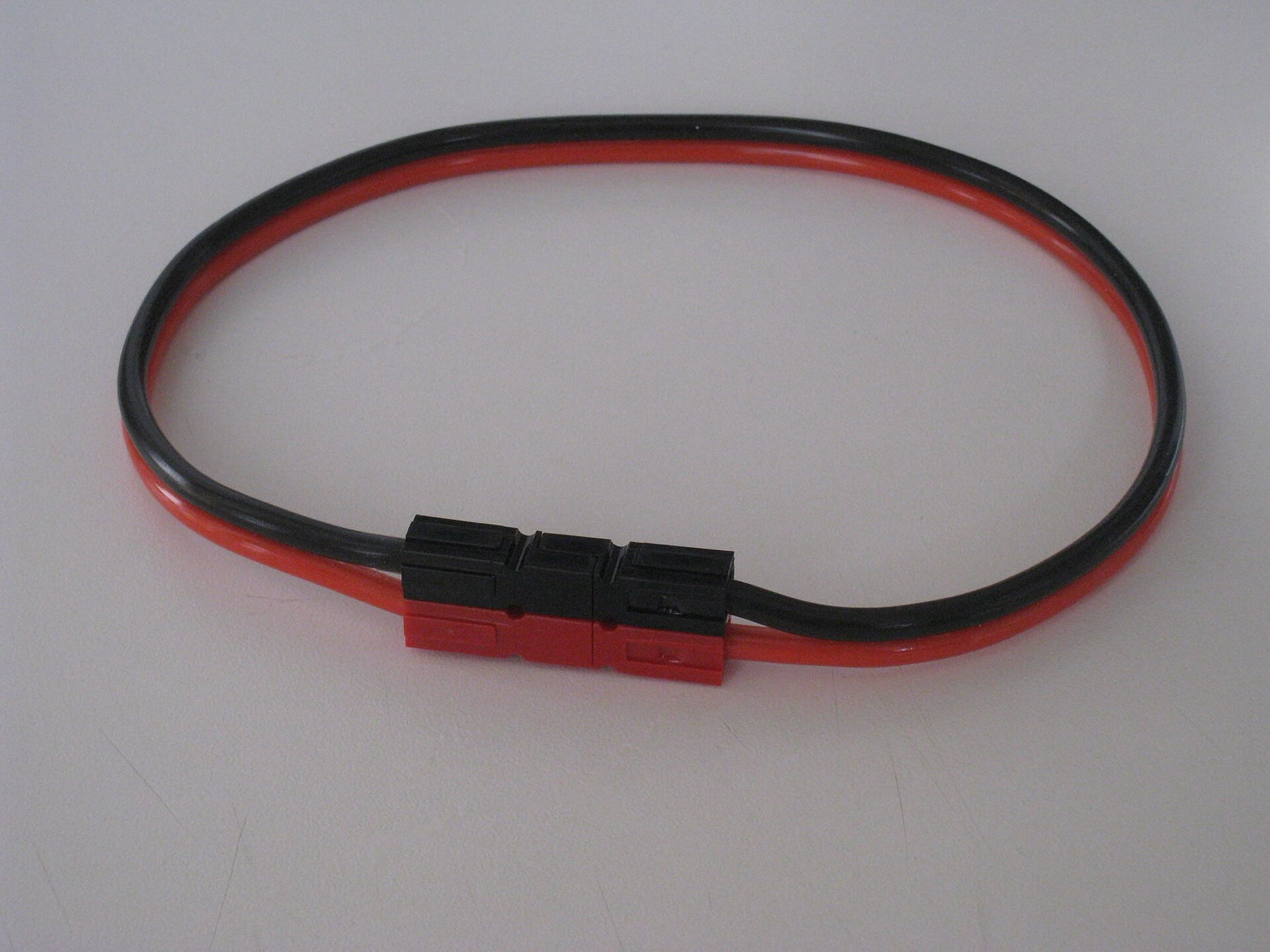
That level of documentation is a strong trust signal compared with a generic marketplace listing that just shows a USB-C plug and red/black connectors in a single photo.
Good signs in any listing:
- Described as being for ham radio, emergency comms, RV power, or Starlink specifically
- Reference to Anderson, Powerpole, or known connector series
- Exploded specs section instead of marketing slogans only
4. Use reviews and brand reputation as filters—specifically for power gear
DHgate’s editorial guidance on USB cables and adapters stresses two portable ideas: check brand reputation and read buyer reviews before you trust a cable carrying power.
Apply that narrowly to USB-C Powerpole adapters:
- On Amazon/eBay, prefer adapters sold under a recognizable brand that also makes other power or radio gear.
- Scan reviews for load-related comments: does the adapter stay cool? Drop out under high current? Fail with certain radios or Starlink?
- Be wary of mixed listings where reviewers talk about different products under one ASIN or SKU—this can hide issues.
If you’re sourcing for resale, consider ordering a small batch from a brand with a track record in power distribution rather than a one-off storefront.
How trust protection differs across buying channels (Amazon, eBay, niche shops, cross-border)
You don’t just have to decide which adapter to buy—you also need to choose where to buy it, because the seller landscape and signals differ.
Here’s a practical comparison of channel types based on what you can realistically observe as a buyer, not on any platform promises.
| Channel type | What it offers, how to verify it, and who it fits |
|---|---|
| Amazon or eBay | Many generic USB-C power products but relatively few finished Powerpole adapters. Look for a structured electrical specification, established brand catalog, review patterns and seller history; this route fits a quick purchase for one documented use. |
| Niche ham or RV shops | Powerpole gear, radio accessories and Starlink 12V/Anderson products. Detailed technical descriptions and specialist support make this the stronger route for mission-critical radio or off-grid setups. |
| Cross-border marketplaces | More generic USB-C adapters, DC-DC modules and boost converters than finished Powerpole cables. Verify every electrical rating, connector orientation and seller record; this fits technically capable buyers building a custom solution, not plug-and-play shoppers. |
On cross-border marketplaces, you’re more likely to see building-block components than a polished Starlink or ham-radio Powerpole adapter. For example, a DHgate search currently surfaces DC-DC boost modules such as a “USB 5V to DC 5V 9V 12V 12.6V 8.4V” cable with a type‑C male plug (listing snapshot, retrieved 2026-10-10). In principle, you could pair that with Anderson Powerpole connectors yourself, but you would be taking responsibility for wiring, strain relief, and verifying the stated voltages under load.
If you decide to buy Powerpole-related gear or modules from DHgate or similar marketplaces, the prudent move is to layer on the same checks you’d use anywhere plus extra skepticism:
- Confirm voltage and current specs in the description match your battery and load.
- Use close-up photos to verify connector types and cable gauge look plausible for the stated current.
- Check whatever rating and review data is available on the specific listing, and look at the seller’s broader catalog to see if they specialize in electronics or power hardware.
- For higher-risk or bulk purchases, consider reading a general guide to cross-border seller risk such as Assess DHgate listing and seller risk, then applying those questions to your shortlisted adapters.
If you’re buying a single adapter to power Starlink Mini in your RV, a specialized vendor with clear documentation is often easier to trust than a generic listing. If you’re an electronics-savvy small business designing your own Powerpole harnesses, cross-border modules may offer value—but only if you’re willing to validate them on the bench and absorb the engineering risk yourself.