
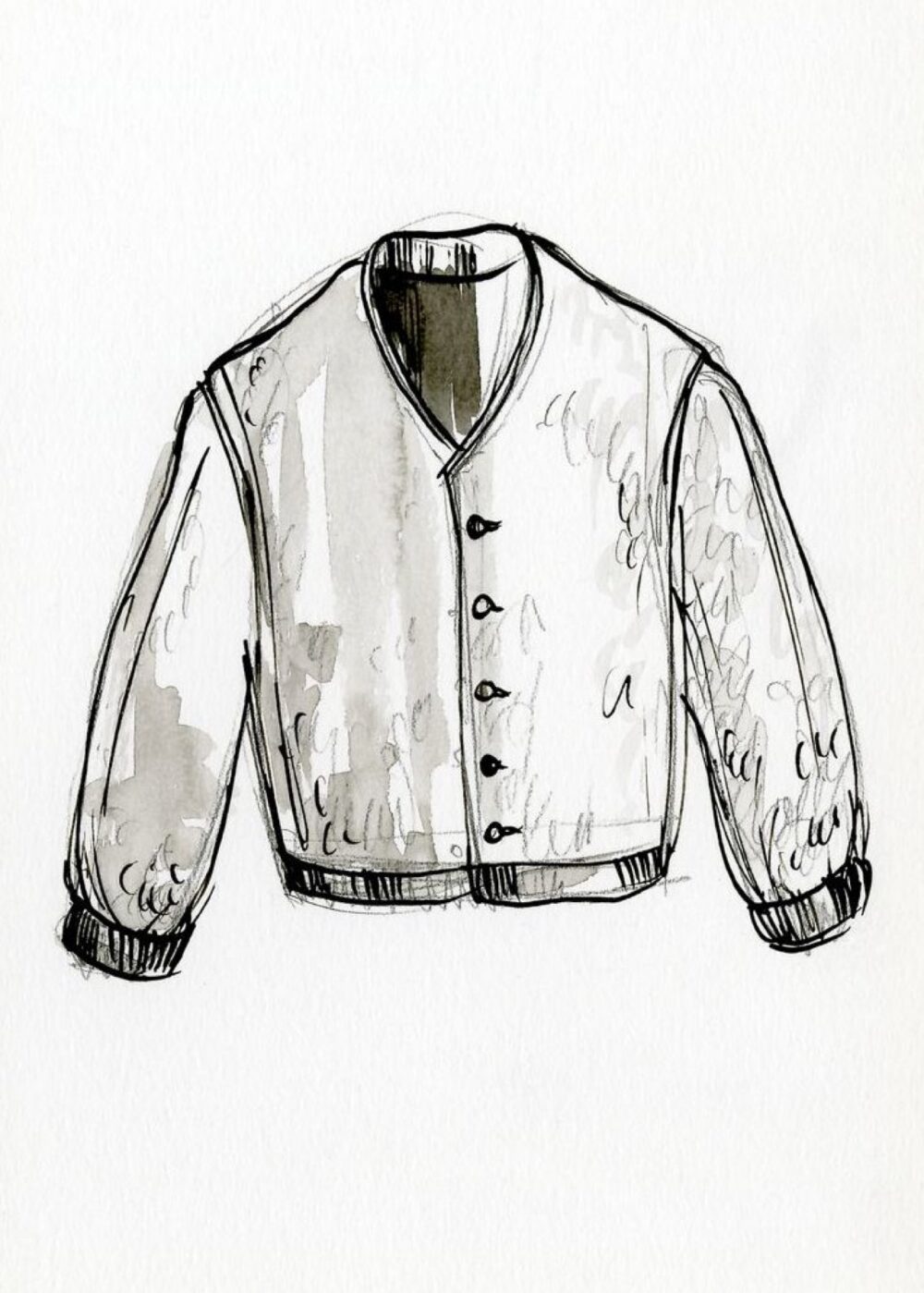
You build a profitable knitwear pipeline by getting specific: choose the sweater and cardigan niche you want to own, learn how knitwear is actually produced and distributed, then commit to a small set of vetted suppliers with clear sampling, order, and freight rules. For most US small sellers that means mixing at least one domestic wholesaler or brand with a test-sized cross‑border source, keeping your upfront risk and stranded-winter-inventory exposure under control.
Wholesale knitwear and cardigans simply means buying sweaters and other knitted tops in bulk from suppliers at discounted prices so you can resell them to your own customers.Source The tricky part is that sweaters are seasonal, fabric-sensitive, and easy to get wrong: a line that pills, shrinks, or feels itchy will sit on the rack. The choices you make about fibers, fit blocks, and suppliers matter more here than in a basic T‑shirt business.
How Wholesale Knitwear and Cardigans Are Made and Sold
For sweaters and cardigans, you’re buying into a specific supply chain:
- Yarn and fiber choices. Common fibers include acrylic, cotton, wool, merino wool, and cashmere blends. Acrylic and cotton blends are cheaper and easier to care for but can feel less luxurious. Wool and cashmere blends carry higher unit prices and higher customer expectations. A New York brand like J. Society positions itself specifically as a wholesale knitwear specialist, illustrating how some suppliers focus on mid‑to‑better quality fibers and construction.
- Knitting and finishing. Factories typically specialize in gauges (chunky vs fine), machine types, and styles (basic crewnecks vs novelty jacquard cardigans). Finishing—washing, steaming, linking seams, attaching buttons—has a big impact on how the garment drapes and whether it twists or shrinks.
- Seasonality and drops. Buyers usually plan knitwear drops around fall/winter and early spring. Misjudging timing can leave you with thick cardigans in March and no storage budget. Compared with year‑round categories like activewear, sweaters are much more sensitive to missed seasons.
- Market structure.
- Factories knit and sometimes sell direct if your volume is meaningful and you can speak their language (spec sheets, color standards, tech packs).
- Domestic wholesalers/brands (multi‑brand showrooms, specialized knitwear labels) buy from factories, hold inventory in the US, and sell to boutiques at pre‑set wholesale prices.
- Marketplaces list products from many suppliers in multiple countries. You negotiate directly with each seller, often with more variation in quality and terms.
For a small US boutique or ecommerce shop, that usually translates to: one or two predictable domestic sources for your bread‑and‑butter sweaters, plus carefully tested cross‑border suppliers if you’re chasing margin or more unusual designs.
Choosing and Vetting Knitwear Suppliers
You don’t just need “a supplier”; you need people who can send sweaters that fit, feel good, and behave in the wash. Industry guidance on wholesale apparel consistently stresses building relationships and not choosing solely on price, because the cheapest source often fails you on consistency and timing.Source
What to check that’s specific to sweaters and cardigans
For each potential supplier (factory, wholesaler, or marketplace seller), ask for:
- Fiber and yarn specs. Request composition (% wool, % acrylic), yarn count, and any anti‑pilling or pre‑shrinking treatments. If a supplier can’t specify more than “knit sweater,” consider that a red flag.
- Size runs and fit blocks. Get a size chart and ask which body type the block is designed for (oversized, cropped, regular fit). Ask for sample measurements (chest, length, sleeve) in at least two sizes.
- Shrinkage and wash behavior. Ask suppliers to state recommended care and what shrinkage they’ve measured in testing (e.g., under specific wash conditions). Then you verify with your own wash test on samples.
- Colorfastness and dye lots. Demand real yarn or fabric swatches for key colors. You’re checking whether black and red bleed, or creams yellow after a wash.
- Construction quality. On samples, inspect seam tension, button attachment, and neckline recovery. Pull gently at the shoulder seams; if you hear stitches popping, don’t place a bulk order.
How to structure your sampling
Before committing to a serious order, take a disciplined sampling approach:
- Order at least 2-3 samples per style, in different sizes. Fit them on multiple bodies and photograph on models for later comparison.
- Wash‑test one sample exactly as your care label will recommend. Measure pre‑ and post‑wash. If a cardigan loses more than a small amount of length or twists, drop that style.
- Wear‑test for pilling. Have someone wear a sample for a full day, including under a bag strap. If light pilling appears immediately, be cautious about marketing it as “premium.”
This is where your supplier shortlist lives or dies. A cheap acrylic cardigan that looks great in photos but pills after one wear will crush repeat sales.
Orders, Pricing and Channels: Making Knitwear Sourcing Work
Wholesale clothing economics are straightforward: you buy in bulk at a lower price and resell at a higher price to capture a margin.Source With sweaters, that margin has to cover not only product cost, but freight, potential import duties, and the risk that a cold snap ends early.
What makes up the real cost of a sweater?
Think in terms of “landed cost” per unit for cross‑border orders and simple wholesale costs for domestic buys.
Here’s a simplified view (editorial example):
| Cost component | Domestic versus cross-border trade-off |
|---|---|
| Unit wholesale price | A domestic wholesaler is often higher but more stable; a cross-border knit cardigan may start lower but varies more by material, quantity and seller. |
| Freight into the US | Domestic inbound freight is usually reflected in the quoted wholesale price, while cross-border orders normally show shipping or freight separately. |
| Import duties and taxes | Domestic purchases usually avoid buyer-managed import charges; cross-border orders may incur them depending on tariff classification, value and current rules. |
| Delay and defect risk | Domestic problems are generally easier to resolve; cross-border buyers need more lead-time buffer, sample checks and incoming quality control. |
The exact numbers depend on your specific supplier and order, but this table shows why a cheaper unit price isn’t automatically “better” once you add freight and risk.
Common order patterns and MOQs
Suppliers will often talk in terms of minimum order quantities (MOQs) per color or per style. While specific numbers vary, the pattern is consistent:
- Domestic wholesalers and brands (like the knitwear‑focused J. Society) often sell in small packs per style and color to independent boutiques, keeping MOQs relatively accessible.
- Factories and some cross‑border sellers may expect larger aggregate orders across colors and sizes, especially if you want custom knitting or private label tags.
As a small US seller, your best move is usually:
- Start with smaller, multi‑style orders from a domestic wholesaler or brand to learn what your customers actually buy.
- Layer in a test order from a vetted cross‑border supplier for margin or variety, but cap it at what you’re willing to lose if the line disappoints.
Channel choices: wholesaler, brand, or marketplace?
You essentially have three routes:
- Domestic wholesale markets and showrooms. Pros: you can see and touch the sweaters, negotiate in person, and get clearer delivery expectations. Cons: unit prices can be higher; styles may be less unique.
- Direct from specialized knitwear brands. Pros: tighter control over quality and fit, brand storytelling for your store. Cons: less flexibility on price, sometimes stricter order terms.
- Cross‑border marketplaces. Pros: broad style variety and, sometimes, attractive unit pricing. Cons: larger spread in quality, more homework on each seller.
A cautious marketplace example (DHgate)
On 2026-10-10, a snapshot of DHgate knitwear listings shows how wide sweaters and cardigans can range on a marketplace:
- A basic V‑neck cardigan listed as “Women’s Knits Women Cardigans Long Sleeve Knitted Outerwear Solid Thin Spring Short Sweaters V‑neck Knitwears Korean Fashion 2026” priced around $15.85–$16.77 per unit in the women’s knits category.Source
- A striped cashmere/merino wool cardigan under “Women’s Knits Autumn Winter Cardigans Cashmere Merino Wool Sweater Striped Knitwear Raglan Sleeve Casual Comfortable Clothes Tops” around $63.49–$66.50 per unit.Source
- A casual cardigan crop top style (“Autumn Winter Casual Cardigan Sweater Women Knitted Coats Fashion Female Long Sleeve Knit Jacket Knitwear Crop Tops CardigansT251028”) in the $31.11–$65.24 range depending on options.Source
- A simple knit cardigan listed as “Women’s Knits Women Cardigans Long Sleeve Knitted Outerwear Solid Thin Spring Short Sweaters V‑neck Knitwears Korean Fashion 2026” around $15–$17 per unit, depending on size and configuration.Source
These examples aren’t guarantees—listings and prices change—but they show that marketplaces can offer everything from budget acrylic knits to pricier wool cardigans on one screen. Your job is to treat each listing like a separate supplier: click through, compare fiber content, review photos and any buyer feedback, and negotiate samples and order terms you can live with.
If you decide a marketplace route is worth testing for part of your knitwear range, you’ll want to do deeper homework on individual sellers. Guides such as how to find wholesale suppliers on DHgate, how to find DHgate suppliers, and how to choose a DHgate wholesale supplier focus on marketplace‑specific checks—use them to complement the knitwear‑specific fabric and fit tests covered here.