
For a one-off statement pair aimed at UK trends, most Australia-based shoppers are better off using UK/EU marketplaces or established UK retailers and absorbing the higher price. DHgate starts to make sense if you’re testing a micro-brand, dropshipping lookalike velvet boots, or filling a low-budget inventory slot where some inconsistency is acceptable.
How to Compare Channels for UK-Focused Blue Velvet Shoes
For blue velvet-style shoes and boots serving UK customers, five dimensions matter most:
- Price per pair and per batch – Not just list price, but what you pay once currency conversion and import duties from China or the UK are factored in.
- Style availability – Can you actually find the UK-style silhouettes you want (Chelsea boots, thigh-high velvet, British casual heels, etc.), in the right sizes and colors?
- Authenticity/quality risk – Are you clearly buying generic fashion, or are listings nudging into replica territory with a chance of disappointing materials or construction?
- Shipping time and predictability – For UK customers, this is partly about how far the goods travel from your Australian base or your supplier, and how much slack you need in your promises.
- Returns and problem resolution – Single-pair buyers care about painless returns. Small resellers care about how they’ll handle defective batches or misrepresented goods.
These factors play out differently depending on who you are:
- Individual fashion buyer in Australia sending or wearing UK-style velvet shoes: price is secondary to getting the right look and reliable sizing.
- Australian micro-brand testing UK demand for velvet boots: unit economics and supplier repeatability matter more than single-pair comfort.
Keep those roles in mind as you look at DHgate versus UK/EU marketplaces and local shops.
Platform-by-Platform Reality Check: DHgate vs UK/EU Marketplaces and Local Shops
DHgate listing snapshot: velvet and British-style boots (2026-10-10)
As of 2026-10-10, searching DHgate for velvet and British-style boots shows a spread of styles that overlap UK tastes:
- Knee-high velvet boots – “Knight Thigh High Heel Boots For Women Fashion Boots Thick Soled Velvet Long Boots Autumn Winter Snow Boots Womens Booties Shoes Heels 240826” in the Boots category, with a price range around US$107.50-112.59 (product page).
- Short British-style women’s boots – “Large Womens Shoes British Style Boots Thick Heel Short Boots Mid Tube Motorcycle Boots Womens Shoes 43 241213” in Boots, around US$70.09-75.43 (product page).
- Children’s velvet boots – “Velvet boots, glowing shoes, autumn and winter new fashion trend shoes, wool short boots, thick soled Martin boots, casual children’s shoes” in Athletic & Outdoor, at roughly US$28.15-29.48 (product page).
- British casual women’s shoes – “2026 New Large Women’s Shoes British Casual Shoes Thick fashion Heel Fashion Women’s Small Leather Shoes Middle Heel Walking Shoes” in Casual Shoes, around US$37.52-39.30 (product page).
Listings and prices can change quickly, and most of these styles are generic rather than clearly branded. They show the main DHgate value proposition: plenty of UK-inspired silhouettes, sometimes at prices below what you’d expect from branded UK retailers.
Visual style anchor
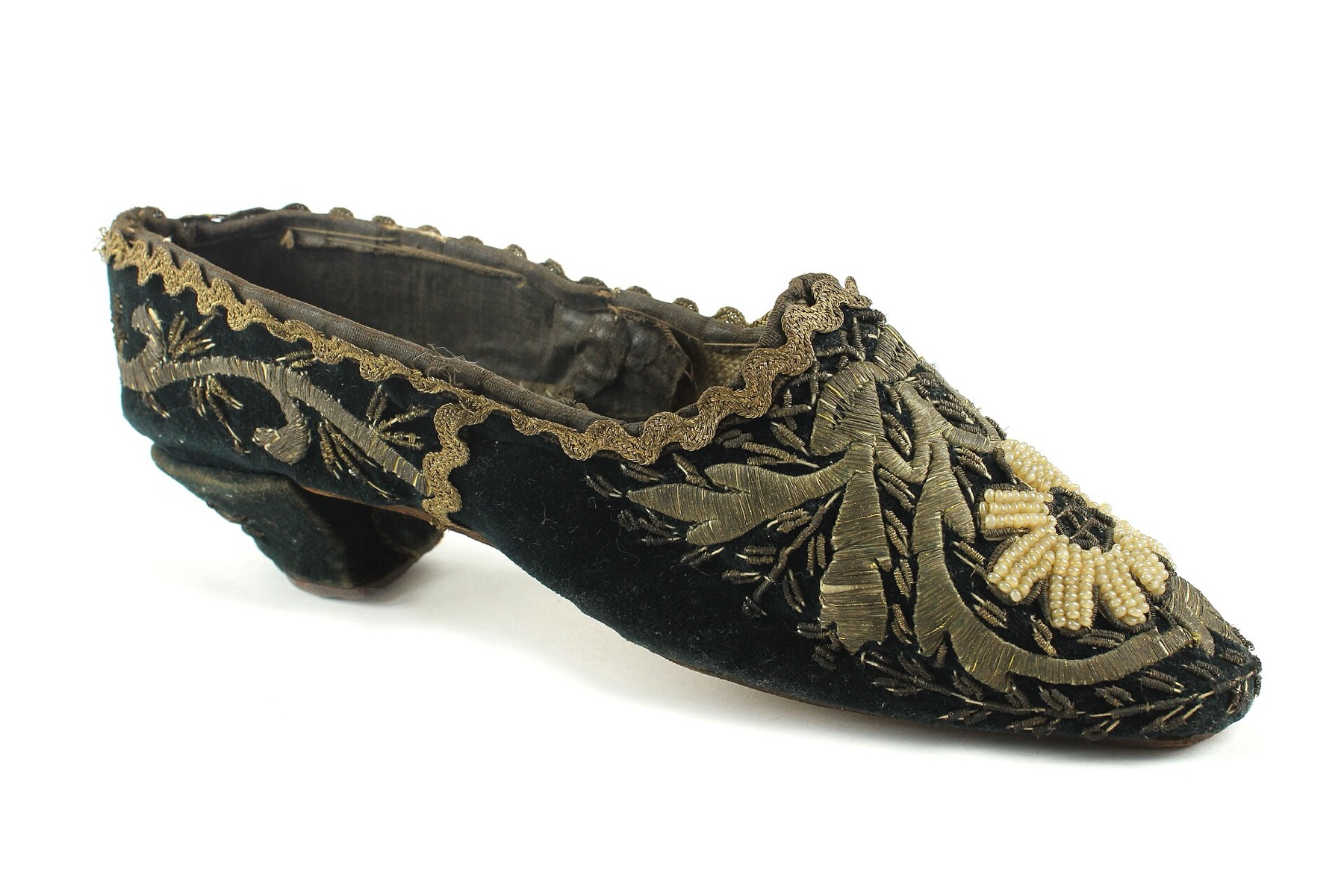
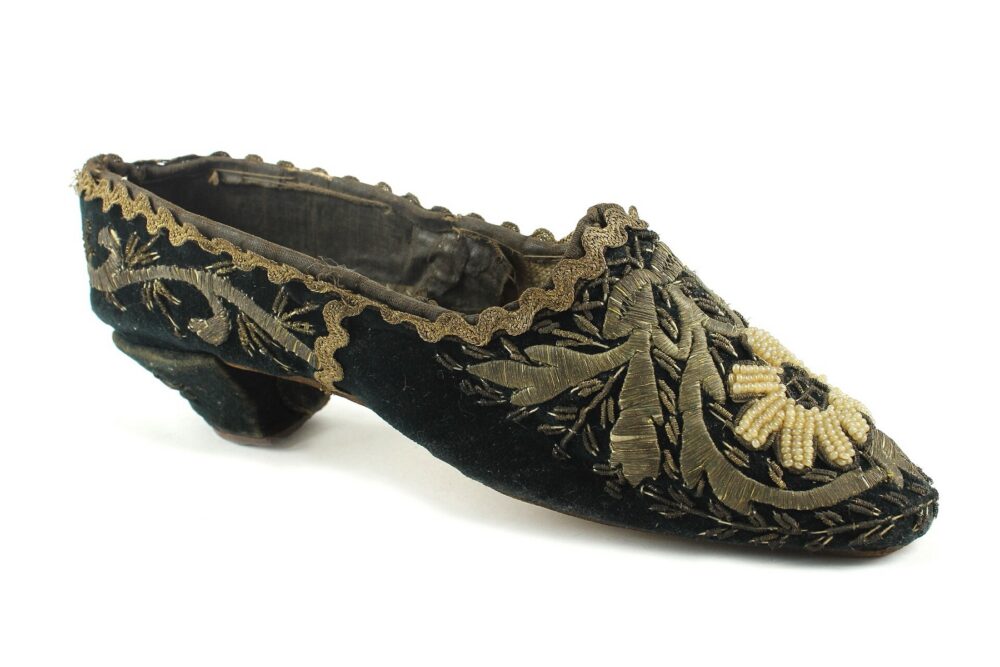
That museum-style velvet shoe obviously isn’t a DHgate listing, but it illustrates the kind of rich-texture, statement footwear you may be trying to echo with modern blue velvet shoes aimed at UK customers.
Channel comparison for blue velvet-style shoes and boots
Here’s how DHgate, UK/EU marketplaces, and local UK shops generally stack up for this niche:
| Channel type | Price level for velvet/boot styles* | Style variety (UK trends) | Quality/authenticity risk (editorial view) |
|---|---|---|---|
| DHgate (China-based) | Often lower per pair, especially for generic designs; bulk orders can further reduce unit cost according to DHgate’s own shoe editorials. | Very broad: many velvet, Chelsea, and British-style boots in different colors and heel heights. | Mixed: wide range from solid generics to listings that buyers have criticized in public videos as fake or disappointing; seller selection is critical. |
| UK/EU online marketplaces | Moderate to high: branded velvet boots and shoes typically cost more than DHgate generics, but occasional deals exist. | Good: plenty of velvet shoes, often with clearer brand identities and UK sizing. | More predictable: marketplaces usually surface branded products and have clearer expectations on materials and construction, though quality still varies by seller. |
| Local UK footwear shops | Higher: retail pricing plus local overhead, but you see/fit the shoe. | Narrower but curated: fewer experimental styles, more focus on proven silhouettes. | Highest predictability: you physically inspect quality and fit before buying; authenticity concerns mainly arise only with luxury-branded goods. |
\*Price comparison is editorial judgment based on typical generic vs branded pricing, plus DHgate listing ranges above.
For an Australia-based buyer serving UK tastes, this translates into concrete trade-offs:
- DHgate gives you access to many blue velvet-style options that might not appear in UK retail, at lower price points, but every listing is a bit of a bet.
- UK/EU marketplaces may cost you more per pair, yet they’re better suited to UK sizing expectations, recognizable brands, and straightforward returns.
- Local UK shops are the most expensive way to reach these styles but deliver the most reliable “what you see is what you get” experience if you’re physically in the UK or using a partner there.
Which Channel Fits Which Buyer — and Where DHgate Makes Sense
For blue velvet-style shoes and boots targeting UK customers, different buyers should gravitate to different channels.
Scenario 1: Individual Australian buyer chasing a UK velvet boot look
You’ve seen a blue velvet boot trend on UK social media and want a single pair, either to wear yourself or send as a gift. Your priorities are look, fit, and minimal hassle.
- Best fit: UK/EU marketplaces or established UK shoe retailers. Even if you pay more than a DHgate generic, you’re more likely to get accurate UK sizing, consistent quality, and brand-level information.
- DHgate fit: Only if you’re comfortable with a generic lookalike, accept the risk of a miss on materials or fit, and are prepared for more complex problem-solving if the pair disappoints.
For that one “Blue Velvet Shoes UK” moment, DHgate’s savings rarely justify the added uncertainty.
Scenario 2: Australian micro-brand testing UK demand for velvet boots
You’re building a small footwear or fashion brand from Australia and trying to test UK demand for velvet boots and British-style shoes without blowing the budget.
- Best fit: A mix of channels. You might source a few reliable pairs from UK/EU marketplaces to anchor your range and use DHgate for lower-cost, generic velvet or British-style boots that act as experimental SKUs.
- Where DHgate helps: DHgate is positioned as a cross-border marketplace that is particularly appealing for bulk shoe orders and competitive pricing. If you buy multiple pairs of a generic velvet boot, your landed cost per unit can be dramatically lower than stocking branded UK retail product, which matters when your resale price must stay affordable for UK customers.
- Where DHgate hurts: Consistency between batches and across sellers can be uneven. If you build your brand on a DHgate-sourced design and the supplier changes materials or quality, you carry that risk and any customer backlash.
In this scenario, DHgate is most useful as a supplementary sourcing channel: good for low-risk experiments, influencer gifts, or budget lines, while more reliable UK/EU sources cover your core collection.
Scenario 3: Small online shop specializing in UK-style statement shoes
If your shop’s promise is “premium velvet and statement footwear for UK customers,” your brand rests heavily on trust.
- DHgate’s affordability and variety are tempting, but the inconsistent perception of shoe quality in public reviews and videos creates reputational risk.
- UK/EU marketplaces and local UK wholesalers, even at higher prices, better support a brand story built on reliability and clear provenance.
For this buyer type, DHgate may still play a back-room role for props, photo shoots, or occasional budget items, but it’s rarely the backbone for a premium UK-facing collection.
How to position DHgate in your mix
Thinking across all these scenarios:
- Use DHgate if your main objective is to minimize cost on generic velvet-style footwear, you’re ordering in multiples, and you can tolerate uneven quality or longer resolution times when something isn’t right.
- Lean on UK/EU marketplaces and local shops if the purchase is brand-sensitive, single-pair, or central to your reputation with UK customers.
If you need a deeper sense of how DHgate compares with other Chinese cross-border marketplaces for footwear in general, you can also look at broader comparisons such as DHgate vs AliExpress, Alibaba and Temu. And if you decide DHgate is part of your sourcing strategy, understanding what DHgate is and how the marketplace works and how to find wholesale suppliers on DHgate will help reduce some of the channel-specific friction.