
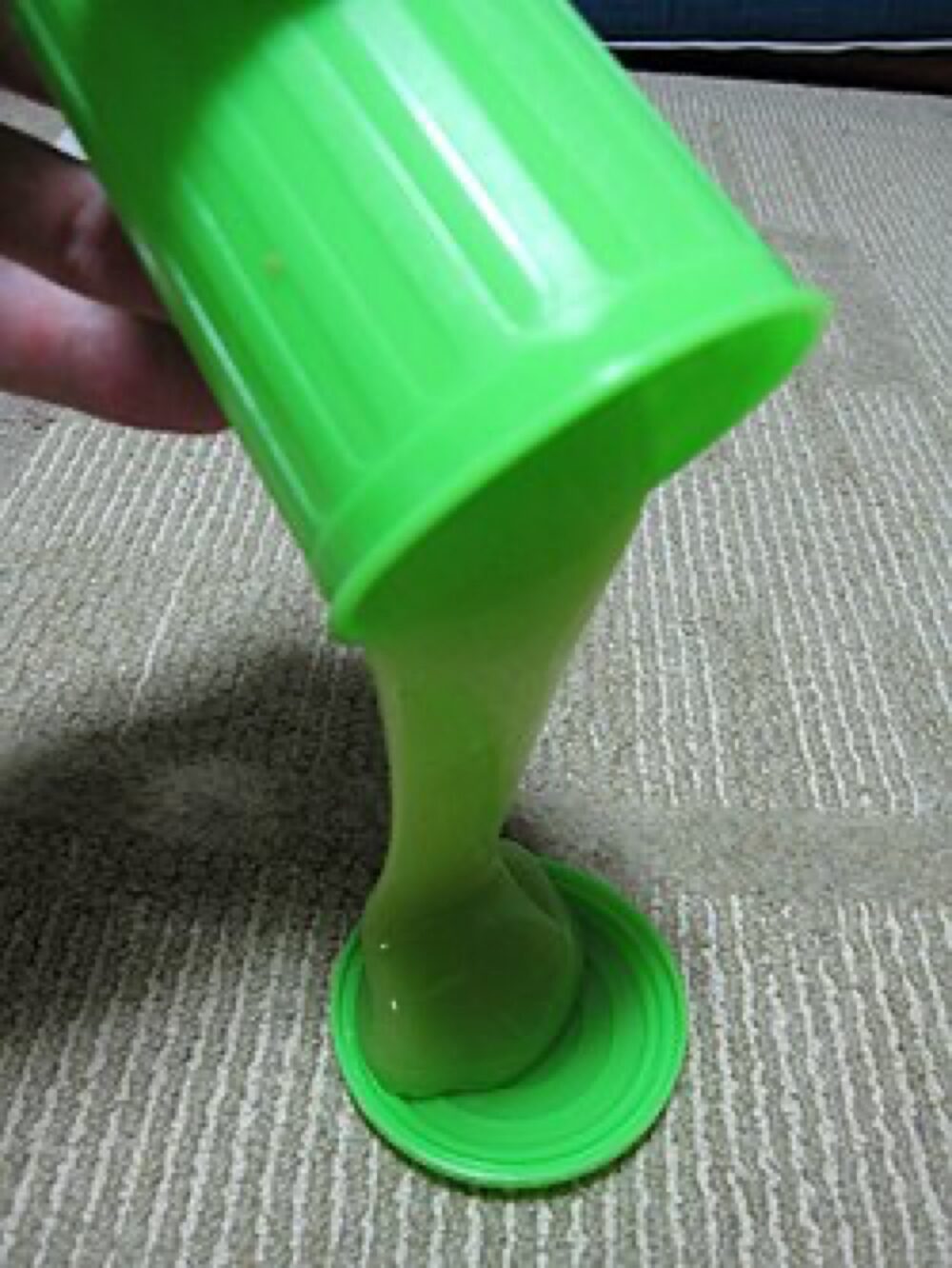
Buying wholesale slime and accessories in large quantities works best if you treat slime like a small chemical product, not just a cute toy. Define the exact slime types, ingredients, and packaging you need; then pick suppliers whose safety, consistency, and logistics you can actually control. Start with small test runs, insist on samples, and only step up to big cross-border orders once you’ve proven you can sell and store the product.
For a US party business, toy shop, or small ecommerce brand, the decision isn’t just “where is slime cheapest?” It’s: premade slime vs ingredients, US vs overseas production, brand-name vs generic, and whether you’re comfortable carrying liability for a product that kids handle directly.
How Wholesale Slime and Accessories Are Made and Sold
“Slime wholesale and accessories” usually breaks into three product buckets:
- Premade slime – finished jars or tubs in textures like fluffy, butter, cloud, and clear slime.
- Ingredients and bases – glue, activator, instant snow, clay, pigments, scents.
- Accessories and add-ins – foam beads, glitter, charms, containers, mixing tools.
US-based specialty slime shops like Dope Slimes focus heavily on supplies: pigments, toppings, charms, and containers to customize slime. That’s useful if your business mixes slime in-house and just needs consistent accessories.
Bulk-oriented craft suppliers such as Incraftables bundle ingredients and accessories into large slime-making kits meant for classrooms, camps, or big events. Kits combine glue, activators, containers, and decorations in one SKU, which simplifies ordering if you need a one-time batch for 50-100 kids.
Large marketplaces like Amazon’s slime supplies section list multi-pack accessory kits with foam balls, glitter, fishbowl beads, charms, and clear containers. These are closer to generic craft supplies than brand-name slime, but they’re useful for topping up your add-ins in bulk.
How this structure affects your wholesale plan:
- Premade slime makes sense if you want a branded product on shelves fast but have less control over exact formulas.
- Ingredients plus accessories fit DIY slime bars, kits, and custom-branded slime, but you own more of the safety and quality-control work.
- Event kits trade flexibility for simplicity; they’re ideal if you just need a known quantity on a specific date.
Choosing and Vetting Slime Suppliers for Consistent, Safe Product
Because slime is handled by kids and often sold as a toy, you should vet slime suppliers more like you’d vet cosmetics or craft chemicals than generic party favors.
Key decisions and checks:
- Clarify formulas and age grading up front
Decide whether you want non-scented basic slime, heavily scented “gourmet” slime, or themed kits. For US resale, ask suppliers how they label age recommendations and whether they position the product as a toy, a craft material, or a novelty.
- Ingredients and non-toxicity
Ask specifically about:
- Type of glue (PVA craft glue vs unknown industrial adhesive).
- Activator (borax-based, contact lens solution, or proprietary).
- Pigments and scents (cosmetic-grade, food-grade, or general craft dyes).
You’re not looking for a legal guarantee here; you’re looking for a supplier who can clearly explain what’s in the product and provide consistent documentation.
- Physical samples, not just photos
Wholesale advice from DHgate’s editorial blog stresses seeing, touching, and assessing products before committing to large orders. That applies strongly to slime: get sample jars and accessory bags so you can test stretch, residue on hands, scent strength, and bead shedding. Reject suppliers who resist sending samples or who send samples that don’t match their own photos.
- Batch consistency and storage guidance
Ask how the supplier mixes batches and how they recommend you store slime (temperature, light, shelf life). Serious slime producers will give at least basic handling guidance—cool, airtight storage, and keeping product away from infants and pets—similar to consumer advice seen in slime safety content.
- Communication and capacity
Before you rely on a supplier for hundreds of units per month, check they can actually hit your volumes, especially around holidays or school-season peaks. Clear written agreements on quantities and lead times reduce the risk of event-day shortages.
Order Size, Pricing, and Sourcing Channels (Including Cross-Border Options)
Wholesale slime economics change a lot depending on whether you’re ordering 50 units for a party, or planning a recurring 500-1,000-unit monthly run for resale.
How volume shapes your sourcing route
Here’s a compact view of how different channels fit typical US buyer scenarios:
| Scenario / Need | Best-fit channel (editorial view) | What you’re really buying |
|---|---|---|
| One-off school event or camp | Bulk slime kits from craft suppliers (e.g., Incraftables) | Pre-planned set of ingredients, accessories, and instructions |
| Small slime brand mixing in-house | Specialty slime supply shops (e.g., Dope Slimes), Etsy add-ins | Reliable pigments, charms, containers, and toppings |
| General party favors, moderate volume | Big-box & online marketplaces (Amazon, Walmart) | Premade slime multi-packs or generic accessory kits |
| Price-focused cross-border bulk orders | Global B2B marketplaces (e.g., DHgate) | Unbranded or OEM slime components/accessories from factories |
This table isn’t ranking suppliers; it’s showing which type of channel tends to match each kind of buyer.
Pricing behavior and MOQs
Most wholesale-connected sellers—whether US craft brands or overseas factories—adjust per-unit prices based on:
- Order quantity tiers (more units, lower unit cost, up to a point).
- Customization (private labels, custom scents, unique charms almost always add to cost and may raise minimum order quantities).
- Packaging complexity (individual jars with labels vs bulk tubs and plain bags for accessories).
DHgate’s wholesale-focused blog content suggests classic bulk-buying tactics that apply here:
- Analyze demand before buying large quantities so you don’t end up warehousing unsold slime.
- Compare multiple product listings instead of buying the first option you see.
- Watch for marketplace-wide promotions or sales events, where per-unit pricing can drop if your timing is flexible.
If you explore cross-border marketplaces like DHgate for slime bases or accessories, treat it as one of several sourcing routes—not an automatic upgrade from domestic supply. You’ll need to:
- Shortlist multiple listings for the same type of accessory (e.g., foam beads or charms).
- Message sellers with your volume and packaging needs, and clarify payment terms and production lead time.
- Test a small order first to see how the product survives international shipping and storage before scaling.
For many US small businesses, the practical path looks like this:
- Start with US-based kits or supplies for proof-of-concept (events, first online drops).
- Shift to ingredient-plus-accessory sourcing from specialty shops once you know your formulas.
- Only then explore cross-border suppliers for specific components, using guidance such as that in this DHgateWiki overview of finding wholesale suppliers to structure your marketplace research.
That staged approach keeps your early liability and logistics simpler, while still giving you room to chase better margins once your slime business model is stable.