
The vintage and wholesale molcajete market is worth considering, but you should treat it as mixed-quality rather than automatically safe or shady. You can buy confidently—whether it’s a single vintage mortar for your kitchen or a box of wholesale pieces for your shop—if you: 1) understand how authentic molcajetes are made, 2) learn to spot common fakes and damage, and 3) use channels where seller reputation and documentation are strong.
A molcajete is a traditional Mexican mortar and pestle, usually carved from rough volcanic stone and used to grind spices, chiles, and make salsa and guacamole.Source Because they’re heavy, visually simple, and culturally iconic, they’re often copied in cheaper cement or smooth river rock. Vintage pieces add another layer of risk: you’re buying a used stone tool that might be worn, cracked, or misrepresented.
What Buyers Worry About in the Vintage and Wholesale Molcajete Market
The main concern buyers voice is: “Is this real volcanic stone, and is it safe to use with food?” That breaks down into a few practical risks:
1. Fake or non-volcanic stone Some molcajetes—especially exported or tourist-market pieces—are made from poured cement or very smooth stone that looks rustic but doesn’t behave like real basalt. Common issues:
- The surface is too smooth and doesn’t grip ingredients.
- Pores look uniform, like bubbles in concrete, instead of irregular natural cavities.
- Edges chip easily when tapped.
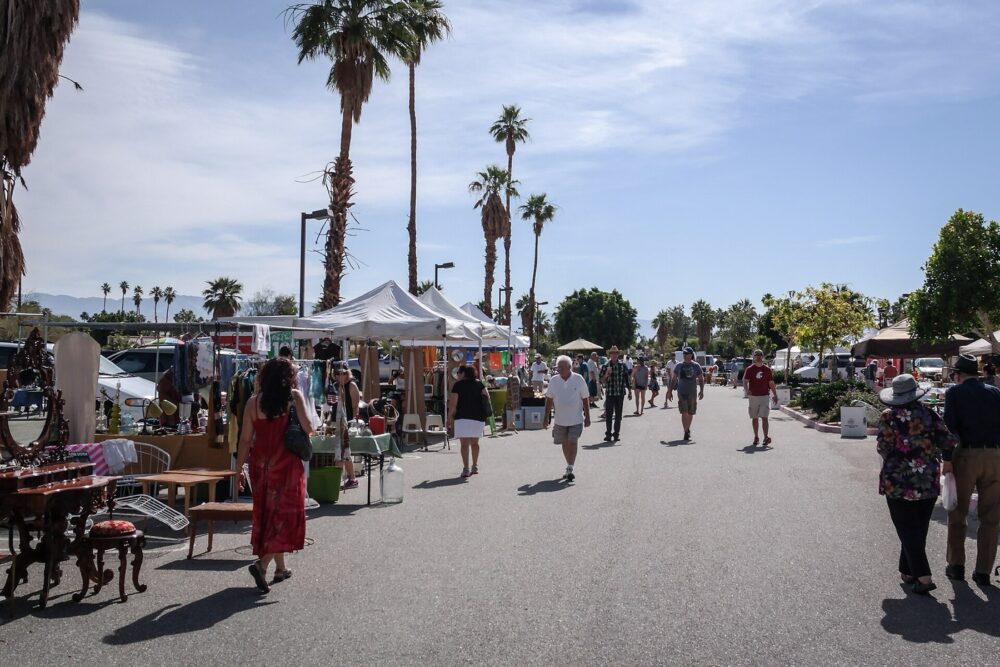
2. Poor condition on vintage pieces Vintage molcajetes sold through antique shops, flea markets, estate sales, or online marketplaces can have hidden problems:
- Hairline cracks that widen once you start grinding.
- Deep grooves that trap old food residue.
- Wobbly bases that make grinding awkward or unsafe.
These channels can absolutely yield great finds, but they rarely offer standardized inspection. You’re relying on your own eye and the seller’s honesty.
3. Unclear origin and craftsmanship Authentic molcajetes are traditionally made in parts of Mexico by stone artisans. Many mass-market pieces have no origin info at all. Without some context—region, workshop name, or artisan story—it’s hard to know whether a piece is a cultural tool or just decor.
4. Inconsistent quality in wholesale batches Wholesale buyers often worry less about one perfect heirloom and more about consistency across 10-50 units. Depending on the supplier, batches can mix high-quality pieces with rough or poorly finished ones. If you’re stocking an online store or restaurant, that inconsistency turns into returns, complaints, or operational headaches.
None of this means the market is a scam. It does mean you should treat molcajetes like vintage tools or cultural artifacts: inspect carefully, ask questions, and be ready to walk away when information is thin.
Universal Checks Before You Buy a Vintage or Wholesale Molcajete
Whether you’re buying one molcajete on Etsy or a wholesale case through an importer, the trust steps are similar. Think of them in three buckets: stone, story, seller.
1. Stone: What to look for in photos or in-person
Use listing images or your own inspection to answer:
- Texture and pores: Authentic volcanic stone usually has irregular pits and a rough feel that “grips” dry ingredients. Uniform, bubble-like holes can suggest cast cement.
- Weight vs size: Volcanic stone is dense. If a large molcajete feels surprisingly light relative to its size, that’s a red flag.
- Surface wear: Vintage pieces should show natural rounding and discoloration where grinding happened, not just random chips.
If you’re buying online, ask the seller for close-up photos of the interior grinding surface and rim, ideally in natural light.
2. Story: Origin and provenance cues
Authentic cultural tools are easier to trust when they come with a clear story:
- Origin details: Region of Mexico, workshop, or artisan name. Even a simple “hand-carved in Puebla by a family-run taller” is better than silence.
- Age and use: For vintage, ask how the prior owner used it (kitchen vs decor) and how long. Vague answers like “very old” without specifics are weak signals.
- Labels or markings: Some modern artisan brands mark their work; older village-made molcajetes often won’t. Lack of markings isn’t a deal-breaker, but mismatched branding (e.g., a modern logo on a piece claimed as mid-century) should trigger questions.
This mirrors broader cultural-artifact guidance: origin info, craftsmanship quality, and reputable sources are stronger trust cues than aesthetic alone.Source
3. Seller: Reputation and documentation
For any platform or wholesale source, look beyond the object:
- Sales history in similar items: On marketplaces like Etsy vintage molcajete listings or eBay, favor sellers who regularly handle Mexican kitchenware or stone tools, not random one-off sellers.
- Review detail, not just stars: Reviews that mention stone quality, grinding performance, or condition tell you more than generic “came fast” comments.
- Return or replacement willingness: Especially for wholesale orders, check whether the seller will work with you if a portion of the batch arrives cracked or clearly non-volcanic.
This same mindset applies to cross-border marketplaces like DHgate. You can treat DHgate as one optional sourcing channel, but you’ll need to vet each listing and seller yourself: check prior buyer feedback, ask for detailed photos and origin descriptions, and avoid paying outside the platform. For deeper DHgate-specific checks, pages like Assess DHgate listing and seller risk and Find trusted sellers on DHgate offer more targeted questions to ask.
Compact authenticity checklist
Before you click “buy” or wire money for a wholesale batch, make sure you can tick most of these boxes:
- Clear, close-up images of interior and rim.
- Description that mentions stone type or carving process.
- Some origin context (region/artisan/workshop or importer story).
- Seller with a track record in Mexican kitchenware or cultural goods.
- For vintage: honest notes about wear, chips, or repairs.
None of these guarantees authenticity or food safety, but skipping them increases the odds of ending up with decor-grade stone or a tool that fails in real use.
How Different Platforms and Channels Handle Trust for Molcajetes
The right channel depends heavily on whether you’re a home cook hunting for one special piece or a small retailer needing repeatable stock. Here’s how major options differ on trust mechanics.
Vintage one-offs vs wholesale artisan stock
Vintage molcajetes are mostly sold as individual pieces; wholesale focuses on repeatable supply. The trust signals and trade-offs differ enough to be worth a side-by-side look:
| Channel / Platform | Typical Role in Market | Trust Strengths | Trust Gaps |
|---|---|---|---|
| Etsy (vintage molcajetes) | One-off vintage and artisan pieces from independent sellers | Rich photos, seller bios, and buyer reviews; many sellers specialize in Mexican vintage kitchenware.Source | Etsy doesn’t authenticate “vintage”; you must judge age, origin, and stone yourself from photos and descriptions. |
| eBay & online auctions | Mixed vintage stock, occasionally molcajetes, plus estate-sale lots | Auction history and feedback show how a seller treats buyers; some listings include detailed condition notes. | Competitive bidding can push prices up; descriptions may be sparse, and buyer must scrutinize photos and ask questions. |
| Local antique shops, flea & estate markets | In-person vintage hunting for individual molcajetes | You can handle the piece, feel the stone, and inspect for cracks or repairs directly. | Limited selection; sellers may know little about origin; no structured review system beyond your own judgment.Source |
| Faire wholesale marketplace | Wholesale Mexican molcajetes and related kitchenware for retailersSource | Curated wholesale focus; you can compare multiple makers offering “Mexican molcajete” lines and place repeat orders. | Not every listing is hand-carved volcanic stone; you still need to read product specs and vet each brand. |
| Cuevas Imports & similar specialty importers | Wholesale Mexican kitchenware and molcajetes for US businessesSource | Narrow focus on Mexican goods; site descriptions often highlight traditional kitchenware categories. | You’re relying on the importer’s sourcing claims; artisan credentials or stone type may still be vague unless specified. |
| Dedicated molcajete shops (e.g., specialty sites) | Focused retail on molcajetes and sometimes wholesale | Strong storytelling around artisans, regions, and carving processes; some show workshop photos. | Higher per-unit pricing; authenticity still rests on the shop’s documentation, not external certification. |
Scenario: home cook vs small ecommerce seller
Home cook wanting one heirloom piece Etsy, eBay, or a local flea market are realistic options. For online marketplace buys, prioritize:
- Sellers with multiple sold molcajetes or Mexican cookware.
- Listings with clear origin notes and close-up stone photos.
- The ability to ask questions before purchase.
For in-person markets, let your hands guide you: feel the texture, check for wobble, look closely at the grinding surface, and walk away from pieces that feel suspiciously light or overly smooth.
Small ecommerce business building inventory Wholesale-focused channels like Faire, Cuevas Imports, or dedicated molcajete shops are more efficient. Trust work here is about sampling and consistency:
- Order a small test batch before committing to larger quantities.
- Document which supplier, workshop, or artisan line each product page refers to, so you can keep origin claims honest.
- Decide whether you’re comfortable selling decor-grade molcajetes or only marketing pieces as functional kitchen tools once you’ve tested a sample.
You can layer in cross-border marketplaces like DHgate as a secondary sourcing option, but expect more legwork: checking each listing, asking for artisan or factory details, and verifying that the stone description aligns with how you plan to market the product. For wholesale sourcing mechanics on DHgate itself, Find wholesale suppliers on DHgate explains how to narrow down and interrogate suppliers more systematically.
The practical verdict: the vintage and wholesale molcajete market is usable, but not trust-free. Authentic volcanic stone tools exist across Etsy, eBay, local markets, specialty shops, and wholesale platforms—but so do decorative or low-quality pieces. By insisting on a believable origin story, scrutinizing stone texture and wear, and choosing channels where the seller’s reputation is visible and testable, you can reduce risk enough to buy confidently, whether you’re stocking your own kitchen or your online store.