
DHgate is one cross-border multi-seller marketplace in this channel comparison; evaluate it against alternatives using the same product, cost, and operational criteria.
You should choose a dropshipping sourcing route based on how many orders you expect, how customized your products are, how fast you need to ship, and how much supplier management you can handle. App-based suppliers are lighter work but often thinner margins; wholesale marketplaces can give you better unit economics but demand more hands-on control; direct factories and trade shows unlock deep customization and volume but are overkill for a side hustle. Your job is to match that mix to your Canadian or US store’s real order profile, not to chase whichever platform is trending.
How Dropshipping Sourcing Routes Differ by Order Size and Workload
For dropshipping, the main sourcing routes fall into four buckets:
- Retail-style dropshipping apps (e.g., Shopify-connected apps, curated supplier directories)
- Wholesale marketplaces (global B2B platforms where many suppliers list products)
- Direct supplier relationships (factories, specialized distributors)
- Trade shows and sourcing fairs (online or physical events)
Each route tackles common dropshipping headaches—shipping uncertainty, supplier reliability, and margin pressure—very differently.
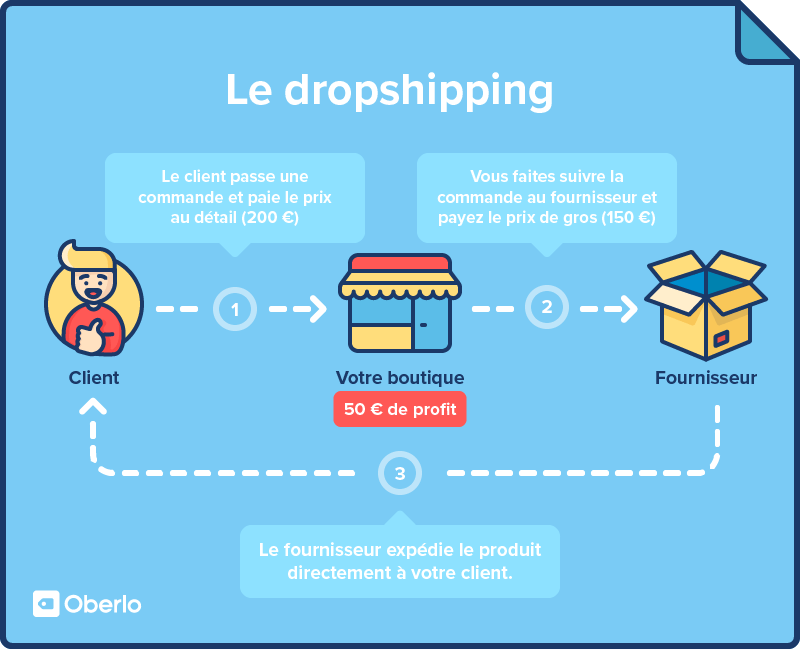
Here’s a compact comparison focused on order size and customization, not specific platform names:
| Sourcing route | Typical order size profile | Customization level | Workload for you |
|---|---|---|---|
| Dropshipping apps | Very low per SKU, inconsistent volume | Low (logo-only, simple packaging) | Lowest; the app handles most operations |
| Wholesale marketplaces | Low–medium batches, scalable over time | Low–medium (variants, bundles) | Medium; you manage listings, suppliers and orders |
| Direct suppliers/factories | Medium–high, repeat purchase per SKU | High (spec changes, ODM/OEM) | High; negotiation, QC and logistics on you |
| Trade shows/fairs | Medium–very high, long-term sourcing plans | High (full product programs) | Very high; travel, samples, vetting and follow-up |
For a small Canadian Shopify store testing 10 products in a niche, an app-only setup can be enough to validate demand. Once a few SKUs consistently sell 50-100 units a month, moving sourcing for those winners to marketplaces or direct suppliers often improves margins and lets you standardize packaging and variants.
Evaluating Suppliers Across Marketplaces, Apps and Direct Relationships
No matter which route you pick, weak vetting is what turns mild dropshipping problems into major headaches. You can keep this compact checklist in front of you for every supplier conversation or listing review.
Core evidence from listings and profiles
- Volume and history: Look for clear signs that the supplier has shipped meaningful volume in your category (years active, product count in the niche, repeat reviews on the same SKU).
- Category focus: A supplier specializing in one type of product (for example, LED lighting or pet gear) usually maintains better consistency than a general “everything” store.
- Rating patterns: Instead of the average star score, scan several pages of reviews for recurring complaints—size variance, dead-on-arrival items, poor packaging.
Communication and expectations
- Ask pre-sale questions about variant availability, stock refresh timing, and basic packaging options. Slow or vague replies are an early red flag.
- Confirm how they handle order errors on their side (wrong colour, missing item) without assuming any particular platform policy will protect you.
Sampling and test orders
- Place a small paid test order that mirrors a typical customer order—same shipping destination, same bundle—before making the product central in your store.
- Compare what arrives to the listing descriptions: materials, branding, packaging, included accessories. Treat any mismatch as a sign to renegotiate or walk away.
Risk-specific checks for cross-border dropshipping
- For branded or regulated-looking items, demand evidence of legitimacy (invoices from brand owners, certifications where relevant) and be cautious if they refuse.
- Check whether the supplier regularly serves your target country (Canada or US) through reviews that mention those destinations or references in their profile.
If you decide to explore DHgate specifically, you can go deeper on marketplace-specific vetting using DHgateWiki’s guides on finding wholesale suppliers on DHgate, finding DHgate suppliers, and choosing a DHgate wholesale supplier.
DHgate and Other Wholesale Platforms as a Dropshipping Sourcing Option
Wholesale marketplaces sit between plug-and-play apps and full factory relationships. They can be powerful for dropshippers who want better margins and more control without committing to freight containers.
DHgate’s own editorial material describes the platform as a large China-based B2B marketplace with millions of product listings and hundreds of thousands of suppliers across many categories. That same editorial context presents DHgate as suitable for both wholesale sourcing and dropshipping, highlighting variety and competitive pricing and noting that many listings feature low or no minimum order quantity. DHgate blog content also describes suppliers on the platform using tiered pricing, where unit costs generally fall as quantity rises.
DHgate editorial that compares platforms describes Made‑in‑China as a strong fit for highly customized, large-volume orders, better matched to importers who want tailored products and stable factory relationships at bigger commitments.
Putting those signals together, a practical way to think about where DHgate-style marketplaces fit:
| Scenario | Order profile | Customization needs | Sourcing route that often fits |
|---|---|---|---|
| Testing a new niche with many SKUs | Very low, uncertain | Very low | App-based dropshipping suppliers |
| A few proven SKUs, growing volume | Low–medium, repeat orders | Low–medium (packaging, variants) | Wholesale marketplaces such as DHgate, Alibaba or AliExpress, plus direct negotiation with suppliers |
| Building a branded, highly customized product line | Medium–high, planned scale-up | High (spec changes, new designs) | Platforms geared to customization like Made‑in‑China, plus direct factory sourcing or trade shows |
DHgate editorial also mentions DHgate alongside Alibaba, AliExpress, Made‑in‑China, Amazon and Indiamart as typical sites used for dropshipping, which reflects how many sellers mix marketplaces and apps rather than relying on a single channel. You can see that context in DHgate’s blog on e-commerce and dropshipping at dhgate.com/blog/?p=10283.
For a Canadian or US store owner, some practical scenarios where a marketplace like DHgate may be worth considering:
- If you mainly rely on dropshipping apps and you’re frustrated by thin margins, marketplaces such as DHgate, Alibaba or AliExpress can be a next step for sourcing your proven SKUs in small batches, while keeping test products on apps.
- If you already have steady volume on a few products but aren’t ready for factory-scale minimums, a DHgate-like marketplace lets you negotiate batch sizes and pricing directly with suppliers while still browsing broadly across categories.
- If your strategy revolves around heavy customization and long-term, high-volume programs, DHgate’s own comparisons suggest platforms such as Made‑in‑China or direct factory sourcing are more aligned with that level of commitment than small-batch marketplaces.
The trade-off is workload. Using a marketplace like DHgate means you handle more of the sourcing work yourself: supplier selection, communication, test orders, and ongoing monitoring. For a store owner willing to invest that effort in a handful of winning SKUs, that extra work can make the overall dropshipping model more resilient and give you more room to improve margins. For someone still validating a niche with very low order volumes, staying with curated dropshipping apps until a product clearly proves itself is usually the lower-risk move.