
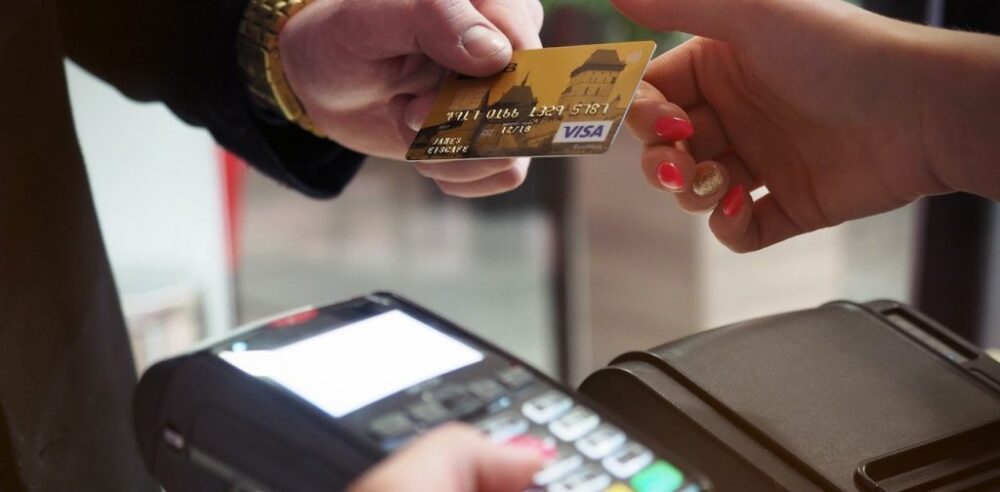
Using a credit card on a cross-border marketplace can offer useful recordkeeping and issuer dispute options, but it is not a guarantee that every order will be refunded or that every seller is reliable. Safe buying depends on the exact checkout page, the seller and listing, the order record, and how quickly you act if something goes wrong.
At a glance
Use the marketplace’s normal checkout rather than an off-platform payment request. Check that the checkout address is correct, review the final order total, use a card with transaction alerts if available, and retain the listing, seller messages, and order confirmation. Current payment methods and protections may vary by destination and platform policy.
Before entering card details
- Confirm that you are on the legitimate platform checkout page and that the URL and merchant information make sense.
- Read the exact product option, quantity, shipping method, total cost, and expected delivery information.
- Review seller feedback for the current listing and ask questions inside the marketplace message system.
- Do not send card numbers, bank-transfer details, or payment links through a seller chat, email, or social account.
What a credit card can and cannot do
| Useful protection | Important limitation |
|---|---|
| A card statement can document the charge and payment date. | It does not prove the item was misdescribed or that the marketplace process was followed. |
| Transaction alerts can help you spot an unfamiliar charge quickly. | They do not replace checking the order, seller, and checkout details before paying. |
| An issuer may have a dispute process. | Requirements and outcomes depend on the issuer, timing, evidence, and jurisdiction. |
Keep an order evidence file
Save screenshots of the selected listing, stated material or compatibility details, seller messages, checkout total, and order confirmation. When the parcel arrives, photograph the outer package, shipping label, and item before use. If the item is missing, damaged, incorrect, or materially different, this record helps you explain the issue through the order’s current support path.
If something looks wrong
- Check the transaction against your order confirmation.
- Use the marketplace order page to review the current after-sales or dispute option and any deadline shown.
- Describe the issue factually, attach relevant evidence, and keep communications in the recorded channel.
- Contact your card issuer promptly if you see an unrecognized charge or need to understand its current dispute process.
Common warning signs
- A seller asks you to pay outside the normal checkout flow.
- The listing, message, and checkout details conflict on price, product, or shipping.
- A payment link leads to an unrelated domain or asks for unnecessary information.
- The seller pressures you to act before you can confirm the order terms.
Frequently asked questions
Is it safe to use a credit card on DHgate?
Use the official checkout and assess the particular seller and order. No payment method turns a marketplace order into a risk-free purchase; preserve the transaction record and confirm current platform terms before paying.
Should I pay a seller directly to get a lower price?
No. An off-platform request can remove the order record and make it harder to use the marketplace’s support process. Keep payment and meaningful seller promises inside the normal checkout and message channels.
Does a credit-card chargeback always solve an order problem?
No. Card issuers have their own rules, time limits, and evidence requirements. Start with the order-level process where appropriate, document the issue, and ask your issuer about its current procedures if needed.
Editorial note: This is general buyer-safety information, not financial or legal advice. Payment availability, platform procedures, and issuer rules may change. Last reviewed August 2026.