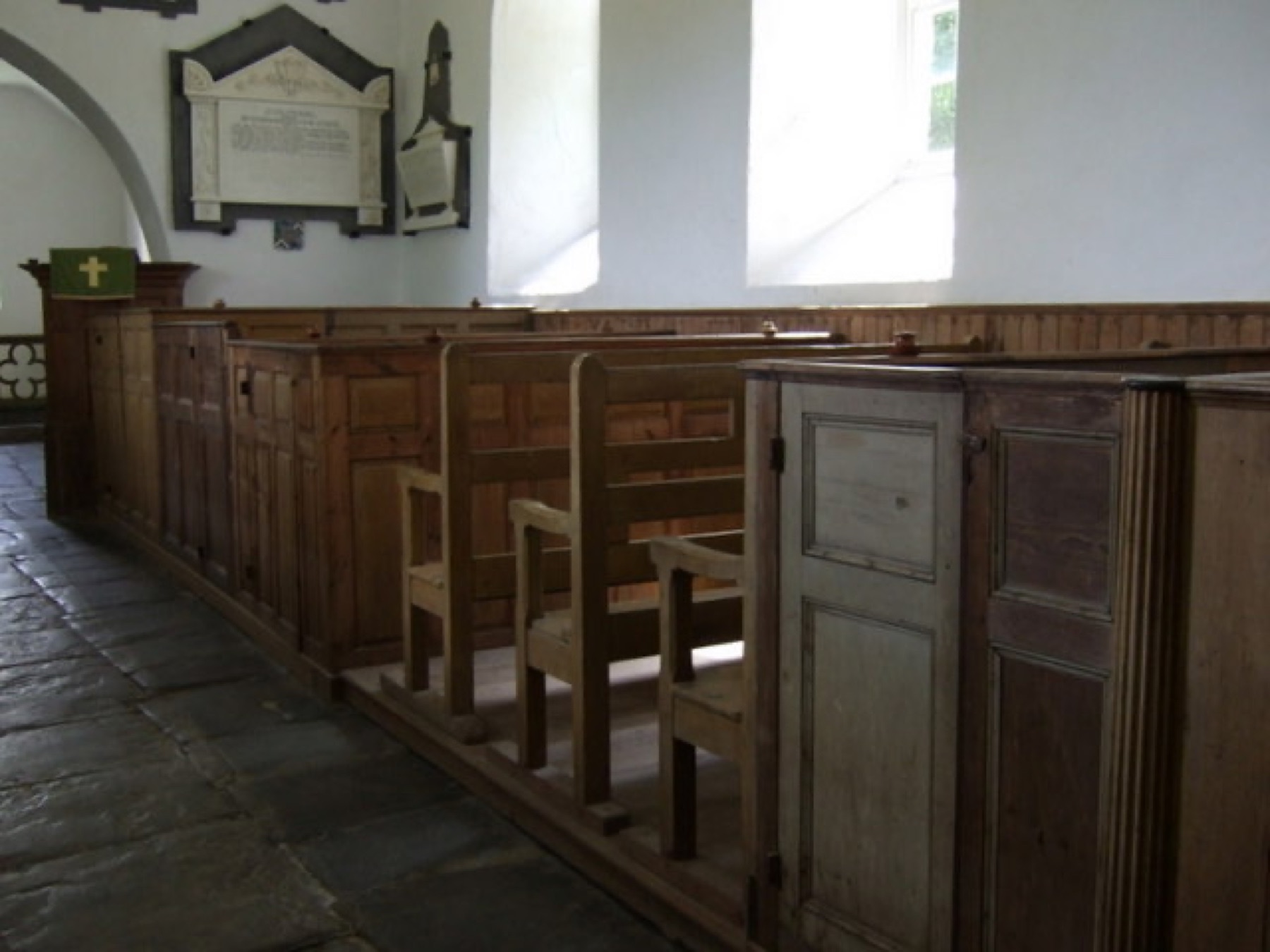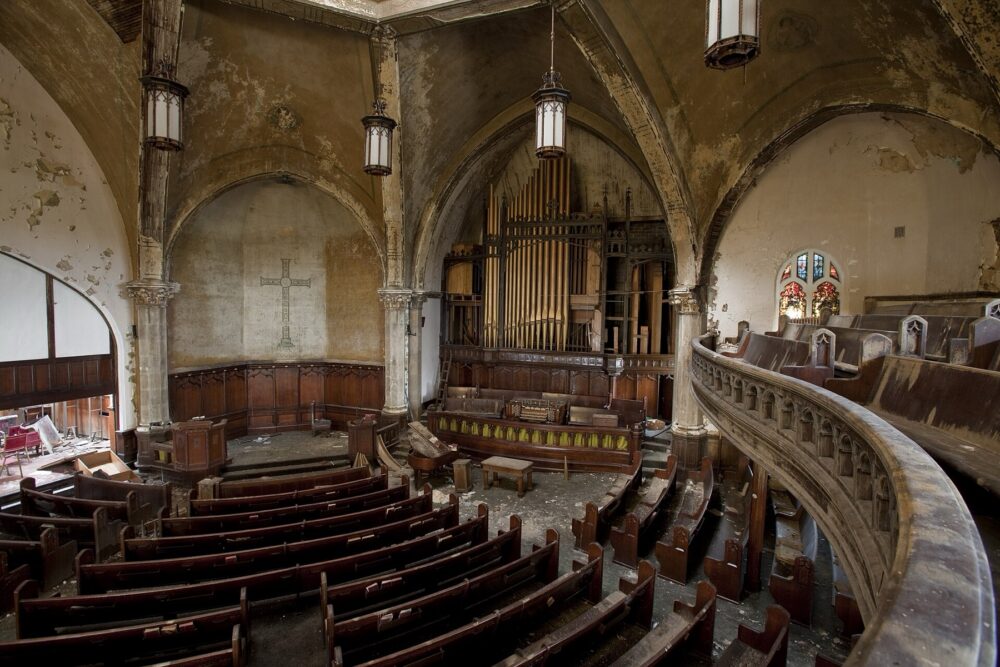
Bulk church pews and seating for Australian churches are mainly supplied by specialist pew and chair manufacturers, broader commercial furniture firms, and secondhand sellers. For a renovation or new build, fixed pews and large runs of seating are usually made to order, so you should budget roughly 8-16 weeks from final design approval to delivery, and longer if you’re importing or coordinating installation around construction. Smaller orders of stackable church chairs can often be supplied from stock and arrive sooner, but major sanctuary refits still tend to follow a multi‑month timeline.
The right sourcing route depends on what you’re trying to achieve: preserving a heritage interior with timber pews, shifting to flexible chair layouts, or mixing both. It also depends on how much customization, installation support and local warranty you want versus lower unit costs from overseas factories.
How Church Pews and Seating Are Supplied for Australian Churches
If you’re planning seating for 100-500 people, you’re not buying residential furniture; you’re commissioning a commercial fit‑out that shapes worship for 15-20 years. Australian suppliers such as Sanctuary Seating emphasize that buying church chairs is a long-term decision that affects every service for a decade or more.
Church seating generally falls into three categories:
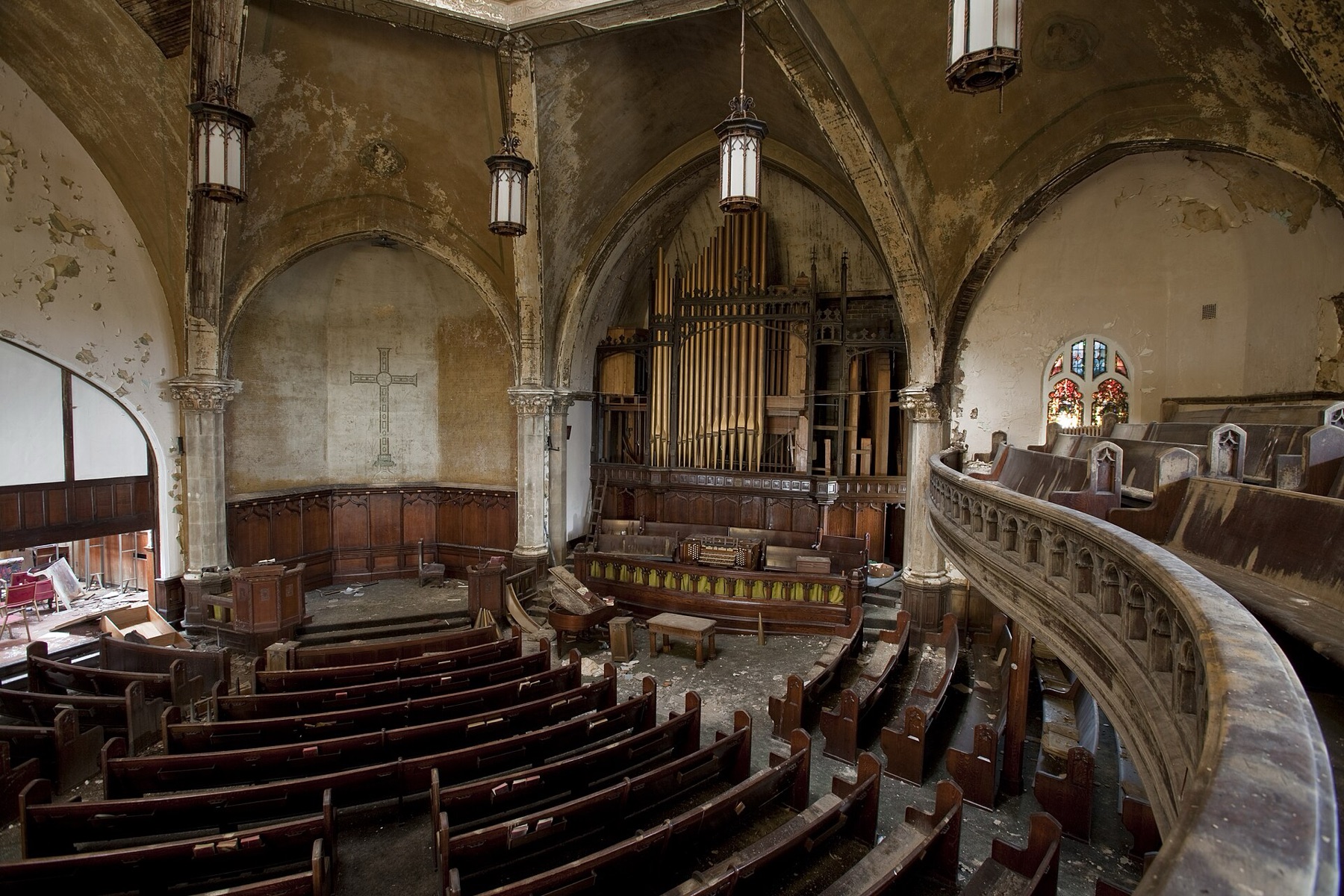
- Traditional pews – Long, fixed timber benches with backs. Often custom-sized to the nave, with integrated kneelers or book racks.
- Modern church chairs – Upholstered or timber chairs, usually stackable or linkable. Sanctuary Seating and commercial firms like Emtek Furniture offer ranges specifically targeted at churches.
- Hybrid solutions – Mix of pews and chairs, or bench seating plus movable chairs in side spaces.
For Australian projects, the bulk supply landscape typically looks like this:
- Specialist church seating manufacturers. These focus on worship spaces and often distribute into Australia with tailored ranges of church chairs and pew-like seating. They tend to offer design advice, layout planning and project management.
- Commercial furniture suppliers. Firms that supply seating across churches, schools, cafés and public venues, as Sanctuary Seating describes, with a mix of standard models that can work in sanctuaries.
- Secondhand and salvage. Used pews show up on marketplaces such as Gumtree, where you’ll find one‑off pews and benches from decommissioned churches or renovations.
For new builds, most committees lean on specialist manufacturers or commercial suppliers to ensure seating meets building code, accessibility and acoustic requirements. For small renovations, salvaged pews or mixed‑source chair purchases can make sense if you’re comfortable doing more of the coordination yourself.
Choosing and Vetting Suppliers for Bulk Church Seating
For a sanctuary refit, the supplier decision is almost as important as the product. Alloyfold’s Australian article on church chairs vs pews frames seating choice as stewardship: comfort, accessibility and flexibility all matter because you’re serving a diverse congregation over many years.
Practical steps to narrow and vet suppliers:
- Align product type with mission and building.
- If you’re preserving a heritage timber interior, prioritize manufacturers or restorers with proven pew projects and the ability to match existing wood species and profiles (often showcased in their galleries or case studies).
- If you want multi‑use space (worship, youth nights, community events), look at suppliers whose ranges include linking or beam church chairs, as seen on Emtek’s church seating page.
- Check sector experience, not just product photos.
- Sanctuary Seating explicitly positions itself as church‑focused rather than generic office furniture, which is a good pattern to look for.
- Ask any supplier how many church projects they’ve delivered in Australia, and request contactable references from committees similar in size to yours.
- Use reputation signals specific to worship furnishings.
- Liturgical buying guides, such as DHgate’s editorial piece on liturgical items, recommend looking for established retailers, reading reviews, and asking for recommendations from fellow worshippers. Apply that here by checking testimonials on church seating sites, social proof on pages such as Church Furniture Australia’s Facebook profile, and independent Google reviews for the business name.
- Interrogate construction details.
- For chairs: ask about frame material, fabric rub counts, foam density, and tested weight limits. Sanctuary-style providers often highlight durability and long-term performance; if a supplier can’t answer these questions clearly, treat that as a red flag.
- For pews: request drawings showing fixing methods to the floor, joinery details at ends, and options for integrated kneelers or book storage.
- Secondhand routes: inspect in person.
- Gumtree listings for church pews range from short bench seats to long traditional pews. Before committing, inspect for rot, loose joints and previous cut‑downs. Measure lengths and check how many rows your space can realistically take after fire‑exit and aisle allowances.
If you’re considering cross-border sourcing from overseas factories or online marketplaces, keep communication structured: specify total seat count, row length, aisle spacing, accessibility needs, and any heritage constraints. Share architects’ drawings early, so you aren’t left trying to retrofit unsuitable furniture into a finished building.
MOQ, Pricing, Lead Times and Channel Trade‑offs for Church Seating
In practice, your timeline and budget will push you toward one of three channel types: local specialist, general commercial supplier, or imported/marketplace sourcing.
Typical lead-time patterns
You won’t get precise guarantees without a supplier quote, but these broad patterns hold for Australian projects:
- Custom pews or fully tailored chair layouts – Design and approvals, followed by manufacture and finishing. Many churches experience 8-16 weeks from final sign‑off to delivery, plus time for installation and coordination with builders.
- Standard church chairs from local stock – If a supplier carries popular models in Australian warehouses (e.g., stackable reception or function chairs sold into churches by firms like Apex or Robinson Group), lead times can compress to a few weeks, subject to stock and freight.
- Secondhand pews – Timing depends on what you can find and how fast you can organize transport, refinishing and installation. Availability is ad‑hoc; you may wait months to assemble enough matching seating.
Channel choices for bulk orders
Here’s a practical way to think about the main routes:
| Channel type | Best for | Typical pros | Typical trade‑offs |
|---|---|---|---|
| Specialist church seating maker | Mid‑to‑large refits, new builds needing layout help | Worship‑specific design support; tailored comfort and durability; project coordination | Higher upfront cost; design/approval adds time |
| Broad commercial furniture supplier | Smaller churches, multi‑use halls, budget‑sensitive projects | Wider range of chairs; potential stock availability; can furnish other areas too | Less liturgical focus; pew options may be limited |
| Secondhand (e.g., Gumtree pews) | Heritage ambiance on a tight budget, DIY projects | Low unit cost; reclaimed character | Inconsistent sizes; no warranty; more DIY logistics |
Imported seating from overseas factories sits somewhere between the first two rows: potentially lower unit prices and broad choice, but more complex logistics, customs clearance and difficulty resolving after‑sales issues if something isn’t right.
Where online marketplaces like DHgate fit
Online marketplaces can list a wide range of furniture and seating from multiple vendors. DHgate’s own editorial content on furniture shopping describes marketplaces as a way to access many vendors at once, but stresses the need to review individual sellers and product details carefully.
For bulk church seating, generic marketplace listings often focus on folding, dining or conference chairs rather than worship‑specific pews or fully engineered church chair systems. That makes them a possible option for:
- Temporary or overflow seating (e.g., folding or plastic chairs for events).
- Small resellers testing a limited run of chairs for multi‑use halls.
If you explore DHgate or similar platforms, treat it as one sourcing route among many. Check each seller’s reviews, product specifications, and photos, and be clear that you may not get the design consultation and long-term accountability that specialist church seating firms provide. For practical guidance on vetting DHgate vendors, DHgateWiki has detailed sourcing pieces such as finding wholesale suppliers on DHgate, how to find DHgate suppliers, and choosing a DHgate wholesale supplier.