
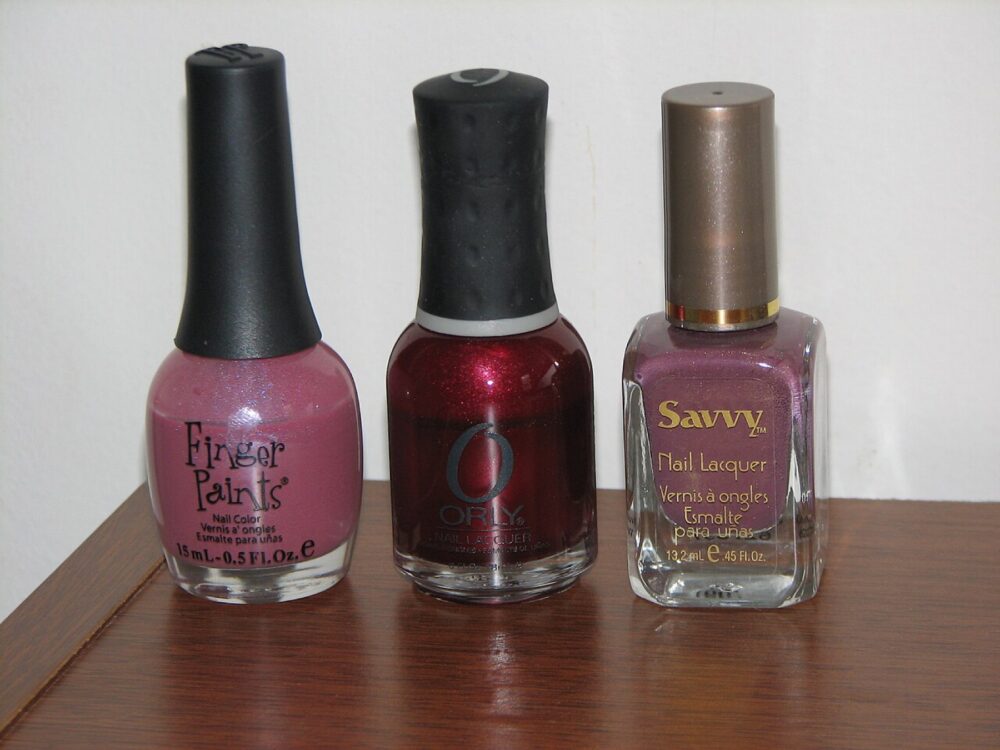
You can buy nail polish bottles and containers in bulk from three main places: US packaging distributors, global B2B marketplaces, and direct Chinese manufacturers. US distributors are best if you need smaller quantities quickly with minimal risk. Marketplaces and factories become attractive once you’re ordering in the thousands or want custom glass, caps, or decoration. The right choice depends on your volume, how unique you want your bottle to look, and how much complexity you’re willing to manage in cross‑border sourcing.
For a US indie nail brand or small ecommerce shop, start by defining your bottle: capacity (often 5-15 ml for polish), shape, glass vs plastic, brush style, and space for labels. Then you can match that spec to the right type of supplier and channel instead of just hunting for “empty nail polish bottles” and hoping something works.
How Nail Polish Bottles and Containers Are Supplied in Wholesale
A nail polish “bottle” is a small packaging system: container, closure, brush, stem, and sometimes mixing balls. Most professional polish uses glass because it handles solvents well and feels premium, while some removers or auxiliary liquids use plastic. Common capacities for retail polish are in the single‑digit to mid‑teens milliliter range; guides like Lianxin’s size overview show many brands working in roughly the 5-15 ml band.
Wholesale supply breaks into a few buckets:
- Surplus and stock packaging distributors (US‑based)
Companies like McKernan buy surplus or overrun packaging from large brands and manufacturers, then resell it as “continuous supply.” That can include nail polish bottles, often alongside other cosmetic containers. You typically get:
- Ready‑made bottles in standard shapes and finishes
- Limited control over long‑term continuity (when a surplus lot is gone, it’s gone)
- Lower commitment than commissioning a new mold
Stock distributors such as General Bottle Supply also carry nail polish bottles as part of a broader catalog. Their 0.5 oz (around 15 ml) clear flint nail polish bottle is one example of off‑the‑shelf packaging that US buyers can order in modest quantities with per‑unit pricing and relatively quick dispatch.
- Cosmetics‑focused stock packaging catalogs
Some suppliers specialize in beauty packaging with nail polish sections: think catalogs of nail polish bottles, caps, and brushes designed specifically for lacquers and gels. These often offer:
- A cleaner, brand‑friendly range of shapes (square, round, rectangle, novelty)
- Mix‑and‑match components (bottle + specific brush + decorative cap)
- Better odds of reordering the same SKU over time
- Custom glass and component manufacturers (often China‑based)
Manufacturers like Lansenpack position themselves as custom nail polish bottle producers. They offer various shapes and sizes and can decorate (printing, spraying, etc.). With this tier you’re typically looking at:
- Custom molds or modified stock designs
- Decoration options aligned with your brand (logo, color, gradient)
- Higher minimums and longer lead times than surplus/stock
From a buyer’s perspective, surplus and stock distributors are your “fast and simple” options. Custom manufacturers become relevant once you care more about owning a distinctive look or building a long‑running line on a single bottle family.
Choosing and Vetting Nail Polish Bottle Suppliers
Once you know your rough spec, the next step is vetting specific suppliers and listings. This is where you protect your product from leaky caps, streaky brushes, or glass that doesn’t play nicely with your formula.
Make the product details work for you
Good listings or spec sheets for nail polish bottles usually cover:
- Material: glass type or plastic resin, often framed around chemical resistance and clarity.
- Capacity and dimensions: nominal ml/oz and height/width for shelf fit.
- Neck size and thread: so you can match caps and brushes correctly.
- Brush and stem options: length, shape (flat, round), and bristle stiffness.
Alibaba’s SmartBuy nail polish buying guide highlights material, neck size, brush, and formula compatibility as core decision points. Use that as a checklist—if a listing doesn’t answer those, you’ll have to ask.
For example, a US stock item like General Bottle’s clear 0.5 oz nail polish bottle comes with defined closure options and basic dimensional data. That kind of information lets you quickly judge whether it will work with your existing labels and brush preferences.
Buyer tip: Ask suppliers to confirm that the bottle/closure/brush combination is already used for nail polish or similar solvent‑heavy formulas, not just general cosmetics. You’re trying to avoid cap liner or brush failures.
Samples are not optional
Regardless of channel, plan on ordering samples before committing:
- Test how your polish fills, mixes, and wears over time in the bottle.
- Check for leaking in transit and in upside‑down storage.
- Evaluate brush performance: pickup, smoothness, and how far it reaches inside the bottle.
Articles like ESHA’s packaging piece on keeping polish fresh emphasize proper storage and compatible packaging; while it focuses on tips for finished product, the takeaway for sourcing is that small design choices—neck, closure fit, glass quality—impact shelf life.
Supplier behavior and red flags
Beyond the product itself, watch how the supplier behaves:
- Responsiveness and clarity: Do they answer material and compatibility questions directly, or deflect?
- Willingness to customize: For manufacturers, can they adjust brush length or cap color without reinventing the whole package?
- Documentation: Are basic drawings, material descriptions, and packing details easy to get?
Buyer tip: Treat packaging sellers like long‑term partners. If communication is slow or vague during sampling, it usually doesn’t improve once you’re wiring money.
MOQ, Pricing, Customization, and Online Channels for Different Order Sizes
Minimum order quantity (MOQ), price per unit, and customization options change dramatically depending on how and where you buy. Here’s a practical way to think about the main channels if you’re US‑based.
How channels usually differ
The table below is editorial judgment based on how these supplier types typically operate, plus examples from sources like McKernan, General Bottle, and Lansenpack. Treat it as a pattern, not a quote from any one company.
| Channel type | Typical MOQ feel (not exact) | Customization level | Pros for small brands | Main trade‑offs |
|---|---|---|---|---|
| US surplus/stock distributors | Low to moderate | Low (standard bottles, some color/cap choices) | Fast, simple ordering, domestic support, shorter transit | Higher per‑unit cost than factory; limited uniqueness |
| Global B2B marketplaces (China focus) | Low to high (varies by seller) | Medium (color, cap/brush, some decoration) | Wide choice, ability to test different suppliers | Quality consistency and communication vary by seller |
| Direct Chinese custom manufacturers | Moderate to high | High (shapes, molds, full decoration) | Ownable look, better alignment with long‑term brand plans | Larger commitments, longer lead times, cross‑border logistics |
For early‑stage brands, US stock packaging is often the first step: pay more per bottle, but start quickly and avoid customs complexity. As you grow, global marketplaces and direct factories make more sense.
A closer look at marketplaces, including DHgate
Global marketplaces give you access to many China‑based suppliers without negotiating with each factory from scratch. Listings can range from simple stock bottles to decorated, branded‑friendly containers.
On 2026-10-09, DHgate’s product data showed multiple nail‑related packaging listings, such as:
- 15 ml nail polish bottles and gel containers – a listing titled “15ml Nail Polish Bottles Nail Dryer Nail Gel Containers Bottles Nail Art Equipment Makeup Cosmetic Packing Bottles,” with a price range of about USD 44.27-84.38 per group and classified under a packaging‑related category;
- Small empty glass bottles with brushes – “Empty Nail Polish Glass Bottles With Brush ,Small Round Square Glass Bottle For Nail Polish ,Essential Oil Glass Container Vial,” priced roughly between USD 47.76-97.38 per listing batch;
- 10 ml empty nail polish bottles (sets) – “10/30pcs 10ml Empty Nail Polish Bottles Contaiers Beauty Acrylic Nail Enamel/Nail Gel Bottles With Brush Nail Gule Containers,” showing a range around USD 44.82-132.28;
- Mixed‑capacity transparent glass bottles – “10ML 5ML Empty Nail Polish Bottle Cosmetic Containers Nail Glass Bottles With Brush Transparent Glass With A Lid Brush,” broadly in the USD 20.91-21.53 band.
Each of these examples comes from individual sellers with their own terms; prices and availability can change at any time. They illustrate the variety you’ll see rather than endorsing specific offers.
If you explore DHgate or similar marketplaces, treat them as directories of potential suppliers rather than one unified vendor. Check each listing’s:
- Product specs (capacity, material, brush included, packaging per carton)
- Seller activity and any visible feedback
- Willingness to send samples and respond to packaging‑specific questions
For help thinking through marketplace supplier checks more broadly, you can also read DHgateWiki’s guides on finding wholesale suppliers on DHgate, finding DHgate suppliers, and choosing a DHgate wholesale supplier.
When custom manufacturers start to make sense
Custom manufacturers like Lansenpack, and other glass works that advertise nail polish bottles in varied shapes and decorated finishes, are better matched to brands that:
- Have a clear visual identity and want ownable bottle silhouettes
- Plan multi‑year production and can justify higher MOQs
- Need coordinated packaging families across polish, treatments, and gels
Here, your main job is to balance the long‑term brand benefit against cash flow and operational complexity. For a small US ecommerce label, a common path is:
- Launch on US stock bottles (from distributors or beauty packaging catalogues).
- Test demand and refine formulas and branding.
- Move part or all of the line to custom or semi‑custom bottles from a Chinese manufacturer once volumes support it.
If your volumes are still in the hundreds and you’re not locked into a single aesthetic, marketplaces and US distributors will almost always be simpler than jumping straight into a fully custom mold.
Ultimately, the right channel is the one that matches how committed you are—financially and creatively—to a particular bottle. Nail polish packaging is highly visible and brand‑defining, but you still need something you can actually afford to reorder.