
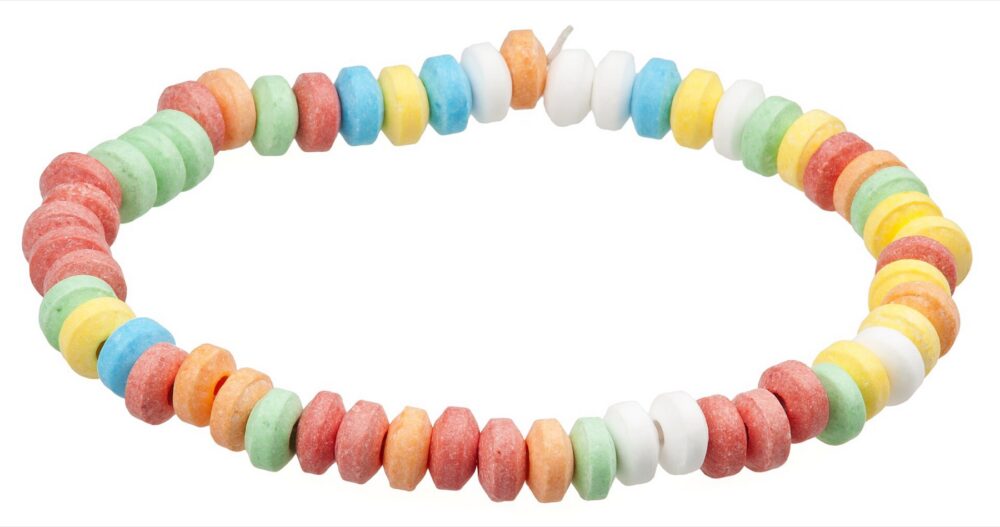
If you’re in the US and want the best candy bracelet selection, treat it as two jobs: buy small, fast quantities from nearby retailers for immediate events, and use vetted bulk or wholesale suppliers when you’re planning ahead or reselling. For parties, that often means grabbing packs at Walmart, Target, Dollar Tree, Amazon, or a local party store. For hundreds or thousands of pieces, sites like Candy Warehouse, Carnival Savers, Bottleblond Wholesale, Everful Wholesale, Funtasty Candy, or Faire can make more sense—but only after you’ve checked ingredients, packaging, and your true landed cost.
Below is how the category works, then how to choose the right suppliers and channels.
How Candy Bracelets Move Through the Market: From Factory to US Buyer
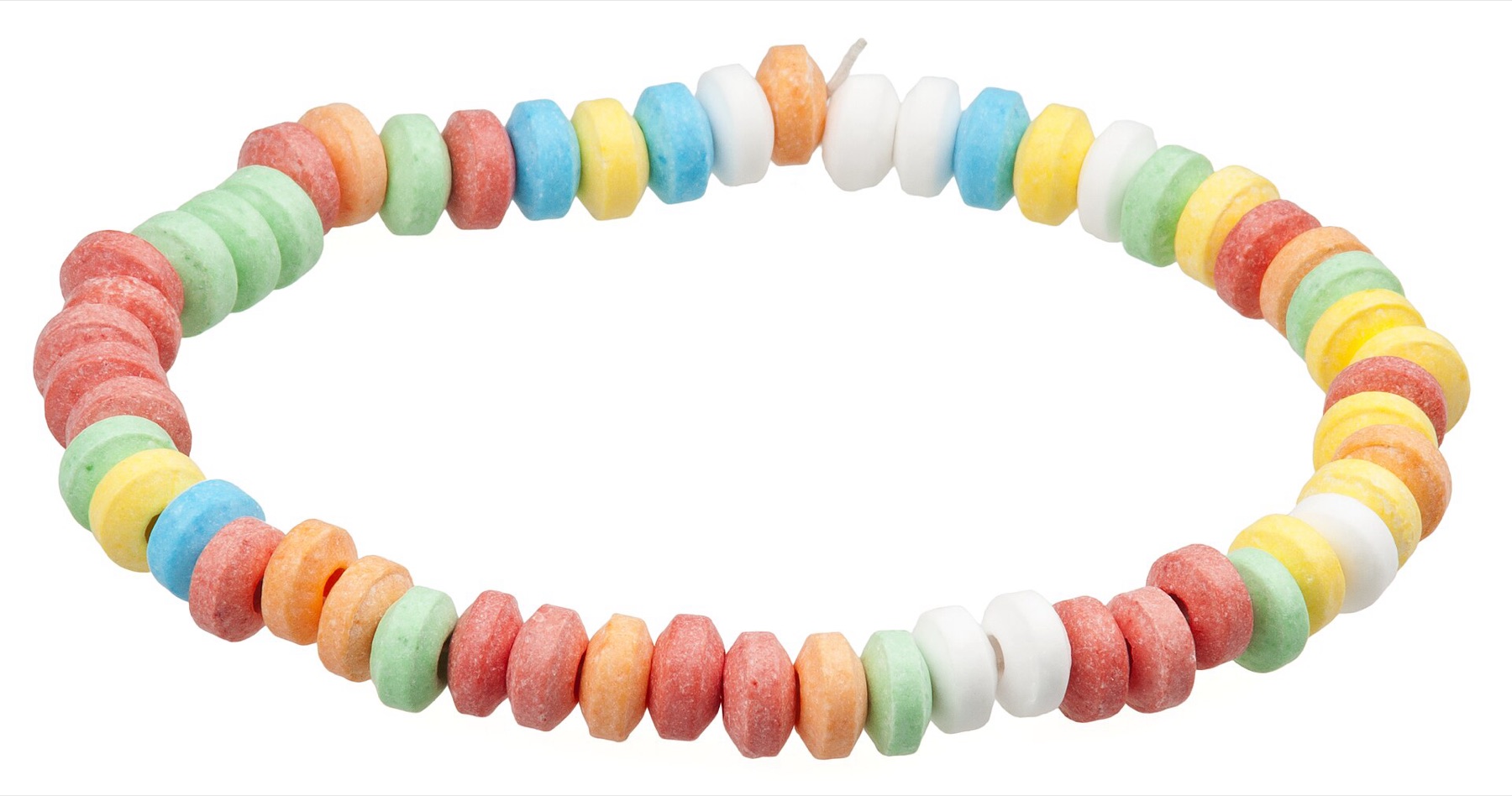
Candy bracelets are edible jewelry: small, colorful candy beads or pieces strung on elastic into bracelets that people wear and eat. DHgate’s editorial blog describes them as playful accessories popular with kids and nostalgic adults, and notes they’re widely used for parties and everyday treats. They sit in the same product family as candy necklaces, rings, and other candy jewelry.
Production is typically centralized at candy manufacturers that specialize in pressed sugar or gummy candies. The beads are formed, flavored (often fruit or sour profiles), dried, and then strung on elastic. Bracelet candies described in DHgate’s blog and on US sites like Funtasty Candy come in assorted fruit and sour flavors and bright colors, which is what makes them visually work as jewelry.
Packaging tends to follow two patterns:
- Individually wrapped bracelets for hygiene and easy handout in goody bags, school events, or retail.
- Bulk bags or cases where many loose wrapped or unwrapped bracelets are bundled together for event organizers or resellers.
From there, candy bracelets flow into several US channels:
- Mass retail & grocery: Walmart and Target show candy jewelry assortments, while Amazon lists multipacks and bulk counts for party favors.
- Dollar & party outlets: Dollar Tree and independent party chains stock smaller packs and sometimes basic bulk cases for seasonal demand.
- Specialty candy/bulk sites: Candy Warehouse’s candy jewelry category and its dedicated candy bracelet collection illustrate how the product is sold online in bags, tubs, and cases.
- Wholesale/event suppliers: Sites like Carnival Savers and Bottleblond Wholesale position bracelets as low-cost carnival, party, or resale prizes.
If you’re buying for a one-off birthday, you’re catching the tail end of that chain at retail. If you’re a small ecommerce seller or running regular events, you’re better off plugging closer to wholesale and bulk nodes, where case packs and better unit economics live.
Choosing and Vetting Candy Bracelet Suppliers
Because candy bracelets are food, supplier choice isn’t just about price. You’re responsible for what guests or customers eat, even if you’re not manufacturing it.
Use these concrete checks on any listing or supplier, whether it’s a US wholesaler or a marketplace seller:
1. Packaging and labeling photos Look for clear images of the outer bag or wrapper, similar to how Candy Warehouse and Funtasty Candy present their products. At minimum you should be able to see:
- Ingredient list and allergen statement.
- Net weight and serving information.
- Best‑by or production date.
If a listing only shows the candy itself with no packaging, treat that as a red flag for bulk purchases.
2. Unit format and count Suppliers like Carnival Savers sell candy bracelets by the case or large bag; Funtasty Candy’s example bag has a specific count of individually wrapped pieces. Even where exact numbers vary over time, you should confirm:
- Are bracelets individually wrapped or loose inside the master bag?
- How many bracelets per bag, and how many bags per case?
Ask the supplier to spell out this breakdown. It’s essential for both cost-per-piece and food safety planning.
3. Shelf life and storage guidance Pressed sugar bracelets usually have a relatively long shelf life, but flavored or sour coatings may react to humidity. Request shelf life information and basic storage advice (cool, dry, away from direct sunlight) so you don’t end up with faded or sticky stock.
4. Flavors and audience fit Bracelet candies in the DHgate editorial and Funtasty Candy example come in classic fruit flavors (strawberry, watermelon, grape, apple, cherry) and sour variants. For kids’ parties, that’s ideal; for a boutique nostalgia brand, you might prefer pastel or heart‑charm styles you’ll find in some Candy Warehouse or Faire listings.
Decide whether you want mixed flavors, color‑coordinated bracelets, or a specific aesthetic. Then choose suppliers whose product photos and descriptions match that vision.
5. Supplier reliability pattern On US wholesale sites like Bottleblond Wholesale, you can see if candy bracelets sit among a broader assortment of candy jewelry and party items, which suggests domain focus. On marketplace platforms like Faire, many candy bracelet listings are tied to named brands or small makers. Favor suppliers who:
- Specialize in candy or party goods, not random assortments.
- Have multiple candy products with consistent photography and descriptions.
If you’re ever looking at cross‑border options where edible candy is involved, double your scrutiny: request packaging photos, ingredient translations, and a small test order before committing.
Inline checklist of supplier questions for candy bracelets:
- Can you send a clear photo of the retail bag or wrapper, including ingredients and best‑by date?
- Are the bracelets individually wrapped? How many pieces are in each bag or case?
- What flavors and colors are included in the mix?
- What’s your recommended shelf life and storage?
- Do you regularly supply US buyers for events or resale?
Order Size, Pricing, and Channel Choice for Candy Bracelet Wholesale
Candy bracelets behave like most low‑cost party candy in terms of sourcing: small, urgent needs favor local retail; larger, predictable needs favor bulk or wholesale. Cross‑border marketplaces sit in a niche for specific styles or candy‑themed bracelets, not everyday edible stock.
Here’s a compact comparison to help you choose:
| Channel type | Typical order size & use case | Examples (non‑exhaustive) | Pros for US buyers | Trade‑offs & risks |
|---|---|---|---|---|
| Local retail / dollar / party stores | 10-200 bracelets for near‑term events | Walmart, Target, Dollar Tree, local party shops, Amazon candy jewelry listings | Fast, local, easy returns via store policies; no import complexity | Higher unit cost; limited styles; stock availability can vary |
| US bulk / wholesale sites | 200-5,000+ bracelets for recurring events or resale | Candy Warehouse, Carnival Savers, Bottleblond Wholesale, Everful Wholesale, Funtasty Candy, Faire | Better pricing per piece; case packs; event/resale‑oriented mixes | Larger cash outlay; must verify labeling and storage; lead time |
| Cross‑border marketplaces | Candy‑style bracelets or themed accessories; niche looks | Cross-border multi-seller and similar marketplaces for candy‑themed bracelets and jewelry | Access to unique candy‑look jewelry and beaded styles | Edible candy imports require extra legal/safety checks; verification is on you |
Where different buyers usually land
Party host scenario (birthday, classroom, youth group) If you need bracelets this week and you’re under a few hundred pieces, you’ll usually be best off with local channels:
- Grab candy jewelry assortments at Walmart or Target via their candy bracelet search pages.
- Use Dollar Tree or similar for simple, low‑cost packs, like the Greenbrier candy bracelets shown in same‑day delivery listings.
You pay more per bracelet than wholesale, but you avoid shipping uncertainty and ingredient labeling guesswork.
Small reseller or event organizer scenario If you’re filling goody bags every month or selling candy bracelets in a small online shop, those per‑piece costs add up. At that point, look at:
- Candy Warehouse for case or bulk bag formats in its candy bracelet collection.
- Carnival Savers for case‑style candy bracelet prizes geared to carnivals and fairs.
- Bottleblond Wholesale and Everful Wholesale for candy jewelry that matches a more curated or retro aesthetic.
- Faire for branded candy bracelet products sold by the case to retailers.
Ask each supplier about minimum order quantities (MOQs), but don’t chase the absolute lowest MOQ—chase the combination of safe packaging, reliable supply, and margin. For many small operations, testing one or two case sizes across different suppliers is the real starting point.
How cross‑border marketplaces like DHgate fit
DHgate is an online marketplace with many bracelet and candy‑themed jewelry listings, including colorful beaded “candy” bracelets and candy‑color silicone wristbands. It can be relevant if your focus is candy‑style fashion accessories rather than edible candy—say you want a candy‑look bracelet that won’t melt or expire.
If you ever consider DHgate or any cross‑border platform for edible candy itself, treat it cautiously:
- Never assume food products meet US labeling or import requirements just because they’re listed.
- Always request packaging photos and ingredient details before ordering.
- Place a small test order to inspect quality and labeling at home.
DHgateWiki has general buying guides for DHgate suppliers, such as finding wholesale suppliers on DHgate, how to find DHgate suppliers, and choosing a DHgate wholesale supplier. Those guides are written for non‑food categories but the vetting mindset—checking seller history, communication, and sample orders—still applies.
For most US readers, though, edible candy bracelets for parties or resale are simpler and safer to source through domestic retail and wholesale channels, keeping cross‑border marketplaces for non‑edible candy‑style accessories or very specific design needs.