
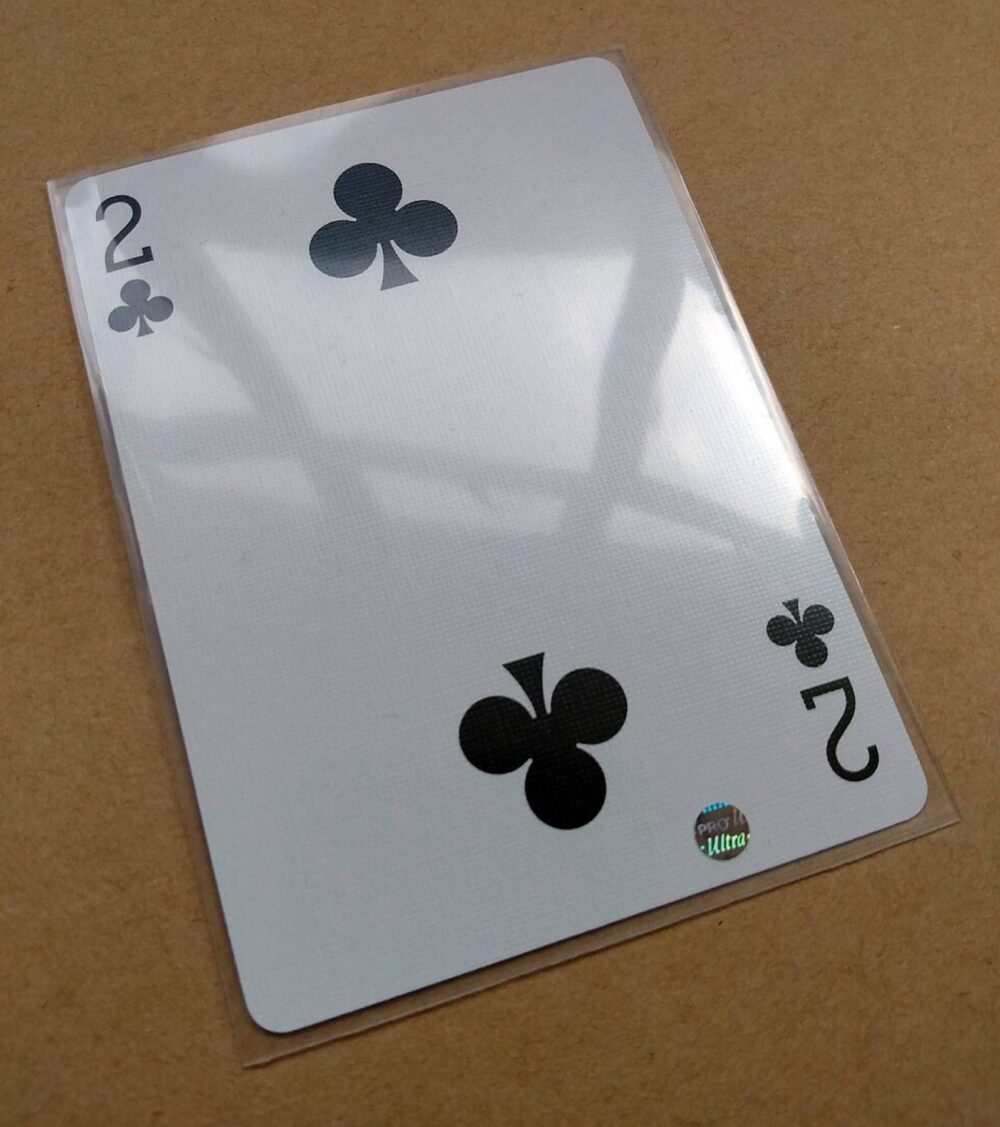
If you’re buying penny sleeves in bulk for a collection or a small card shop, treat sleeves as a consumable that can still damage value if you get them wrong. The safest move is to buy from proven card-supply channels, stick to non‑PVC, acid‑free polypropylene sleeves sized for standard 2.5″ x 3.5″ cards, and compare cost per sleeve instead of chasing the cheapest-looking pack. For large collections or ecommerce operations in Australia, that usually means branded sleeves from local specialty stores or big marketplaces, with cross‑border wholesale only after you’ve checked specs and seller credibility.
Why penny sleeve quality and source choice matter for collectibles
Poor penny sleeves can quietly trash your cards over time. Low-grade plastics can fog, stick, or leach chemicals; bad sizing can blunt corners; and inconsistent clarity can make your inventory look worse in photos and in person.
Look at how Australian stores describe their sleeves and you get a picture of what “legit” looks like. Shops like Slabd and Doublev Collectibles sell soft sleeves that are typically:
- Clear (for easy card inspection and resale photos)
- Non‑PVC
- Acid‑free
- Often described as archival‑safe polypropylene
- Sized for standard trading cards at roughly 2.5″ x 3.5″
Ultra Pro sleeves sold by Australian retailers follow that pattern. The Ultra Pro soft trading card penny sleeves at Heaps Good Cards & Collectibles and Online Coins and Collectables are positioned to protect cards from dust, dirt, natural oils from your hands, and surface scratches during handling and storage.
For a small business, cutting corners can backfire. If you use generic, cloudy sleeves or ones that aren’t clearly non‑PVC and acid‑free, you risk:
- Customers complaining about clouding or scratching
- Cards looking worse in product photography
- Long‑term buyers worrying about chemical interaction and avoiding your stock
In other words, penny sleeves are cheap, but the trust and condition they influence are not.
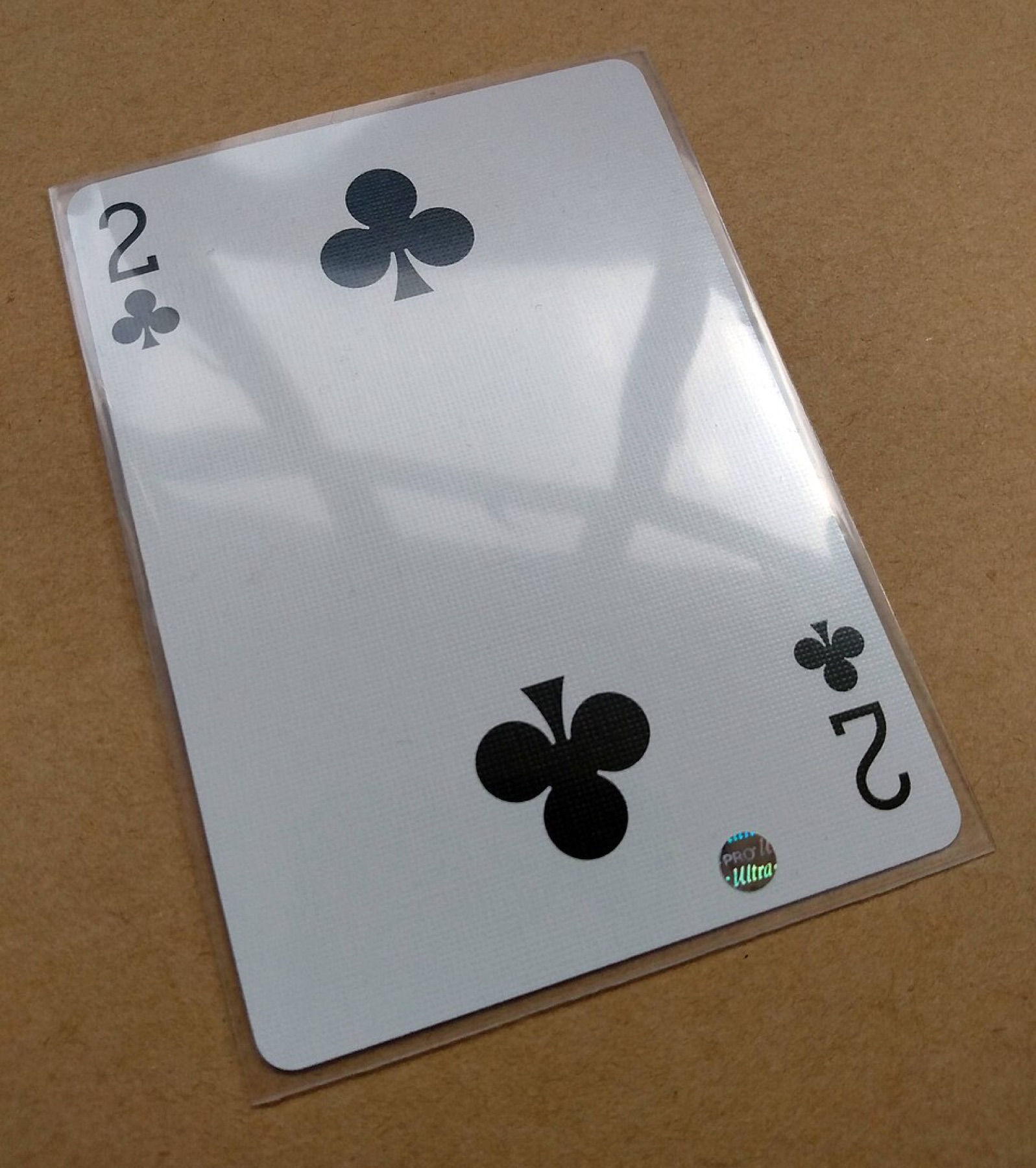
How to judge penny sleeve quality, price and channels before you buy
You can make bulk sleeve buying almost mechanical: check materials, sizing and pack data, then run per‑sleeve math across channels.
1. Quality signals to look for
From local Australian listings, a “safe by default” spec set looks like:
- Material: Clear polypropylene, explicitly non‑PVC and acid‑free. Doublev and Slabd both highlight non‑PVC, acid‑free polypropylene for their penny sleeves.
- Archival‑safe language: Many specialty shops describe sleeves as archival‑safe, echoing how Ultra Pro positions its sleeves through local retailers.
- Standard size: 2.5″ x 3.5″ (63.5 mm x 88.9 mm) for most trading cards. Fanatics Collectibles penny sleeves on Amazon Australia are sold as standard 2.5″ x 3.5″ soft sleeves in a 500‑count pack.
DHgate’s own editorial blog describes polypropylene as a common, cost‑effective sleeve material, with PET used when greater durability and clarity are desired. That’s useful context: polypropylene is the baseline you’ll see in most AU hobby sleeves; PET tends to show up in more premium, rigid or display‑oriented products.
For long‑term storage of anything you’d consider a “collectible,” treat PVC as a red flag. Some game sleeves are still PVC; if a listing doesn’t say PVC‑free or non‑PVC, assume you need to dig deeper.
2. Pack sizes and the per‑sleeve price check
Australian specialty card stores usually sell penny sleeves in clear, simple packs — often 100 sleeves per pack — with material and size specs in the description. That consistency makes cost comparison easy.
Here’s a simplified way to compare channels:
| Channel / example | Pack count | Branded? | What you can check easily |
|---|---|---|---|
| AU specialty store (Ultra Pro 100ct) | 100 | Ultra Pro | Material, size, brand reputation on product page |
| AU specialty store (generic 100ct) | 100 | Store / house | Material and size; brand reputation is the store |
| Amazon AU (Fanatics 500ct) | 500 | Fanatics | Material, size, aggregated ratings, seller info |
You’ll often find that branded 100‑packs from local stores cost more per sleeve than 500‑packs on Amazon, but you’re trading up to:
- Stronger brand recognition (Ultra Pro, Fanatics, etc.)
- Clear archival claims
- Familiar feel and fit if you or your customers already collect with those brands
For your own calculations, divide the total price by the pack count and compare dollars per sleeve, not per pack. That’s how you decide if a generic bulk option is truly cheaper than a branded one.
3. Mini scenario: collector vs small store
- Collector with 2-3 binders: Paying a bit more for Ultra Pro 100‑packs from an AU store like Heaps Good Cards is reasonable. You get known archival specs, and ease of replacing sleeves locally.
- Small online store shipping hundreds of cards: It can make sense to mix. Use branded sleeves (Ultra Pro, Fanatics) for high‑value singles and grading candidates, and a cheaper, still non‑PVC sleeve for low‑value inventory. Just keep product photography consistent so buyers aren’t surprised.
4. Where cross‑border marketplaces fit (including DHgate)
For very large volumes, you might look beyond Australia to wholesale marketplaces. DHgate, for example, is a cross‑border marketplace where sellers offer bulk card sleeves among many other products.
If you go that route, don’t treat any listing as safe on sight. Apply the same discipline you would on a general marketplace:
- Confirm material explicitly (polypropylene vs PVC; acid‑free; any archival language).
- Check photos for clarity and real‑world fit, not just mockups.
- Document everything — product page, messages with the seller, and your first received batch.
For DHgate specifically, use buyer‑side checks like those described in Assess DHgate listing and seller risk and Find trusted sellers on DHgate before committing to big penny sleeve orders.
How different buying channels handle trust for card supplies
Quality sleeves are only half the equation; the buying channel’s trust signals and protections matter just as much.
Specialty card stores in Australia
Independent and chain hobby shops — such as Doublev, Spearing Collectibles, Slabd, and others — generally:
- Stock known brands (Ultra Pro, Mamoru, and similar) alongside house sleeves.
- Use product pages that clearly state non‑PVC, acid‑free polypropylene and standard card sizing.
- Let you rely on the store’s reputation; if they serve local TCG communities, they have an incentive not to stock sleeves that ruin collections.
For a small ecommerce business, buying from these stores can be more expensive per sleeve but easier from a trust standpoint. You’re essentially outsourcing quality control to retailers who live or die on hobbyist word of mouth.
Big marketplaces like Amazon Australia
Amazon listings for penny sleeves, like the Fanatics Collectibles 500‑count pack, usually include:
- A detailed product description (material, size, intended use)
- Aggregated ratings and reviews you can scan for complaints about clouding, splitting, or sizing
- An attached return policy you can view before checkout
In practice, this means you can:
- Filter out sleeves with recurring issues in recent reviews
- Use returns if the sleeves you receive don’t match the stated material or clarity
Treat those signals as data points, not guarantees. Ratings can be gamed and policies can vary by seller, so you still need to read individual listing details.
Cross‑border wholesale platforms
Wholesale platforms (including DHgate) add two trust challenges: distance and variability between sellers. You don’t get a single, marketplace‑wide standard for sleeve quality.
To protect yourself:
- Keep bulk purchases to suppliers you’ve tested with smaller orders.
- Store invoices, product photos, and batch notes so you can identify which sleeves went into which orders if a customer complains.
- Pay through methods that give you documentation and some leverage if the goods are materially different from what was described.
If you later decide DHgate is viable for bulk card supplies, you can layer these general precautions with the sourcing‑specific steps in Find wholesale suppliers on DHgate.
The practical verdict: for most Australian collectors and small card sellers, local specialty stores and Amazon‑level marketplaces are the easiest way to get legit penny sleeves with clear specs and workable protections. Cross‑border wholesale, including DHgate, is a second‑step option once you have the volume, testing process, and documentation habits to manage the added risk.