
Crocs customization in wholesale looks less like footwear and more like fashion accessories: plug-in Jibbitz-style charms, chains, and decorative buckles made by independent factories and packers. If you’re a US buyer trying to source bulk charms or custom logo pieces, treat them as a branded-adjacent category with real IP, material, and supplier risks. Your main decisions are: use ready-made designs in assorted packs, pay for custom molds and art, or mix both while staying clear of unlicensed characters and logos.
Most small brands end up testing two or three suppliers with samples and small trial batches (hundreds or low thousands of units) before committing to a recurring program. The right route depends on whether you’re flipping mixed charm packs, building a themed brand, or ordering event merch with strict dates.
How Crocs Customization and DIY Charms Work in Wholesale
For sourcing purposes, Crocs customization mainly means three product types:
- Official Jibbitz charms. Crocs’ own Jibbitz line are small plug-in charms designed to fit the holes on Crocs clogs, sandals, and slides, sold in a wide variety of themes—from food and sports to licensed characters.
- Crocs-style shoe charms. Independent makers produce similar plug-in pieces aimed at the same holes. These are typically soft plastic (often PVC or comparable materials) on a back plug or snap, sold in mixed sets for resellers.
- Accessory add-ons. Chains that clip across the upper, decorative buckles, and keychains or bag charms marketed as “Crocs accessories,” often bundled with plug-in charms.
Wholesale structure is closer to beads and craft charms than shoes. Packs and assortments matter more than individual pieces:
- Theme sets: summer icons, food, animals, sports, holiday packs.
- Color or aesthetic sets: all pastel, all “goth,” all glitter, etc.
- Logo and custom art: some suppliers specialize in translating logos or original designs into Crocs-style charms. Sites like MetroPins show typical functionality: you upload art or a logo, they produce custom charms.
Geographically, production is heavily concentrated in Asian OEM factories that already make soft-plastic keychains, pins, and craft charms. Design and branding often happen separately—US or EU micro-brands commission art, then send files to these factories.
Two boundaries you need to keep in mind:
- Intellectual property: charms clearly depicting famous characters, team logos, or brand marks are often unlicensed. Reselling these in the US can create legal exposure, especially if you market them alongside Crocs-branded footwear.
- Material and safety: low-cost charms can vary widely in material quality. For general adult use, you’re mostly managing durability and color fastness; for kids’ products or anything marketed as toys, you need much stronger safety assurances and, ideally, documented testing.
Choosing and Vetting Bulk Charm Suppliers
You’re not just picking cute designs; you’re betting on a supply chain that can repeat orders, maintain quality, and not land you in IP trouble.
Key things to evaluate before placing a real order:
1. Assortment and design fit
Look at how a supplier structures their catalog:
- Do they sell coherent themed packs (e.g., all summer drinks, all animals) or mostly random mixes?
- Is the aesthetic consistent enough that you could build a brand around it—clean lines, good color choices—or does it feel like generic clip art?
- Are there non-infringing designs you can rely on: abstract art, generic food, animals, phrases, etc.?
Independent producers like GoProGift show how some factories position charms and keychains: soft-plastic pieces in curated themes targeted at bulk buyers. Use that as a benchmark. If your potential supplier’s catalog looks much more chaotic, your picking and repackaging costs go up.
2. Customization capability
If you want logo or original-art charms, test a supplier’s custom process:
- Can they work from vector files or high-res art rather than just bitmap screenshots?
- Do they show prior custom projects (not just stock designs) in their gallery?
- Are they clear about which shapes and sizes they can actually manufacture as plug-in charms that fit Crocs-style holes?
Specialist sites such as MetroPins demonstrate a typical workflow: upload art, approve a digital proof, then they produce custom Croc charms and related items. Even if you don’t buy from them, that’s a good standard for clarity and communication.
3. Quality and consistency checks
Charm quality is mostly about:
- Plug fit and retention: the back should insert firmly into the hole and not fall out when flexed.
- Surface detail: crisp lines, no obvious bubbles or rough edges.
- Color and finish: good opacity or translucence, minimal color bleed, no strong chemical odor.
Before committing to a big batch, ask for:
- Physical samples from multiple designs (not just one hero piece). Defects often show up in complex shapes or fine text.
- Confirmation on material type (e.g., soft plastic/PVC) and any available test documentation, especially for products marketed to kids.
4. IP and compliance red flags
You can’t outsource IP risk to the factory. Watch for:
- Catalogs dominated by clearly recognizable characters, team logos, or brand marks with no mention of licensing.
- Sellers using official brand names in listing titles without evidence of authorization.
- Reluctance to provide even basic documentation on materials or testing when you ask.
If your business model relies heavily on fandom culture, you may need separate legal advice. Many small brands choose to build original-character or generic-theme packs specifically to avoid chasing licenses.
5. How small buyers usually test new suppliers
Most US-based micro-brands moving into Crocs-style charms follow a pattern:
- Sample phase: pay for design samples and a few ready-made mixed packs.
- Pilot order: a modest bulk order (hundreds or low thousands of charms split across several designs) to test:
- Defect rate and design consistency.
- How the charms survive shipping and basic wear.
- Whether the supplier actually repeats the order accurately.
- Scale-up: once a supplier passes pilot, they become your main source for that aesthetic; you may still keep a secondary supplier as a hedge.
If you use marketplaces in this process, internal guides like Find wholesale suppliers on DHgate and Find DHgate suppliers can help you apply the same sampling logic to individual sellers.
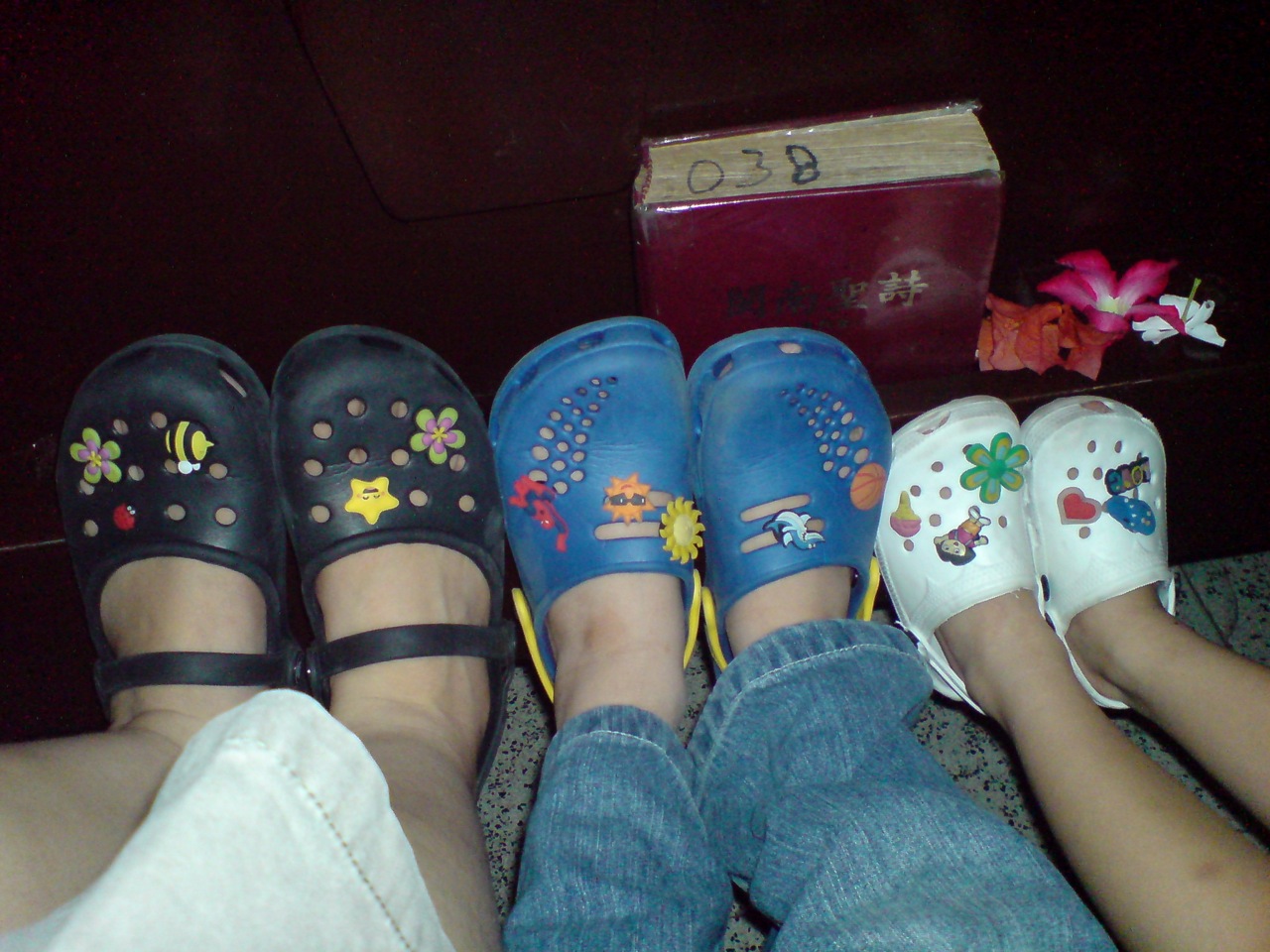
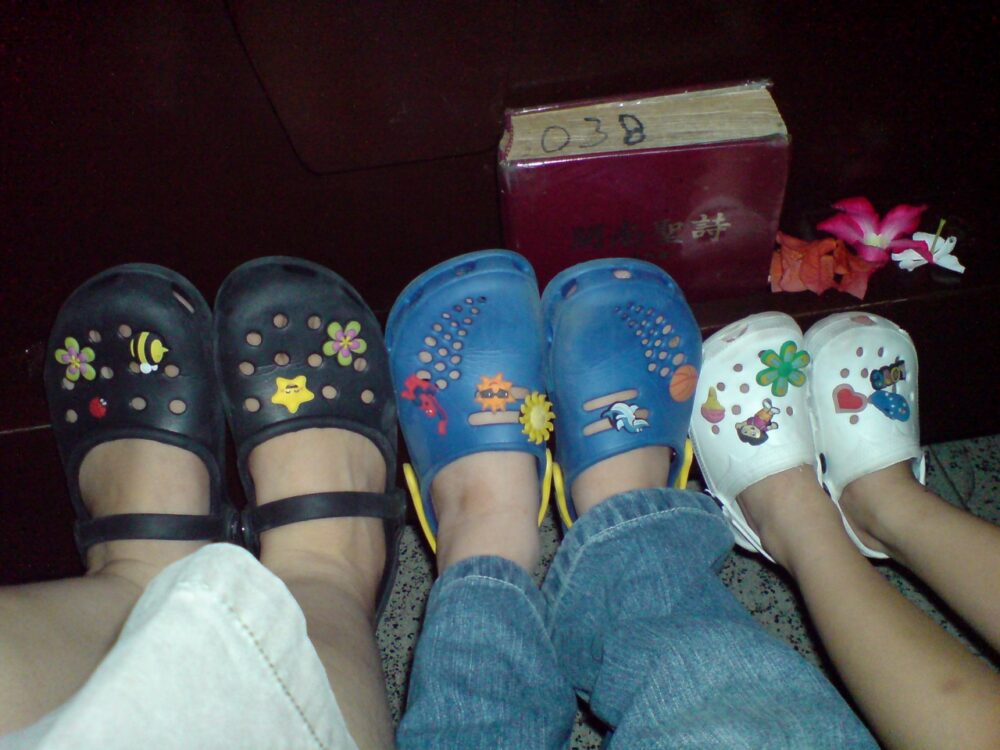
Crocs shoes decorated with Jibbitz charms. Photo: Keren Tan, CC BY-SA 2.0. Illustrative editorial image; not a DHgate listing or tested product.
Order Sizes, Pricing Mechanics, and Sourcing Channels
You won’t usually get per-piece quotes for Crocs-style charms. Pricing depends on pack size, design complexity, and whether you’re buying stock or custom.
How MOQs and pricing typically behave
Common patterns in this category:
- Ready-made mixed packs: sellers often quote prices per pack of assorted charms (for example, a listing might offer 10, 16, or 100 pieces per pack), and you buy multiple packs. Price per pack usually drops as you buy more.
- Design complexity: simple flat charms or basic shapes tend to be cheaper than multi-layer, glitter-filled, or chained designs.
- Custom art: you pay a premium for custom design work and tooling, then a lower unit cost as volume increases.
For small brands, realistic starting commitments are often hundreds to a couple thousand charms per design, not tens of thousands. Treat any number below that as a test batch.
Channel snapshot: factories, marketplaces, specialists, and local makers
Here’s a compact comparison of the main sourcing routes, based on editorial judgment and the supplied examples:
| Channel type | Typical order size fit | Customization depth | Main pros | Main risks/limits |
|---|---|---|---|---|
| Direct OEM factory | 1,000+ charms per design | High (logo/art, shapes, colors) | Lowest unit cost at scale; control over specs | Requires vetting; higher IP and QC burden |
| Online marketplaces (global) | 100-1,000+ mixed charms | Medium–high (stock designs; some custom) | Huge variety, easy browsing, flexible quantities | Seller quality varies; must vet per listing |
| Specialist custom charm sites | 100-1,000+ custom logo charms | Very high (brand logos, detailed art) | Clear custom workflow; brand-focused products | Higher prices; narrower assortment |
| Local/independent makers | Tens–hundreds; often mixed | High but small batch | Unique designs; easier communication | Limited capacity; less suited for scaling |
The DHgate blog notes that croc shoe charms are sold across brands, marketplaces, and independent makers, with variety as the main draw for buyers. Marketplaces like Amazon, Etsy, eBay, and DHgate sit in that middle row: you get a huge range of mixed charm packs and DIY accessories, but you have to evaluate each seller.
DHgate as one marketplace option (with a listing snapshot)
On 2026-10-08, a quick scan of DHgate’s “Shoe Parts & Accessories” category showed multiple Crocs-style charm listings aimed at DIY and bulk buyers. Examples include:
- Summer Drink Ice Cream Shoe Charms for Crocs Clogs Bubble Slides Shoe Accessories DIY Shoe Decoration Buckle Charms Party Gift 260622 — listed in “Shoe Parts & Accessories” with a price range around USD 26.57-42.43 per order window, depending on selection and quantity. Seller: `longda007`.
- DIY Cute Ice Cream Series Shoe Charms Accessories for Clogs Slide Sandals Garden Decoration Buckle Pins Boys Girls Gifts 260616 — also “Shoe Parts & Accessories,” with a displayed price range roughly USD 14.53-16.30. Seller: `topwang06`.
- 10pcs Set Shoes Decoration for Crocs Three-dimensional Flowers Shoes for Women DIY Shoe Accessories 260617 — a 10-piece flower set under “Shoe Parts & Accessories,” where prices appear in the mid-USD 30s (about 32.73-34.28). Seller: `longda007`.
- Cute Animals Capybara Shoe Charms for Crocs Accessories Charms Clogs Slides Shoe DIY Shoe Decoration Buckle Women Party Gift 260630 — animal-themed charms with prices in the approximate range of USD 23.92-36.64. Seller: `longda004`.
You can view these examples at:
- Summer drink ice cream shoe charms listing
- DIY cute ice cream series shoe charms listing
- 10pcs three-dimensional flowers shoe decoration listing
- Cute animals capybara shoe charms listing
Prices, stock, and ratings on DHgate can change. These examples show how sellers typically present Crocs-style charms: themed sets, DIY positioning, and pack-based pricing. If you decide marketplaces are a good fit, use tools like Choose a DHgate wholesale supplier to structure your vetting.
Matching channels to common buyer scenarios
Thinking in scenarios helps:
- Reseller flipping random charm packs: marketplaces or factory wholesalers selling assorted packs are usually the fastest route. Focus on fun, non-infringing designs and short lead times.
- Brand builder selling themed packs: lean toward one or two OEM factories or specialist charm sites that can repeat your aesthetic and handle custom art. Your goal is consistent quality and a style your audience recognizes.
- Event organizer or merch buyer: prioritize suppliers that can clearly commit to timelines and design approval. Smaller batch custom from a specialist site or reliable marketplace seller can work; build extra time in for cross-border shipping and customs.
If DHgate or another marketplace doesn’t give you the clarity you need on IP, materials, or timing, it’s a sign to switch to a more controlled channel—either a direct factory relationship or a specialist custom charm producer.