
Bulk LED light-up rings and glow accessories can be sourced from three main places: US party wholesalers, online marketplaces, and direct factories. For a one-off celebration like a 200-guest wedding, domestic distributors and retailers are usually the safest and fastest. For ongoing resale or very large orders, cross-border marketplaces and factory relationships can unlock lower unit costs and custom designs, as long as you’re willing to manage longer lead times and more supplier risk.
This guide focuses on how these products are made, how the wholesale market is structured, and what a US buyer or small ecommerce shop should actually look for when choosing a supplier.
How LED Glow Rings and Accessories Are Made and Sold in Bulk
LED glow vs. chemiluminescent glow
Glow rings and glow sticks fall into two broad categories:
- LED light-up products – A tiny LED + battery + simple circuit embedded in plastic or silicone. These cover most light-up rings, bracelets, glasses, and headbands sold by party suppliers such as FlashingBlinkyLights and GlowProducts.
- Chemiluminescent or photoluminescent products – Classic snap-to-activate glow sticks and some glow rings use chemicals or phosphorescent materials to emit light when charged. As DHgate’s editorial blog notes, glow rings can use phosphorescent or photoluminescent compounds that absorb light and then release it later as visible glow.
For sourcing, LED-based items matter more because they’re reusable (until the battery dies), cover a huge range of shapes, and often come in large assorted packs.
Common materials and form factors
In bulk, you’ll see recurring designs:
- Jelly/bumpy rings – Soft rubber or silicone rings with a spiky surface, housing a small LED and button battery.
- Diamond/shape rings – Jelly rings topped with hearts, stars, faux diamonds, themed characters, or holiday icons.
- Glow bracelets and wristbands – Rigid or flexible plastic bands with LEDs along the length or in a central module.
- Glow glasses and mixed sets – Heart-shaped or shutter-style glasses, wands, ears, and rings bundled for parties.
These are widely used for fashion and entertainment at parties, concerts, festivals, and outdoor events, and in some cases as low-level visibility aids at night.
Manufacturing hubs and distribution structure
Most LED party novelties are designed and manufactured in East Asia, then sold through several layers:
- OEM/ODM factories produce generic molds and electronics, and sometimes private-label runs.
- Exporters and trading companies bundle assortments, manage packaging, and sell to overseas wholesalers.
- Domestic importers/wholesalers in the US buy containers or pallets, then repackage into retailer-ready assortments.
- Retailers and event suppliers sell smaller packs directly online and through catalog/party channels.
For small ecommerce shops, you can either tap into the domestic wholesale layer (higher unit cost, lower hassle) or go upstream to cross-border sellers and factories for better margins but more work.
Choosing and Vetting Suppliers for Glow Rings and LED Party Gear
For bulk LED accessories, quality and safety vary more than the marketing photos suggest. You’ll want to vet suppliers and products with event-specific questions rather than generic checks.
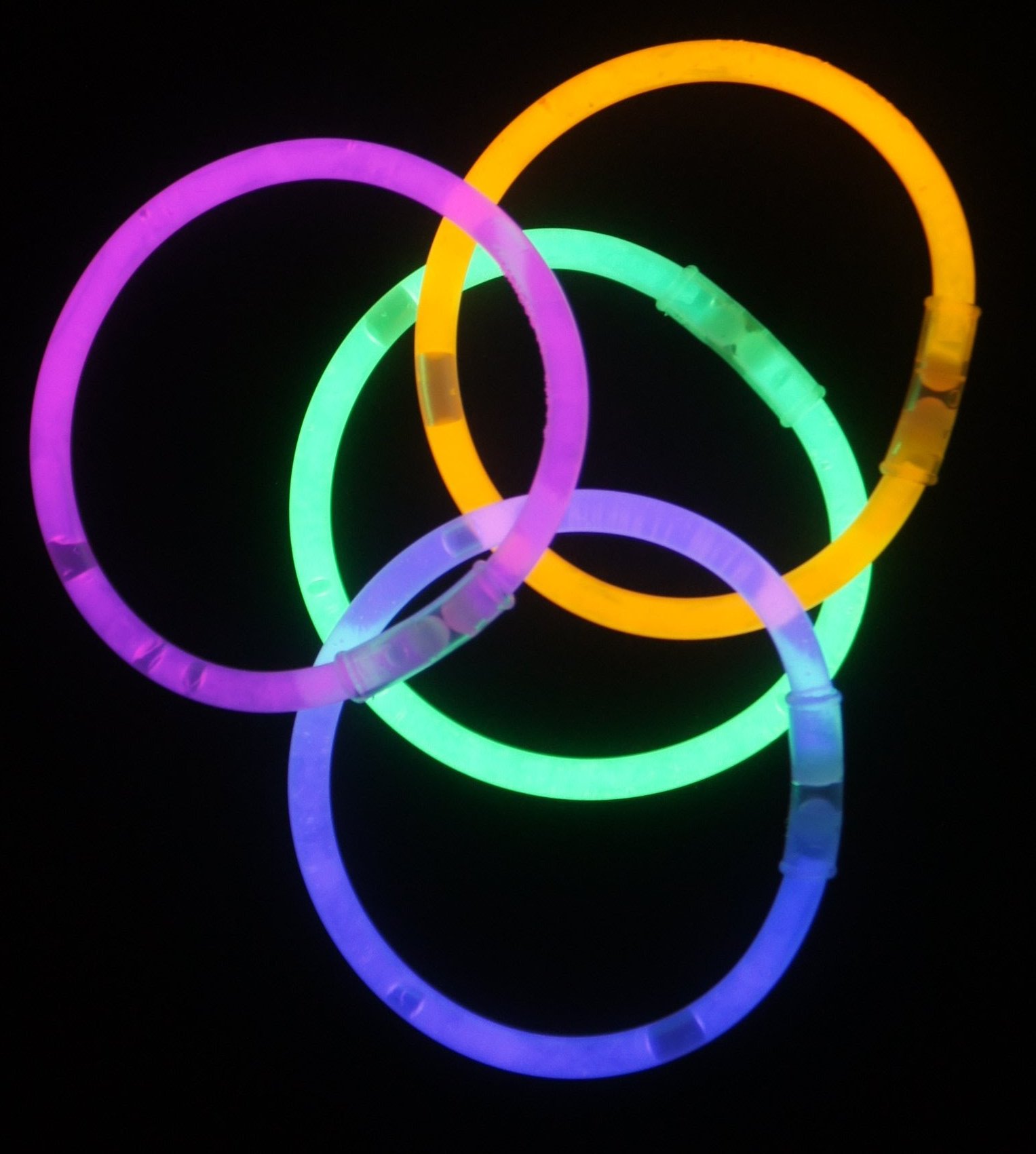
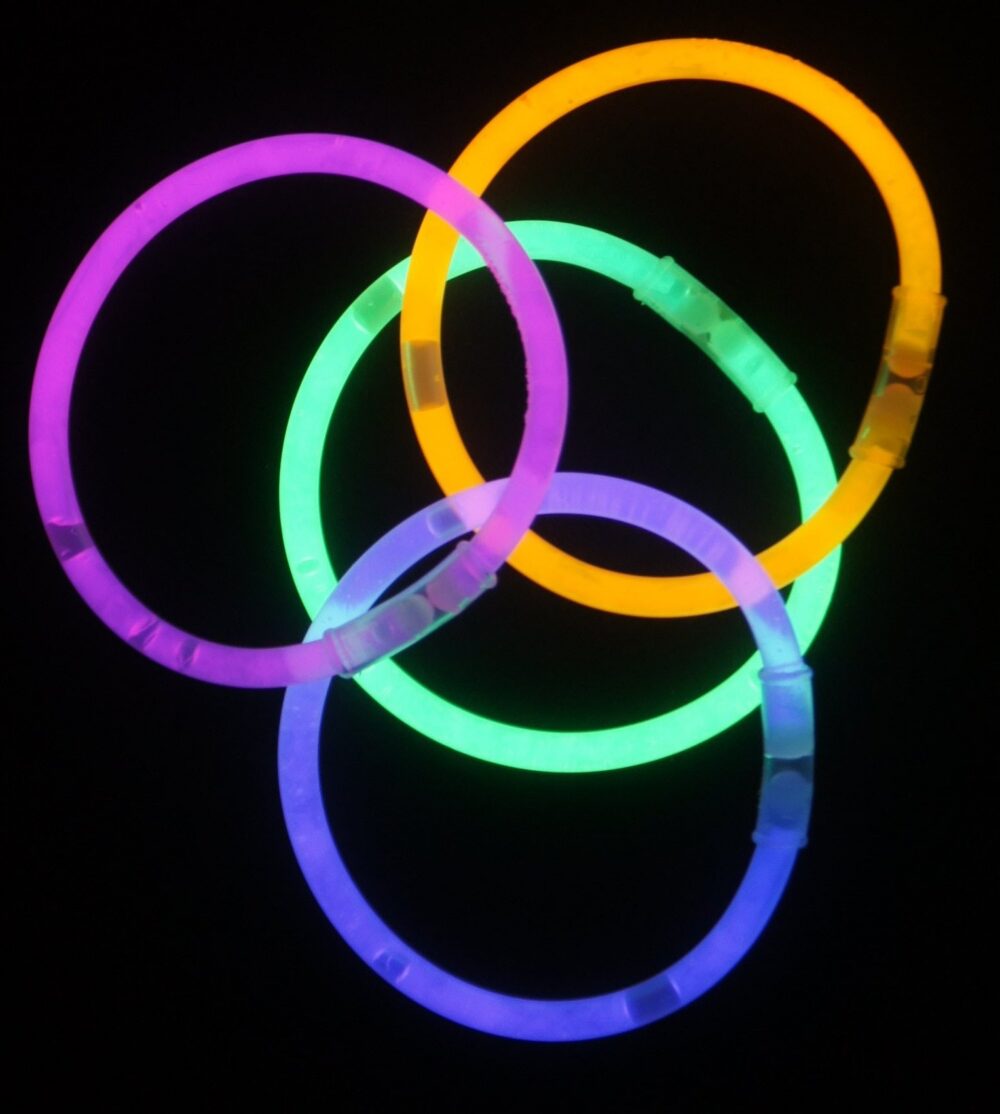
Various colored glow sticks arranged as rings. Photo: domdomegg, CC BY 4.0. Illustrative editorial image; not a DHgate listing or tested product.
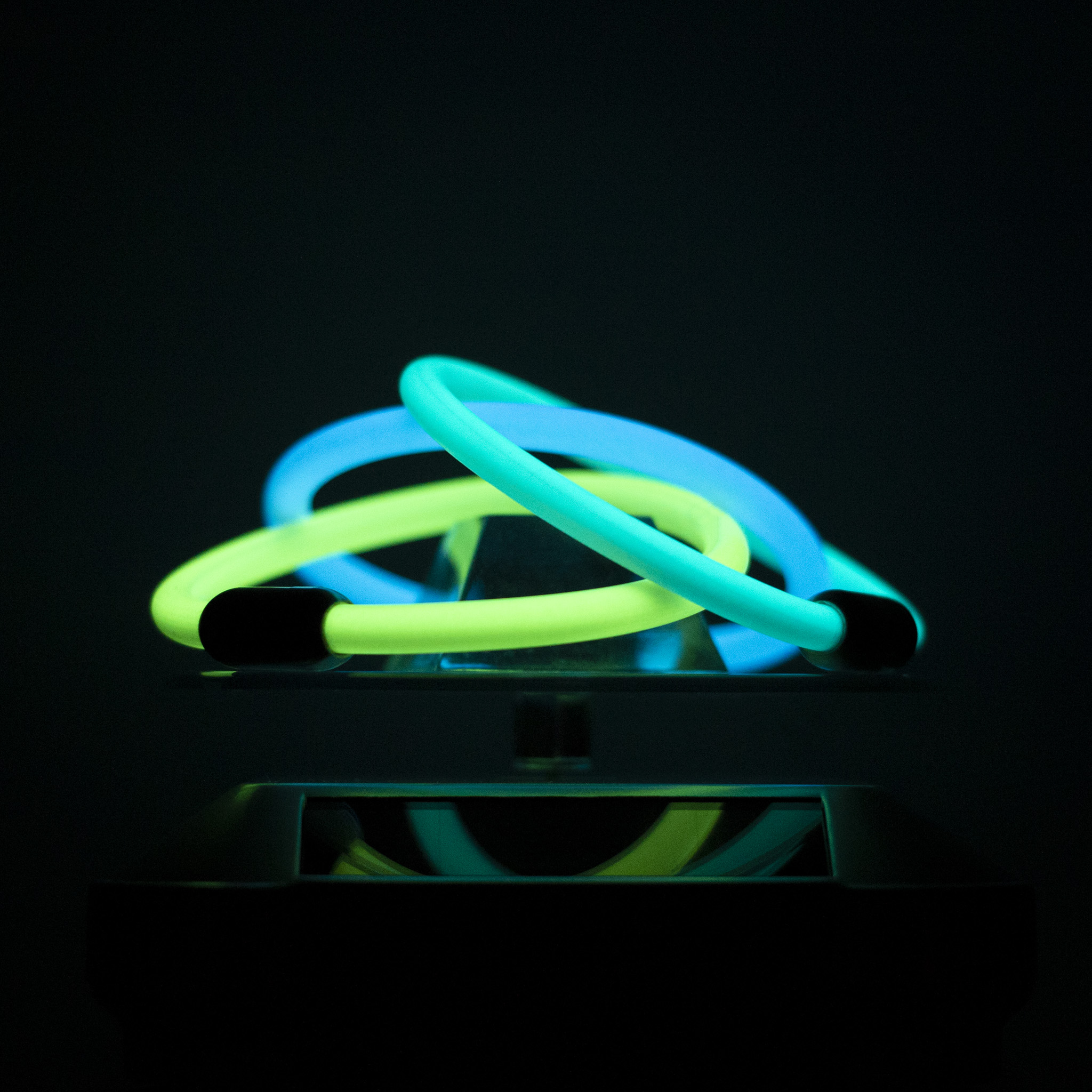
Reusable glowing bracelet designed as a glow-stick alternative. Photo: Pagexrage, CC BY-SA 4.0. Illustrative editorial image; not a DHgate listing or tested product.
Make your product spec fit the event
Start with use-case, then back into specs:
- Kids’ birthday or school party (100-200 rings): Soft jelly rings with simple on/off or flashing modes; avoid small, easily removable parts; ask about age recommendations.
- Concert or festival (500+ mixed accessories): Brighter LEDs, multiple flash modes, and a mix of rings, bracelets, and glasses. Ask how long the LEDs typically run per activation.
- Wedding or corporate event (150-300 guests): Coordinated colors (e.g., all white bracelets or warm-toned rings), quieter flash modes rather than strobe, and cleaner packaging suitable for table displays.
Suppliers like GlowProducts’ LED finger rings and FlashingBlinkyLights’ glow rings show common specs: color options, flashing patterns, and suggested use at parties and festivals.
Signals to check before you commit
When you evaluate a glow ring or bracelet supplier (domestic or cross-border), focus on specifics:
- Clear material description: Is it soft silicone/jelly or hard plastic? Softer materials are usually more comfortable on fingers but may tear more easily.
- Battery type and access: Most LED rings use button cells. Confirm whether batteries are pre-installed and if users can replace them, and consider how that intersects with child safety (small batteries can be hazardous if accessed).
- Activation mechanism: Push-button, squeeze-to-light, or twist. Request a short video from the supplier showing activation so you can judge ease of use.
- Packaging format: Bulk sack, small polybags, or retail-ready 12/24-packs. For resale, retail-ready packaging can save you significant time.
Use samples to avoid surprises
Before ordering hundreds of units, ask for a sample pack that mirrors the production batch:
- Check brightness in actual darkness, not just under studio lights.
- Activate several units and run a timer to get a rough sense of battery life.
- Bend and twist rings/bracelets to see if any materials crack, tear, or expose electronics.
This matters for both domestic and cross-border suppliers. US-based retailers like FlashingBlinkyLights and party wholesalers may let you order smaller trial quantities; cross-border factories or marketplace sellers may require a defined sample order.
Safety and compliance questions to ask
Glow accessories are generally marketed for parties and family-friendly events, but that doesn’t make every product inherently safe. Ask suppliers:
- What age group the product is intended for.
- Whether plastics and batteries comply with relevant standards where you’ll sell (for example, US regulations for toys if you’re marketing to children). They should be able to provide documentation or at least clear statements.
- Recommended disposal for spent chemiluminescent products and used batteries.
If you don’t get clear answers, treat that as a risk flag and look for a different supplier.
MOQs, Pricing, Logistics and Channel Choices for Bulk Orders
For US buyers, the right sourcing route depends on how many units you need, how soon, and how much risk you’re willing to manage.
Typical MOQs, packs and cost dynamics
In practice:
- Domestic wholesalers/retailers often sell in dozens or small bulk packs (e.g., 12-72 rings), with higher unit costs but fast shipping and simpler returns.
- Cross-border marketplaces and factories usually offer larger packs and more flexible quantity bands (e.g., 20, 50, 100+ pieces), with lower unit costs but slower, more variable transit and more work vetting sellers.
LED rings and bracelets are often bundled with other accessories. That can be ideal for parties, but for resale you’ll want consistent SKUs.
A marketplace snapshot: LED rings and glow accessories on DHgate (2026-10-08)
To illustrate cross-border bulk options, here’s a snapshot of some DHgate listings as of 2026-10-08. Prices and availability can change, and these are not endorsements—treat them as examples of typical pack sizes and product mixes:
These listings show how marketplaces can bundle LED rings with bracelets, glasses, and other glow accessories in mixed sets or themed packs. If you decide to explore DHgate or similar platforms:
- Treat each seller and listing as its own business: check ratings and reviews where available, scrutinize photos and descriptions, and ask detailed questions about materials, batteries, age recommendations, and packaging.
If you want structured help evaluating sellers on that platform, you can look at DHgateWiki’s guides on finding wholesale suppliers on DHgate, finding DHgate suppliers, and choosing a DHgate wholesale supplier.
Which channel fits your order size?
Think about your situation:
Scenario 1: 200-guest wedding, mostly one-time use
You need roughly 200 glow items—maybe 200 white bracelets for the dance floor. Domestic suppliers or US-based party retailers are usually a better fit:
- Smaller packs and simple, predictable shipping timelines.
- Easier returns if the product isn’t what you expected.
- Less risk if a shipment is delayed; you can reorder quickly.
Cross-border packs like the white bracelets listing above might be attractive if you’re ordering several months in advance and are comfortable vetting an overseas seller.
Scenario 2: Ecommerce shop selling 300-pack glow rings
You’re planning to list 300-unit LED ring assortments for online resale.
- Cross-border bulk packs (e.g., 300-piece jelly ring lots) can provide a margin cushion, especially if you repackage into retail-ready units.
- You’ll want to secure a repeatable supply with consistent quality, which can mean working with a single marketplace seller or factory and placing a small initial test order to validate quality before scaling.
Domestic wholesalers can still work here, but you’ll typically pay more per ring and may have fewer options for custom colors or packaging.
Scenario 3: Large recurring events (concerts, festivals)
If you’re sourcing thousands of mixed glow items several times a year:
- Consider building a relationship with a factory or trading company that can handle custom color schemes, printed logos on bracelets, or event-specific assortments.
- Expect to negotiate MOQs in the low thousands and plan for container or pallet shipping, with lead times measured in weeks rather than days.
You can use marketplace listings like the mixed glow set and bulk bracelet examples as a starting point, then move into direct communication with suppliers who seem capable of scaling.
By matching your event size and risk tolerance to the right sourcing channel, LED light-up rings and glow accessories can go from impulse buy novelties to a predictable part of your inventory or event budget.