
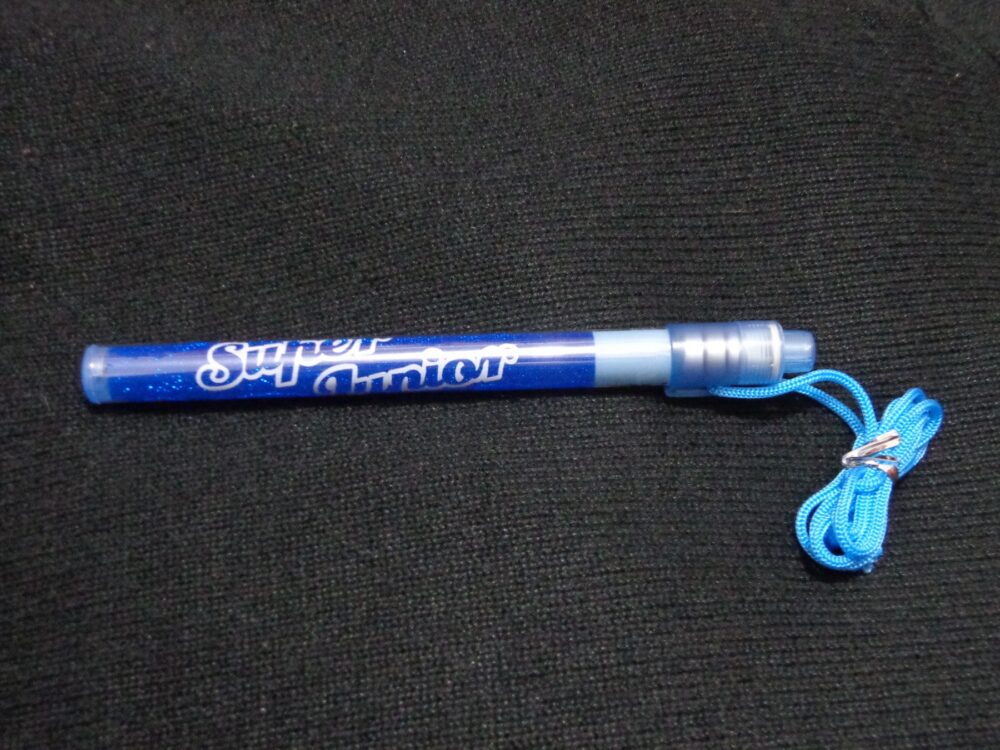
For buyers looking for K‑pop albums and merchandise sold by CokoDive, the retailer’s own channels are the most direct place to examine its current catalog and terms. CokoDive positions itself as a global K‑pop merch store founded in 2017, focused on official albums, character goods, beauty and lifestyle items shipped from Korea to fans worldwide.Source That description is the retailer’s own claim, so buyers should still verify the product page, label or distributor details, shipping terms, and return conditions for the specific item. Marketplaces like Amazon or eBay, and Instagram-based shops, can sometimes be cheaper or more flexible, but require separate checks for each seller and listing.
If you’re in Australia or the US, the real trade-off is: CokoDive’s ecosystem offers clearer branding and a single customer service touchpoint, while marketplaces and social shops offer more price variety and resale inventory but with uneven authenticity and service. Small ecommerce buyers also need to factor in bulk options and customs costs.
How CokoDive’s Official Channels Work (Site, App, Bulk Buys, Social)
CokoDive isn’t just one shopfront. It runs several related channels that each suit a different type of buyer.
Main global store (website) CokoDive’s primary site presents itself as an “official K‑pop store” targeting global fans.Source You’ll see categories such as K‑pop albums, K‑beauty, lifestyle goods, and character merch, all framed as shipped from Korea. For an Australian or US fan, this is the channel where you’d typically pre-order albums or grab new lightsticks and photobooks.
Mobile app store CokoDive also has a mobile app listed on the App Store that offers Korean fashion, beauty and K‑pop merchandise for global buyers.Source Functionally, it’s another retail channel for the same kind of products. The app can be useful if you prefer mobile shopping or app-only notifications, but the core proposition (K‑pop and Korean lifestyle shipped worldwide) is similar to the website.
COKODIVE BULK BUYS (wholesale-style) For fan clubs or small resellers, there’s a separate site, COKODIVE BULK BUYS, which presents itself as a “premier K‑POP wholesale supplier” offering bulk discounts on albums, official merch and lightsticks for fan clubs and businesses.Source This is positioned as wholesale-style buying rather than single-order retail, though specific minimums and terms aren’t visible without registering.
Social shopfronts (Instagram & Facebook) CokoDive actively uses Instagram and Facebook profiles as social shopfronts, highlighting drops, restocks and fan-focused finds.Source Posts promote upcoming releases, character merch and other products, often referencing large review counts and global shipping. These aren’t full ecommerce platforms themselves, but they channel traffic back to the main site and create social proof for new buyers.
What this ecosystem means in practice For a single fan order, you’re usually choosing between the website or app. For a group order or stock for your own small shop, you might move into BULK BUYS. Social channels sit on top, mainly helping you track what’s coming and how other buyers are reacting.
Independent reviews and threads, such as discussions on r/kpophelp, show that people do actively question whether CokoDive is legitimate and share mixed experiences on shipping, packaging and service.Source That’s normal for a cross-border specialist store: you get many positive reports and some negative anecdotes. None of these are hard statistics, but they reinforce the idea that CokoDive is known and heavily used, not an unknown pop-up.
CokoDive vs Marketplaces & Social Shops: What Really Changes
Here’s how CokoDive’s own shops contrast with big marketplaces (Amazon/eBay), social shops (Instagram/Facebook commerce) and sourcing marketplaces.
Channel differences at a glance
| Channel type | Who runs it | Typical merch access | Authenticity risk profile (editorial view) | Price & cost pattern |
|---|---|---|---|---|
| CokoDive site/app | Brand-run K‑pop-focused retailer | Current album drops, official-style merch, K‑beauty, lifestyle | Single-retailer catalog; verify authenticity evidence and terms on each product page | Product prices set by CokoDive; shipping from Korea and possible duties for AU/US add to total cost |
| COKODIVE BULK BUYS | Brand-run wholesale-style portal | Bulk albums and official-style merch for fan clubs/businesses | Product and business terms require confirmation after registration | Confirm quoted bulk pricing, freight, customs and payment terms before ordering |
| Amazon/eBay | Multi-category marketplace | Mix of official releases, sealed stock, older or out-of-print items, and unofficial goods | Highly variable by seller; some official storefronts, some independent resellers | Wide range: retail-like pricing, under-RRP deals, and high collector mark-ups |
| Instagram/Facebook shops | Social sellers, small boutiques, fan resellers | Drops, group orders, custom goods, second-hand albums | Varies widely; verify seller identity, provenance, payment and dispute terms | Prices can be attractive, but shipping and fees may be less standardized |
| Sourcing marketplaces (e.g., Cross-border multi-seller) | Global B2C/B2B marketplaces with many sellers | Wide product ranges; not focused on official CokoDive merch | Editorially, authenticity is more uncertain; each listing must be vetted | Competitive headline prices; shipping, MOQs and duties can change total quickly |
DHgate’s own editorial blog describes marketplaces like DHgate, Alibaba and AliExpress as ways to access broad product ranges at competitive prices.Source That framing applies if you’re a small business looking for generic K‑style goods, accessories or packaging, not necessarily official CokoDive-branded items. If you even consider a sourcing marketplace for K‑pop‑adjacent inventory, you should treat every listing as unverified: read the product description carefully, look at seller history and ratings, and be clear that “K‑pop style” does not equal “official merch.”
How this plays out for AU/US buyers
For Australian and US buyers, shipping and duties are a major practical difference between channels:
- CokoDive ships from Korea, so album prices and lightsticks might look competitive on the product page, but you need to account for international shipping and any import fees your country charges.
- Amazon or eBay orders may ship from local warehouses or from Korea/Japan via third-party sellers. Some listings (for example, those “Ships from and sold by Amazon.com” or from official label storefronts) lean more toward verified stock, while marketplace sellers vary.
- Instagram shops and fan resellers often ship from your region, which can cut transit time, but they may be selling second-hand items or marking up group order stock.
For small ecommerce businesses, there’s an extra layer: customs clearance and landed cost on bulk shipments. A wholesale-style order via COKODIVE BULK BUYS or any bulk marketplace will usually involve more complex freight and duty math than buying individual albums through the retail site.
If you are considering sourcing marketplaces more broadly (including DHgate) to complement official merch with generic goods, it’s worth reading general marketplace comparisons like this DHgate vs AliExpress/Alibaba/Temu overview to understand how these platforms position themselves and what kinds of products they tend to carry.
Which Channel Fits You: Fan Collectors vs Small Ecommerce Buyers
Different buyer profiles should prioritize different channels.
Scenario 1: Dedicated fan or casual collector
If your priority is getting current official albums, photobooks and lightsticks with minimal hassle, CokoDive’s own site or app is the most straightforward starting point. You get a curated catalog, K‑pop‑specific merch, and one customer service contact if something goes wrong. You still need to accept cross-border shipping times and some mixed reviews, but you’re not sorting through hundreds of random marketplace sellers.
Amazon and eBay can be helpful if you’re:
- Hunting for older albums that CokoDive no longer lists.
- Trying to buy with local shipping or from regional label storefronts.
In those cases, stick to sellers with clear provenance (e.g., official label stores or highly rated long-time resellers) and treat deep under-RRP prices with caution.
Instagram or Facebook shops are more niche: they can work for local group orders, second-hand pulls or custom goods, but the trade-off is higher reliance on individual reputation and less formal recourse if a deal goes wrong.
Scenario 2: Small ecommerce business or fan club organizer
If you’re running a small webshop or organizing large group orders, COKODIVE BULK BUYS is worth exploring because it explicitly positions itself for fan clubs and businesses with bulk discounts on K‑pop albums and official-style merch.Source Here, your decision is less “is this official?” and more “do these bulk prices still make sense once I add freight and duties into my landed cost?”
You might combine channels:
- Use BULK BUYS for core album and lightstick inventory.
- Use marketplace channels (Amazon/eBay) for opportunistic buys on discontinued items or local restock gaps.
- Consider sourcing marketplaces like DHgate or others only for non-branded complementary goods—display stands, packaging, generic K‑style accessories—where official licensing isn’t the main issue.
In that mixed approach, keep your “official merch” clearly separated from generic stock in your own storefront so customers understand what is label-sanctioned and what is simply inspired by K‑culture.
If you want a deeper understanding of DHgate itself as a marketplace before deciding whether it plays any role in your sourcing, you can read this explainer on what DHgate is and how it works. For wholesale-focused use, there is also guidance on finding wholesale suppliers on DHgate, though again, that’s about generic sourcing rather than official CokoDive merch.
For most K‑pop fans in Australia and the US, the practical path is simple: use CokoDive’s official ecosystem for current releases, dip into Amazon/eBay when you need something niche or local, and only involve social shops or sourcing marketplaces when you’re comfortable managing higher risk for potential savings or broader inventory.