
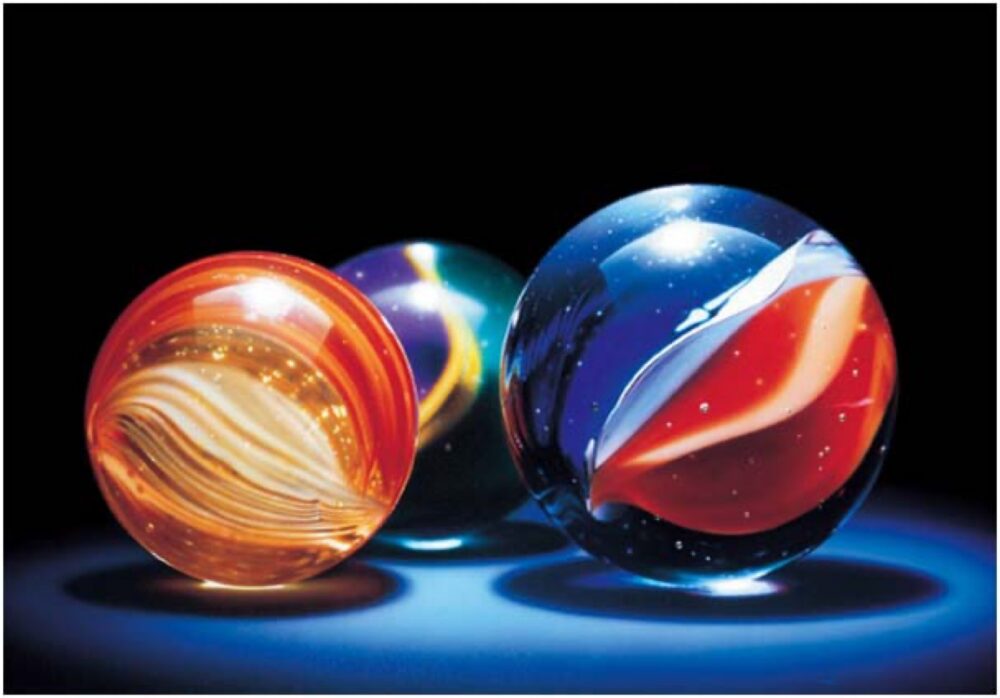
Marbles and glass marbles are sold in two very different worlds: low-cost machine-made pieces for games and crafts, and handmade art marbles aimed at collectors. You can buy in bulk from artisan studios, craft/party wholesalers, general marketplaces, and cross-border platforms. The right route depends on whether you need perfectly consistent game marbles by the hundreds or unique, high-end pieces where each sphere is a miniature artwork.
This guide focuses on US buyers and small ecommerce businesses trying to source marbles in bulk for game sets, decor, or resale, not just one-off collector pieces.
How Marbles and Glass Marbles Are Made and Sold in Bulk
Marbles are small spherical toys used for games and collecting, historically made from clay, stone, and other materials; today, glass dominates everyday gameplay and decorative use.descriptive source Machine-made glass marbles are produced on automated lines, giving you uniform diameters, colors, and patterns at low unit cost. These are the marbles you see in game kits, classroom packs, and craft supplies.
On the other side of the market are handmade art marbles. These are individual glass spheres created by artisans working hot glass with torches or furnaces. Each piece is shaped and decorated by hand, often with complex internal patterns or color work, and sold as a collectible.art marble overview They’re typically higher-priced and offered in small batches, not barrels.
You can see this artisan focus in specialist sites like MarbleManMarbles, which offers colored borosilicate art glass marbles and pearls, and AlloverMarbles, which sells handmade glass marbles created by an individual maker. Both illustrate suppliers geared toward collectors or decor rather than commodity game marbles.
What this split means for bulk buyers
For bulk sourcing, you’re usually choosing between:
- Commodity machine-made glass marbles for game kits, party favors, craft retail, vase fillers.
- Small-batch or artisan marbles when you want to differentiate your store or collection with unique patterns, signed pieces, or specific artistic styles.
If your use case is a board game or classroom kit, you’ll almost always be in the machine-made segment. If you sell higher-end decor or run a niche collector shop, you may mix commodity marbles (for affordable stock) with a curated selection from artisan makers.
Choosing and Vetting Marble Suppliers for Bulk Orders
The supplier you choose should match your use case and quality expectations.
Match supplier type to your scenario
A few common scenarios:
- Game kit producer (100-5,000 marbles per run): needs consistent diameter (often 14-16 mm), durable glass, repeatable colors. Best matched with machine-made glass marble wholesalers or factories.
- Craft retailer or small ecommerce shop (500-10,000 marbles, mixed uses): needs visual variety but reliable restocking. Often buys pre-packed assortments from craft/party wholesalers or general marketplaces.
- Collector or decor shop (dozens to a few hundred pieces, higher price points): focuses on uniqueness and artistry, so artisan makers or specialist marble sites are a better fit.
How to vet a marble supplier specifically
Generic advice like “check reviews” is not enough here. For marbles, you should focus on concrete, testable details:
- Diameter and tolerance
Ask for the stated size (e.g., 16 mm) and permissible variance. For game marbles, too much variation can affect gameplay or cause fit issues with boards and tracks.
- Surface quality and safety
Request photos or samples showing close-ups. Look for chips, sharp edges, or visible cracks. For classroom or kid-facing products, you may need to perform your own checks or third-party testing.
- Color and pattern consistency
For commodity marbles, request photos of an entire batch or carton, not just one hero shot. You want to see whether a “blue swirl” assortment actually includes a stable mix or random leftovers.
- Batch documentation for artisan marbles
For handmade pieces from sites like MarbleManMarbles or AlloverMarbles, ask how pieces are signed or documented. Many collectors expect artist attribution and batch information so you can market them credibly.
- Sampling before committing
Even for inexpensive machine-made glass marbles, a small sample lot can reveal issues with glass clarity, pattern quality, and packaging.
Quick view: supplier types and typical fit
| Supplier type | Typical order size | Main strengths | Best use cases |
|---|---|---|---|
| Artisan marble maker | Dozens to a few hundred | Unique designs, collectible appeal | Collector shops, premium decor, gift assortments |
| Craft/party wholesaler | Hundreds to low thousands | Consistent machine-made bulk packs | Game kits, classroom sets, vase fillers |
| General marketplaces (Etsy, etc.) | Small to medium packs | Access to vintage/unique lots from many sellers | Vintage resale, small craft runs, mixed assortments |
Vintage packs on marketplaces like Etsy’s vintage marbles category can be useful for small, visually interesting lots, but each seller sources differently. Treat these as small-batch buys rather than standardized wholesale.
Order Sizes, Pricing, and Best Channels for Bulk Marble Purchases
Your buying channel determines how easy it is to hit your target quantity, quality level, and budget.
How order size and quality drive channel choice
- Small artisan orders (collector or decor focus):
Buy directly from artisan sites such as MarbleManMarbles or AlloverMarbles, or from individual makers on platforms like Etsy. Expect smaller lots and higher per-piece pricing, offset by uniqueness and storytelling value.
- Medium commodity orders (craft retail, small brand):
Craft/party wholesalers and general online retailers (including large marketplaces and specialty craft sites) often sell 50-200 piece packs of machine-made glass marbles. These can be combined into larger orders while keeping assortment control.
- Large commodity orders (game manufacturers, bulk decor):
You may need to move closer to factory or importer relationships, often via B2B platforms or direct contacts. Here, you negotiate color mixes, packaging, and long-term supply.
Channel comparison for bulk marbles
Here’s how common channels tend to fit bulk marble sourcing:
| Channel type | What it’s good at | Where it struggles |
|---|---|---|
| Artisan/specialist sites | High-end handmade pieces, artist branding | Very large commodity orders, low unit pricing |
| Craft/party wholesalers | Repeatable bulk packs of machine-made marbles | Unique designs, vintage or signed pieces |
| Vintage/collector marketplaces | Unique or vintage packs, small to medium quantities | Guaranteed consistency across batches |
| Cross-border marketplaces | Access to overseas production and decor-oriented marbles | Requires careful seller and product verification |
On vintage-focused marketplaces such as Etsy vintage marbles, you’ll see small packs and mixed assortments rather than pallets. That’s ideal for a boutique shop that sells one-of-a-kind jars or small gift sets.
Where DHgate and similar platforms fit
Cross-border marketplaces can be useful when you want to tap overseas glass production or decor-oriented marbles. As of 2026-10-08, DHgate includes listings for 16 mm glass marbles marketed for home decor and accessories, such as a pack titled “G1-15 16MM Glass Marbles Home Decor Glass Ball Stained Glass Photography Accessories Vase Fish Tank Christmas Balls Room Decor” in its home decor category.DHgate glass marble listing
Practical next step by scenario
- Designing a game or kit: start with craft/party wholesalers or general toy/craft wholesalers and request samples of 14-16 mm machine-made glass marbles in your target colors.
- Stocking a craft or decor store: combine commodity glass marble packs from wholesalers with a smaller line of artisan marbles sourced directly from specialist sites so you hit multiple price points.
- Building a small collector inventory: focus on artisan sites and individual makers, verify artist attribution, and treat each batch as a limited run rather than a repeatable SKU.
By grounding your sourcing route in the type of marble you actually need—machine-made versus handmade—and the order size you realistically expect, you’ll avoid both overpaying for commodity pieces and under-specifying the quality level your customers expect.