
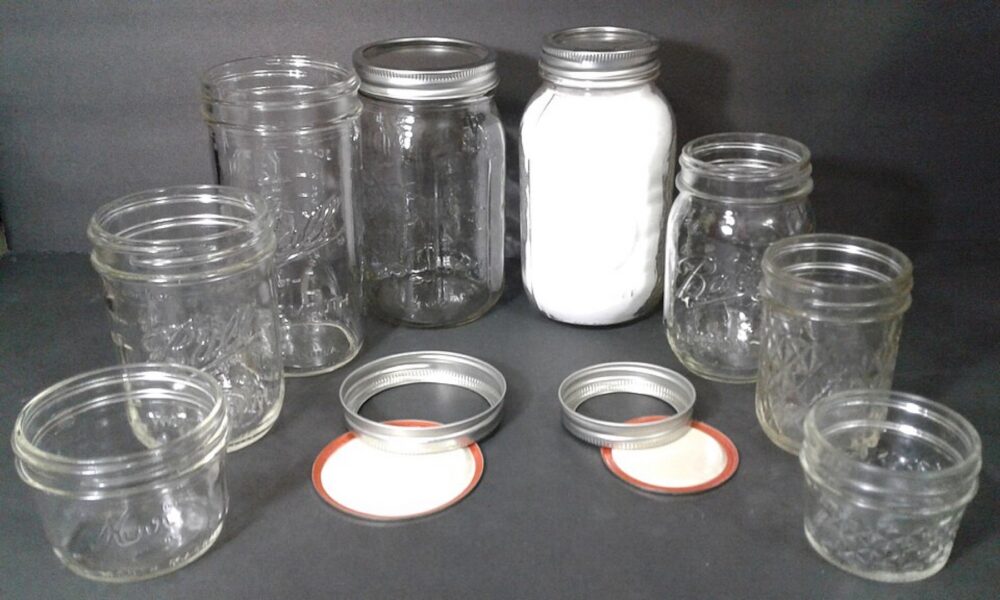
Canadian buyers looking for 8 oz and 32 oz mason jars in bulk basically have three online routes: Canadian retail marketplaces (like Amazon.ca and big-box chains), specialist container wholesalers, and global import platforms. Your best option depends on whether you need food‑safe, brand‑name canning jars for preserves, generic glass containers for décor or packaging, or the lowest possible unit cost through direct overseas sourcing.
Mason jars are threaded glass containers designed for home canning, sealed with a two‑part lid to create an airtight closure for preserved food.Mason jar overview That design matters: institutional guidance recommends true mason‑type canning jars for home canning because they’re built to withstand processing and seal properly.Food safety guidance So the platform you choose isn’t just a price decision; it defines how much control you have over jar type, brand, and safety claims.
The Online Market for Bulk Mason & Canning Jars in Canada
For bulk quantities of standard 8 oz (half‑pint) and 32 oz (quart) jars, the market breaks down into a few practical platform types:
- Retail marketplaces serving Canada. On Amazon.ca’s bulk wide‑mouth canning jar results, you’ll see multiple sellers offering multi‑packs of mason jars, often 8 oz and 32 oz, with varying brands and lid options. Large Canadian chains like Walmart or Canadian Tire also stock canning jars online, typically in case quantities, but they function as retailers rather than true wholesalers.
- Specialist packaging and container sites. U.S. container suppliers like BottleStore list bulk canning jars specifically as wholesale container supply, highlighting common sizes including 8 oz and 32 oz. Fillmore Container’s mason jar catalog runs from 4 oz minis up to 32 oz quarts, sold by the case with tiered bulk pricing.
- Brand‑oriented retail networks. Brands such as Ball don’t run their own consumer marketplaces; they publish retailer lists to show where their jars are sold. Ball’s “Where to Buy” page points you to authorized third‑party retailers rather than direct wholesale.
- Global marketplaces and import channels. Platforms like Alibaba, AliExpress and similar sites host overseas suppliers of glass jars and lids. They may offer very low unit prices at high MOQs, but product specs and certifications vary, and listings often emphasize generic “glass storage jars” rather than certified canning brands.
Practical takeaway for a Canadian buyer: if you want familiar, tested canning brands in standard sizes, you’re mostly in retail and specialist‑wholesale territory. If you care more about decorative jars or private‑label packaging, global import platforms broaden your options.
How Different Platform Types Handle Bulk Mason Jar Buying
Each platform type structures the buying process differently: case sizes, minimum orders, and how much you can standardize your jars will change with the channel.
Retail marketplaces and big-box sites
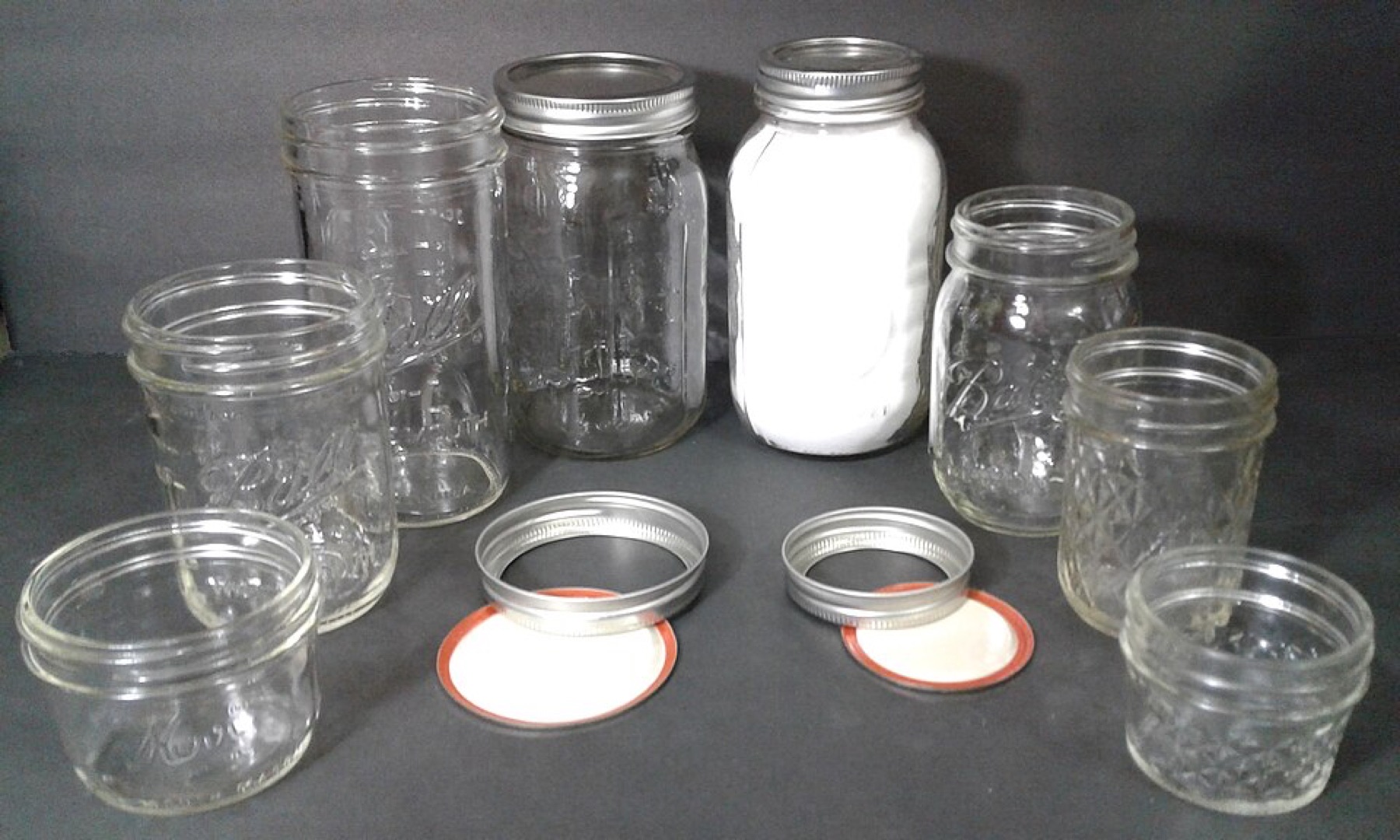
On a retail marketplace like Amazon.ca, you’re buying from many independent sellers under one front end. Bulk packs are typically pre‑configured (for example, packs of twelve 8 oz jars, or mixed‑size sets), with prices and shipping set per listing. The Amazon.ca bulk wide‑mouth jars page shows:
- Mixed brands and sometimes unbranded “mason style” jars.
- Case‑style quantities suitable for home canners and micro businesses.
- Limited control over palletization or freight; each listing is its own retail offer.
Canadian big‑box sites like Walmart.ca or Canadian Tire generally behave the same way: defined case sizes, retail checkout, and inventory aimed at household consumers, though you can still buy multiple cases for a small business.
Specialist container and packaging suppliers
Specialist sites operate much closer to a B2B wholesale model:
- BottleStore positions its canning jars as wholesale containers. Its pickling and canning jar catalog highlights bulk canning jars in standard sizes such as 8 oz and 32 oz, grouped by container type. You choose style and size, then order by case count.
- Fillmore Container offers mason jars from 4 oz to 32 oz with case‑based pricing tiers on its mason jars page. The structure is straightforward: each jar size is sold by the case, and prices adjust as you buy more cases.
These sites are designed for repeat orders. They don’t necessarily demand enormous MOQs, but they do expect you to think in cases and sometimes in pallets if you scale. Labels and closures may be offered alongside jars, making them attractive for small food brands or gift businesses that want consistent packaging.
Wholesale/import marketplaces
Global import platforms connect you directly with manufacturers or large wholesalers. That often means:
- Negotiating minimum order quantities in the hundreds or thousands of jars.
- Choosing from generic glass jar designs that may or may not be marketed as canning‑ready.
- Taking on more complexity around freight, customs, and lead times to Canada.
Community discussions, like a Reddit r/Canning thread on buying jars cheaply, show a recurring pattern: buyers who mainly want trustworthy food‑safe jars tend to stick to known retail and specialist suppliers, while those treating jars as general packaging sometimes experiment with overseas sourcing to cut unit costs.
Quick comparison: platform types for bulk mason jars
| Platform type | Typical buyer fit | Common MOQ style | Control over jar brand/type |
|---|---|---|---|
| Canadian retail marketplaces | Home canners, hobby sellers, micro‑brands | 1-3 cases per listing | Moderate; mix of branded and generic |
| Specialist container wholesalers | Small food brands, larger cottage businesses | Case‑based, scalable | High; pick exact size/series |
| Global import marketplaces | Price‑driven packagers, high‑volume buyers | Often high, negotiable | High on design, variable on specs |
This table reflects typical patterns rather than strict rules, but it gives you a sense of which platforms line up with your scale and risk tolerance.
Choosing the Right Platform Route for Your Mason Jar Use Case
Your use case—canning food, selling packaged products, or buying jars as décor—should drive the platform choice more than any single price quote.
If you’re doing food canning in Canada
Guidance from extension services emphasizes true mason‑type canning jars because they’re designed to withstand processing and seal correctly.Canning safety overview For 8 oz and 32 oz sizes used in jams, sauces, and vegetables, that points you towards:
- Canadian retail marketplaces and big‑box sites carrying recognized canning brands.
- Specialist suppliers like Fillmore Container or BottleStore that clearly categorize jars for canning/pickling and list standard sizes.
Cross‑border orders from U.S. wholesalers will add shipping and possibly duties, but in return you get predictable jar specs and access to bulk case pricing.
If you’re packaging products or buying jars as décor
For candles, dry goods, gift packaging, or décor, you can be more flexible:
- Retail marketplaces (Amazon.ca, Walmart.ca) offer a wide variety of “mason style” jars and mixed‑size packs, which work well for small, varied product lines.
- Specialist container sites give you consistent series of jars—useful if your brand presentation depends on uniform packaging.
- Global import platforms can be viable if you’re ready to manage large MOQs and variable transit times in exchange for lower unit costs.
In this context, food‑processing certification may be less critical, but glass quality, breakage rates, and lid compatibility still matter for customer experience.
Where DHgate-style marketplaces fit
DHgate is a global marketplace that connects buyers with mostly China‑based sellers. For mason jars, current listings tend to focus on accessories rather than the jars themselves—things like stainless‑steel canning funnels, replacement plastic lids, vacuum sealer attachments, and other jar‑related tools, as seen in a stainless canning funnel listing on DHgate. That makes DHgate more relevant if you’re sourcing add‑ons for jars you already buy elsewhere than if you’re hunting for bulk 8 oz or 32 oz branded canning jars.
A simple scenario check
- You’re a Canadian home canner who needs 4-6 cases a year: Start with Canadian retailers and Amazon.ca; consider a specialist supplier if you want predictable long‑term supply.
- You run a small jam or sauce brand and need standard jars every month: Look closely at specialist packaging sites like BottleStore and Fillmore Container. They’re structured to support repeat case orders and consistent specs.
- You sell candles or décor and mainly care about aesthetics and cost: Combine Canadian retail marketplaces for testing styles with import platforms once you know which jar designs sell and you’re comfortable committing to higher MOQs.
Matching your jar route to your actual use case—canning vs décor, micro vs growing business—will do more for your margins and risk profile than chasing the single lowest headline price.