
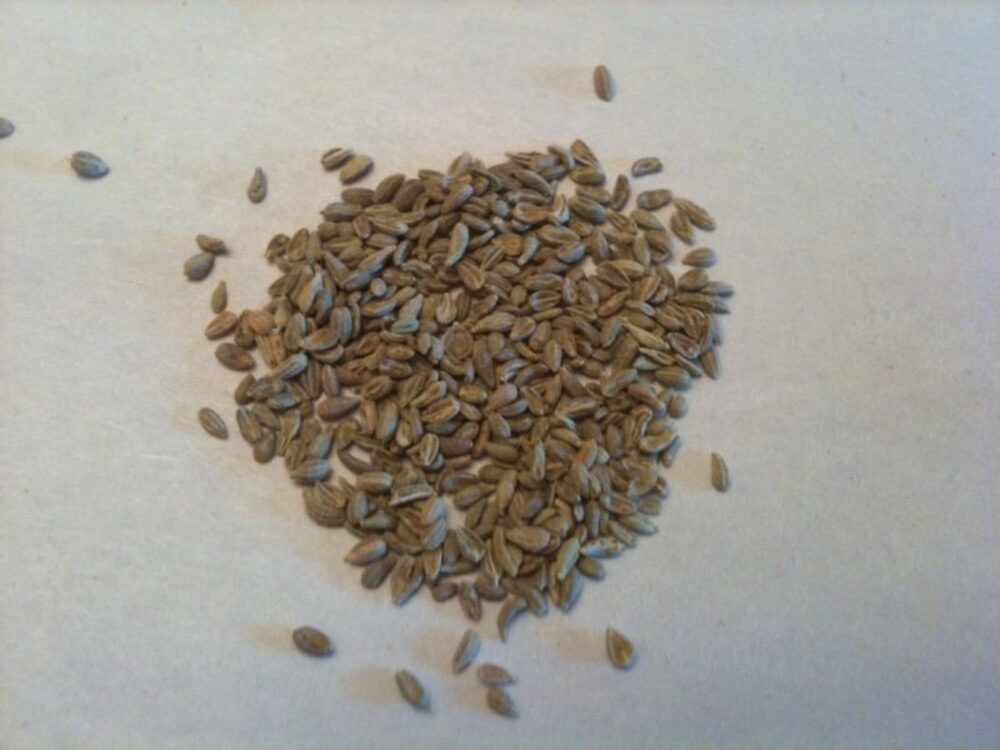
You’ll usually get the best value on bulk anise and anise seed by treating “price per pound” as only one part of the bill. For US buyers, the cheapest overall route is often a domestic spice wholesaler or a large marketplace listing that offers price breaks at 5+ lb or 25+ lb, paired with ground shipping. Cross‑border sourcing can look cheaper on the product page, but once you factor in international freight and possible duties on food products, small orders rarely win.
Below, we’ll break down how your real cost is built, why prices move so much between formats and seasons, and how to choose the right channel for your volume.
What Really Makes Up the Cost of Bulk Anise and Anise Seed
For bulk anise or anise seed, your landed cost is three things:
- Product price – the per‑pound charge for the spice itself.
- Shipping – parcel or freight to your US address.
- Import‑related costs – duties, brokerage, and paperwork if you buy from overseas.
Domestic spice wholesalers make the product piece fairly transparent. On sites like AmericanSpice’s whole anise seed page and BulkFoods’ whole anise listing, you’ll see common bulk formats: 2 oz trial packs, 1 lb bags, and multi‑pound bulk bags. Prices step down as you move into larger sizes, but you’re still paying US‑level wholesale rates plus domestic shipping.
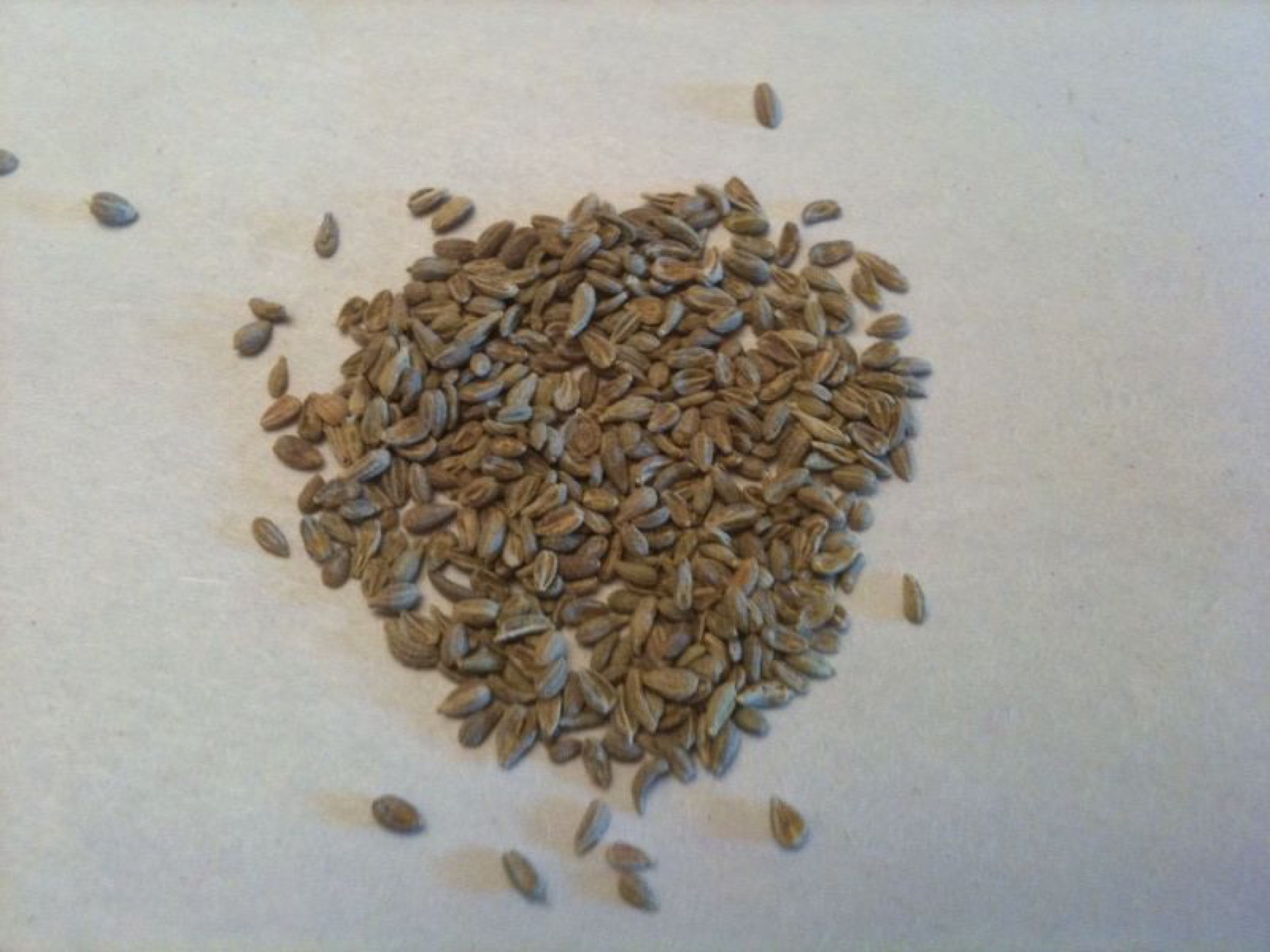
Large marketplaces like Amazon’s Best Sellers in anise seeds show a mix of retail and small bulk packs (often from 14 oz up to a couple of pounds). The per‑pound price there is a useful benchmark for very small food businesses: if your supplier quote is drastically above typical Amazon listings for similar grade seed, you’re probably overpaying; if it’s modestly below, the savings may be worth extra sourcing effort.
Star anise, sold as whole pods, is often priced separately and higher. Wholesalers like Mount Hope Wholesale and SpicesInc offer 1 lb bags at a higher per‑pound rate than common anise seed. That reflects both different supply chains and the more intense flavor and culinary use profile.
If you go cross‑border, product price can be lower, but you add international shipping plus any customs handling specific to importing food or plant products. Those costs are highly variable by carrier and shipment method, so budget buyers should assume they’re material, not an afterthought.
Price Drivers: Quantity Breaks, Product Type, and Timing
Bulk anise pricing moves for three main reasons: how much you buy, what you buy, and when you buy.
Quantity and tiered pricing
Domestic wholesalers such as SF Herb and BulkFoods show typical tiered pricing patterns. A 1 lb bag has one price, a 5 lb bag drops the per‑pound cost, and 25 lb+ tiers bring it down again.
In practical terms:
- A small bakery buying 5 lb of anise seed might pay a mid‑tier per‑pound rate and a single ground‑shipping charge. That’s often cheaper per pound than buying repeated 1 lb retail packs on a marketplace, without locking up months of inventory.
- A growing spice reseller buying 25 lb or more starts to reach the lowest tier. At this level, the unit cost is attractive—but only if you’re confident you can sell or use that volume before quality suffers.
If you’re hovering between tiers, it’s worth running the math for one step up: an extra 5 lb that drops your per‑pound price may pay for itself quickly.
Seed vs. star anise
Anise seed (from Pimpinella anisum) and star anise are different plants and products, even though they share a licorice‑like flavor profile. Wikipedia’s anise entry and SpicesInc’s star anise page highlight that distinction.
- Anise seed: small crescent‑shaped seeds, common in baking, teas, and spice blends.
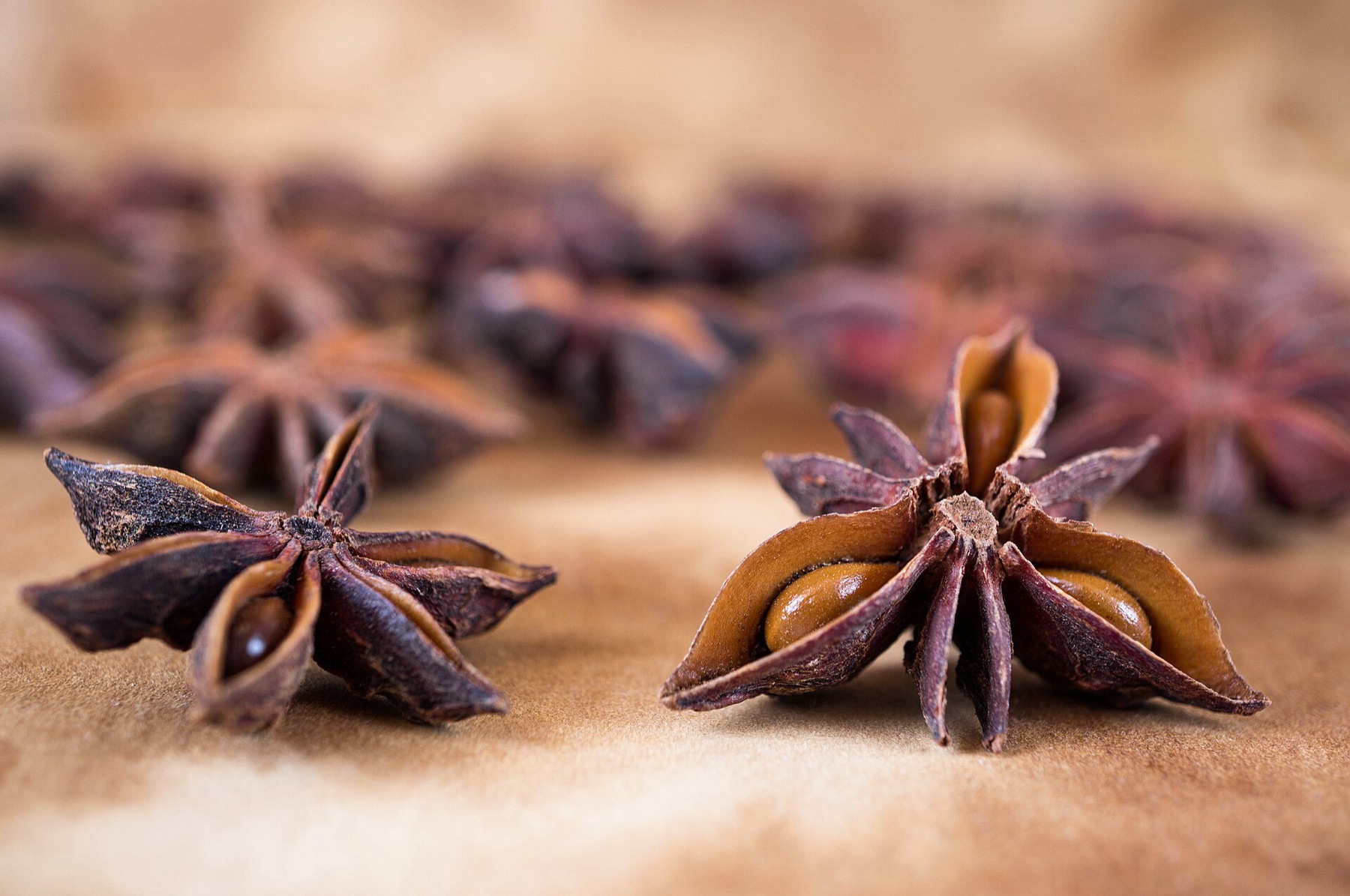
- Star anise: star‑shaped pods, widely used in Asian cooking and in whole‑spice infusions.
Because star anise pods are used differently and sourced from different regions, they often justify higher pricing. For budgeting, treat them as separate SKUs: don’t expect star anise to match your seed cost per pound.
Organic, powder, and seasonality
Organic certification, grinding into powder, and packaging can all lift per‑pound cost. An organic powdered anise product on a wholesale herb site like HerbCo will typically sit above conventional whole seed from the same supplier.
Seasonality matters in a quieter way. Demand spikes around major baking seasons and holidays can tighten supply and move prices up, especially on marketplaces that adjust more dynamically. If your business allows it, buying your core anise volume slightly off‑season—then topping up in smaller amounts later—can smooth your budget.
Choosing the Best-Value Channel and Cutting Your Anise Budget
You have three practical sourcing routes for bulk anise and star anise: domestic wholesalers, big marketplaces, and cross‑border marketplaces.
Here’s how they generally stack up for US buyers who care about budget:
| Channel type | Typical sweet spot | Main budget pros | Main budget cons |
|---|---|---|---|
| Domestic spice wholesaler (SF Herb, BulkFoods, HerbCo, AmericanSpice) | 5-25 lb per SKU, repeat orders | Clear bulk tiers, predictable ground shipping, food‑focused catalogs | Higher starting MOQs than retail; separate orders per supplier |
| Large marketplaces (Amazon, Walmart online) | 1-5 lb per SKU, mixed brands and pack sizes | Easy price benchmarking; good for testing products in small volume | Retail‑leaning pricing; bulk tiers less aggressive |
| Niche marketplaces (Etsy) | Specialty or small‑batch star anise | Access to small producers and unusual formats | More seller‑by‑seller verification; less standardized pricing |
| Cross‑border wholesale marketplaces | Larger long‑term volumes if compliant | Potentially lower factory‑adjacent product pricing | Extra work on shipping, duties, and product compliance |
For a 10-20 lb purchase scenario, here’s how that plays out:
- Option 1: Domestic wholesaler, 10 lb of anise seed – You’d likely buy two 5 lb bags or one 10 lb bulk size if offered. The per‑pound price would hit a mid‑tier discount, and ground shipping within the US is usually a single, predictable charge. This often gives the best balance of cost and time for a small food producer.
- Option 2: Amazon listings, 10 lb equivalent – You might stack multiple 14-32 oz retail bags from the Best Sellers page. The per‑pound product cost is usually higher, but shipping can be simpler and, for very low volumes, you’re not forced into wholesale MOQs.
For star anise, a similar 10 lb order from a wholesale site like Mount Hope Wholesale or SpicesInc is often more economical than trying to piece together artisan packs from Etsy’s bulk star anise listings, unless you specifically want a local small‑batch seller.
Where cross-border channels fit (carefully)
Cross‑border wholesale marketplaces, including DHgate, can list bulk goods and even garden‑adjacent items related to seeds. A DHgate editorial piece on wholesale buying emphasizes that international marketplaces can offer competitive pricing but require careful research and comparison.
For edible spices, this path usually only makes sense if:
- You’re buying very large volumes and can justify freight and import paperwork.
- You’ve checked US rules on importing plant or food products and factored possible duties and inspection.
Quick checklist: when a cross-border channel makes sense for spices
A cross‑border marketplace (including DHgate or its competitors) is more likely to be budget‑sensible for anise if you can answer yes to most of these:
- You have controlled storage and turnover for 50+ lb per SKU.
- You already work with customs brokers or have experience importing food products.
- The overseas quote is significantly below domestic wholesale benchmarks (use SF Herb, HerbCo, BulkFoods, and Amazon to compare) even after a rough estimate of freight and duties.
- You’re comfortable doing detailed supplier vetting and handling longer lead times.
If not, staying with domestic wholesalers and mainstream marketplaces will usually give you lower risk and a more predictable budget.
Practical ways to trim your anise budget
To close, here are focused tactics that work specifically for bulk anise and star anise:
- Use tier thresholds intentionally. Check the 5 lb and 25 lb price breaks on suppliers like SF Herb and BulkFoods. If moving up a tier drops your per‑pound price enough, adjust your order size rather than place multiple small orders.
- Separate everyday seed from specialty star anise. Keep anise seed on a domestic wholesale contract and treat star anise as a separate SKU with its own supplier and margin expectations.
- Benchmark annually. Once a year, compare your contract prices against Amazon’s anise best‑sellers and at least one other wholesaler like AmericanSpice or HerbCo. If your rates drift far above market, it’s time to renegotiate or diversify suppliers.
- Avoid buying “too cheap to be real” lots. Deep‑discount bulk spices from unknown marketplace sellers can carry quality and compliance risks. For a US food business, a slightly higher, well‑documented domestic wholesale price is often cheaper in the long run than product you can’t use or sell.
If you later decide cross‑border purchasing is worth exploring for other ingredients or tools, you can compare platforms using resources like DHgate vs AliExpress, Alibaba and Temu and then decide whether anise should stay on your domestic playbook.