
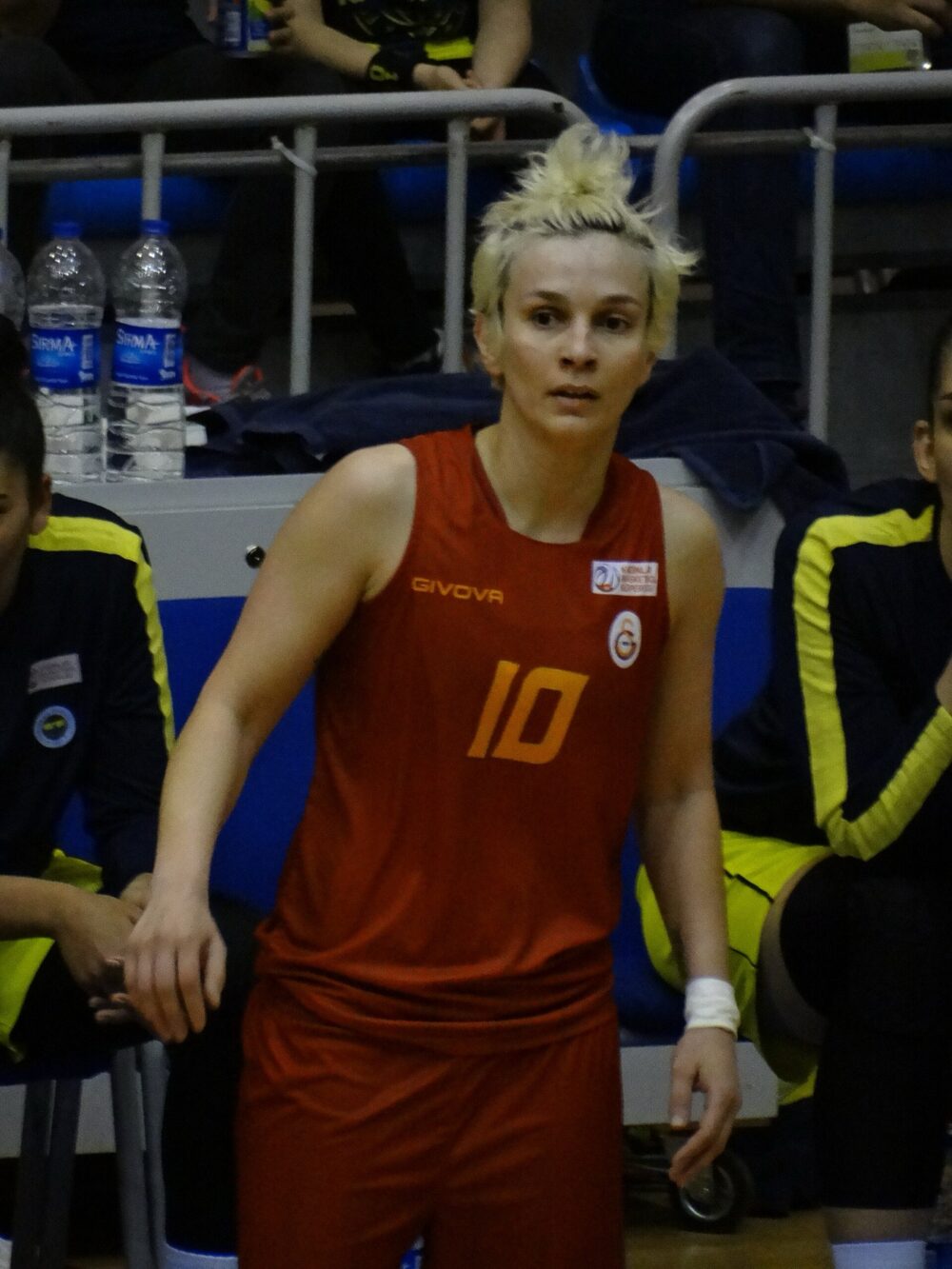
If you’re buying women’s basketball jerseys on a tight budget in Australia, you’ll get the best value by matching jersey type and customisation level to your actual needs, then comparing local teamwear suppliers with Asian wholesale marketplaces on total landed cost, not unit price alone. Retail brand jerseys can cost several times more per piece than unbranded team uniforms, while basic polyester sets from overseas suppliers can look cheap up front but rise quickly once you add printing and freight.
Below, we’ll break down what really drives price, show example ranges for local and cross‑border options, and help you choose the right channel for a club order or a small ecommerce operation.
What makes women’s basketball jerseys expensive or cheap?
Women’s basketball jerseys are usually sleeveless tops made from synthetic, breathable fabrics, often paired with matching shorts as a uniform set.Basketball uniform pricing varies widely, but for an Australian buyer the big drivers are:
- Brand and fabric
- Customisation (names, numbers, logos)
- Order size
- Shipping and import charges
Branded retail vs unbranded teamwear
On the retail side, big brands like Nike sell women’s basketball kits and jerseys in Australia through their own site and resellers. Listings on Nike AU for women’s basketball kits and jerseys sit at a premium price point per piece compared with most unbranded team uniforms. You’re paying for the brand, design, and performance fabric, not bulk value.
For a community club or social league, buying 12-20 branded retail jerseys often blows the budget. Many teams step down to custom teamwear brands or generic polyester uniforms to keep costs manageable.
Local Australian custom houses
Australian custom sportswear firms aim squarely at team orders. For example:
- Champion Teamwear offers a Madison women’s basketball jersey with custom options (team colours, logo, numbers, names).Custom Madison Basketball Jersey – Womens shows tiered pricing, where the per‑piece price decreases at higher quantities.
- CIKERS markets custom women’s basketball jerseys as bulk, cheap teamwear, emphasising 3D design tools and value‑oriented pricing.
- Supply Crew lists a Custom Women’s Basketball Top with wholesale pricing that scales down per unit at larger order brackets.
These suppliers typically charge more per jersey than very low‑cost overseas uniforms, but they bundle design support, clearer sizing for local leagues, and simpler logistics — often appealing for clubs that don’t want to manage import paperwork.
Overseas wholesale uniforms
On Asian B2B marketplaces, you’ll see much lower headline prices for blank or lightly customised polyester sets:
- A listing for blank polyester basketball uniforms on Alibaba shows wholesale price brackets around US$6-7 per set once you’re ordering roughly 100 or more sets. That’s an example from a single supplier; actual pricing varies by seller, time and options.
- Supplier offers on Made‑in‑China.com advertise team uniform price ranges around US$4-9 per set at low MOQs, again as indicative offers subject to negotiation.
These figures explain why many budget‑conscious teams and resellers look overseas. The key is that the true cost for an Australian buyer is not just that US$4-9 price — you’ll add:
- Artwork and printing charges (if not included)
- International shipping or air courier
- Currency conversion spreads and payment fees
- Any applicable import duties, GST and clearance fees
Even after those additions, a large order can still work out cheaper per set than most local custom houses, but small orders can lose the advantage quickly.
How MOQ, customisation and timing change your jersey price
For a women’s team or a small ecommerce store, three variables heavily shape your per‑jersey cost: minimum order quantity (MOQ), level of customisation, and when you order.
Minimum order quantities and tiered pricing
Local Australian custom suppliers usually publish tiered volume pricing. Champion Teamwear’s Madison women’s jersey, for example, shows higher prices at small quantities and lower prices as you move into larger brackets.Custom Madison Basketball Jersey – Womens doesn’t need you to hit hundreds of units; it’s structured for typical club sizes.
Supply Crew’s Custom Women’s Basketball Top also demonstrates that per‑piece pricing drops as you move from small to mid‑size quantity bands. This makes 15-30 jerseys for one team reasonably efficient without forcing you into huge MOQs.
By contrast, some overseas wholesalers advertise low MOQs but only unlock their sharpest price brackets once you reach larger runs — the Alibaba example listing starts to show its lowest prices around the 100‑piece level. If you only need 12-20 jerseys, that structure can dilute the savings.
Customisation level
Think through who needs what on the jersey:
- House or school teams might want a logo and numbers only, no per‑player names.
- Competitive clubs often expect player names, sponsor logos and more complex graphics.
- Ecommerce sellers usually focus on generic designs that can sell to multiple buyers.
Australian custom houses like CIKERS and Champion Teamwear give you full design control — colours, fonts, logos, names, numbers — and often bundle some of that into their pricing. On overseas marketplaces, a low base price may refer to a blank or simple print, with extra fees for multi‑colour logos, sublimation prints, or individual names.
For a budget‑sensitive team, a useful tactic is to standardise the design and drop expensive extras. Leaving off player names and sticking to one or two logo positions can significantly lower per‑jersey cost while still looking professional.
Timing and lead times
Order timing matters in two ways:
- Local suppliers often need several weeks for design, proofing and production before the season. Rush orders can be pricier.
- Cross‑border orders add transit time and potential delays.
If you’re sourcing overseas, you may need to lock in designs well before your season starts to keep freight costs reasonable and reduce the risk of having to upgrade to faster shipping.
Choosing the right sourcing channel and cutting total landed cost
You can think of women’s basketball jersey sourcing in three main channels: big‑brand retail, local custom teamwear, and overseas wholesale/marketplaces. Each suits different budgets and risk appetites.
Here’s a compact comparison using editorial judgement plus the cited examples:
| Channel | Typical use case | Unit price level (relative) | Strengths for Aussie buyers |
|---|---|---|---|
| Branded retail (Nike, etc.) | Fans, high‑end competition, low volumes | High | Proven performance fabrics, brand appeal |
| Local custom houses (AU) | Clubs, school teams, small bulk orders | Medium | Tiered pricing, local support, easier logistics |
| Overseas wholesale/marketplaces | Large team orders, resellers on tight ROI | Low headline, variable full | Lowest base prices, huge style/colour choice |
A DHgate snapshot inside the marketplace mix
Within the overseas marketplace bucket, DHgate is one of several platforms connecting buyers to suppliers. To illustrate real‑world pricing, a listing snapshot retrieved on 2026-10-08 shows:
- A custom women’s basketball shirt and uniform set titled “Custom Women Basketball Shirt High School College Girls Basketball Uniform Professional Breathable Ladies Basketball Jersey 282 260528” listed in DHgate’s Basketball Sets category, with a price band around US$47-56 per set at the time of retrieval.Custom women’s basketball shirt listing
This sits well above the US$4-9 sets advertised on Made‑in‑China and above the US$6-7 Alibaba blank‑set example, which shows that marketplace pricing isn’t always rock‑bottom. You may be paying for deeper customisation, different fabrics, smaller MOQs or simply that specific seller’s positioning.
Because DHgate offers many different basketball sets and jerseys, prices and options change over time, and each supplier sets their own terms. Treat this snapshot as a single data point, not a platform‑wide average.
If you’re weighing DHgate against Alibaba, Made‑in‑China or other marketplaces, it’s sensible to compare them side‑by‑side on listings, pricing and seller behaviour. The marketplace‑level pros and cons are explored more broadly in this comparison of DHgate, AliExpress, Alibaba and Temu.
For Australian buyers trying to work out full costs of overseas sourcing, including duty and GST, the breakdown in this guide to customs, tariffs and import fees can help you model landed cost.
Practical ways to keep landed cost low without trashing quality
For teams:
- Align jersey type to level of play. Social or school teams can often use generic polyester uniforms from value‑focused Australian suppliers or mid‑range overseas sets, rather than branded performance jerseys.
- Order in one batch. Taking all sizes in a single run tends to hit better tiered pricing locally and more favourable brackets from overseas sellers.
- Simplify the artwork. Restricting colours and logo positions keeps printing costs down in both local and cross‑border scenarios.
For small ecommerce buyers:
- Start with modest MOQs. Test demand using local custom houses or overseas suppliers who offer realistic minimums; don’t chase the lowest advertised unit price if it forces a risky inventory level.
- Compare channels on landed cost, not just tags. Put a simple spreadsheet together with unit price, printing, freight, and estimated import charges for each channel. Only after that comparison will it be clear whether local custom jerseys or imported sets leave more margin.
- Use marketplace diversity. If DHgate’s current custom sets price higher than equivalent designs on Alibaba or Made‑in‑China, treat it as one quote in a multi‑channel sourcing strategy rather than a must‑use source.
If you later decide that DHgate deserves a deeper look for broader wholesale sourcing, this overview of finding wholesale suppliers on DHgate explains how to evaluate individual sellers and listings. The core decision, though, is channel mix: branded, local custom or overseas — and for most budget‑focused women’s teams in Australia, a locally made, moderately customised jersey or a carefully chosen overseas set with realistic landed cost works out better than buying retail one by one.