
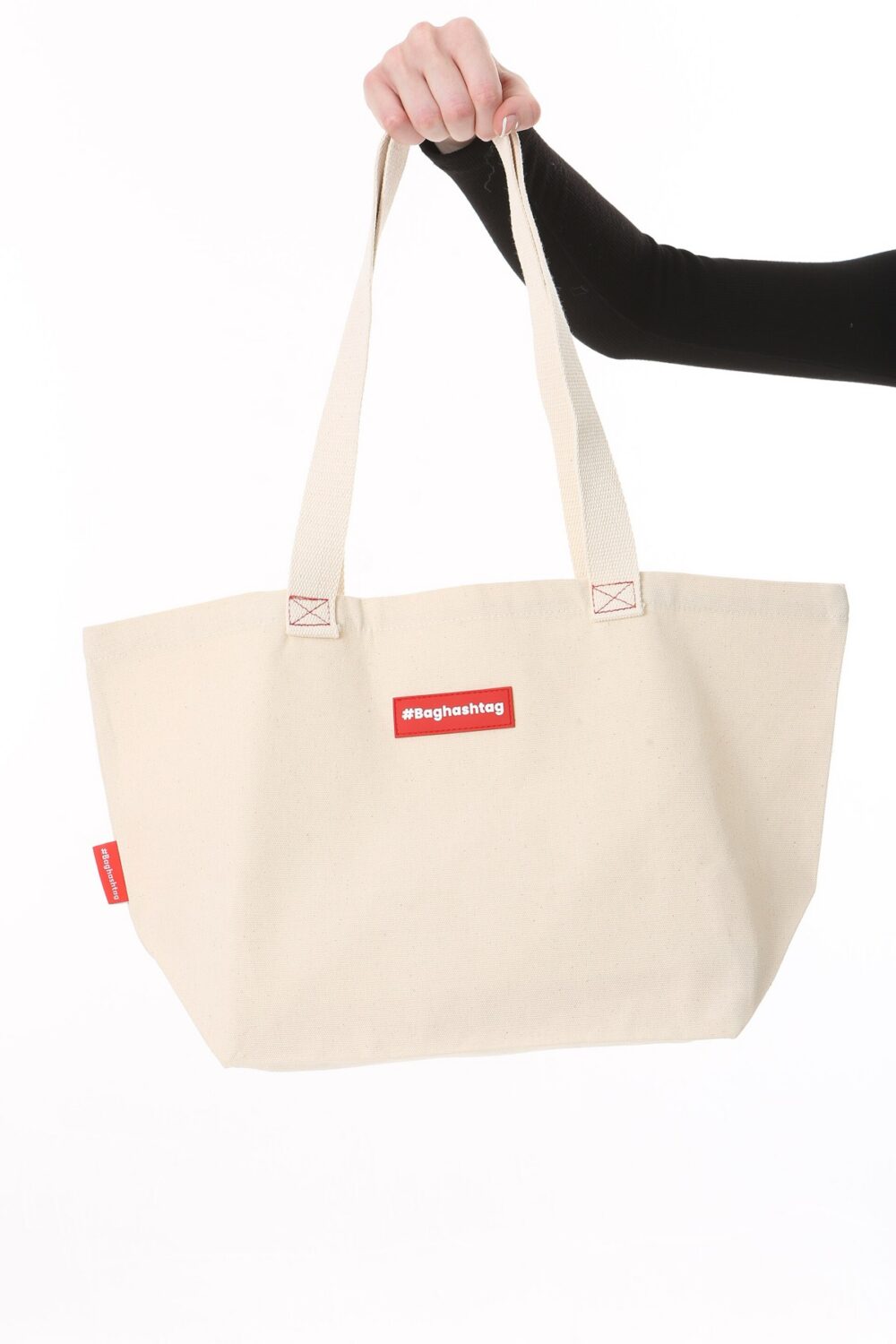
Plain canvas and cotton tote bags can be very cheap in bulk, but the true cost depends on more than the per‑bag price you see in a product grid. You’ll stretch your budget by matching fabric weight and bag size to your actual use, then comparing total landed cost — unit price, shipping, and any import/customization fees — across US wholesalers, marketplaces like Amazon, and cross‑border options. The cheapest channel changes depending on whether you need 24 bags for a craft project or 1,000 bags for resale.
What Plain Canvas and Cotton Tote Bags Really Cost
For a US buyer, budget blank totes typically fall into a few price bands:
- US wholesale blank totes. Sites like BagzDepot advertise wholesale pricing on cotton and canvas totes when you buy in bulk. FlourSackTowels lists multiple canvas styles starting around the low single‑dollar range per bag for basic blanks, based on current listings on FlourSackTowels.
- US customizable totes. CottonCreations promotes various canvas weights and formats, with options to keep bags blank or add printing. Customization usually bumps up your price per bag from that low‑dollar starting point.
- Marketplace multipacks. Amazon has multi‑packs of economical cotton totes (12, 24, 48+ counts) aimed at DIY projects and events, as seen in bulk listings like this cotton tote pack category. These often target a low per‑bag price by bundling.
That’s just product price. Your total cost also includes:
- Shipping (ground in‑US vs. air from overseas)
- Any import duties or handling fees for cross‑border orders
- Custom printing or label application
- Payment fees and potential design setup charges
For small hobby orders (say 12-50 bags), you’ll usually spend more per bag but keep overall out‑of‑pocket low. For 500-1,000+ bags, wholesale and direct‑import channels can drive the per‑bag cost down, but shipping and customs make the math more complex.
How Order Size, Bag Specs, and Customization Change Your Price
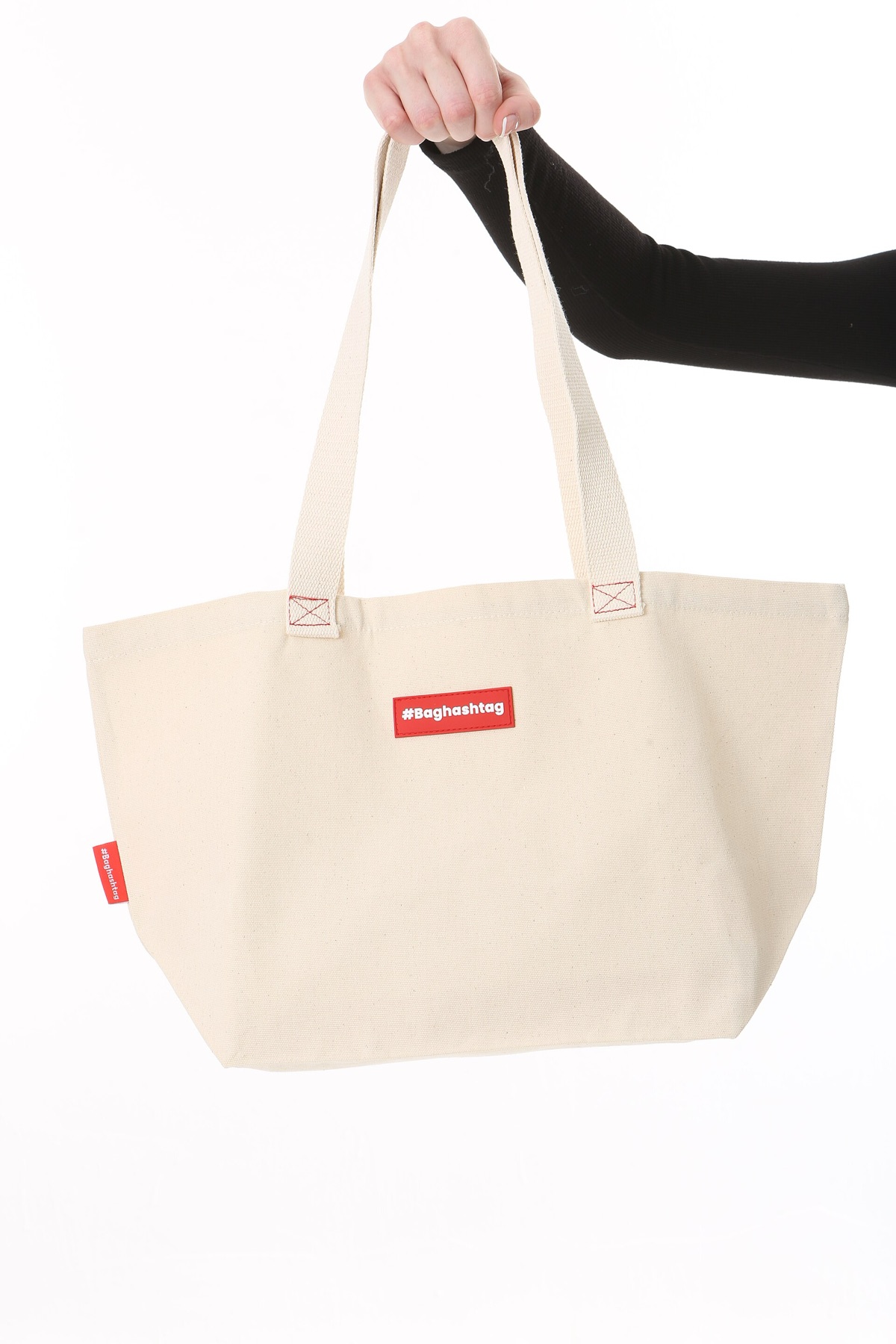
Plain totes look similar in photos, but small spec changes quietly move your budget.
Fabric weight and material. Canvas and cotton are both durable, reusable materials often highlighted for affordability in tote‑bag guides. Lighter cotton (around “6 oz” in many listings) is cheaper and fine for programs or giveaways. Heavy canvas (often listed around “10-12 oz”) costs more but carries books or groceries better; CottonCreations, for example, offers multiple canvas weights and handle styles on its tote bags and pouches.
Size and construction. A compact book tote with no gusset uses less fabric than a wide, gusseted shopper. Extra features — zippers, pockets, colored handles — add labor and material, pushing price up.
Order quantity and MOQs. Many wholesalers give better pricing at higher tiers (e.g., 100+, 500+, 1,000 bags), or require a minimum order for wholesale pricing. The per‑bag drop between tiers can easily beat what you save with a cheaper fabric weight.
Printing and customization. The moment you add a logo or artwork, you introduce:
- Setup fees per design or color
- Higher per‑bag cost for multi‑color prints
- Potential surcharges for dark‑colored or coated canvas
US custom providers like CottonCreations let you toggle between blank and printed totes; you’ll see the base bag options first, then costs rise as you layer on print and color choices.
Shipping method. For US‑based wholesalers and Amazon, ground shipping on bulk orders is often predictable. Cross‑border shipments add variables: international freight method, customs processing, and potential taxes. For large orders, you need to model shipping per bag, not just total freight.
Choosing the Cheapest Sourcing Channel Without Sacrificing Value
You have several realistic channels for budget plain totes. Each has a cost profile rather than a simple “cheapest” badge.
| Channel type | Best for order size | Typical cost pattern (editorial) |
|---|---|---|
| US wholesale blank suppliers | 100-5,000+ bags, resale or events | Low per‑bag price at higher tiers; shipping reasonable inside US |
| Custom print specialists | Branded campaigns, merch drops | Higher per‑bag due to printing; value in turnkey service |
| Marketplaces (Amazon, etc.) | 12-200 bags, DIY, short‑notice | Multipacks keep cost modest; shipping often fast but per‑bag higher than deep wholesale |
| Cross‑border marketplaces | 300-5,000+ bags with time to plan | Product price can be attractive; must add freight and import costs to compare fairly |
US wholesalers & multi‑packs. If you’re in the US and need simple blanks in quantity, wholesalers like BagzDepot and FlourSackTowels focus on cotton and canvas totes with bulk‑friendly pricing, while Amazon’s economical cotton tote packs suit smaller, quick orders. These channels keep logistics simple and shorten timelines, which matters if you’re prepping for a dated event.
Custom print providers. If you need ready‑to‑ship branded totes (fundraisers, store openings), it can be more economical in practice to pay a bit more per bag through a US printer like CottonCreations than to juggle blank imports, local printers, and extra freight.
Cross‑border marketplaces (including DHgate). Cross‑border platforms list many canvas and cotton tote styles with tiered prices. For example, as of 2026-10-06, DHgate shows plain or simple canvas and cotton totes like:
- Shopping Bags Foldable Reusable Plain Cotton Canvas Beach Tote Bag — a plain cotton canvas shopping tote with a price range listed for bulk purchasing.
- Wholesale Cotton Color Portable Canvas Tote Bag Blank DIY Print Friendly Shoulder Canvas Advertising Shopping Bag — positioned for DIY printing and advertising use, also using tiered pricing.
- Simplistic Canvas Tote Bags: Black, White, and Yellow Options – Perfect for Everyday Use — basic canvas bags in several colors.
Listing prices and availability can change, and the numbers you see there are only the product side of your budget. Before treating cross‑border sourcing as cheaper, you should still estimate:
- International shipping (per carton) and its per‑bag impact
- Customs duties, tariffs, and broker or carrier fees
- Lead time flexibility if a shipment is delayed
For help modeling import costs, you can use guides like Understand customs, tariffs and import fees, even if you ultimately buy from a different marketplace.
Practical Ways to Keep Your Tote Budget Sustainable
Once you know your rough specs and preferred channel, a few targeted moves help control cost without ending up with flimsy bags.
1. Right‑size the fabric and features. For library giveaways or conference swag, a lighter cotton tote without gussets is usually enough and cheaper. Reserve heavyweight canvas, gussets, zippers, or colored handles for retail or heavy‑use scenarios where you can justify the premium.
2. Lock in your quantity and artwork early. Commit to a realistic quantity that hits better pricing tiers, and finalize your artwork before you request quotes. Design changes after you’ve approved a proof often trigger new setup fees.
3. Bundle SKUs where possible. If your business uses other cotton items — tea towels, aprons, or pouches — consider sourcing them from the same wholesaler. Several US suppliers that carry blank totes also stock related cotton products, and consolidated shipping can lower per‑item freight.
4. Compare landed cost, not just headline price. If a cross‑border listing shows a tempting per‑bag price, run a quick spreadsheet: product total + freight + estimated import fees divided by bag count. Then compare that number to a US wholesale quote. Often the gap is narrower than the product prices suggest.
5. Time large orders away from hard deadlines. For big event or resale orders, place tote purchases far enough ahead that you can absorb routine delays, especially for cross‑border shipments. That way you’re not forced into expensive rush printing or last‑minute domestic reorders.
For some buyers, the lowest stress and most predictable cost will come from US wholesalers or Amazon multipacks. For others with larger, flexible orders, mixing US custom print providers with carefully vetted cross‑border listings can bring per‑bag costs down. The best budget move is to decide what you’ll realistically use the bags for, then run the math across at least two channels before you commit.