
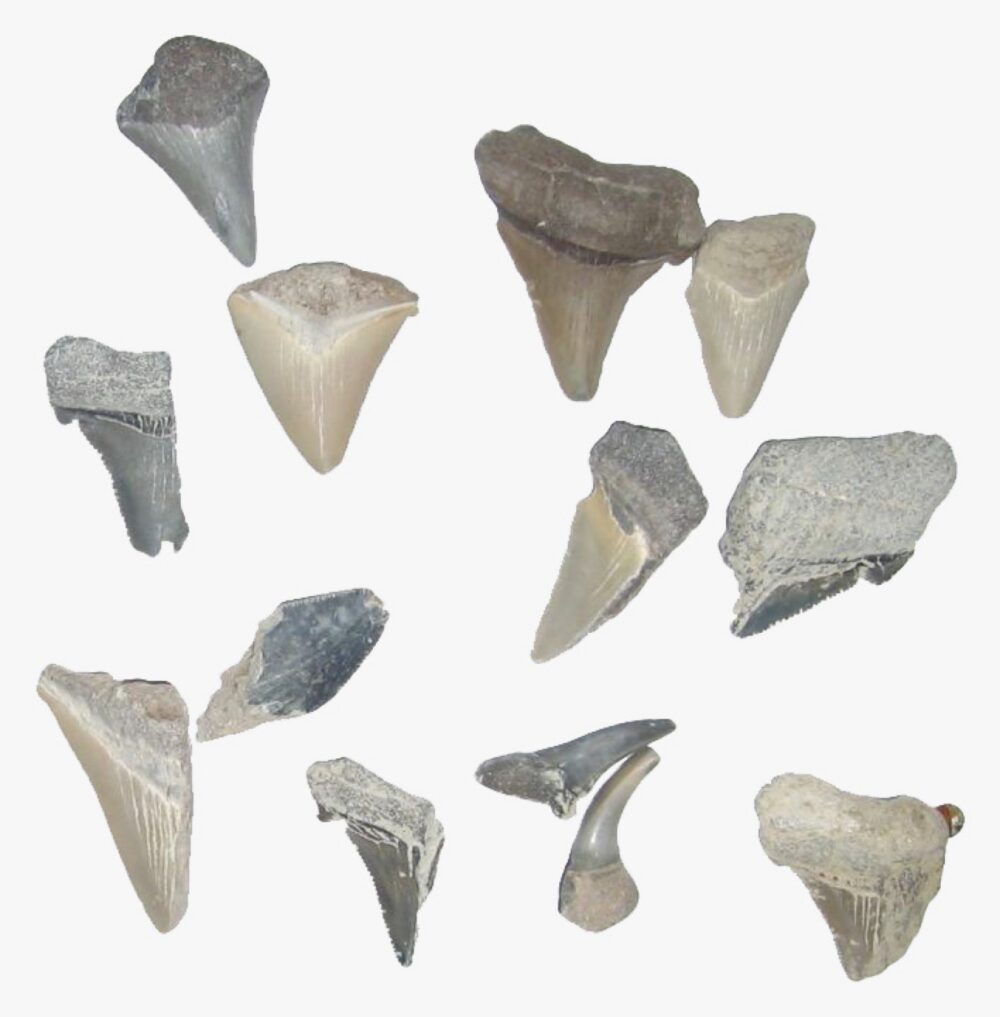
Bulk shark teeth and Megalodon teeth sit in two very different price worlds. Mixed small shark teeth for crafts are treated like a commodity and sold in pound‑lots or bags, while Megalodon teeth are priced as individual fossils with collector demand. You’ll get the best value by matching your channel to what you really need: low‑grade bulk for jewelry or decor from wholesalers or marketplaces, and a few authenticated Megalodon pieces from specialist fossil dealers or divers. Your budget has to cover verification effort and legality checks, not just the cheapest per‑tooth sticker.
For a US buyer or small ecommerce shop, that usually means buying bulk mixed teeth locally or from a dedicated wholesaler, and only paying collector pricing for a small number of display‑grade Megalodon teeth. Below, we’ll break down how costs work, then compare channels and show you how to trim spend safely.
What Really Drives the Cost of Bulk Shark Teeth vs. Megalodon Teeth
Think of bulk shark teeth as raw material and Megalodon teeth as collectibles. That difference explains most of the price spread you’ll see:
- Product grade and type. Small, chipped, or heavily worn teeth from common species (like sand tiger or snaggletooth) are often sold in big lots for crafts. High‑grade teeth with intact roots, glossy enamel, and fewer repairs cost more. Megalodon teeth with good enamel, symmetry, and size can move into higher price brackets per piece on specialist sites like BuriedTreasureFossils.
- Lot size vs. single pieces. Wholesale‑oriented sites such as Megalodonteeth.com show bulk shark teeth collections alongside individual specimens. Inside those wholesale collections, pricing ranges widely depending on how many pounds or pieces you buy and how much sorting the seller has done.
- Provenance and legality. Specialist retailers such as BuriedTreasureFossils highlight that their teeth are legally collected and inspected for provenance. That work is baked into the price. More casual bulk lots from beachcombers or unvetted marketplaces may be cheaper, but you shoulder more risk on whether the teeth were collected and exported legally.
- Shipping and location. Buying from coastal divers in the Carolinas or Florida often means domestic US shipping. Buying cross‑border can add customs clearance, import fees, and longer transit. On a tight budget, those extra charges can erase savings from a slightly lower base price.
General fossil guidance (including claw fossils) points out that laws vary by country and permit requirements, and prices scale with rarity, size, and condition. Shark teeth follow the same pattern: the bigger, rarer, cleaner, and better documented the tooth, the farther you move from “craft supply” territory and into “collector fossil” pricing.
Price Factors for Tooth Type, MOQ, and Intended Use
Your per‑tooth cost hinges on what you’re actually doing with the teeth.
1. Craft bulk lots vs. display pieces
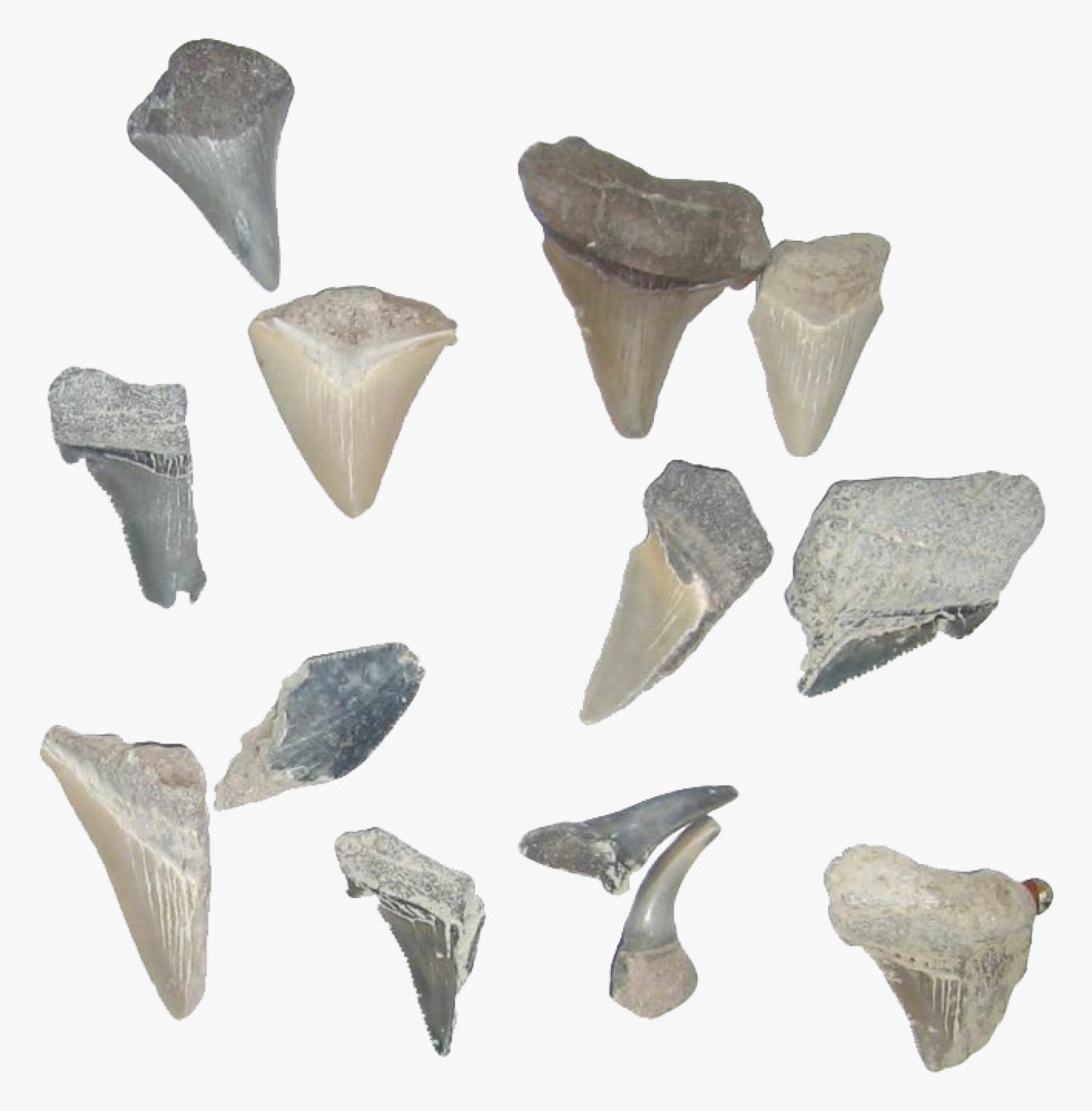
If you’re making earrings or keychains, you probably want lots of small, similar teeth and you don’t need perfect enamel. Wholesale sites like Megalodonteeth.com and dedicated wholesalers such as jtssharksteeth.com advertise mixed shark tooth supply specifically for bulk buyers, sometimes emphasizing hand‑dived origin or species mixes.
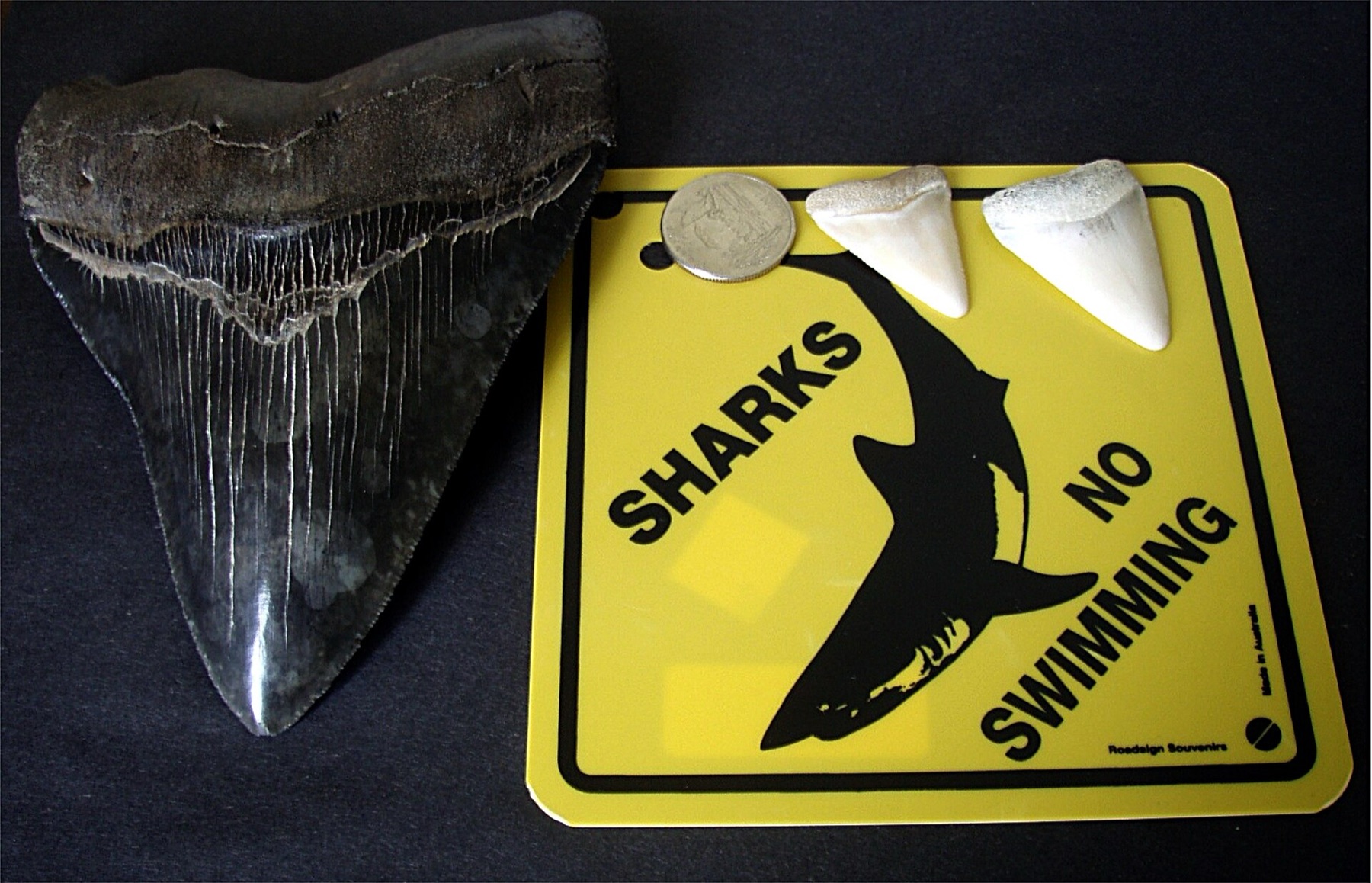
By contrast, collectors and decor sellers focus on single Megalodon teeth or small sets with clear measurements, location (e.g., river vs offshore), and grading. Specialist fossil retailers and curated marketplaces (for example, some individual sellers in Etsy’s bulk shark teeth section) may list both craft‑grade lots and higher‑grade Megalodon teeth, but the price per tooth is multiple times higher for display pieces.
2. Minimum order quantities and sorting level
Bulk suppliers often:
- Require minimum order quantities (MOQs) in pounds or hundreds of teeth.
- Charge more for sorted lots (all one species or size range) than for completely mixed “dig bucket” teeth.
For example:
- A 1 lb bag of mixed small teeth from a beachcomber contact in a Carolinas Facebook group might be unsorted and include broken pieces. You pay less but spend time sorting and discarding.
- A wholesale lot from a shark tooth supplier that’s pre‑graded into “necklace size” and “larger display teeth” will cost more per usable piece but saves you labor.
For a small craft business, the sweet spot is usually moderate MOQs of pre‑screened teeth: enough volume to get a bulk discount, but not so much you sit on dead inventory.
3. Seasonal demand and niche uses
Demand spikes can move prices:
- Summer and coastal tourist seasons: higher demand for jewelry and souvenirs can tighten supply of nicer small teeth.
- Viral social media trends: specific styles (e.g., wire‑wrapped Megalodon pendants) can suddenly make medium‑grade Megalodon teeth more expensive.
If your business is flexible on design, you can stay in the budget zone by switching species or size brackets when Megalodon prices rise—using attractive great white, tiger, or snaggletooth fossils instead of chasing the largest Megalodon specimens.
Choosing the Right Channel and Cutting Costs Safely
No single channel is “best” for everyone. Each has a price/effort/verification tradeoff.
Channel snapshot for US buyers
| Channel type | Typical use case | Price profile (editorial view) | Verification effort |
|---|---|---|---|
| Specialist fossil retailers | Individual Megalodon, curated sets | Higher per tooth, stronger provenance focus | Moderate |
| Dedicated shark tooth wholesalers | Bulk mixed teeth, some Megalodon wholesale | Lower per tooth for bulk lots | Moderate–high |
| Online marketplaces (Etsy, etc.) | Small bulk lots, mixed quality | Wide range; can find mid‑budget | High |
| Local hunters & Facebook groups | Crafts bulk from regional finds | Often budget‑friendly for small lots | High |
Examples:
- Specialist fossil sites. Retailers such as BuriedTreasureFossils focus on legally collected, inspected teeth. Best if your business sells a few higher‑ticket Megalodon fossils rather than a lot of low‑priced craft pieces.
- Shark tooth wholesalers. Wholesalers like jtssharksteeth.com and bulk pages on Megalodonteeth.com are built for volume. You’ll see wholesale collections with internal price spreads, reflecting lot size and quality. Good for recurring craft supply once you trust the seller.
- Marketplaces and community channels. Etsy’s bulk shark teeth results show independent sellers offering bags, pounds, and occasional Megalodon teeth. Community groups—such as a Shark Tooth Hunters of the Carolinas Facebook group post asking who sells bulk teeth from that region—can connect you to local hunters willing to sell mixed teeth.
These marketplace and community options can be budget‑friendly, but they shift authentication and legality checks onto you. Ask about collection locations and avoid anything described vaguely or shipped across borders without documentation.
One snapshot of DHgate’s role
On 2026-10-06, a spot‑check of DHgate search results returned items such as a “Unique Shark Tooth Pendant Necklace – Simulation Yak Bone Jewelry” in a jewelry category, along with other shark‑themed toys and dental or anatomy models, but the same snapshot did not surface bulk fossil shark or Megalodon teeth listings.
That single observation suggests DHgate currently lines up more with replica shark tooth jewelry, themed decor, or educational models than with real fossil supply. DHgate’s inventory can change, though, so if you consider it for shark‑themed accessories:
- Treat it as a cross‑border marketplace where you search for specific items (for example, replica pendants) and
- Always evaluate individual listings yourself—photos, materials, and quantities—rather than assuming any category will include genuine fossils.
If your business needs genuine fossil shark or Megalodon teeth, specialist fossil retailers, local divers, and dedicated wholesalers are usually more directly aligned with that goal.
A Quick Cost-Optimization Checklist Before You Buy
Use this short checklist to keep your shark tooth budget under control without drifting into risky territory:
- Decide your mix: How many teeth can be low‑grade craft material, and how many need to be display‑grade Megalodon? Only pay collector pricing for teeth that truly drive revenue.
- Choose your channel by job:
- Bulk craft uses → shark tooth wholesalers, vetted marketplace sellers, or local hunters.
- High‑ticket fossils → specialist retailers or known divers whose provenance you can explain to customers.
- Ask specific questions: For bulk lots, ask the seller about approximate tooth counts per pound, species mix, breakage rate, and whether lots are sorted. For Megalodon teeth, get size measurements, repair status, and collection location.
- Model total landed cost: Include shipping, possible customs/import charges (for cross‑border orders), and your time cost for sorting or cleaning. If two options are close on unit price, pick the one that saves hours of labor.
- Check legality where you operate: Fossil trade rules shift by state and country. Before scaling up, confirm that buying, importing, and reselling fossil shark teeth from your chosen source is allowed in your jurisdiction.
If you keep your sourcing strategy aligned with how you actually use the teeth, bulk shark teeth can stay a low‑cost material while a few well‑chosen Megalodon fossils anchor your higher‑margin product lines.