
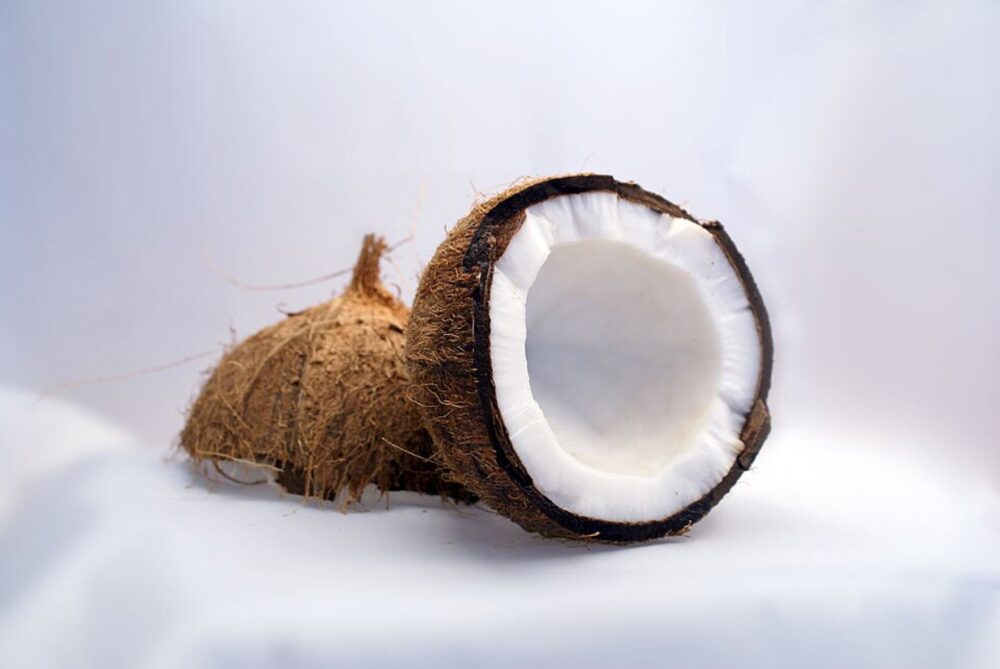
Sun-kissed coconut is now a full-blown product theme, not just a single scent. For Australian buyers and small ecommerce brands, the best channel depends on which version you’re chasing: creamy coconut perfumes, tanning lotions, lip care or coconut-print beachwear. Large marketplaces tend to win on breadth and price range, specialist beauty sites on tested quality, and social platforms on discovery and trend speed—but each has blind spots. You’ll usually get better results by matching the product type to the channel rather than hunting for a single “best” platform.
For everyday shoppers, coconut perfumes and body care from established brands are usually safest via mainstream marketplaces and reputable beauty retailers where you can see detailed listings and reviews. For boutique owners or online sellers, marketplaces and some cross-border platforms can surface wholesale-like prices on unbranded or emerging coconut lines, but they often come with thin review histories and more manual vetting. Social platforms are powerful for spotting what’s trending (the hoodie haul, the viral bronzing lotion) yet weak for structured comparison.
What “Sun-Kissed Coconut” Products Are You Actually Comparing?
Before you pick a channel, you need to pin down which sun-kissed coconut category you’re in. The term now spans:
- Fragrance – perfumes, mists and gourmand scents built around coconut notes. A French fragrance retailer describes coconut fragrances as creamy, sun-kissed and slightly sweet, with offerings that span budget to premium lines in roughly the EUR 22-92 band for mainstream bottles.descriptive fragrance source
- Body and tanning products – coconut tanning lotions, bronzing creams, body oils, scrubs and masks. These promise a beachy glow plus skincare benefits.
- Lip care and small-format beauty – coconut lip balms, lip oils and jelly glosses that mix scent with hydration.
- Fashion and beachwear – coconut-tree prints and “sun-kissed” messaging on bikinis, tankinis, hoodies and resort wear.
Each type leans on different comparison criteria:
- Price: Fragrance buyers look at price per ml and brand tier; beauty buyers weigh per-unit cost vs active ingredients; fashion buyers focus on garment price vs construction quality.
- Quality signals: For scented products, notes details and brand reputation matter. For skincare, you care about how the product feels on skin, not just the coconut label. For beachwear, fabric weight, stitching and print clarity are key.
- Reviews and testing: Objective lab-style testing is rare outside specialist review sites; most quality signals are crowdsourced via customer reviews or influencer content.
- Shipping and cross-border friction: Australian buyers often face higher shipping costs and longer transit times, especially from Europe or North America, plus potential duty on higher-value fragrance or bulk shipments. These don’t make a platform good or bad, but they should be factored into your total landed cost.
Your goal is to align product type and risk tolerance with channels that give you enough real information: clear prices, honest scent or fabric descriptions, and user experiences that go beyond a single influencer reel.
How Marketplaces and Social Platforms Stack Up for Sun-Kissed Coconut Products
Different tools and platforms excel at different parts of the coconut-shopping puzzle.
Search engines make it easy to jump across retailers and quickly see who stocks a given coconut fragrance or tanning lotion, but results are heavily influenced by SEO and ads rather than objective ranking. Dedicated review sites can go deep on performance and scent character for major-brand products, yet they rarely cover a niche coconut lip balm or an off-brand bronzer.
Price-comparison tools aggregate retailer prices for the same SKU so you can see, for example, how an established coconut fragrance or body mist is priced across stores. That’s useful for major brands, less so for indie or private-label coconut lines that don’t have standardized codes.
The more practical distinction for sun-kissed coconut sourcing is between large marketplaces, niche retailers, and social commerce:
| Channel type | Typical price range & visibility | Quality & review signals | Best suited coconut products |
|---|---|---|---|
| Large general marketplaces | Wide price bands, from budget body care to mid-tier fashion; clear per-item prices, often many competing listings | Star ratings and text reviews on popular SKUs; limited info on new or niche products | Everyday coconut perfumes, body scrubs, mainstream beachwear |
| Specialist beauty/fragrance sites | Prices often higher than marketplaces but still span budget–premium; good clarity on size and concentration | Detailed notes lists, ingredient breakdowns, curated or expert reviews | Branded coconut fragrances, skincare-forward tanning and body products |
| Fashion and boutique platforms | Mid-range to premium garment pricing; smaller catalogues but clear garment-level pricing | Photos, size guides, and fabric descriptions; variable review depth | Coconut-print bikinis, hoodies, resort wear |
| Social platforms (Instagram, TikTok, etc.) | Prices surfaced in captions, shop tags or off-platform links; often opaque until you click through | Subjective influencer recommendations; comments with mixed reliability | Trend-led products: viral bronzing lotions, hoodie drops, new coconut mists |
Social platforms deserve a specific callout. They’re excellent discovery engines: you’ll see reels featuring “sun-kissed coconut” hoodies or bronzing routines long before those items saturate traditional marketplaces. But they’re weak for rigorous comparison. Information is fragmented—one reel, one caption, one comments thread. You rarely get structured review aggregates or standardized spec sheets, which matters for anything that goes on skin.
Combining these tools is often the pragmatic move: spotting a coconut scent or tanning product on social, then cross-checking its price band and reviews across marketplaces and, for fragrances, specialist retailers like the French site cited earlier.
Which Channel Makes Sense for Your Sun-Kissed Coconut Sourcing Scenario?
Different buyer profiles should lean into different channels, and that’s where cross-border marketplaces enter as optional tools rather than default answers.
Everyday Australian consumer
If you’re buying one bottle of coconut perfume or a single tanning lotion:
- Start with established marketplaces and beauty sites where the product has a clear brand, standardized size and visible review history.
- Use search and price-comparison tools to sanity-check pricing, especially for imported fragrance in the EUR 22-92 range.
- Use social platforms mainly to sense trends and see how products look in real use, not as your only quality check.
Small boutique or online seller: curated coconut edit
If you’re building a small “sun-kissed coconut” capsule—say, a few body products, a fragrance, and a coconut-print bikini—your priorities shift towards margins and differentiation:
- Specialist beauty wholesalers or B2B arms of known brands are better for branded scent and skincare, where quality control and consistent formula matter.
- For fashion, boutique platforms and some larger marketplaces offer white-label coconut-tree beachwear that you can style and price competitively.
- Social platforms can help you spot which coconut notes or cuts are resonating—creamy gourmand scents vs lighter beach mists, high-leg vs fuller-coverage bikinis—but you’ll still want listings with real fabric and sizing detail before you commit.
Bulk or niche sourcing, including cross-border marketplaces
A quick DHgate check on 2026-10-06 surfaced examples such as:
- Coconut Lip Balm – Lasting Nourishment and Moisture in the lip balm category, with price ranges around USD 18.55-19.03 per listing and no recorded reviews yet at that date.coconut lip balm example
- Milk Coconut Perfume Spray listed under fragrance, with a broad price range of roughly USD 24.78-64.69, again without visible buyer ratings at snapshot time.milk coconut perfume example
- 100G Coconut Tanning Lotion Sunless Bronzer in creams & lotions, shown in a band of about USD 18.87-29.42 with no reviews at the time of research.coconut tanning lotion example
- Women’s Bathing Suit Coconut Drawstring Side Halter Neck Tankini under women’s swimwear, with prices in the USD 28.85-34.43 range and no review history in the snapshot.coconut tankini example
- Focus on small trial orders rather than jumping straight into volume.
- Pay close attention to product titles, categories and photos to ensure you’re actually getting coconut-themed or coconut-scented items, not just generic body care.
- Cross-check any promising finds against other channels where possible; for example, does a similar coconut lip balm or tanning cream exist with clearer reviews elsewhere?
For some Australian micro-brands, a hybrid strategy works best: anchor your line with a few reputable, branded coconut fragrances or body products from specialist channels, then experiment around the edges—like accessories or coconut-print fashion—using vetted sellers on general or cross-border marketplaces.
If your sourcing questions grow beyond sun-kissed coconut into broader marketplace choices, you may find it useful to read neutral comparisons such as DHgate vs AliExpress, Alibaba and Temu or background explainers on what DHgate is and how the marketplace works. Those can help you decide how heavily to lean on any one marketplace in your overall sourcing mix.