
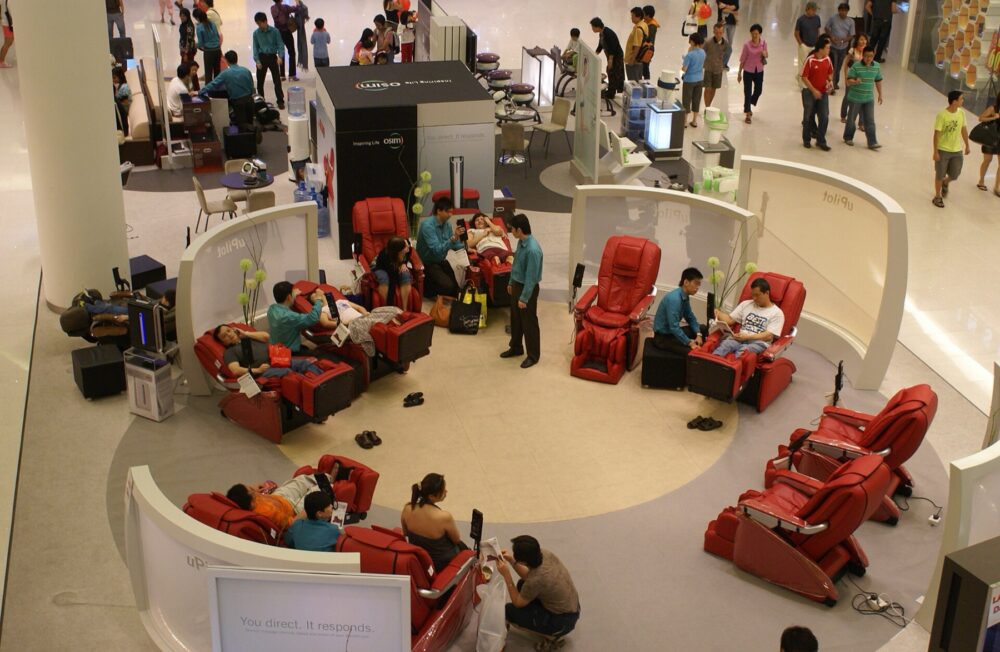
Canadians looking for used massage chairs usually have better luck on local person‑to‑person marketplaces and specialist dealer demo sections than on big cross‑border sites. If you search something like “massage chair Saskatoon,” the realistic options are Facebook Marketplace or Kijiji listings in your area, local classifieds like Craigslist, and Canadian dealers offering floor‑model or open‑box chairs online. Cross‑border marketplaces tend to focus on new equipment and accessories, and are rarely the primary source for used, full‑size massage chairs sitting in someone’s basement or clinic.
The key decision is whether you want a one‑off chair near you, a few chairs for a clinic, or regular inventory as a reseller. That decides whether you should prioritize local pickup, Canadian demo/open‑box stock, or start thinking about importing new chairs.
How Canadians Actually Buy and Sell Used Massage Chairs
Used massage chairs behave a lot more like used office furniture than like small gadgets. DHgate’s own editorial on used furniture points out that buyers often turn to online marketplaces such as Craigslist, eBay, and Facebook Marketplace to find large items and are advised to inspect them carefully before purchase. Massage chairs fit that pattern: they’re bulky, expensive when new, and resold when moving house, closing a clinic, or upgrading.
Local social marketplaces are the most visible channel. For example, Facebook Marketplace massage chair listings in Comox, BC show both new and used chairs offered directly by people and small businesses in that town. You’ll see similar patterns if you search your own city name plus “massage chair” in Facebook Marketplace or on Canadian‑focused classifieds.
For Canadian buyers, the practical routes usually are:
- Social marketplaces: Facebook Marketplace, sometimes local buy/sell groups.
- Classifieds: Craigslist city pages and regional sites; Kijiji in many provinces.
- Specialist dealers: Canadian massage‑equipment retailers that sell demo or open‑box chairs online.
People listing a large chair will often expect local pickup. That’s why searches like “massage chair Saskatoon” or “massage chair Comox” tend to surface nearby inventory, not cross‑country shipping offers.
Platform Types for Used Massage Chairs: Local, Retail, and Cross‑Border
Different platform types handle used massage chairs in different ways. Understanding these models helps you decide where to spend time.
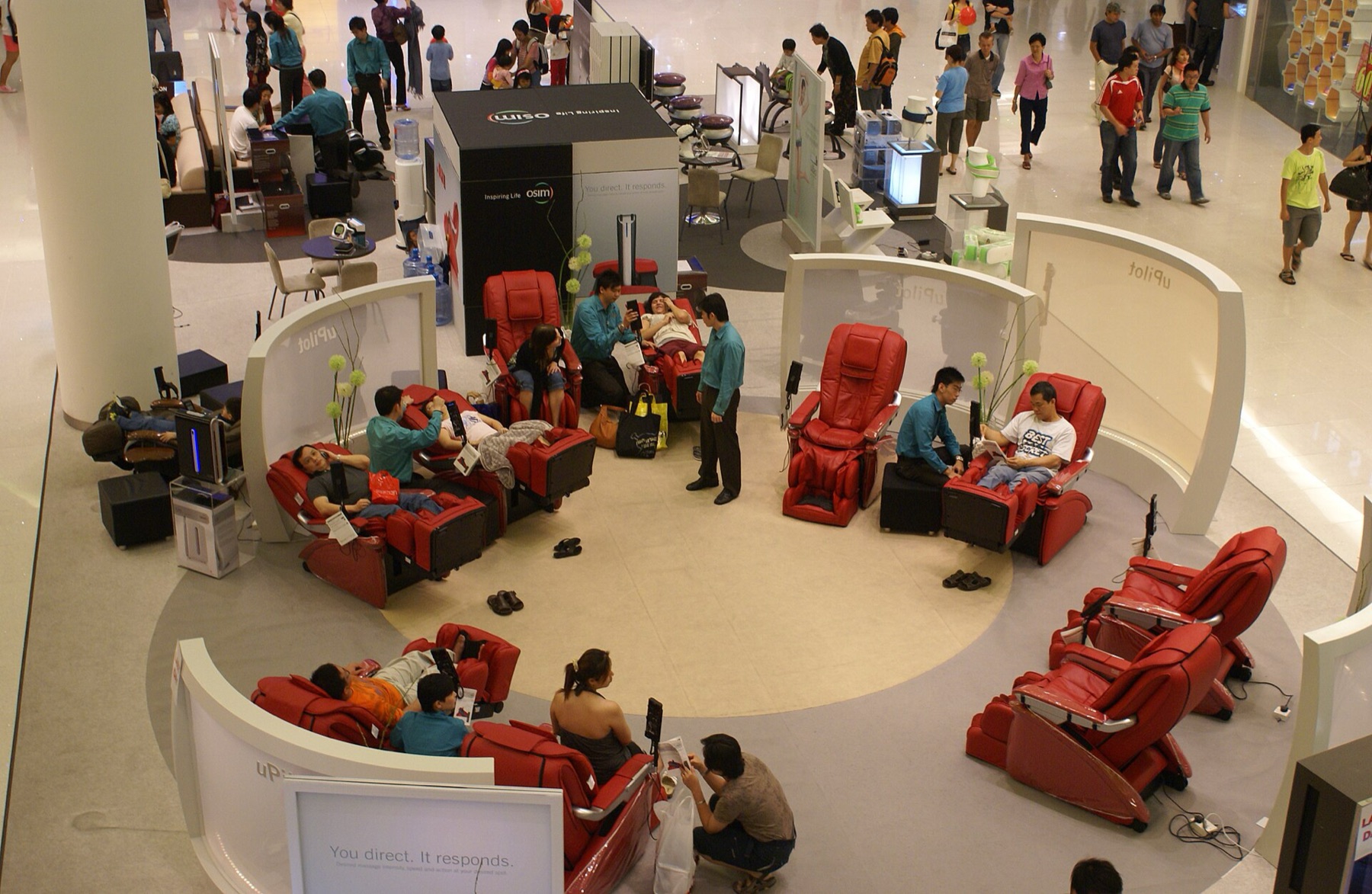
1. Local second‑hand marketplaces
DHgate editorial on second‑hand marketplaces highlights services like Craigslist, Facebook Marketplace, eBay, Reverb, and OfferUp as common venues for used items, with very direct buyer–seller contact and some risk of scams or hidden issues.
Applied to massage chairs in Canada:
- Listings: Individuals and small businesses photograph the chair, state a price, and mention condition (e.g., “lightly used,” “needs new remote”).
- Transactions: You generally message the seller, ask questions, and arrange pickup. Payment is often in person.
- Used inventory reality: This is the most likely place to find heavily discounted used chairs that have been in a home or clinic.
Because these platforms are largely peer‑to‑peer, you need to verify the chair yourself: test all massage functions, confirm the power requirements, and check physical damage before agreeing to any price.
2. Canadian retail sites and specialist dealers
Broad marketplaces like Amazon, eBay, and Walmart.ca are widely used for shopping in Canada, but for massage chairs they mostly surface new models and smaller massage devices. The more interesting channel for “used‑ish” inventory is specialist dealers.
A concrete example is Relaxacare’s demo massage chair section. Relaxacare advertises floor‑model and open‑box massage chairs in Canada, describing significant savings compared to new chairs plus an advertised limited warranty. That pattern—demo or open‑box stock at lower prices than brand‑new, with some level of after‑sale support—is typical of specialty retailers.
What this model usually looks like:
- Listings: Dealer identifies each chair as demo, floor model, or open box and notes cosmetic wear.
- Transactions: You buy through an ecommerce checkout or by calling the store; shipping or pickup options are set by the dealer.
- Used inventory reality: You’re unlikely to find very old chairs, but you can get relatively recent models at a discount, sometimes with service options.
For clinics or small businesses, this route often balances risk and professionalism better than buying entirely peer‑to‑peer.
3. Cross‑border marketplaces and wholesale platforms
Cross‑border platforms—international marketplaces and B2B sites—operate differently again. They mostly feature new massage equipment, accessories, and related furniture rather than truly used massage chairs sitting in Canada.
On global marketplaces, you’ll generally see:
- Listings: New massage devices, massage tables, chairs, and accessories from manufacturers or trading companies.
- Transactions: Cross‑border shipping, per‑item or bulk pricing, and minimum order quantities if you’re buying wholesale.
- Used inventory reality: Genuine used chairs are rare; the focus is new product.
If your goal is a single used massage chair in Saskatoon or Vancouver, this category is usually not the best starting point.
Quick Comparison: Which Route Fits Which Need?
Here’s how the main platform types line up for common Canadian buyer goals:
| Buyer scenario | Best initial platform route | Typical inventory quality | Main trade‑offs |
|---|---|---|---|
| One chair for home use | Local social/classified marketplaces | Often older, heavily used | Lowest prices, highest condition variance |
| Several chairs for a clinic or spa | Specialist Canadian dealers with demo/open‑box | Newer models, demo or lightly used | Higher upfront cost, more predictable |
| Small reseller testing local demand | Mix of local marketplaces + dealer clearances | Mixed; from private sellers and floor models | Need to inspect stock and manage transport |
For a home buyer, the flexibility of local platforms is hard to beat: you can search your city and physically test chairs. For a clinic, it’s usually worth paying more to work with a specialist dealer that understands warranty and service, even if the chair is demo/open‑box rather than fully used.
Choosing the Right Marketplace Route for Your Situation
How you search should follow your real scenario, not just what seems cheapest on paper.
If you’re a home buyer
Start with local second‑hand marketplaces. Search Facebook Marketplace, Kijiji, or Craigslist using your city (e.g., “massage chair Saskatoon”) and filter down to reasonable driving distance. Treat DHgate editorial’s advice on used furniture as a baseline: research the chair’s typical new price, compare listings, and plan to inspect and test the chair in person.
Priority order:
- Local person‑to‑person marketplaces for deep discounts.
- Dealer demo/open‑box sections if you want newer tech and more predictable condition.
If you manage a clinic, spa, or wellness center
Your priorities usually include reliability, guest perception, and service support. That pushes you toward specialist Canadian dealers offering demo or open‑box inventory and away from completely informal local deals.
A practical route is:
- Map Canadian specialist dealers that carry massage chairs and check for any floor‑model/open‑box sections (Relaxacare’s demo page is one example).
- Compare those against new chairs on mainstream marketplaces like Amazon or Walmart.ca if you decide the discount isn’t worth the potential wear.
Local classifieds can still be useful for a backup chair or a secondary lounge area, but they’re rarely ideal for your primary treatment equipment.
If you’re a small ecommerce or local reseller
Resellers sit between these extremes. You may source chairs wherever you can find workable margins and acceptable risk.
Common patterns include:
- Buying under‑priced chairs from local marketplaces, refurbishing them, and reselling with clearer descriptions.
- Watching dealer demo/clearance pages for end‑of‑line chairs that can be resold after basic cleaning.
Cross‑border marketplaces like DHgate enter the picture if you decide to pivot from used to new equipment. DHgate is positioned in its own editorial as a global marketplace somewhat comparable to classified sites but focused on product listings and services. For massage chairs, that usually means new massage tables, chair‑style massagers, and accessories rather than used full‑size chairs in Canada.
If you consider importing new chairs or massage equipment via a cross‑border marketplace:
- Treat each supplier as a fresh due‑diligence project—check product descriptions, minimum order expectations, and feedback.
- Compare landed cost (product plus shipping, duties, and local transport) against what you see on Canadian specialist dealers and mainstream retail sites.
DHgateWiki has a general explainer on how DHgate works as a marketplace and a broader guide to online marketplaces and shopping platforms that can help you position cross‑border sourcing against Canadian options.
For purely used chairs already in Canada, though, your most practical channels remain local person‑to‑person marketplaces and dealer demo/open‑box programs.