
Trade Me is often described as New Zealand’s leading online auction and classifieds site, and Trade Me’s own marketplace page promotes it as “New Zealand’s most trusted marketplace” for new and used items backed by Buyer Protection for eligible purchases. For everyday local buying and selling—especially used goods, motors, property and small-scale retail—Trade Me is usually the default choice. But if you want bulk stock for an ecommerce store, deep niche collectibles, or easy cross-border imports, platforms like Facebook Marketplace, eBay, Amazon and specialist sites can be stronger fits.
This comparison looks at Trade Me alongside the main channels NZ buyers and small businesses actually use, so you can decide when Trade Me should be your primary platform, a secondary check, or skipped entirely.
What Trade Me Is and Where It Sits in New Zealand’s Marketplace Landscape
Trade Me is a New Zealand-based marketplace that mixes auctions, fixed-price listings and classifieds. Its own marketplace overview highlights new and used items from well-known brands, local sellers, motors, jobs and property, positioned as a one-stop shopping and selling hub for Kiwis.Shop new and used items – Trade Me Marketplace
Independent review sites often describe Trade Me as New Zealand’s leading online shopping and auction website, with thousands of listings across consumer goods plus jobs, property and motors.Trade Me reviews – Trustpilot That combination—local brand, broad categories, and mixed formats—makes it feel more like a national eBay than a global Amazon.
In the New Zealand context, Trade Me sits alongside several other common channels:
- Facebook Marketplace and NZ Facebook groups for casual local buying/selling and niche communities.
- Global marketplaces like eBay and Amazon, used from NZ for imported goods and certain niche categories.
- Emerging or niche NZ platforms, which some communities are actively seeking as alternatives.
A Facebook collectibles group post asking for feedback on a “new online platform for NZ” explicitly references frustration with selling experiences, showing that even among Trade Me’s likely audience, there’s appetite for alternatives.Retro & Collectibles Trading NZ post
So Trade Me is the dominant, familiar generalist. Your decision is whether its strengths—local audience, broad categories, auctions/classifieds—line up with your specific buying or sourcing job better than those alternatives.
How Trade Me Compares with Other Marketplaces and Channels
Independent NZ guides that discuss “Trade Me alternatives” tend to list Facebook Marketplace, eBay, Amazon and other smaller platforms as the main options for selling online in New Zealand.Trade Me Alternatives – nz.frankdevs.com For a buyer or small ecommerce operator, the key differences look like this:
| Channel | Main strength in NZ context | Typical use cases (editorial judgment) |
|---|---|---|
| Trade Me | Big local audience, mixed auctions/classifieds, broad categories | Used goods, motors, property, local retail stock, general consumer-to-consumer trades |
| Facebook Marketplace | Hyper-local, social discovery, no formal listing fees | Quick local pickups, low-value items, informal trades |
| eBay | Global reach, strong in collectibles & niche parts | Imported collectibles, vintage items, specialty parts |
| Amazon | Branded new goods, standardized buying experience | Electronics, books, household items shipped to NZ |
| Niche/emerging platforms | Focused communities or category-specific features | Retro/collectibles, hobby niches, alternative selling for frustrated Trade Me/Facebook users |
Pricing and deal types. Trade Me uses both auctions and fixed-price listings; you’ll see low-start auctions on everything from gaming consoles to home décor, alongside retail-style listings. Facebook Marketplace is almost entirely fixed-price negotiation. eBay offers both auctions and fixed-price globally, while Amazon is mainly fixed-price retail.
Local vs. international reach. Trade Me’s audience is primarily within New Zealand. If you’re in NZ and want local shipping and payment norms, that’s an advantage. eBay and Amazon connect you with global sellers, broadening choice but also adding cross-border shipping complexity.
Trust and buyer experience. Trade Me’s marketplace page emphasizes Buyer Protection for eligible purchases and positions the site as trusted. That’s Trade Me’s own framing, not an independent guarantee. On the other side, community discussions on Reddit show some NZ users complaining that “nothing second hand [is] selling” on Trade Me or Marketplace and mentioning scams as a frustration, which suggests uneven experiences for casual sellers.Reddit – nothing second hand selling Facebook Marketplace and smaller niche sites typically rely more on peer-to-peer trust and group rules than structured marketplace protections.
Cross-border sourcing. For importing stock into a small ecommerce operation, Trade Me is not designed as a wholesale or direct-from-manufacturer platform. NZ-based guides and global ecommerce discussions often point toward platforms like eBay, Amazon, Alibaba-style B2B sites, and global marketplaces with direct-from-supplier listings. DHgate’s own editorial, for instance, describes DHgate as a global marketplace with an extensive range of products (especially electronics and fashion) and “competitive, direct-from-suppliers” pricing compared with platforms like Amazon and eBay.DHgate vs other platforms – DHgate blog That kind of positioning makes DHgate relevant if you’re comparing international sourcing routes, but it’s a different job than Trade Me’s local consumer focus.
If you’re seriously weighing global sourcing, you would also want platform-specific detail beyond this article; for example, DHgateWiki has independent coverage of DHgate’s mechanics and competitors, such as what DHgate is and how the marketplace works and Compare DHgate with AliExpress, Alibaba and Temu.
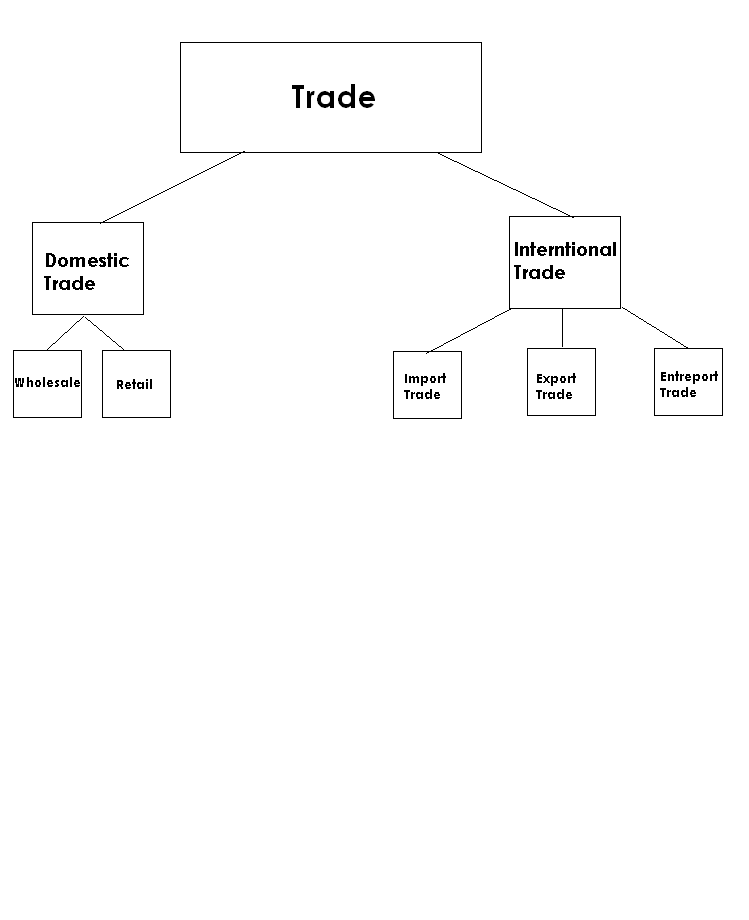
A general diagram of domestic and international trade types, included to clarify why a local marketplace and a cross-border sourcing platform serve different jobs. Graphic by Karan2211, CC BY-SA 3.0, via Wikimedia Commons.

Trade Me offices in Wellington, New Zealand. Photo by Benn, CC BY-SA 2.0, via Wikimedia Commons.
Best-Fit Platforms for Different Buyer and Ecommerce Scenarios
Because these channels aren’t interchangeable, it’s easier to decide by scenario than by hunting for a single “best” marketplace.
Scenario 1: Clearing out or sourcing second-hand goods in NZ
If you’re downsizing, flipping used items, or hunting for bargains within New Zealand:
- Use Trade Me when you want a structured listing, auction options, and access to a large local audience that already expects to buy and sell there.
- Check Facebook Marketplace for quick local pickup and informal haggling; it can be faster for bulky or low-value items.
Anecdotal posts on Reddit and Facebook suggest some sellers feel second-hand items are slow to move and that scams or lowball offers are common on both Trade Me and Facebook. Treat those as warning stories rather than hard data—but they’re a signal not to rely on one platform alone. If your items don’t move on Trade Me, cross-listing selectively on Marketplace or into relevant Facebook groups can help.
Scenario 2: Buying NZ retail stock or everyday consumer goods
For everyday shopping within NZ:
- Trade Me works well for mixing new and used options, from gaming gear to home décor, sometimes with local free-shipping offers highlighted on its marketplace page.
- Amazon (via international shipping to NZ) can be better for certain categories like branded electronics or books, but prices and delivery times vary by seller.
Trade Me is a solid first stop if you’re price-checking across local sellers. Then, compare specific items against Amazon or eBay listings when you’re willing to wait for international shipping.
Scenario 3: Collectibles, retro, and niche hobby items
For categories where NZ enthusiasts cluster in communities—retro games, vintage toys, specialist memorabilia:
- Trade Me can surface local collections and auctions, often with less competition than global sites.
- eBay is usually stronger if you need global supply for a very specific item or variant.
- NZ Facebook groups and emerging platforms show that some collectors want alternatives to established marketplaces; group posts discussing new platforms indicate a willingness to move if those channels solve frustrations.
If you collect or resell niche items, your best bet is to watch Trade Me for local deals while keeping searches on eBay and relevant Facebook groups live in parallel.
Scenario 4: Stocking a small ecommerce business with cross-border inventory
If your main goal is sourcing inventory rather than just buying for personal use:
- Trade Me is useful for testing retail demand in NZ and occasionally buying small quantities from local sellers, but it’s not built as a wholesale or manufacturer-direct platform.
- Global marketplaces and B2B platforms (Amazon, eBay, Alibaba-type sites, DHgate and others) are more appropriate for repeatable sourcing directly from producers or large-scale resellers.
In this scenario, treat Trade Me as a sales channel or a way to understand local pricing, not as your primary source of inventory. For actual sourcing, dig into platform-specific guides—such as find wholesale suppliers on DHgate and comparable resources for other marketplaces—to understand minimum order quantities, supplier types and risks on each route.
If you’re a UK or US-based buyer looking at New Zealand specifically, this division of roles is key: Trade Me for local NZ market participation; global marketplaces for supply chains. Using the right channel for the right job will give you better results than trying to make Trade Me handle wholesale cross-border sourcing it isn’t really designed to support.