
Building an international business around Chinese products works best when you treat China as one part of a global supply plan, not just “the cheapest place to buy.” For a US small brand or ecommerce seller, the most resilient approach is to match your product and order size to the right sourcing channel, invest time in supplier selection, and model your true landed cost (product + freight + duties + overhead + risk buffers) before you send a deposit.
That usually means: using online wholesale marketplaces or trading companies for small, test orders; working directly with factories or visiting wholesale markets once you have repeat volume; and leaning on freight forwarders or domestic consolidators if you don’t have the bandwidth to manage shipping and customs on your own.
DHgate is one cross-border multi-seller marketplace that a buyer can include in this initial channel comparison alongside direct factories and domestic distributors. Its role here is a sourcing option to evaluate: the individual seller, listing, specification, quote, and landed-cost assumptions still need separate checks before an order decision.
How Chinese Products Fit into International Business for US SMEs
China is often described as a manufacturing powerhouse because it has dense industrial infrastructure, a skilled labor base, and long experience producing everything from basic plastics to complex electronics. For US buyers, that translates into three practical advantages: wide product variety, the ability to customize, and usually lower manufacturing cost than domestic options, especially for labor-intensive goods.
Editorial overviews of Chinese trade note that the United States is among the larger consumer markets for Chinese-made goods, alongside places like Germany and Hong Kong. For you, that means there are already established trade lanes, freight services, and compliance know-how focused on moving goods from Chinese manufacturing hubs to US ports and fulfillment centers. One such overview is the DHgate blog’s discussion of Chinese exports and major destination markets, which you can read at this editorial article on Chinese exports and markets.
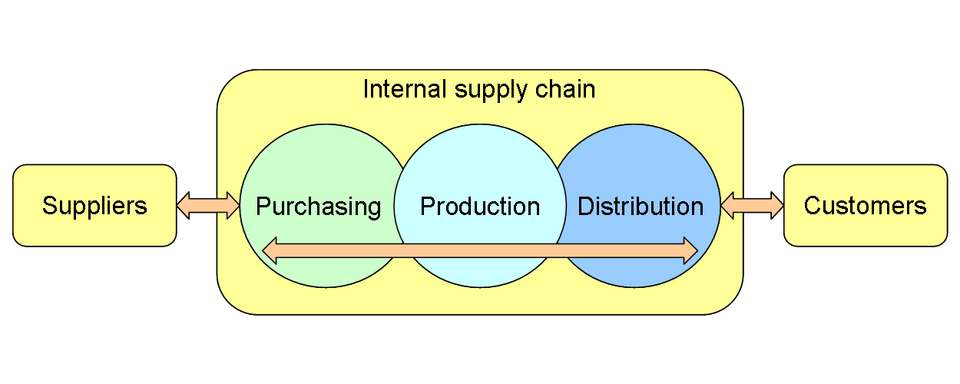
A typical small-business supply chain looks like this:
- Supplier side in China – a factory, trading company, or marketplace seller sources or produces the goods.
- Consolidation and export – goods are packed, moved to a warehouse, and booked on air or ocean freight.
- Import into the US – the shipment reaches a US port or airport, is cleared by Customs and Border Protection (often via a customs broker), and any duties or fees are paid.
- Domestic leg – cargo moves to your 3PL, your own warehouse, or a fulfillment center.

As a small importer, you usually plug in at the supplier side by placing purchase orders and at the domestic leg by receiving and selling product. Export packing, international freight, and customs may be coordinated by the supplier, a freight forwarder, a customs broker, or a domestic consolidator depending on the contract. Write those responsibilities into the quote and purchase order instead of assuming who handles them.
Quick product-fit checklist
Before you spend time chasing suppliers, sanity-check that your product works with China-based sourcing. A DHgate editorial guide to importing clothing suggests focusing on products that offer:
- A viable gross margin after freight and duties. The source discusses a 30-50% rule of thumb, but your real threshold should come from current category costs rather than a universal target.
- Consistent demand, so you are not stuck with excess inventory.
- Legal sellability in the US, avoiding banned or heavily regulated categories you are not ready to manage.
- Manageable storage and transport requirements, with a documented plan for refrigeration, dangerous goods, or installation when relevant.
You can see that margin-and-demand framework in this DHgate editorial guide to importing from China. Treat it as a starting checklist, not as current customs, tax, or legal advice.
If your product fails one of these checks, you may be better off with domestic sourcing or a different category.
Selecting and Managing Chinese Suppliers for Cross-Border Trade
Once you know your product fits, the next decision is which type of supplier you work with:
- Factories – make goods directly and can suit larger, repeat orders where tighter control over specifications matters.
- Trading companies – source from multiple factories and can be easier to work with for smaller or mixed orders.
- Marketplace sellers – list ready-made goods on platforms and can be useful for testing SKUs or buying limited quantities.
How to vet a Chinese supplier in a business-focused way
For US SMEs, supplier vetting is less about fancy tools and more about structured questioning and document checks. Treat vetting as part of risk management rather than a formality.
1. Verify what kind of business they really are
Ask directly whether they are the manufacturer or a trading company. Push for specifics:
- What products are their main focus? A “factory” selling unrelated categories may instead be a trader.
- Can they provide evidence of production capability for your exact product category?
- Does the legal business name on documents match the entity receiving payment?
An editorial guide on buying direct from Chinese factories notes that large-quantity buyers often reduce costs by working directly with factories or visiting wholesale markets instead of distributors, but only when the supplier fits the buyer’s product and quality requirements. See this article about buying China goods directly.
2. Check reliability signals
You are looking for a pattern of real operations, not perfection:
- Years in business and export experience relevant to your destination market.
- Willingness to sign a supply agreement and follow your purchase-order format.
- References or past work in similar product categories, when they can be shared lawfully.
- Clear answers about specifications, testing documents, packaging, lead times, and defect handling.
These signals do not guarantee performance. They help you decide what to verify next and how small the first order should be.
3. Use communication as a stress test
International business is built on written details:
- Do they answer questions clearly, or dodge specifics on materials, tolerances, and packaging?
- Are they open to sampling and small adjustments, or do they push you to skip straight to bulk orders?
- Do they correct misunderstandings quickly and confirm changes in writing?
If communication is sloppy or evasive when the stakes are low, it is unlikely to improve when production or customs issues arise.
Working rhythm that suits ongoing cross-border trade
If you want a stable sourcing operation rather than one-off buys, set up processes from the start:
- Specification sheets – detailed product specs, packaging requirements, labeling, and any applicable US compliance requirements.
- Quality plan – how defects are measured, what happens to rejected goods, and whether you will use third-party inspection before shipment.
- Calendar discipline – realistic lead times, cut-off dates for changes, and agreed update points.
From Quote to Landed Cost: Ordering, Logistics, and Channel Choices
Once you are confident in a supplier, your risk shifts to order structure and logistics. Many small businesses lose money not on the unit price, but on misjudged freight, duties, warehousing, delays, and quality failures.
Turn a quote into a landed-cost view
Ask every supplier to quote clearly and then build your own landed-cost model:
- Unit price and any MOQ (minimum order quantity) expectations.
- Packaging costs, including retail-ready packaging and inserts.
- The agreed Incoterm and named location.
- Who books freight, who buys insurance, and who supplies export documents.
Then layer on:
- International freight and insurance based on a current quote for the shipment size and mode.
- Customs duties and fees checked against the current tariff classification with a qualified broker or official source.
- Domestic transport and warehousing from the port or airport to your warehouse or 3PL.
- Inspection, defects, returns, and delay buffers based on the product’s risk profile.
Common import routes for small US businesses
Small importers commonly compare several routes:
- Direct air freight for higher-value, lower-volume goods or time-sensitive launches.
- Direct ocean freight for larger, heavier orders where transit time is less critical.
- Domestic wholesalers and distributors that have already imported inventory, reducing the buyer’s overseas coordination in exchange for a higher unit price.
- Consolidators or freight forwarders that combine or coordinate shipments while the importer still confirms its own compliance responsibilities.
The best route depends on product dimensions, value, urgency, compliance requirements, and order size. Obtain current written quotes before comparing options.
Choosing your sourcing channel: factory, marketplace, or domestic wholesaler
This topic-specific table compares buyer-controlled decisions without assuming that any platform or seller provides a particular shipping, protection, refund, or dispute policy:
| Scenario / Need | Direct factory in China | Online wholesale marketplace | Domestic wholesaler or distributor |
|---|---|---|---|
| Typical order pattern | Larger, repeat orders | Smaller tests or limited replenishment where suitable listings exist | Smaller, ongoing replenishment from available stock |
| Customization | Potentially high, subject to supplier capability and MOQ | Varies by individual listing and seller; verify before ordering | Usually limited to the distributor’s assortment |
| Production visibility | Can be negotiated directly with the supplier | Depends on the seller and evidence provided | Usually limited because finished goods are already imported |
| Buyer-controlled logistics checks | Confirm Incoterm, forwarder, broker, insurance, and documents | Confirm seller identity, product specification, quote, Incoterm, carrier plan, and importer responsibilities for the exact order | Confirm domestic delivery terms, compliance documents, and return terms with the distributor |
| Common evaluation use | Scaling a validated product with documented specifications | Testing availability and pricing across independent sellers | Buying established domestic stock with less overseas coordination |
Domestic wholesalers remain useful when your priority is simpler domestic purchasing and documented local support. The trade-off is often a higher unit price and less customization.
Buyer checklist: structuring sustainable imports
To turn Chinese products into a durable part of your international business:
- Match channel to order size and evidence rather than assuming one channel fits every product.
- Start with a sample or limited order that tests the written specification and supplier communication.
- Track total landed cost, not just unit price, every time the product, packaging, route, or freight mode changes.
- Confirm tariff classification, admissibility, and compliance requirements with current official sources or qualified professionals.
- Keep specifications, quotes, approvals, inspection results, and shipping documents in one auditable order file.
Chinese-made products can support a sustainable international business for a US small brand, but only when sourcing choices follow a documented product, compliance, cost, and supplier-risk plan rather than the lowest quote.