
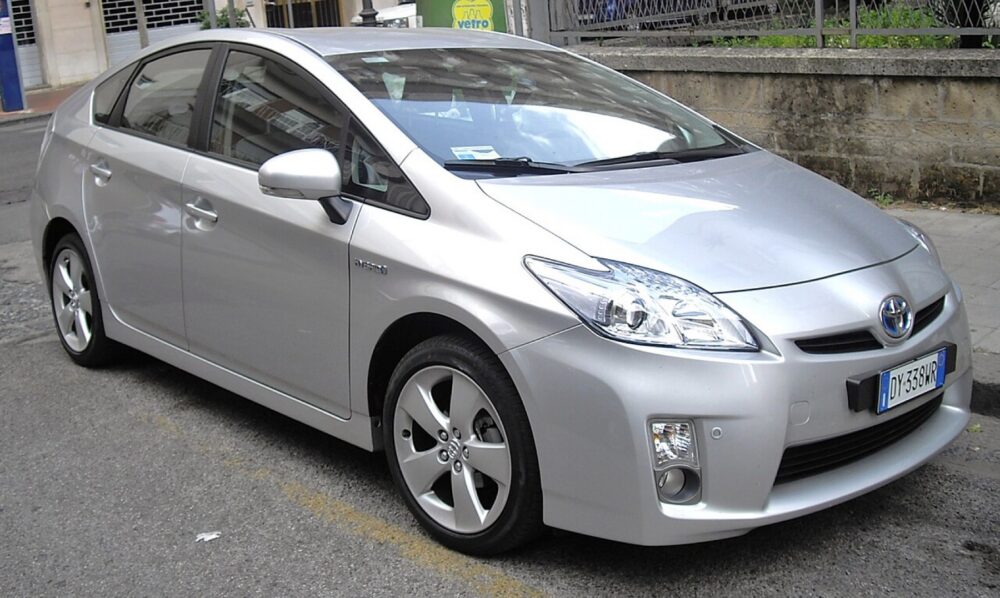
If you’re replacing a front bumper on a 2010 Toyota Prius, you’ll usually choose between an OEM-style bumper cover from a Toyota dealer or an aftermarket equivalent from a collision-parts retailer or marketplace. The safest route is to use a parts catalog that breaks the bumper into components and lets you filter by year, model, and trim; that’s how you avoid ordering a cover that fits 2012-2015 cars, for example, but not your 2010. You also need to decide whether you want a simple OEM-style cover for a repair, or a styling bumper cover that changes how the car looks but may require extra fitting.
For most US buyers, the practical options are: Toyota dealer parts sites for true OEM, national collision-parts specialists for painted or unpainted aftermarket covers, and large marketplaces for mix-and-match bumper covers, reinforcements, and inserts. Small resellers can lean on those same sources but should stick to the most common Prius generation and years to keep inventory manageable.
What a Toyota Prius bumper actually is on a 2010 car
On a modern Prius, the “bumper” you see is mostly the plastic bumper cover. Behind it, there’s a metal or composite reinforcement bar and various brackets and absorbers. In a minor collision where you scrape a parking pole, you’re likely dealing with damage to the front bumper cover, not the entire impact-absorbing structure.
The 2010 Prius is the first year of the third generation (often called 2010-2015 in parts listings). That matters because many catalogs group bumpers for this generation together — but not always. For instance, Partify’s listing for a Toyota Prius front bumper cover specifically calls out fitment for 2012-2015 models under part number TO1000394. A 2010 owner scrolling quickly could assume it fits all third‑gen cars and end up with the wrong cover.
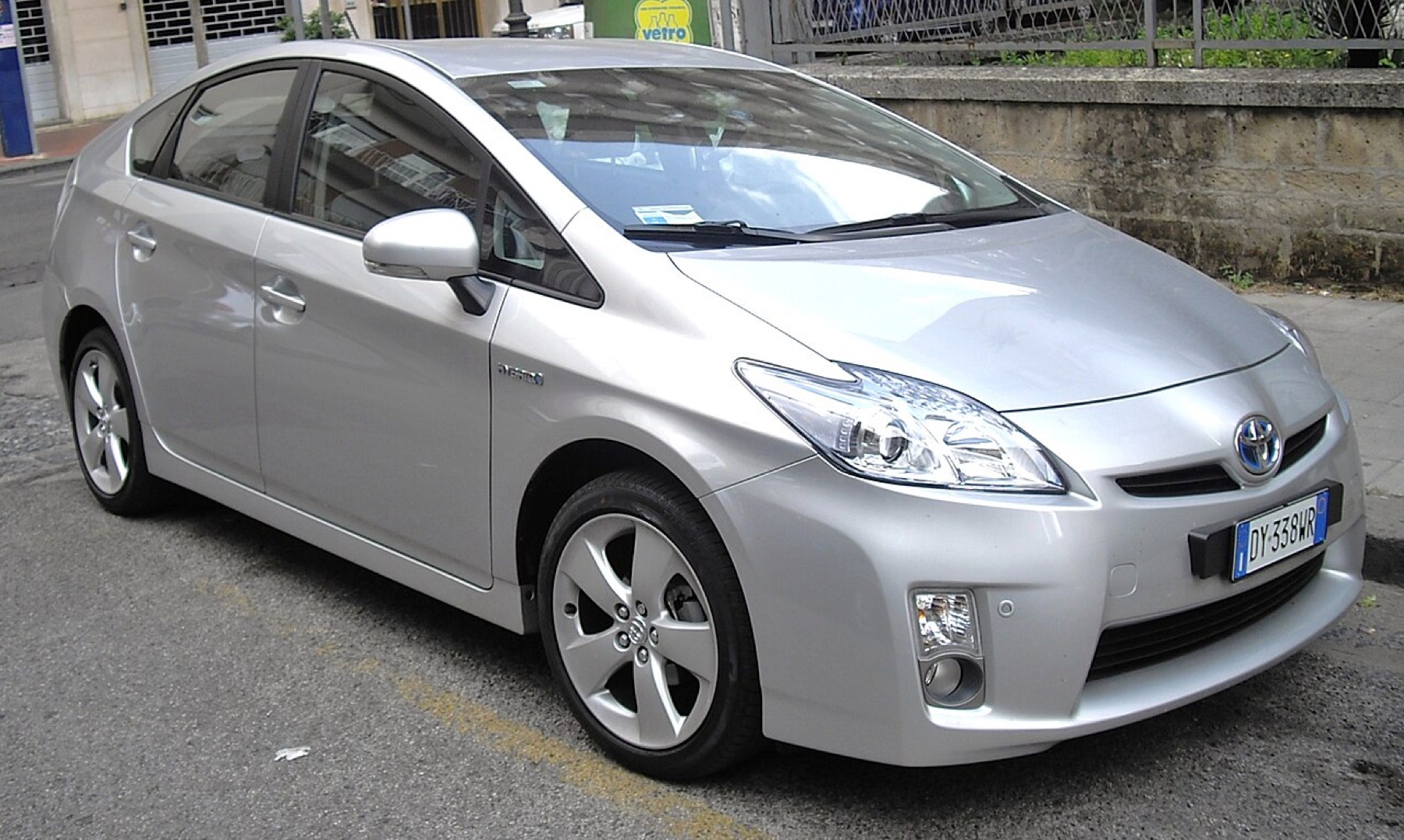
To avoid that mismatch, treat year fitment as non‑negotiable. Use the year/make/model selectors that many retailers provide, and watch for notes like “without headlamp washer holes” or sensor‑specific variations. Even on official Toyota parts sites, the front bumper is broken into multiple components, and some covers are specific to trims or sensor packages.
Bumper parts you’ll see when shopping for a Prius
When you search for “Toyota Prius bumpers,” you’re not looking at a single part. Common components include:
- Front bumper cover – the painted plastic shell you see on the car.
- Rear bumper cover – same idea at the back.
- Bumper reinforcement bar – the structural bar behind the cover.
- Energy absorber / impact bar – plastic or foam pieces between the cover and reinforcement.
- Bumper inserts and covers – small plastic trims, fog‑light bezels, and filler pieces.
Retailers usually split these into categories. 1A Auto’s Prius bumpers and parts section shows front and rear bumpers plus related items, and prompts you to “specify your vehicle’s year, make and model to guarantee fit”. That’s a good example of how collision‑parts specialists help buyers avoid mixing up a reinforcement bar with a cosmetic cover.
You’ll also see styling‑focused parts. Carbon Creations, for example, markets a TK‑R fiberglass front bumper cover for 2010-2015 Prius models. This kind of bumper alters the look of the car with more aggressive openings and contours. It’s intended as an aftermarket styling upgrade rather than an OEM‑style collision repair. A 2010 owner deciding between that and a stock‑style cover should be clear on:
- Whether they want factory appearance or a custom look.
- Whether they’re okay with potential extra fitting or paint work.
- That styling covers aren’t designed or advertised as crash‑safety components.
On Toyota dealer parts sites, the front bumper is shown in exploded diagrams. A 2020 Prius Prime example from Frontier Toyota’s catalog breaks the front bumper into separate entries for the bumper cover and components, and lists variants like “with prime, without park sensor” under Bumper & Components – Front. For your 2010 Prius, expect a similar breakdown even if the exact part numbers differ.
Scenario: minor collision on a 2010 Prius
Say your 2010 Prius nudged a parking bollard and cracked the front bumper cover but the car drives fine and the hood and headlights line up. In that case you probably need:
- A front bumper cover for a 2010 Prius (correct year range, no washer holes if your car doesn’t have them).
- Possibly new inserts or fog‑light bezels if those cracked.
- Clips and fasteners to mount the new cover.
You likely do not need a new reinforcement bar unless a body shop has inspected and flagged structural damage. Ordering only the cover can keep costs down, but you must match the generation and year correctly. Following the fitment prompts on a site like 1A Auto or a dealer catalog will prevent you from accidentally buying a 2012-2015 cover like the Partify example.
OEM vs aftermarket: channel and tradeoff snapshot
From a buying‑channel perspective, most 2010 Prius bumper buyers in the US end up choosing among three broad options:
| Channel type | Typical parts offered | Fitment tools / structure | When it makes sense for a 2010 Prius front bumper |
|---|---|---|---|
| Toyota dealer parts sites | OEM bumper covers, reinforcements, inserts | Exploded diagrams; trim/sensor‑specific listings | You want true OEM, factory appearance, and are OK with dealer pricing. |
| Collision‑parts specialists | OEM‑style aftermarket covers, related parts | Year/make/model filters; part‑type categories (front/rear, inserts) | You want a replacement that matches OEM styling at a typically lower part cost. |
| Large marketplaces | Mix of OEM take‑off, aftermarket covers, reinforcements, inserts | Model‑year browsing, sometimes bumper vs reinforcement vs inserts categories | You want more options or used parts and can evaluate individual sellers carefully. |
Dealer parts sites (OEM)
Toyota dealer catalogs, such as the Frontier Toyota parts site for newer Prius Prime models, show how the bumper assembly is broken into components and which covers are specific to sensor packages or trims. For a 2010 Prius, this kind of catalog is your reference point if you want the exact OEM bumper cover your car came with.
Pros are predictable fit and factory styling. The tradeoff is usually higher part cost and less flexibility on styling; you’re replacing what you had.
Collision‑parts specialists (OEM‑style aftermarket)
Collision‑parts retailers like 1A Auto position themselves between dealers and marketplaces. Their Prius section offers front and rear bumpers and related parts with year/make/model fitment filters. You pick “2010 – Toyota – Prius” and the catalog narrows to parts that are expected to fit that vehicle.
This is well‑suited to a 2010 owner who wants an unpainted or painted replacement cover that looks stock but doesn’t need a Toyota logo on the box. It’s also practical for small ecommerce sellers because it lets you build inventory around common years and keep a clean fitment record.
Marketplaces and multi‑brand catalogs
Marketplaces broaden your options with new and used parts, reinforcements, and small trim pieces. eBay, for example, has dedicated categories such as Bumpers & Reinforcements for specific Prius model years and Bumper Inserts & Covers for Toyota Prius. You can browse by year and part type.
The benefit is breadth: you might find a used OEM 2010 bumper cover in factory paint or a low‑cost reinforcement bar. The responsibility shifts to you to read item descriptions carefully, confirm the year range, and understand whether you’re buying a full cover, a reinforcement bar, or just an insert.
Notes for small resellers stocking Prius bumpers
If you’re a small ecommerce business considering Prius bumper inventory, the 2010-2015 generation is often attractive because:
- There are many cars on the road in that range, increasing demand for collision parts.
- Styling kits like the Carbon Creations TK‑R bumper cover target the same 2010-2015 span, giving you a mix of repair and styling products.
Practical steps:
- Anchor your catalog around OEM‑style bumper covers for common years (such as 2010-2012) using fitment tools from collision‑parts specialists or dealer references.
- Use exploded diagrams on Toyota dealer sites to understand which components are separate SKUs (covers, reinforcements, inserts) and where trim or sensor variants matter.
- Treat styling bumper covers as a distinct category; they appeal to a different buyer than someone searching “2010 Prius front bumper replacement” after a parking‑lot mishap.
For both individual owners and small sellers, the key is to think in terms of specific bumper components and exact year fitment rather than a generic “Prius bumper”. That keeps repairs straightforward and reduces the risk of expensive parts that don’t bolt up to a 2010 front end.