
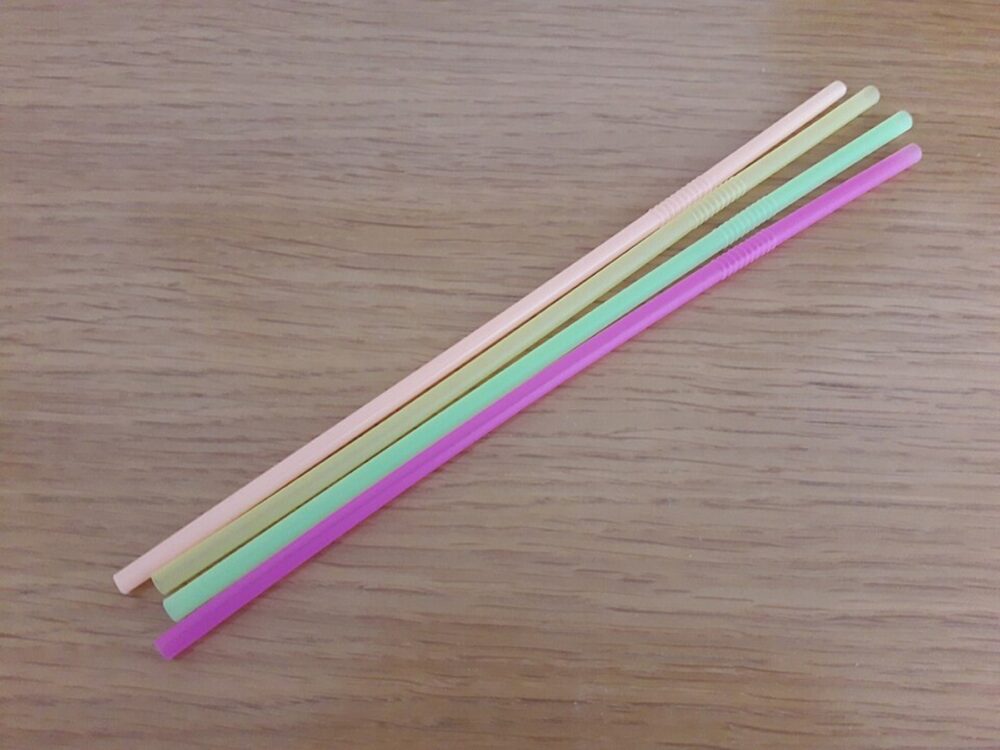
For most Australian venues, bulk black plastic straws are cheapest and simplest when you buy from local hospitality wholesalers. Cross‑border marketplaces and direct importing only start to beat them if you’re ordering very large volumes, bundling with other goods, or chasing a niche straw style. Your real decision is less “where’s the lowest unit price” and more “which channel gives the lowest landed cost per usable straw, with acceptable quality and service.”
What Really Makes Bulk Black Plastic Straws Cost Money in Australia
Your straw budget isn’t just the pack price. For an Australian bar or café, the true cost per straw comes from five pieces:
- Product price – the price per pack or per thousand.
- Domestic or international freight – parcel, pallet, or sea freight.
- Duties, GST and customs fees – mainly relevant for imports.
- Currency conversion and payment fees – for cross‑border marketplaces.
- Packaging and wastage – breakage, moisture damage, bad batches.
Local distributors such as Reward Hospitality, Disposable King and Packware illustrate how this plays out domestically. Reward Hospitality’s listing for flexible black plastic straws, for example, shows them sold in 500‑piece packets with Australia‑wide service. You’ll typically see a clear ex‑GST pack price, then either a flat‑rate or tiered shipping fee; for most venues, that single freight charge spread across a few thousand straws makes the shipping component small.
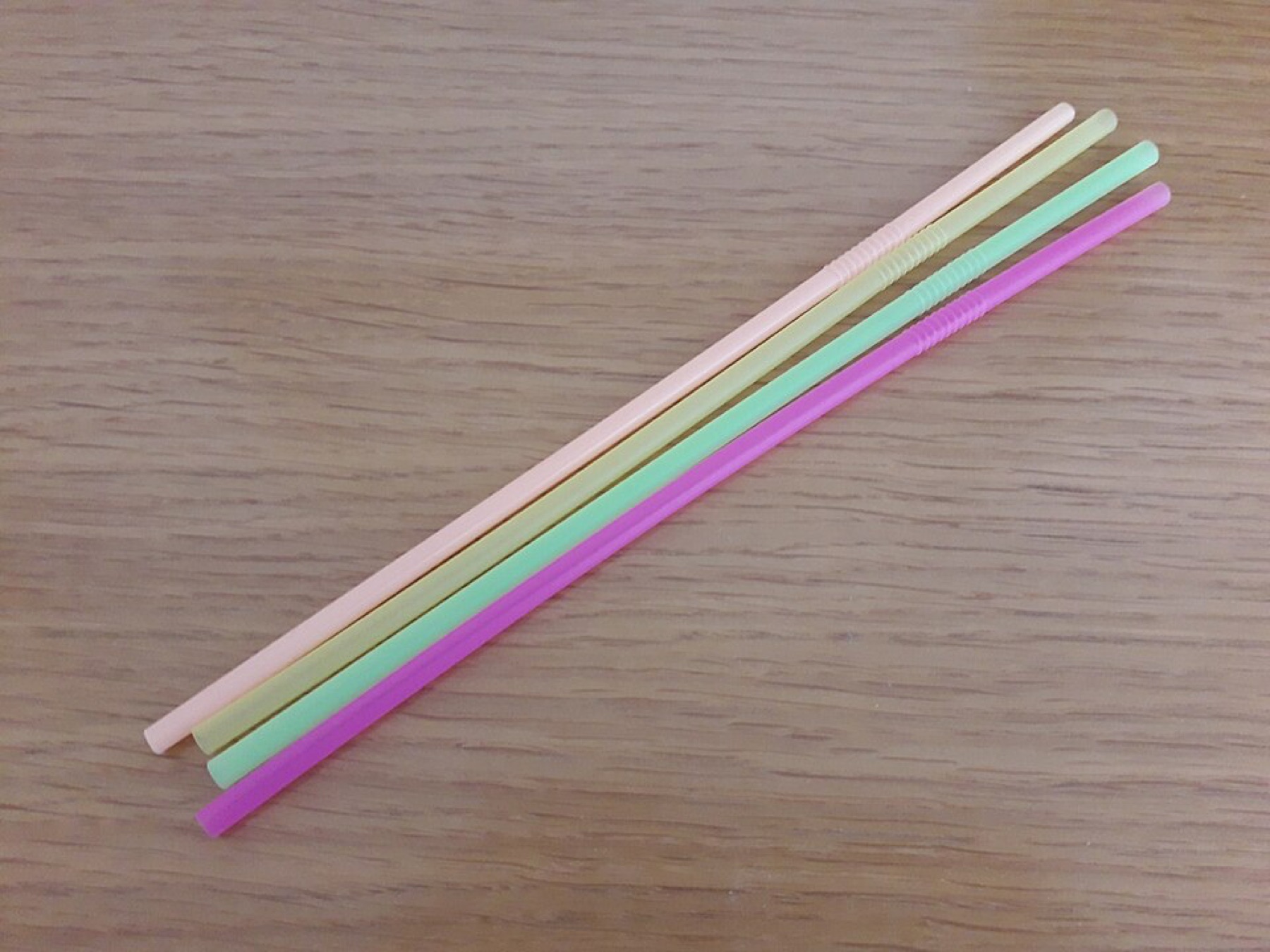
Importing black plastic straws shifts the cost structure. A DHgate snapshot on 2026-10-05 shows several black straw listings in the USD $20–$85 range across roughly 50-3000‑piece lots, such as:
- “50-3000PCS Cocktail Straws Black Straws Flexible” (Drinking Straws) – price range about USD $22.26–$84.58.
- “50-1500Pcs Black Drinking Straws Plastique” (Drinking Straws) – about USD $22.46–$51.49.
- “50100200PCS Black Plastic Disposable Straws” (Drinking Straws) – about USD $38.48–$41.14.
Those prices exclude international shipping, insurance, customs processing fees, GST on import, and any marketplace charges. Once you add a courier shipment from Asia to Australia, plus clearance costs, the apparent unit saving often shrinks or disappears unless you’re buying high thousands and consolidating with other supplies.
A quick landed-cost example
Say you’re comparing 3,000 black plastic cocktail straws:
- Local wholesaler: three cartons via an Australian supplier, single domestic freight charge. You pay the AUD pack prices plus local shipping and GST at checkout.
- Cross‑border marketplace: one 3,000‑piece lot from a DHgate seller in the USD $80 zone, plus an international courier and import GST.
Even without precise numbers, you can see the pattern: if courier and customs add roughly the cost of a couple of local cartons, the landed unit price only wins for you if that overseas lot is significantly cheaper and quality is consistent so you don’t lose stock to defects.
How Order Size, Straw Type and Timing Change Your Price
Three decisions move your unit price far more than the website you buy from.
1. Volume and MOQ
Small venues running a few hundred drinks a night can usually buy in cartons of 500-1,000 from domestic suppliers. Because shipping is spread across fewer straws, the per‑unit freight load is higher, but you avoid storage issues and cash‑flow strain.
Larger venues, or small ecommerce sellers reselling straws, can push MOQ higher – multiple cartons or pallet quantities. The product price per thousand usually falls once you pass a supplier’s break point, and domestic freight per straw drops.
2. Plastic vs paper vs reusable
Australian wholesalers increasingly push black paper straws as eco‑friendly bulk alternatives. Fast Direct Packaging’s straws collection highlights multiple black paper options, and marketplaces like eBay Australia’s 1,000‑piece black paper cocktail straws show that high‑volume non‑plastic options are routine.
Paper typically costs slightly more per unit than generic plastic but can narrow the gap at high volumes, and may align better with venue sustainability messaging. Reusable options like metal or glass have higher upfront cost but spread over many uses. For example, a DHgate listing on 2026-10-05 shows a 12‑pack of black stainless steel reusable straight straws priced in the mid‑teens USD range, with positive buyer ratings. For a cocktail bar that can keep track of inventory and cleaning, that kind of reusable pack can cut long‑term straw spend and waste.
3. Straw dimensions and seasonality
Jumbo smoothie straws, extra‑long straws for tall glassware, or individually wrapped hygiene straws all cost more than standard black flexi straws. If most of your menu doesn’t need specialty sizes, narrowing your SKUs to one or two core types keeps per‑drink costs lower.
Seasonality matters as well. Large summer events or festival seasons drive demand; you’ll often get better pricing and more reliable stock if you plan bulk orders a few weeks earlier instead of panic‑buying right before a spike.
Choosing the Cheapest Sensible Channel
Here’s how local wholesalers, domestic importers and marketplaces stack up for Australian buyers, based on cost and practicality rather than theory:
| Channel type | Best for | Cost pattern | Key pros | Main trade‑offs |
|---|---|---|---|---|
| Local hospitality wholesalers (Reward Hospitality, Disposable King, etc.) | Most cafes, bars, restaurants | Clear AUD pricing per pack/carton; low domestic freight per straw when buying a few thousand | Simple ordering, predictable delivery, easy GST and invoicing | Less choice on niche straw styles; plastic vs paper mix driven by local trends |
| Domestic importers/packaging specialists (Fast Direct Packaging, Barware) | Venues wanting eco shift or branding options | Unit price slightly higher than generic plastic; good value in large paper straw cartons | Eco‑positioning, often better support on branding/custom print | May not stock cheap generic plastic in every format; more tied to paper trend |
| Cross‑border marketplaces (e.g., Cross-border multi-seller) | High‑volume buyers or ecommerce sellers bundling multiple products | Attractive USD ranges (around $20–$85 for 50-3000 black straws) before freight and taxes | Wide style range, including niche sizes, colours and reusable black metal sets | Must add international shipping, import GST and fees; more work to validate sellers and quality |
Where DHgate can make sense – and where it doesn’t
DHgate is useful to check the ceiling and floor for bulk straw pricing and to source styles you can’t easily find in Australia, like very specific black plastic dimensions or reusable black stainless steel sets for resale. The 2026-10-05 snapshots above show realistic wholesale ranges that can look tempting if you’re comparing sticker prices only.
For an ordinary Aussie café buying a few thousand black plastic straws, though, once you add international courier, customs processing, import GST and the time cost of dealing with overseas sellers, the landed cost usually ends up higher than buying from an Australian distributor. DHgate and similar marketplaces are better suited if you:
- have the margin to absorb occasional quality or timing issues.
If you’re considering that route, it’s worth reading broader marketplace guidance such as this comparison of DHgate vs AliExpress, Alibaba and Temu and a primer on customs, tariffs and import fees so you can model the real costs.
Simple Tactics to Keep Your Straw Budget Under Control
A few targeted moves usually beat hunting for the absolute cheapest listing.
- Lock in a core straw spec and volume band. Decide your main straw type (e.g., standard black flexi plastic or black paper regular) and a realistic monthly volume. Then ask 2-3 Australian suppliers for pricing at that band so you’re comparing like‑for‑like.
- Bundle with other disposables domestically. If you already buy cups, napkins or takeaway packaging from a wholesaler, adding black straws to that order often lowers freight per item.
- Trial paper or reusable in one part of the venue. Given wide availability of bulk black paper straws from suppliers like Fast Direct Packaging and eco‑focused lines from Envirochoice, it’s easy to run a limited switch for dine‑in service while keeping plastic for specific drinks or accessibility needs.
- Watch your actual usage. For a busy bar, the difference between offering straws automatically and on request can be thousands of units a month. That’s budget you can redirect into better materials without raising your overall spend.
If you later decide to import or use a marketplace channel for black plastic straws, treat it as a separate calculation: compare your current domestic landed cost per 1,000 straws with a fully loaded import cost (product + shipping + GST + customs). If that number isn’t clearly lower, sticking with local supply is usually the smarter budget choice.