
Jenly Wholesale Inc is a Miami-based party-favor wholesaler that focuses on occasions like weddings, baby showers, birthdays, Mis quince celebrations, and communions. For a small US party-goods business, Jenly can work as a practical supplier of ready-made favors and decorations when you want moderate quantities without dealing directly with overseas factories. It won’t replace every sourcing need—especially if you want highly customized or ultra-cheap bulk basics—but it can be a useful core or backup source if you verify its fit and terms up front.
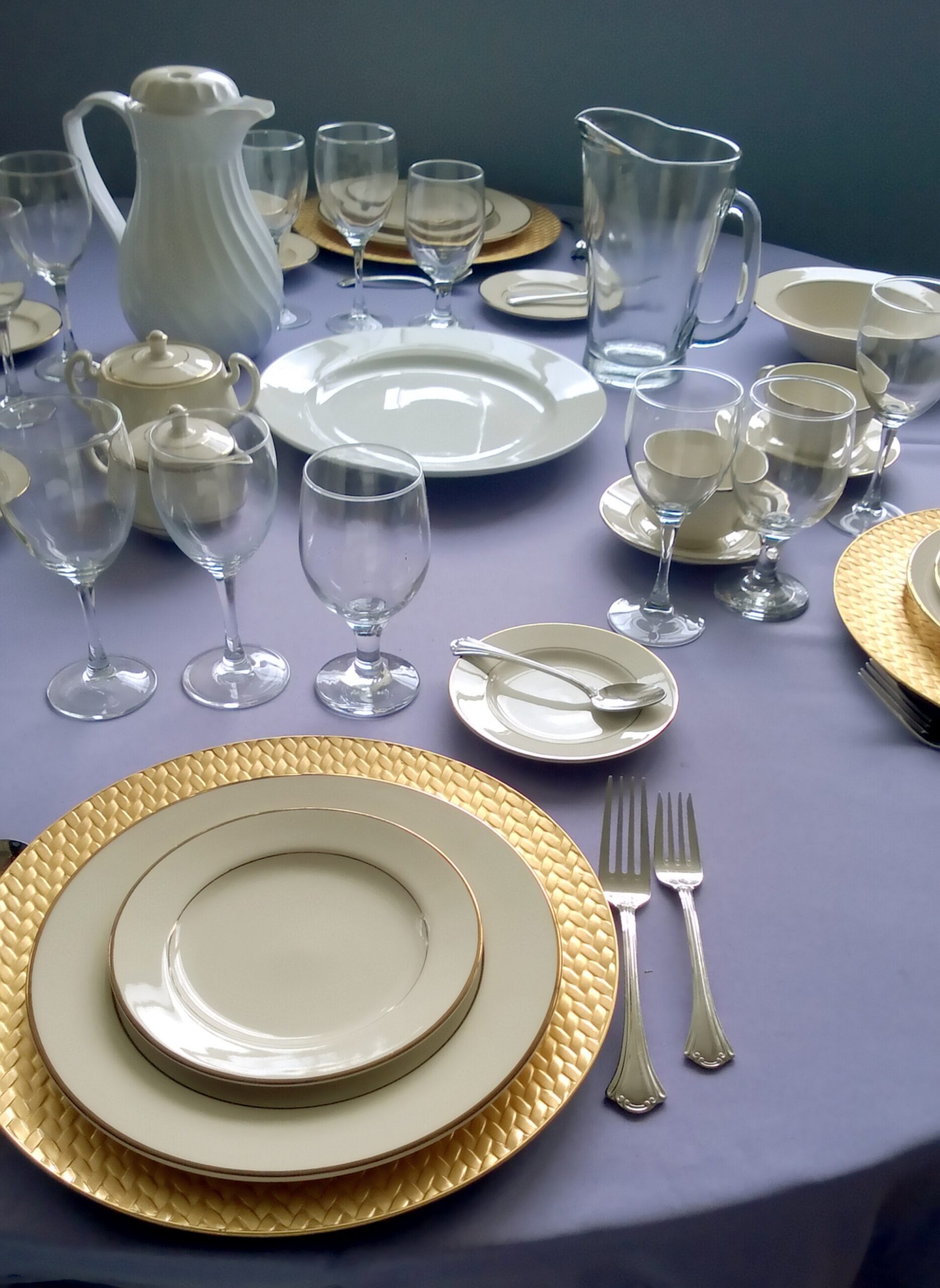
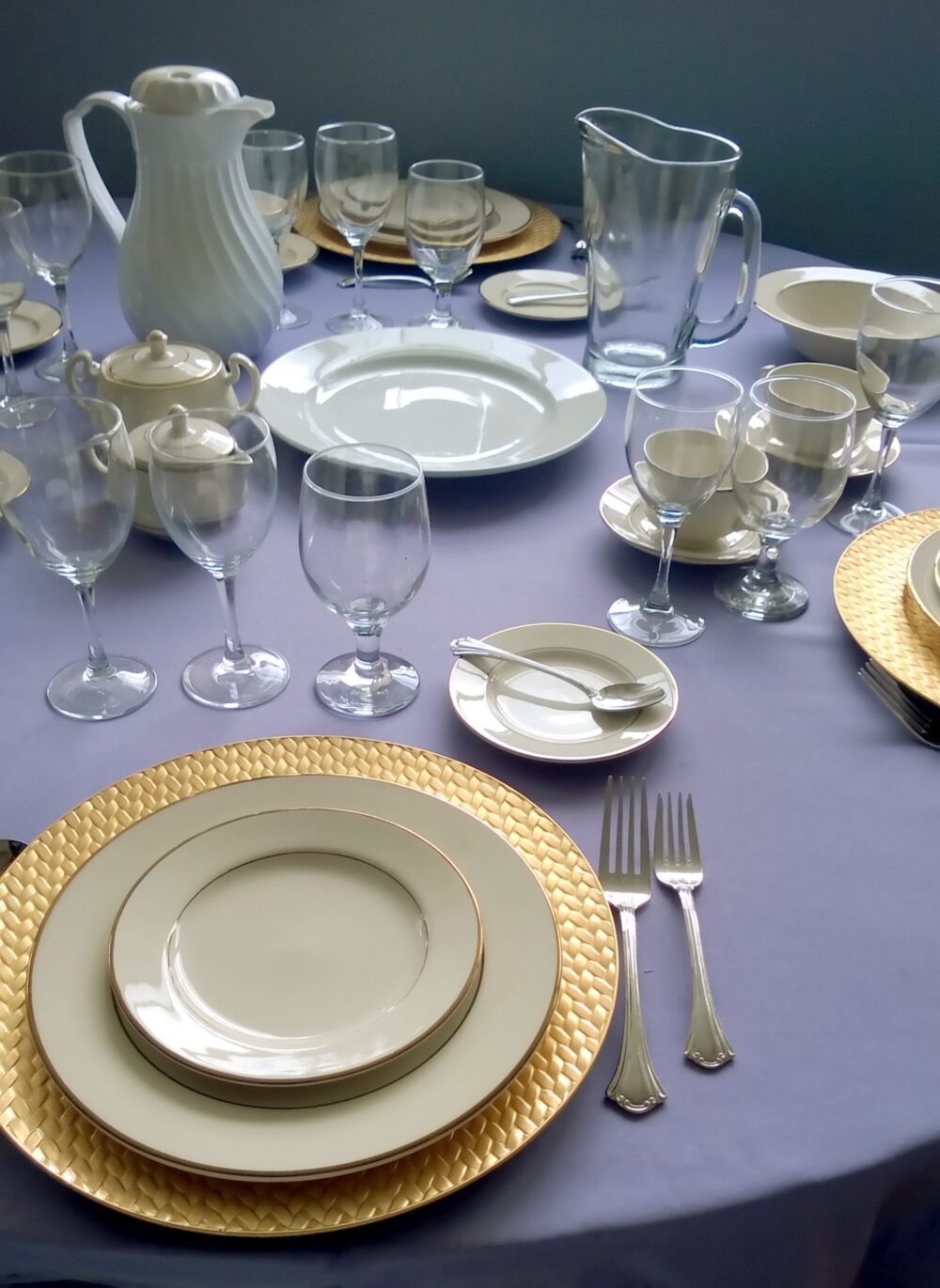
Party-store tableware display. Photo by Joyful spherical creature, CC BY-SA 4.0, via Wikimedia Commons.
What Jenly Wholesale and Party Supplies Is and Where It Fits in the Party Supply Chain
Jenly Wholesale Inc describes itself as a wholesale party-favor and party-supplies company offering items for weddings, baby showers, birthdays, Mis quince, and communions at wholesale prices. The LinkedIn organization listing for Jenly Wholesale Inc reinforces that focus on celebration favors rather than general retail.
Business directories such as the BBB profile for Jenly Wholesale Inc list the company under party supplies/party favors, with an address in Miami, Florida. That places Jenly in the segment of US-local wholesalers who import or buy in bulk, then distribute party goods domestically.
In the typical party supply chain for a small business:
- Overseas manufacturers produce generic items (favor bags, disposable dinnerware, themed accessories).
- Importers and wholesalers like Jenly buy container or pallet quantities and break them into case packs.
- Small retailers, online shops, and event planners buy cases from those wholesalers for resale or event packages.
You’re essentially choosing whether to buy closer to the factory (direct import or cross-border marketplaces) or closer to the end customer (US wholesaler). Jenly sits in that second tier: you trade some potential unit-cost savings for shorter lead times, fewer customs headaches, and easier communication in many cases.
Evaluating Jenly and Similar Party-Supply Wholesalers Before You Commit
Before you decide Jenly will be a core supplier, treat it the way you’d treat any wholesale partner that could make or break your inventory plan.
1. Verify the business footprint
For Jenly or any party wholesaler, start with basic checks:
- Directory listings: Confirm the name, Miami address, and business category via sources like BBB.
- Organization pages: Look at the LinkedIn organization listing to see how they describe their occasion focus.
If details like address or phone differ across listings or disappear over time, treat that as a signal to dig deeper.
2. Match their occasion focus to your niche
Jenly emphasizes favors and supplies for life events: weddings and Mis quince, but also baby showers, birthdays, and communions. That tends to mean items tailored to formal or religious celebrations and coordinated themes.
If your business revolves around kids’ character parties, eco-only supplies, or corporate events, you’ll want to see how much of Jenly’s catalog actually overlaps with your niche. Ask for a line sheet or a current catalog and map each item to specific bundles you sell.
3. Ask practical wholesale questions
Because individual policies aren’t publicly documented, you should ask Jenly directly about:
- Case pack sizes and minimum order expectations by item
- Whether they’re willing to ship mixed cases for smaller businesses
- Lead times around common party seasons (spring wedding peak, graduation, holidays)
Keep emails or call notes; these become your internal reference when you compare Jenly to other suppliers.
4. Watch for red flags specific to party supplies
Party favors can go out of style fast and often have event-specific wording or religious motifs. Red flags for wholesalers in this niche include:
- Only outdated designs (fonts, colors, themes) that won’t match current Pinterest or TikTok trends
- No clarity on packaging—for favors, damaged or scuffed packaging can make products unsellable
- Vague answers on restocking during peak event seasons
If you’re planning to build your brand around their stock (for example, making Jenly-sourced quince favors the core of your range), you need confidence that they’ll refresh designs and restock reliably.
Ordering From Jenly: MOQs, Pricing, and When Other Channels Make More Sense
Most party-supply wholesalers, including businesses like Jenly, don’t advertise detailed pricing and minimums publicly. But they almost always operate on minimum order quantities (MOQs) and tiered pricing:
- You pay a higher per-unit price at low quantities.
- The per-unit price drops at higher quantities, especially on standardized items like disposable plates, cups, and favor bags.
That structure is similar to what you see in bulk party-tableware listings on marketplaces. For instance, DHgate hosts party-category listings such as:
- Light Green Disposable Party Set (plates, cups, and other tableware) observed on 2026-10-05, titled “Light Green Disposable Party Set – Plates, Cups, Forks, Spoons & Tissues, PS Plastic Party Tableware” — a bundled set aimed at buyers purchasing multiple units in one order. You can see this type of listing at this DHgate party tableware example.
- Party Disposable Tableware Supplies Disposable Plastic Cups For Wedding Celebration Holiday Kids Birthday Party Baby Shower (disposable cups in bulk) observed on 2026-10-05, available via a listing like this disposable cup party-supply example.
These examples illustrate how bulk-oriented pricing and multi-set purchases are common when sourcing party basics.
How a wholesaler like Jenly usually fits different order sizes
Here’s a practical way to think about Jenly versus other options for a small US party business:
| Order scenario | Jenly-style US wholesaler: typical fit | Marketplace basics (e.g., party sets, cups): typical fit | Local cash-and-carry / warehouse club: typical fit |
|---|---|---|---|
| Testing 1-2 small themes | Possible if they allow mixed small cases; expect relatively higher per-unit cost at very low volumes | Helpful for trying a few bulk sets or cup packs from different listings to see what suits your bundles | Very easy for quick tests using retail multipacks; you accept thinner margins |
| Building 5-10 recurring event bundles | Strong option if they cover your key occasions and keep case packs consistent | Good for standardized basics you can pair with Jenly-sourced favors to complete bundles | Useful mainly for generic fillers like candies or simple decor, with limited theme depth |
| Serving steady local demand without importing | Works well if they support regular case or pallet replenishment and refresh designs over time | Can complement Jenly for specific basics or niche themes if you’re comfortable coordinating overseas orders | Less suited beyond opportunistic buys; selection and packaging may vary more |
Where DHgate and similar marketplaces come in
DHgate functions as a B2B marketplace where numerous independent suppliers list bulk party-related items such as disposable dinnerware sets, plastic cups, favor bags, and themed accessory kits. If you only need very small test volumes of basics or want to experiment with colors and formats before locking into a wholesaler’s catalog, placing a few marketplace orders can be more flexible than asking Jenly for very small, mixed cases.
When you use a marketplace alongside Jenly:
- Treat each seller as its own business: review product titles, categories, price ranges, and any available reviews carefully.
- Start with modest orders to validate quality and packaging before committing to larger quantities.
If your decision shifts toward using marketplaces or DHgate as a major route rather than just a supplemental one, DHgateWiki also covers how to compare sourcing routes and evaluate individual Dhgate suppliers in more depth, so you can choose between US-local wholesalers and cross-border marketplace sourcing with more confidence.
A simple baby-shower favor plan using Jenly as one supplier
Imagine you’re launching a micro brand around baby-shower kits:
- Step 1: Define three core bundles (for example, “Pastel Classic,” “Gender Reveal,” “Minimal Sage”).
- Step 2: Use Jenly’s catalog to source event-specific favors that align with your themes, such as items intended for formal or religious celebrations and coordinated favor presentations.
- Step 3: Source basics elsewhere—plain disposable plates, cups, and napkins—from a marketplace or local wholesaler, so you’re not limited by one supplier’s color options or material mix.
- Step 4: Place a first Jenly order sized around your next 2-3 months of realistic sales, not a speculative annual volume.
That approach keeps Jenly in a focused role: specialist favors and some matching decor, rather than every single party item you sell. You can adjust over time—growing Jenly’s share of your sourcing if they prove reliable and your niche aligns with their occasion focus, or leaning more on marketplaces and local wholesalers if you find you need broader or more experimental inventory.