
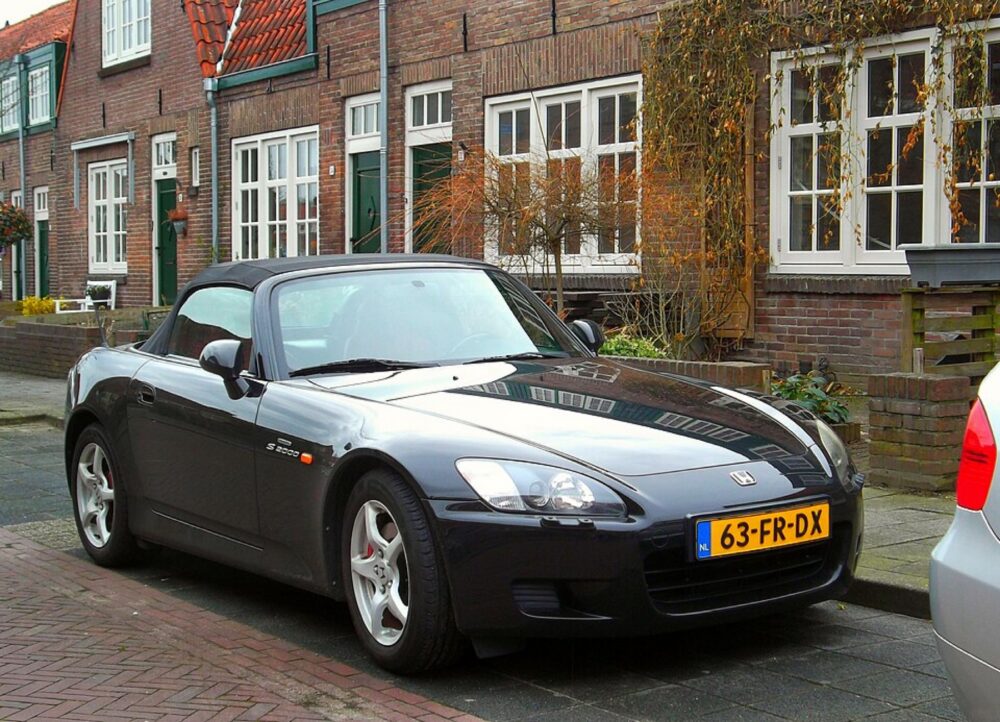
If your Honda S2000 is starting to crank slowly, click without turning over, or only fire intermittently, you’re right to look at the starter motor. For 2000-2009 S2000s, genuine OEM starters are still available from online Honda parts retailers and marketplaces that list Honda or Denso assemblies, while remanufactured and aftermarket units are widely sold through general parts sites. The best choice depends on how you use the car, your budget, and whether you’re buying one unit or stocking a few for resale.
What the Honda S2000 starter motor does and when you need a new one
The starter motor is the electric motor that cranks your S2000’s F20C or F22C engine fast enough for it to start. It draws high current from the battery and engages the flywheel via a small gear. On the S2000, owners and forum posts indicate the starter sits under the intake manifold area, with a main power cable and a smaller signal wire running to it. Community writeups on S2KI’s under-hood forum describe reaching under the intake manifold to access and disconnect these wires.
You usually start suspecting the starter when:
- You hear a single click but the engine doesn’t crank.
- Cranking is slow or labored even with a healthy battery.
- Sometimes the car starts, sometimes it doesn’t, without other obvious electrical issues.
Because S2000s are aging, you should still rule out a weak battery, corroded grounds, or a failing clutch interlock switch before condemning the starter. But if electrical basics check out and the symptoms persist, a replacement starter is often the next step.
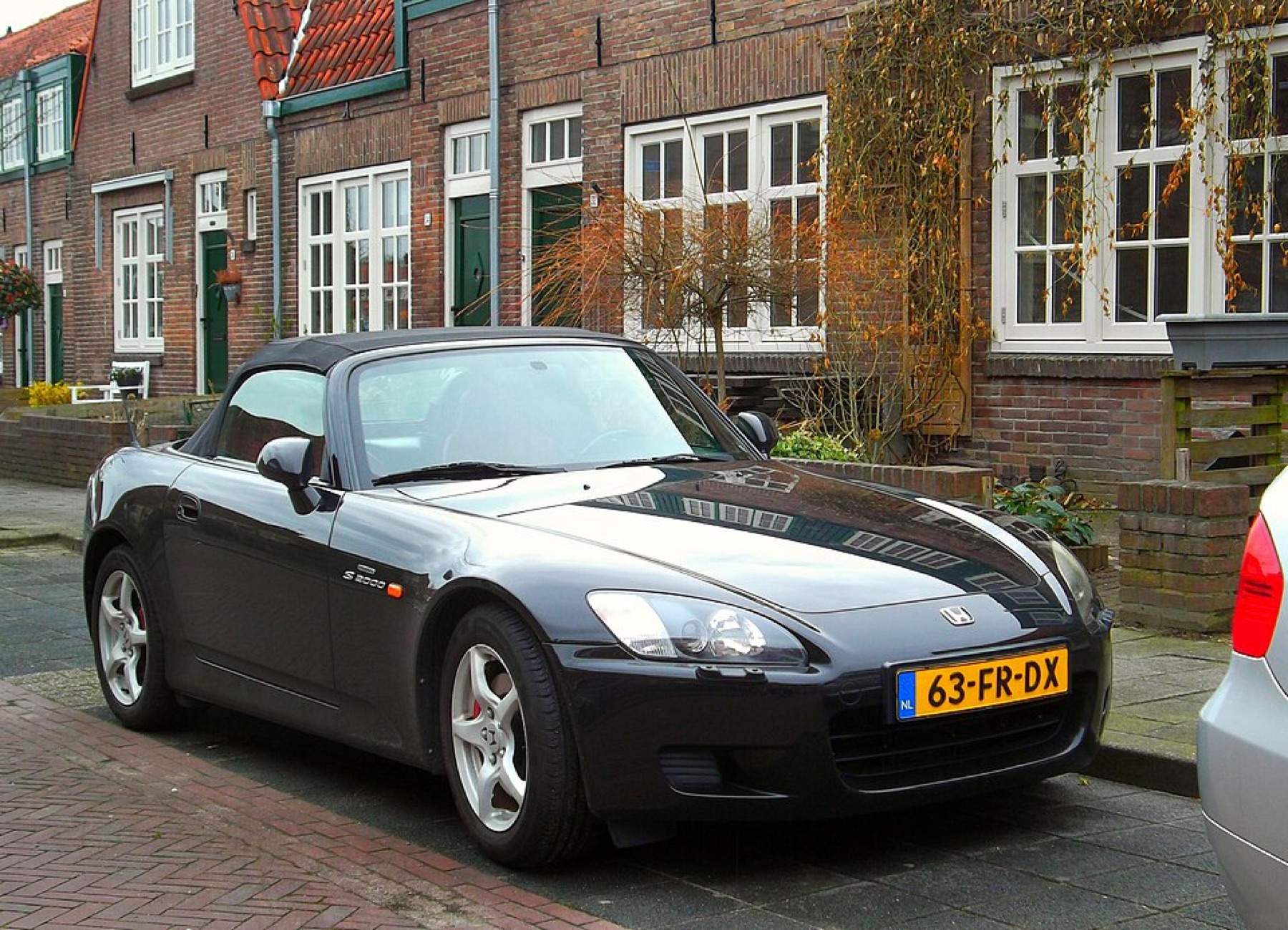
OEM, Denso, remanufactured and aftermarket starter options for the S2000
Honda sourced the S2000 starter from Denso, so you’ll see both Honda-branded OEM assemblies and Denso-branded units that match the original design.
Online OEM parts retailers like HondaPartsNow’s 2001 S2000 starter motor page list genuine Honda starter assemblies by part number for specific model years. These are the safest choice if you want exactly what the car left the factory with and are willing to pay a premium.
Denso itself sells starters that are effectively OEM-equivalent. Parts retailers such as SixityAuto’s Denso starter listing specify fitment for 2000-2009 Honda S2000s with 2.0L or 2.2L inline-4 engines. These units are designed to match OE specs and are a popular choice for enthusiasts who trust Denso as the original supplier but don’t necessarily need the Honda logo on the box.
You’ll also see remanufactured starters and generic aftermarket units:
- Remanufactured starters take a used OEM core and replace or refurbish wear components, then test the unit. Catalogs like RockAuto’s 2006 S2000 starter motor page show reman options that specifically state they fit S2000 models sold in the USA, often with a core charge.
- Generic aftermarket starters may be entirely new units built to fit the S2000 but not from Honda or Denso. They’re typically cheaper, and some work fine for daily driving, but quality can vary more by brand.
A simple way to think about it:
| Starter type | Branding | Typical use case |
|---|---|---|
| Genuine OEM Honda | Honda part label | Originality-focused owners, higher budget |
| Denso OE-equivalent | Denso label | Enthusiasts, reliable daily drivers |
| Remanufactured OEM | Various brands | Cost-conscious with OEM core quality |
| Generic aftermarket | Non-OE brands | Lowest upfront cost, more brand research |
Where U.S. buyers and small resellers can source S2000 starters online
For individual owners and small parts sellers in the U.S., the practical sourcing channels for Honda S2000 starter motors fall into a few buckets.
1. OEM-focused online parts retailers Sites that specialize in Honda OEM parts let you search by year, model, and system (electrical → starter). Pages like the genuine starter listing on HondaPartsNow show the official part number and confirm fitment. This route suits you if you’re selling to purist customers or if you want a one-time repair with factory parts and clear catalog data.
2. Brand retailers for Denso and OE-equivalent units Retailers that carry Denso new or reman units are useful if you want OEM-equivalent performance without going through the Honda channel. The SixityAuto Denso starter for 2000-2009 S2000 is a good illustration: the listing clearly calls out the S2000’s 2.0L/2.2L engines and 2000-2009 coverage, so you can match stock or customer orders by year and engine.
3. Marketplaces like eBay for OEM, Denso and reman units eBay’s Honda S2000 starter motor parts category aggregates a variety of listings labeled as genuine OEM, Denso, and remanufactured starters. Individual listings, such as an OEM starter assembly advertised for 2000-2009 S2000s, often mention that shipping takes several days and may give a broad delivery window. Because eBay is a marketplace, you’ll want to scrutinize seller descriptions, photos of casting numbers or labels, and buyer feedback to confirm you’re actually getting a Honda or Denso unit rather than a generic equivalent.
4. General parts catalogs offering remanufactured options Sites like RockAuto’s S2000 starter catalog list remanufactured starters that specify fitment for S2000 models sold in the USA. These listings often mention a core charge: you pay an extra amount upfront and get it refunded when you send back the old starter core. That’s a normal practice for reman parts and a detail small resellers need to factor into pricing and returns.
For a single replacement, prioritizing clear fitment information (year, engine, market), a known brand (Honda, Denso, or a remanufacturer with good testing practices), and your tolerance for downtime makes the decision straightforward. For small ecommerce sellers, the extra step is consistency: favor channels where you can repeatedly source the same part number, verify brand markings, and manage core logistics without surprises.