
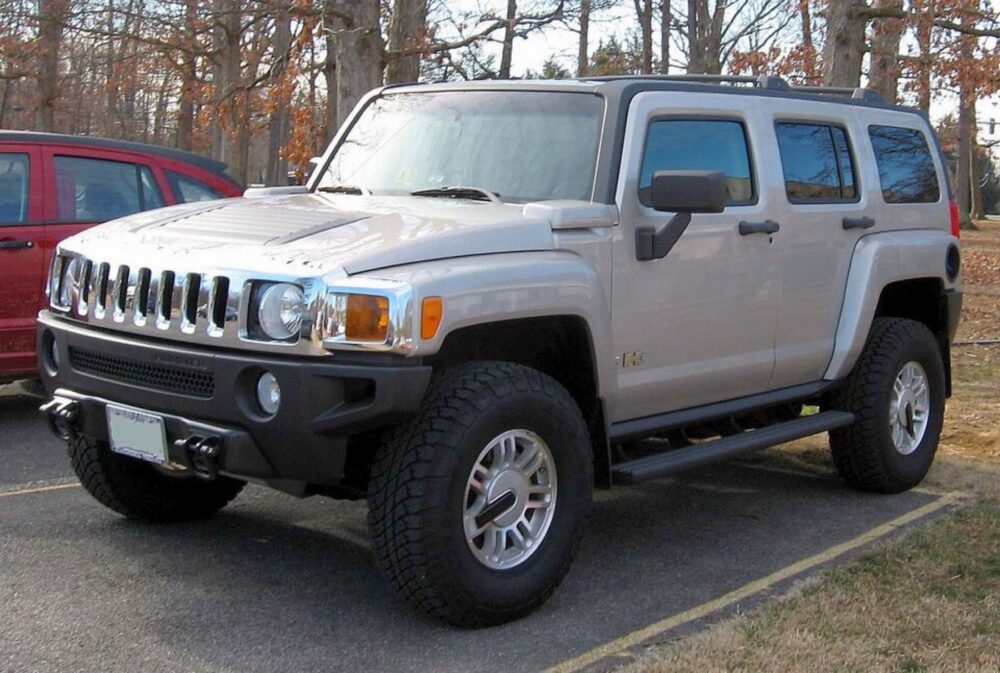
On the Hummer H3, “hood vent accessories” typically means the parts and trim that surround or replace the central hood deck vent. High-quality options are split into three main groups: OEM-style replacement panels, performance hood louvers, and cosmetic trim or vent covers. You’ll find OEM-style H3/H3T hood deck panels on Hummer-focused parts sites, bolt-on and cut-in louvers from specialty brands, and cosmetic vent covers and chrome trim on large marketplaces like Amazon and eBay. The right choice depends on whether you care more about factory look, under‑hood heat management, or styling.
What counts as a hood vent accessory on the Hummer H3?
On the H3, the hood deck vent is that raised, center section near the front of the hood. It can be a simple plastic panel, or it can be modified with louvers or scoops to create actual airflow paths. Owners look at this area when:
- The original black deck panel is faded, cracked, or missing.
- Under‑hood heat is an issue from towing, off‑roading, or performance modifications.
- They want the hood to stand out with chrome, blackout, or a more aggressive louvered look.
Hood vent accessories generally fall into four functional buckets:
- Replacement deck vent panels – factory-style plastic panels meant to restore the original look and coverage.
- Bolt-on louvers – panels with slotted openings that bolt to the hood, allowing hot air to escape.
- Cut-in louver kits – louvers designed to be installed into cut openings in the hood skin.
- Trim and covers – decorative chrome or black pieces that sit on top of the existing vent area.
Each style interacts differently with the hood metal, the engine bay, and the paint around it, so you want to match the part to how the H3 is actually used.
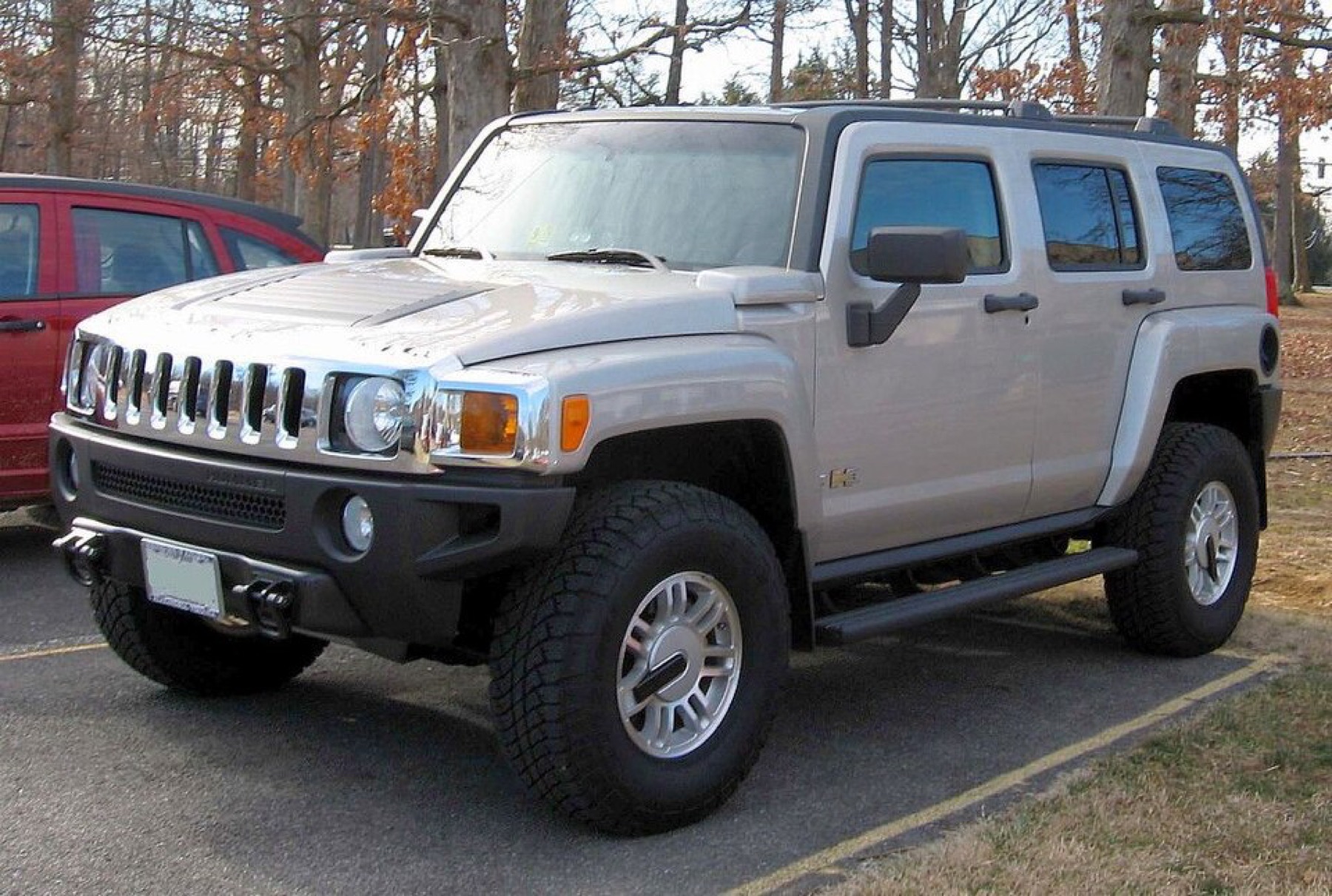
Types of H3 hood vent accessories and how they differ
You don’t have to buy the same style the truck left the factory with. Here are the main categories H3 owners actually use and how they differ in materials, fit, and finish.
1. OEM-style hood deck vent panels
Hummer-focused parts retailers carry replacement hood deck vent panels specifically listed for H3 and H3T. One example is a black hood deck vent panel built from durable ABS plastic and shaped to fit the H3/H3T hood contours, sold as a direct replacement by a Hummer parts retailer (HummerPartsClub listing).
These panels are aimed at:
- Daily drivers where you want stock appearance.
- Resale-minded owners who prefer a factory-correct look over custom vents.
Typical tradeoffs:
- Pros: straightforward fit when the listing explicitly says H3/H3T, durable plastic, usually ready to install in black.
- Cons: usually cosmetic only; they don’t add real venting unless they’re designed with openings.
2. Performance hood louvers (bolt-on and cut-in)
Specialty louver brands focus on function. They offer panels designed to let heat escape from the engine bay of the H3.
RunCool-style louvers shown on a 2006 H3 Adventure Package install as panels with multiple slots that allow hot air to rise out through the hood (hoodlouvers.com example). RodLouvers lists a specific 5″ wide aluminum bolt-on louver kit for the H3; it’s bare aluminum, meant to be powder-coated, painted, or coated with a bedliner finish once you receive it (RodLouvers H3 kit).
Key differences vs. simple deck panels:
- Material: often aluminum rather than ABS plastic, which changes how it looks and how you prep it for paint.
- Finish: unfinished (bare) surface is common, so you must plan paint or coating.
- Install complexity: some kits bolt into pre-existing openings; others assume you will cut the hood panel and fasten the louvers over those cutouts.
These are better suited to:
- H3s that spend time on trails or heavy towing where under‑hood heat builds up.
- Owners comfortable with drilling or cutting the hood, or willing to pay a body shop.
3. Hood scoop and vent kits (unfinished, DIY-oriented)
There are hood scoop and vent sets marketed for H3/H3T that are sold as unfinished kits. While specific product pages can be sparse, the general pattern is that these kits ship unpainted and expect you (or your shop) to handle:
- Sanding and filling
- Bodywork and primer
- Painting to match or contrast the truck
From the snippets seen in search results, these scoop and side kits highlight that prep work and painting are required for a clean final look. That puts them squarely in the DIY or body‑shop category rather than a quick weekend bolt-on.
If you’re a small reseller, these unfinished kits can make sense only if you already work with a painter or sell them explicitly as body‑shop projects.
4. Chrome and blackout trim sets and vent covers
Cosmetic trim sets target owners who just want the hood vent area to pop. One example is a chrome hood vent trim set for the H3, sold as a multi‑piece kit using automotive-grade 3M tape for attachment (ShopSAR chrome vent trim). These sets usually cover the hood vent and nearby pull handles rather than replacing the entire deck panel.
Large marketplaces show universal and H3‑specific vent covers in louver and intake styles, often molded from ABS plastic in black, silver, or chrome finishes (Amazon search results for H3 hood vent covers). Many of these are decorative; they sit on top of existing sheet metal or plastic rather than opening up the hood.
These trim and cover parts generally:
- Use tape rather than bolts, so install is quick but relies on surface prep.
- Change the look more than the airflow.
- Are easier to stock or flip for small ecommerce sellers, since they don’t require paint.
Quick comparison: function, install, finish
| Accessory type | Primary function | Typical material | Install difficulty (editorial) | Finish at delivery |
|---|---|---|---|---|
| OEM-style deck vent panel | Restore stock look | ABS plastic | Low – panel replacement | Black, ready to install |
| Bolt-on louver kit | Vent engine heat | Aluminum | Medium – drilling/bolting | Bare, needs coating/paint |
| Cut-in louver / scoop kit | Aggressive styling + vent | Mixed (metal/plastic) | High – cutting, bodywork | Unfinished, full paint needed |
| Chrome trim / vent covers | Cosmetic styling | ABS + chrome/film | Low – 3M tape application | Chrome/black, ready to apply |
Where to buy Hummer H3 hood vent accessories and what to check
Hummer-focused parts retailers (OEM-style replacements)
If your goal is a clean, stock-looking hood, start with Hummer-oriented parts sites. Listings like the black H3/H3T hood deck vent panel mentioned earlier are built from ABS plastic and shaped for that specific hood. When browsing these sites, look for:
- Explicit H3 or H3T fitment in the product title/description.
- Photos that match your current hood vent shape (center section, mounting points).
- Notes about whether mounting hardware or clips are included.
These are good options for daily drivers and for small dealers who recondition H3s for sale.
Specialty louver manufacturers (performance and custom look)
Brands that specialize in hood louvers focus on function and custom appearance rather than OEM replication. RunCool-style louvers and RodLouvers’ dedicated H3 kit are representative of this category.
When evaluating these:
- Confirm whether the kit is bolt-on to existing openings or requires cutting the hood.
- Check that the width and layout (such as the 5″ wide H3 kit) match the area you plan to modify.
- Plan for finishing: bare aluminum usually needs powder coat, paint, or a protective coating.
These channels make the most sense if you’re solving a heat problem or building an off-road H3 that needs better under‑hood airflow.
General marketplaces (trim, covers, and full hoods)
For cosmetic trim and broad selection, general marketplaces carry a wide range of options:
- Amazon lists H3 hood vent covers and related trim pieces across louver, grille, and intake styles in ABS plastic, offered in black, silver, and chrome finishes.
- eBay has full H3 hoods and body parts from various brands, which can include hoods with integrated vents or scoops (eBay H3 hoods category).
On these platforms, make your checks specific to this vehicle and part type:
- Search terms that include both “H3” and “hood vent” or “hood deck” to avoid universal trim that may not match the contours.
- Study mounting methods: tape-on trim works differently from bolt-on louvers, and the prep expectations are not the same.
- If buying full hoods, use fit tools or part-number cross references where available to make sure the hood matches your model year and body style.
How small ecommerce sellers can position hood vent accessories
If you’re buying for resale rather than your own truck:
- OEM-style deck vent panels and ready-to-apply chrome trim are “fast-turn” items: no paint, simple install, clear H3 labeling.
- Bare aluminum louver kits and unfinished scoop sets appeal to a narrower audience but can be higher-margin if you position them as performance or custom bodywork parts.
- Generic vent covers from large marketplaces can fill out your catalog, but you’ll want to clearly label which listings are universal styling pieces vs. H3-specific fit.
Matching the accessory type to your buyer—daily driver, off-road enthusiast, or customizer—is the difference between a returned part and a hood that looks and works the way it should.