
If you’re buying sublimation tumblers in bulk for a U.S. side hustle or small ecommerce shop, your costs stay low only if you treat them as more than “$X per cup.” You’re paying for the base tumbler, accessories, coatings, shipping, and sometimes pre-print customization—and different channels favor different order sizes. For most small buyers, the best deals come from matching your volume to the right channel (craft/retail for small runs, specialist wholesalers or cross‑border marketplaces for larger runs) and keeping customization in‑house instead of paying suppliers to print.
Below is a budget‑first breakdown of what you’re really buying, how specs and customization push prices up or down, and when domestic vs. cross‑border sourcing makes financial sense.
What Really Makes Up the Cost of Wholesale Sublimation Tumblers
Even a “simple” 20oz skinny tumbler has multiple cost components:
- Base blank tumbler (stainless steel or glass, sublimation-ready coating)
- Accessories (lid style, straw, brush, gift box)
- Shipping and handling
- Any pre‑applied customization (logo, pattern, personalization)
Real‑world price examples
Domestically, Amazon lists bulk packs such as a 25‑pack of 20oz sublimation tumblers marketed as blanks with lids and straws, aimed at buyers doing their own heat transfer.oaptuza Amazon listing While exact pricing moves constantly, this type of listing shows how domestic sellers often bundle accessories and individual boxes into the cost.
Walmart carries bulk Hogg sublimation tumblers, including 25‑packs of 30oz skinny cups with lids and straws.Hogg bulk tumblers at Walmart Again, you’re paying for brand recognition and bundled accessories, not just raw stainless.
On cross‑border marketplaces, you’ll see more granular pricing for the blank itself. For example, on 2026-10-05, DHgate listings for 20oz stainless steel tumblers showed:
- A tapered 20oz skinny sublimation tumbler with double‑wall insulation priced around $6.92–$9.72 per piece in bulk.20oz skinny tumbler listing
- A 20oz straight double‑wall skinny tumbler around $3.60–$4.12 per piece.20oz straight skinny tumbler
These numbers are snapshots, not guarantees, but they show how much of your per‑unit price is the raw blank, before shipping, duties, and marketplace fees.
A quick cost breakdown table
Use this as a rough mental model—not a rate sheet—for a 20oz stainless tumbler:
| Cost piece | Typical inclusion | Budget impact (per unit) |
|---|---|---|
| Base sublimation tumbler | Stainless body, sublimation coating | Usually the biggest cost |
| Lid & straw | Flip/slider lid, plastic/metal straw | Small, but adds up in bulk |
| Packaging | Individual box, sometimes gift box | Higher on domestic retail |
| Shipping (per unit share) | Ground or international parcel | Can rival tumbler cost on small orders |
| Pre‑print customization | Logo or full‑wrap design from supplier | Often adds more than DIY ink and labor |
If your goal is margin, your first question should be: “What am I paying extra for that I could handle myself—printing, packaging, or branding?”
How Order Size and Custom Choices Push Price Up or Down
You can’t talk about “cheap” sublimation tumblers without talking about volume and spec.
1. Order size and MOQ
Most bulk‑oriented sellers will price by tiers: the more units you buy, the closer you get to the low end of their range. Domestic craft retailers often start around 10-12 units per pack; specialist wholesalers like Stainless Depot’s sublimation blanks section and Kupresso’s 20oz sublimation range are geared to buyers ordering cases and repeat runs.
If you’re testing a new design or season, a smaller pack from Amazon, Walmart, or Michaels is usually safer even if the unit price is higher. Once you have a design that sells, stepping up to a wholesaler or cross‑border source lets you trade higher MOQ for lower per‑unit cost.
2. Specs that quietly raise the price
A few tumbler features reliably push you out of “budget blank” territory:
- Capacity: Larger sizes (30oz, 40oz) use more material and often have more complex lids or handles, so they sit above 20oz on price.
- Hardware: Metal lids, built‑in handles, or sliding/locking mechanisms add manufacturing cost.
- Accessory bundles: Brushes, shrink wraps, gift boxes, or neoprene sleeves are valuable add‑ons—but they’re not free.
- Coating quality: True sublimation‑ready coatings that give sharp, vibrant transfers usually cost more than generic paint.
On a listing like Kupresso’s insulated 20oz tumblers, the pitch is functionality and branding potential (double‑way drinking, hookah variants, etc.), which you pay for in higher unit cost compared with plain straight blanks.
3. Where customization should live
For most U.S. micro‑brands, pre‑printed tumblers from suppliers don’t make budget sense unless:
- You have a very simple logo, and
- The supplier’s print method and colors match your brand exactly.
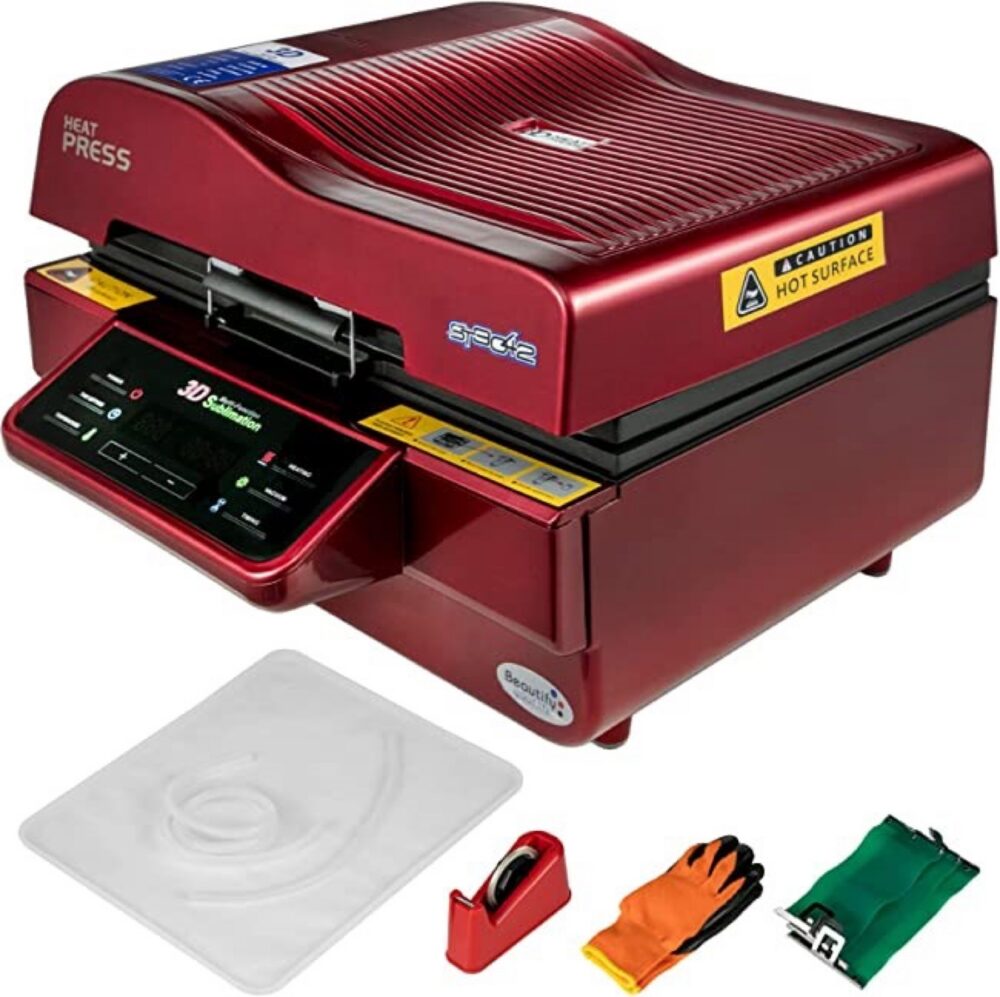
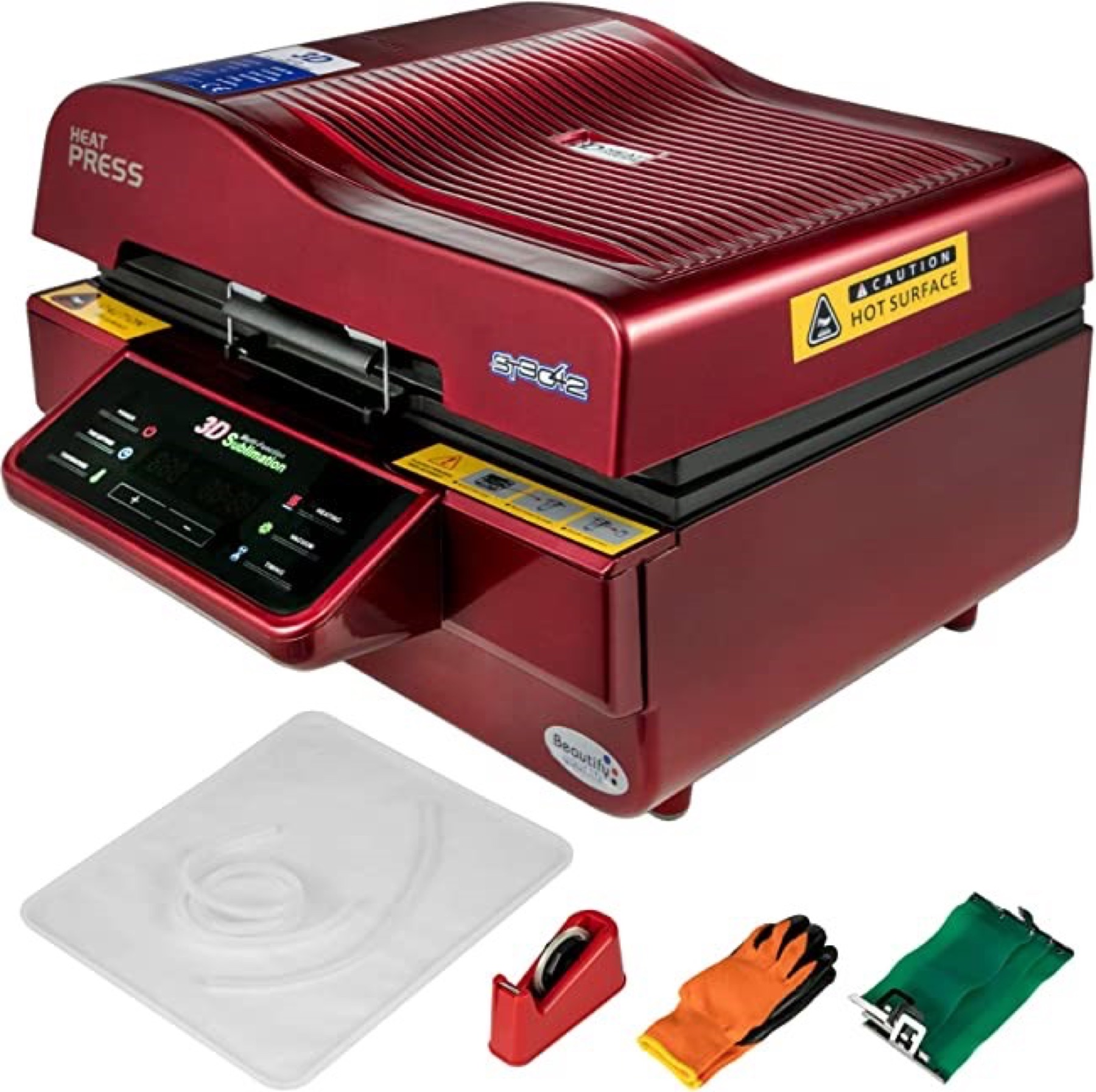
Otherwise, you’re better off buying blanks and doing sublimation printing yourself with a dedicated press (separate equipment cost) or outsourcing printing locally. You keep flexibility on designs and avoid locking into a seller’s minimums and artwork rules.
Choosing the Best Channel for Your Volume and Budget
You have three broad sourcing paths: domestic retail/marketplaces, specialist wholesalers, and cross‑border marketplaces. Each has a sweet spot.
Domestic retail & craft marketplaces (Amazon, Walmart, Michaels)
Best for:
- 10-50 units
- Shorter domestic shipping routes and retailer-specific return terms to verify
- Testing new designs or short‑term projects
You’ll see multi‑packs with lids, straws, and boxes baked into the price, like the 25‑pack on Amazon or Hogg 25‑packs on Walmart. You’re paying more per tumbler, but less in risk and logistics hassle.
Specialist wholesale suppliers
Sites such as Stainless Depot and Kupresso position themselves as bulk sublimation drinkware suppliers. They may fit buyers who:
- You’re ordering full cases or recurring runs
- You care about consistent spec and branding‑grade quality
- Prefer a domestic contact and want to compare current domestic shipping estimates with cross-border quotes
Their catalogs may offer mugs, tumblers, and specialty shapes for sublimation. Verify current stock, specifications, support, and delivery terms with the individual supplier rather than assuming a domestic channel is automatically more reliable.
Cross‑border marketplaces (including DHgate)
For larger orders and tighter budgets, cross‑border marketplaces may show lower listed base prices. Whether they lower the final cost depends on the exact pack unit, destination quote, transit needs, import charges, and usable quantity received.
On 2026-10-05, DHgate’s 20oz tumbler listings illustrated the range you might see:
- Around $3.60–$4.12 per blank for a straight double‑wall skinny tumbler.
- Around $3.97–$4.28 per blank for a “cheap” slim 20oz tumbler marketed for bulk buyers.
- Around $6.92–$9.72 per blank for a higher‑priced tapered skinny design with strong review count.
- Check how many units you must order to hit the low end of the range.
- Confirm whether lids, straws, and boxes are included or sold separately.
If you’re weighing DHgate against other cross‑border platforms, a broader marketplace comparison like this overview of DHgate vs. AliExpress, Alibaba, and Temu can help you match platform strengths to your own order size and risk tolerance.
Budget Moves That Protect Your Margin
To keep your tumbler sourcing budget under control without cheapening your product:
- Align pack size with sales reality. If you’re selling slowly, a 10‑pack from Michaels or Amazon can be smarter than a 100‑unit cross‑border order that ties up cash.
- Standardize on one “workhorse” spec. Pick a single 20oz shape and lid style that works for most designs. Variants and specialty sizes are great later but expensive early.
- Separate blanks from accessories. Sometimes buying plain blanks in bulk and sourcing lids/straws or sleeves separately costs less than “all‑in‑one” packs.
- Keep customization in‑house initially. Blanks plus your own sublimation printing often beat paying suppliers for pre‑design, especially if you iterate designs quickly.
If your business is still small, think of sublimation tumblers as a testing ground: start with modest domestic packs, refine your designs and pricing, then graduate to specialist wholesalers or cross‑border marketplaces once you have predictable volume. That shift—made at the right time—is where wholesale pricing and customization begin to work in your favor instead of eroding your margin.