
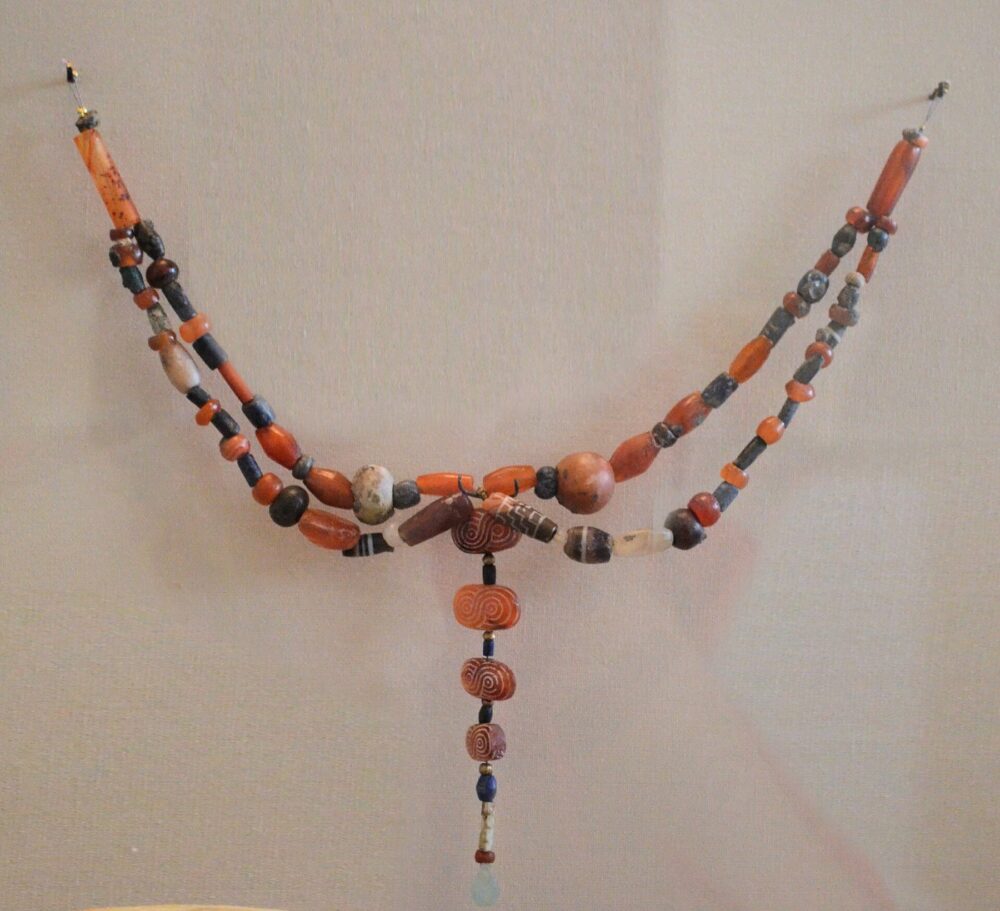
US buyers can source wholesale rondelle beads and other jewelry components in three main ways: specialist bead wholesalers, multi‑seller marketplaces, and cross‑border B2B platforms. For consistent quality gemstone rondelles or branded lines, US‑based wholesalers like Intrinsic Trading and Tejas Beads are often the least risky starting point. For cost‑sensitive or trend‑driven pieces, marketplaces such as Etsy, Amazon, PandaHall, AliExpress, and DHgate can make sense—if you’re willing to vet each seller and sample before scaling orders.
The right mix depends on your volume, the materials you need (glass vs natural gemstone vs plated findings), and how much control you want over quality and branding. Below is a buyer‑first view of how the wholesale bead and component market is structured, how to choose suppliers, and how different channels fit common order scenarios.
How the Wholesale Beads and Jewelry Components Supply Chain Works
Wholesale beads and components break down into a few practical categories:
- Beads: glass, crystal, gemstone, acrylic, wood, metal, seed beads, pearls, etc., in shapes like rondelle, round, heishi, cube.
- Findings and hardware: clasps, jump rings, ear wires, bails, spacer beads, chain.
- Stringing and support: wire, cord, crimps, tools, pre‑made chains.
Production is spread globally. Glass and crystal beads are heavily produced in Europe and Asia; a large share of budget glass, acrylic, and metal findings now come from China. Gemstone rondelles and other cut stones are often processed in India, China, and other lapidary hubs, then sold through regional wholesalers.
For US buyers, the market is structured around:
- Specialist bead wholesalers with large catalogs and bulk price tiers. Examples include Fire Mountain Gems, Beadaholique, Shipwreck Beads, and Lima Beads, which all carry beads plus tools and findings, often with quantity discounts and some loyalty programs.
- US gemstone‑focused wholesalers like Intrinsic Trading and Tejas Beads. These sites advertise faceted rondelle strands and bulk gemstone beads aimed at both artisans and store owners.
- Multi‑seller marketplaces such as Etsy and Amazon, where independent sellers list bulk or unique beads and jewelry‑making supplies. You’ll see everything from Czech glass rondelles on Amazon to micro‑faceted gemstone strands on Etsy.
- Chinese‑based platforms including PandaHall and AliExpress, which are known for broad bead and finding selections and generally lower prices relative to many Western sites. They’re common sources for low‑cost glass, acrylic, and mixed metal components.
You don’t have to choose just one route. Many small brands combine a “core” wholesale relationship (for predictable gemstone or metal quality) with opportunistic marketplace sourcing for trend colors, novelty shapes, and clearance deals.
Selecting Reliable Wholesale Bead and Component Suppliers
Once you know you need, say, 4mm faceted gemstone rondelle strands plus plated spacer beads, the real work is picking suppliers you can trust.
Jewelry‑making forums report mixed experiences with gemstone bead suppliers, especially on rondelles. Some buyers are happy; others complain about inconsistent color, poor polish, or misrepresented stones. That community feedback reinforces a few very specific checks before you commit:
1. Match listings to your quality tier
- For higher‑end gemstone rondelles, prioritize wholesalers that specialize in stone beads (e.g., Intrinsic Trading, Tejas Beads) and clearly label grade, cut (micro‑faceted vs smooth), and strand length.
- For budget glass or acrylic rondelles, marketplace listings on Amazon or Etsy can work, but inspect photos closely for facet sharpness, coating coverage, and hole size.
If a listing only says “mixed beads” with vague images, assume you’ll get craft‑grade product, not fine jewelry components.
2. Use reviews and community threads as a quality filter
- On Amazon and Etsy, scroll beyond the star rating and look for photos in reviews, mentions of chipped beads, off‑sizes, or color bleeding.
- On forums like Reddit’s r/jewelrymaking, search the vendor name. You’ll often see repeated themes (e.g., “good pricing but lots of inclusions” or “colors not like photos”). Treat this as signal, not absolute truth.
If you consistently see complaints about under‑sized rondelles or misidentified stones, don’t place a large first order.
3. Ask targeted pre‑order questions
You’ll get a better sense of professionalism by how a supplier answers specific, bead‑focused questions:
- Exact size tolerance on the beads (e.g., 4mm ± 0.2mm) and whether they’re measured by width or length for rondelles.
- Hole size and suitability for your stringing material (0.8mm leather vs 0.4mm wire vs 1mm cord).
- Surface details: whether faceted rondelles are machine‑cut or hand‑cut, and how they manage chipping during drilling.
- For gemstones, whether strands in a lot are roughly color‑matched or deliberately mixed.
Suppliers used to serious buyers should be comfortable answering these specifics and sharing additional photos or short videos on request.
4. Sample before you scale
Given how often quality varies between batches, don’t jump straight to several hundred strands.
- Order 1-3 strands or small packs from each candidate supplier, ideally across a couple of colors or stone types.
- Inspect for consistency: are the rondelles reasonably uniform in size, are holes centered, do edges chip when you flex a finished bracelet?
- Test a few beads in real use—string, crimp, wear—and watch for coating wear or dye bleeding.
If you’re sourcing findings as well, include ear wires, clasps, and spacer beads in your sample order. Cheap plating and rough finishing are easier to spot in hand than online.
MOQ, Pricing, Customization, and Channel Choice for Cross‑Border Orders
Minimum order quantities (MOQs), pricing behavior, and customization options vary a lot by channel. Thinking in scenarios helps.
How channels typically differ for beads and findings
Here’s a compact comparison using real examples from research, framed as editorial judgment:
| Channel type | Typical MOQ & scale | Pricing behavior | Quality/customization fit |
|---|---|---|---|
| US bead wholesalers (Fire Mountain Gems, Beadaholique, Shipwreck Beads, Lima Beads) | Often sell by strand/pack with volume discounts; workable for small brands and stores | Structured bulk tiers; per‑piece costs drop as you buy more | Good for consistent craft‑to‑midrange quality, wide selection; limited deep customization but strong catalog coverage |
| US gemstone specialists (Intrinsic Trading, Tejas Beads) | Strands and bulk packs; suited to artisans and store owners | Higher per‑strand price than budget glass, aligned with gemstone quality | Best for upgraded gemstone rondelles and stone beads; not usually the cheapest, but quality and grading are clearer |
| Marketplaces (Etsy, Amazon) | From single bag of 1000 glass rondelles to multi‑strand gemstone lots; MOQs vary by seller | Mixed—some bulk discounts, some flat pricing; competition keeps many items affordable | Great for unique or niche beads and findings; quality varies widely, so reviews and sampling are critical |
| Chinese‑based bead platforms (PandaHall, AliExpress) | Often sell both small packs and bulk lots; can be efficient for large color/size assortments | Generally lower unit prices; shipping and duties add to landed cost | Strong for budget glass, acrylic, and generic metal components; gemstone authenticity/grade requires extra vetting |
Where DHgate and similar marketplaces can fit
DHgate is another multi‑seller cross‑border marketplace with bead‑related listings. Around 2026-10-05, a snapshot of DHgate’s catalog showed products such as:
- A “Jewelry Making Supplies Kit with Jewelry Tools, Jewelry Wires and Jewelry Findings for Jewelry Repair and Beading” listed in the Beads category, with a price range of about $42.75–$43.85 from seller `ddmyearth`.
- A “Jewelry Making Supplies Kit – 1587 PCS Beads Crystal Beads Jewelry Pliers Beading Wire Earring Hooks Rings Bracelets” in Cord & Wire, priced roughly $171.96–$180.11 from seller `nan05`.
- A “1200PCS 48 Compartments Glass Beads for Jewelry Making” set in the Glass category, around $42.45–$44.46 from seller `jiao07`.
Listings and prices change regularly, but this gives you an idea of how DHgate can supply mixed kits and bulk bead assortments rather than just single‑strand gemstone rondelles.
DHgate is potentially useful if you:
- Are highly price‑sensitive and willing to assemble assortments from multiple overseas sellers.
To use DHgate or similar marketplaces effectively, treat each seller like its own micro‑supplier: check ratings and review counts on the listing, ask for bead size and hole measurements, and start with modest quantities before relying on them for a core product line. For readers who decide DHgate might be part of their sourcing mix, DHgateWiki has deeper platform‑specific sourcing guides such as finding wholesale suppliers on DHgate and choosing a DHgate wholesale supplier.
Scenario callouts: matching route to your business stage
- Hobbyist or micro‑seller (Etsy shop, weekend markets): Start with US bead wholesalers for reliability and try small marketplace orders (Etsy, Amazon) for unique accent beads. MOQs are manageable, and you can absorb some variation.
- Growing brand with repeat designs: Anchor your core rondelles and findings with a gemstone‑focused wholesaler or established bead supplier, then layer in lower‑cost or trendy components from PandaHall, AliExpress, or DHgate after sampling.
- High‑volume or private‑label buyer: Once you’ve proven a spec using catalog sources, move upstream to factories via B2B platforms or direct contacts to negotiate custom cuts, plating specs, and packaging. Expect higher MOQs but more control.
If you choose your channels this way—based on your real volume and tolerance for variation—you’ll avoid the common trap of chasing lowest sticker price only to discover that your finished bracelets and necklaces are inconsistent, fragile, or hard to restock.