
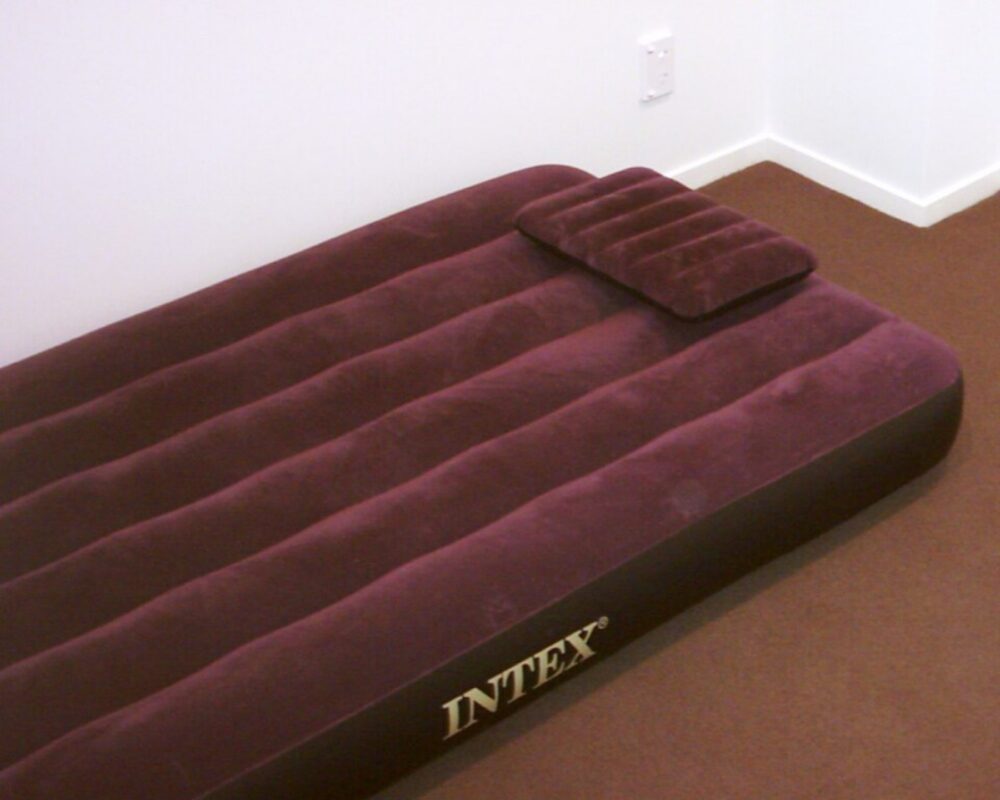
Amazon air mattresses are cheaper, portable and easy to store, but they generally don’t feel or perform like a traditional mattress over time. For most buyers in Australia, they’re a solid solution for guests, short-term rentals and camping; they’re rarely the right choice as a long-term primary bed. Independent reviewers at outlets like Wirecutter and CNET describe modern air beds as comfortable enough to keep people buoyant overnight, yet still not equivalent to a “real” bed for everyday sleep.
What really matters when comparing Amazon air mattresses with traditional beds
To decide between an Amazon air mattress and a conventional mattress, focus on five things:
Comfort. Traditional mattresses use materials like memory foam, latex and innerspring coils to create contouring and pressure relief. Industry commentary from Turmerry notes that air mattresses are generally less comfortable than those types of beds and can lose air overnight, changing how they feel.
Support. An inflatable bed supports you with air pressure. A traditional mattress combines structure (coils, foams) and layering, which typically provides more consistent spinal support. DHgate’s own editorial comparison of inflatable vs traditional mattresses points out that inflatables often lack support compared to regular mattresses, especially for people who need a firmer, more stable surface.
Durability. Inflatable beds have limited durability. They can stretch, weaken and develop leaks or punctures. A traditional mattress is heavier and more expensive, but usually has a longer usable life when cared for properly.
Portability and space. This is where air mattresses win clearly. As DHgate’s blog notes, they can be deflated into a small bag, stored in a cupboard and carried easily for travel or camping. Traditional mattresses are heavy, bulky and effectively fixed in place once installed.
Use-case fit. Inflatable beds are well suited to occasional use: guests, holiday houses, short-term rentals, camping or as a temporary bed while moving. Traditional mattresses make more sense for everyday sleep and for anyone who expects stable comfort night after night.
If you’re a small ecommerce business or managing multiple properties, thinking in these terms helps: are you buying a “sleep accessory” that’s used intermittently, or a core piece of furniture that must deliver predictable comfort every day?
How Amazon air mattresses perform on comfort, support, and durability
On Amazon, best-selling air mattresses tend to share a few design patterns:
Elevated, bed-height profiles so sleepers don’t feel like they’re on the floor. Built-in electric pumps for quick inflation and deflation. Internal structures such as coil beam or “fiber-tech” construction designed to reduce rolling and improve stability. Flocked tops to make the plastic surface feel less slippery and more like fabric.
You can see these features across Amazon’s current Best Sellers in Air Mattresses, where many listings promote upgraded support, thicker PVC and better air retention.
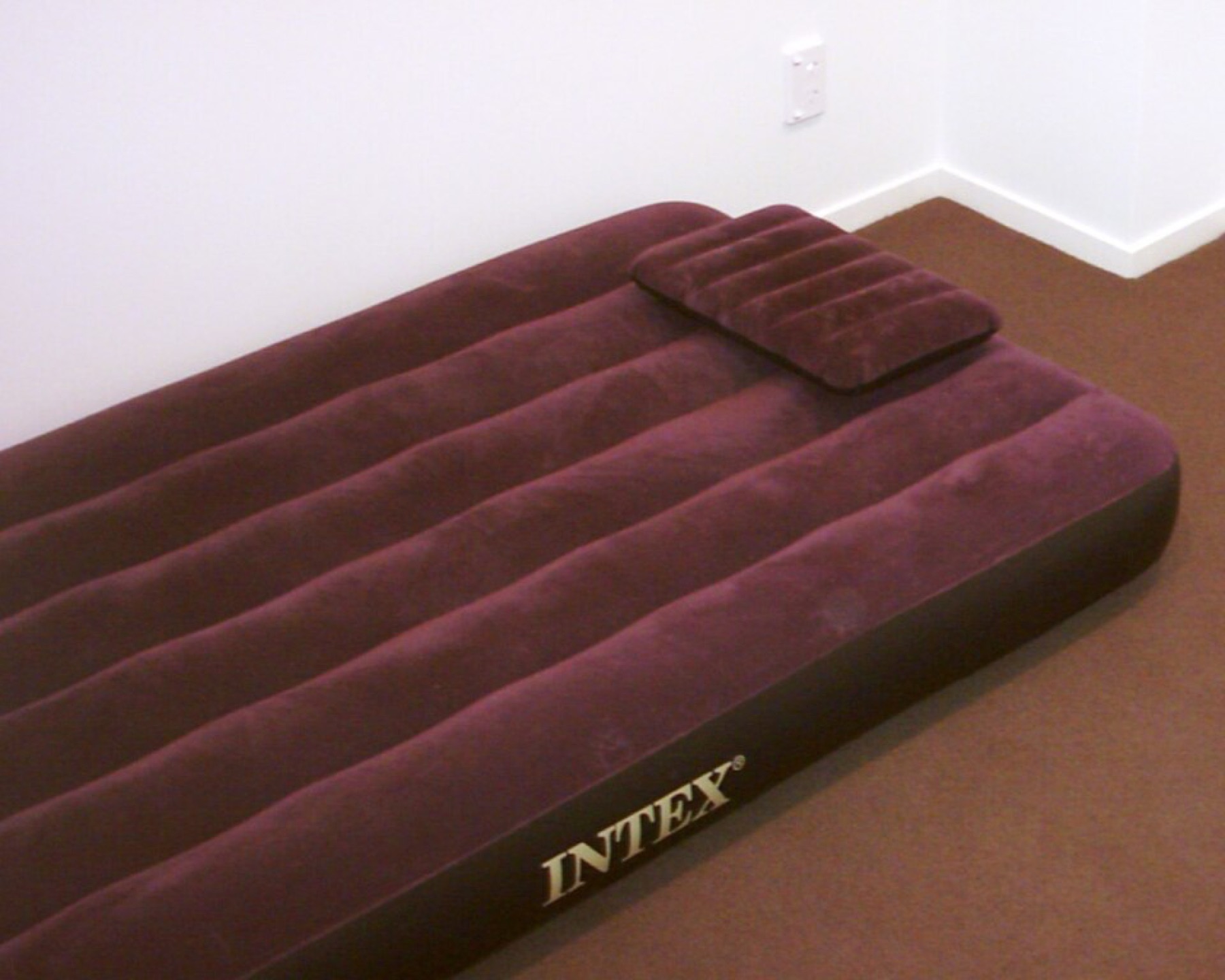
Comfort vs traditional beds.
CNET’s editors, reviewing multiple air beds, describe modern designs as surprisingly comfortable for overnight guests but still a notch below a traditional mattress in overall feel. Wirecutter is even more blunt: an air mattress “will never be as comfortable as a real bed,” but a good model can keep sleepers buoyant and comfortable through the night if it’s properly inflated and has a supportive internal structure.
In practice, that means:
For a three-night stay, a mid-range Amazon air mattress with a flocked top and stable construction can feel fine to most guests. For months of continuous use, small deflations, surface hardness and the plastic feel become more noticeable than on a conventional mattress.
Support patterns.
The internal coil or beam designs advertised on Amazon do help reduce the “pool float” effect where you sink toward the middle. However, support is still driven by air pressure. Adjusting firmness is as simple as adding or releasing air, but the bed may not keep that exact pressure all night.
Traditional mattresses, by contrast, distribute weight through layered materials and springs. Editorial pieces like the DHgate comparison emphasize that this structure typically offers better long-term support, especially for people who care about pressure relief rather than just avoiding the floor.
Durability and leak risk.
Industry commentary, including from Turmerry, highlights a recurring issue: air mattresses can lose air overnight and are more prone to wear, stretching and punctures than traditional mattresses. Amazon reviews reflect this pattern—many best-sellers have a mix of 5-star comfort ratings and isolated complaints about slow leaks or sudden deflation.
That doesn’t make Amazon air mattresses unreliable by default. It does mean they behave more like consumable gear than furniture. For buyers:
Treat an Amazon air mattress as a medium-term solution you may need to replace periodically. See slow overnight deflation or needing top-ups as normal for this category, not a defect unique to Amazon.
Which channel makes sense: Amazon, local retailers, or cross-border marketplaces?
Once you’re clear that an air mattress is a short- to medium-term sleep solution, the next question is where to buy or source it.
Here’s a concise comparison for Australian buyers and small resellers:
| Scenario / need | Amazon air mattresses | Local retailers (e.g., bedding, camping) | Cross-border marketplaces (e.g., DHgate) |
|---|---|---|---|
| Guest bed for a few nights at a time | Wide choice, easy price comparisons, reviews; good fit | Can test feel in person; limited models per store | Lower unit cost possible; requires spec and supplier checks |
| Primary bed for everyday use | Generally poor fit; reviewers say “not a real bed” | Strong fit with traditional mattresses, try-before-buy | Not ideal unless sourcing traditional mattresses |
| Camping / outdoor use | Many compact models; check materials and pump type | Specialized camping designs, advice from staff | Potential for bulk sourcing of camping inflatables |
| Small ecommerce resale | Simple to start with small quantities; brand competition | Harder to scale beyond local foot traffic | Viable for importing wholesale quantities if you do due diligence |
When sticking with Amazon makes sense.
For most individual buyers and short-term rental hosts in Australia, Amazon’s marketplace is a practical default:
You can see a large range of air mattresses with detailed specs and real-world reviews. Elevated models with built-in pumps and coil/fiber-tech constructions are widely available. * It’s easy to compare price vs claimed features (thicker PVC, weight capacity, air retention).
This is especially convenient if your use case is guests, temporary beds while moving, or occasional camping. You’re buying one or a handful of units, and the main risk is comfort and leak performance rather than long-term health outcomes.
Where local retailers still beat Amazon.
If you’re choosing a primary bed, local bedding and furniture retailers remain more suitable. You can:
Lie on traditional mattresses in-store to feel actual support and pressure relief. Ask staff about materials and expected lifespan.
Given that traditional mattresses typically deliver better comfort, support and lifespan than inflatable beds, this is the safer path for everyday sleep, especially if you’re sensitive to changes in firmness or need predictable support.
How cross-border marketplaces fit in (and where DHgate comes in).
For price-sensitive buyers or small ecommerce businesses in Australia, cross-border marketplaces can supplement Amazon rather than replace it. A platform like DHgate lists inflatable mattresses with features similar to Amazon’s mid-range products (elevated profiles, built-in pumps, double-layer designs), often targeted at camping and portable sleep.
If you go that route, treat it as a sourcing project, not a casual one-click purchase:
Compare listed materials (PVC thickness, flocked surface, internal structure) closely to the Amazon models you already understand. Check seller histories and product review volume, not just star ratings. * Start with small test orders before committing to bulk, so you can assess real-world leak rates and comfort.
This extra work can make sense if your margin depends on shaving a few dollars per unit or you want custom specs. If you just need a single guest bed, the time cost of cross-border sourcing usually outweighs any savings.
A clear risk/fit check for using air mattresses as long-term beds
Putting all of this together:
Inflatable beds (including most Amazon air mattresses) are portable, adjustable in firmness, affordable and space-saving. They also bring leak risk, limited durability, and generally less support and comfort than a traditional mattress.
Editorial commentary from both DHgate’s comparison and independent reviewers lines up on one key point: air mattresses work best as temporary or occasional beds, not as long-term replacements for traditional mattresses.
If you’re in Australia trying to decide:
Use Amazon air mattresses for guests, campers, and short-term setups where portability and price matter more than perfect comfort. Invest in a traditional mattress from local retailers or reputable brands for everyday sleep. * Consider cross-border marketplaces like DHgate only if you’re sourcing at scale or chasing specific inflatable designs and are ready to verify suppliers yourself.
That mix keeps Amazon air mattresses in the role they’re best suited for, while traditional beds continue to carry the daily sleep duty.