
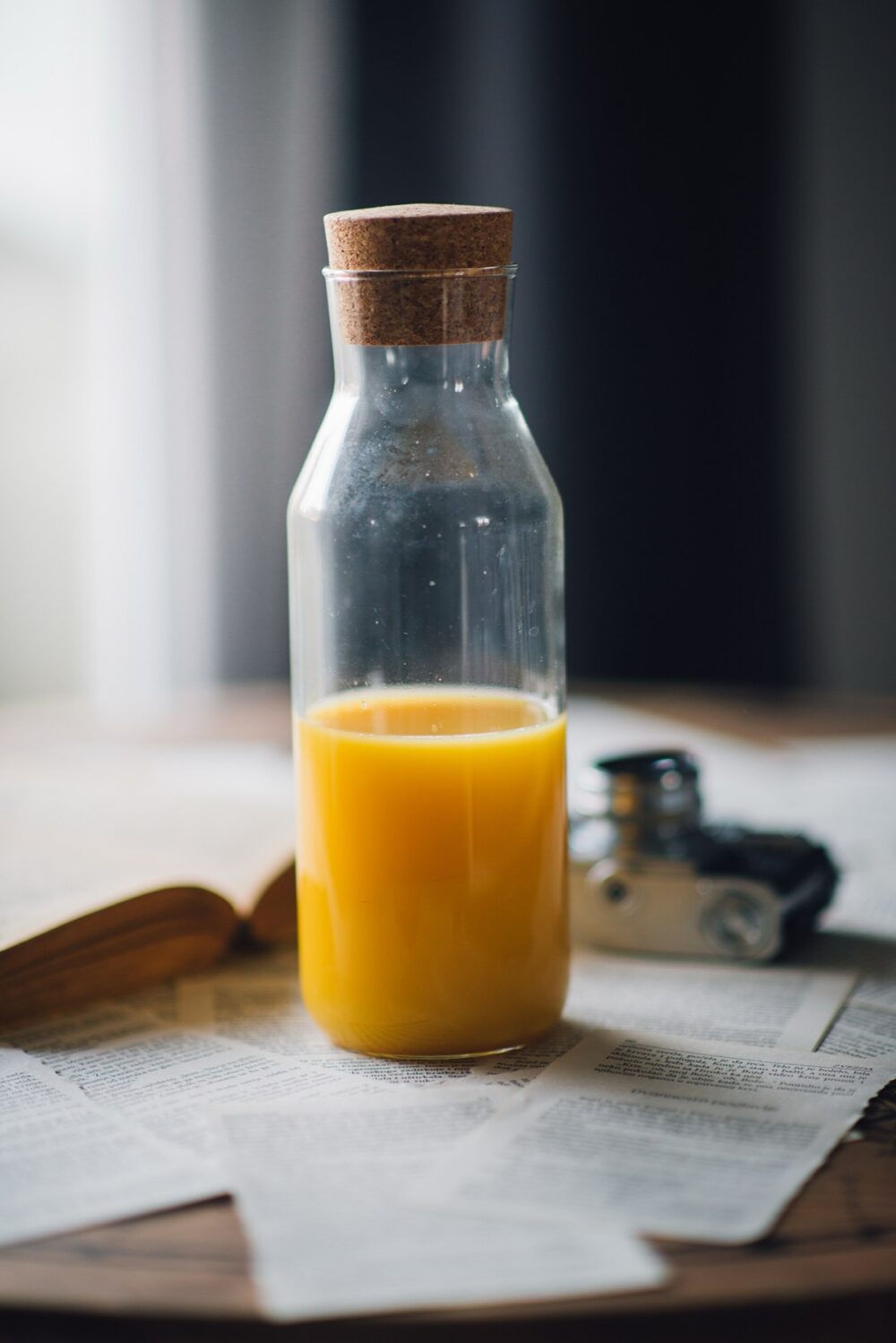
Amazon is strong on convenience and variety for glass and juice bottles, but not always on per-bottle cost. For home juicers who want a 6-12 pack of reusable glass bottles with lids, Amazon’s retail sets are typically good quality, easy to return, and arrive fast. For a small brand that needs hundreds or thousands of bottles with consistent specs, Amazon’s pricing and pack sizes can quickly become expensive versus wholesale or cross-border marketplaces.
The smart move is to define what you need first (material, closures, durability, and realistic quantities), then see whether Amazon’s retail packs make sense as your main source or just as starter stock.
What matters before you even look at Amazon
Whether you’re filling juice for your own fridge or for paying customers, you’re choosing packaging, not just “some bottles.” Most decisions boil down to six filters:
1. Material: glass vs plastic Industry comparisons consistently describe this trade-off:
- Glass is inert, doesn’t pick up flavors, and is naturally reusable. It’s a better fit for premium or health-focused juice because it preserves taste and doesn’t leach into the product. Guides to juice bottles also point out that thick glass is a quality signal, especially for daily reuse.
- Plastic (often PET or similar) wins on cost, weight, and logistics. It’s easier to ship and less likely to break, which is why bulk juice packaging often defaults to plastic for volume and global distribution.comparison.alibaba.com
If you’re selling a premium cold-pressed juice or detox program, glass aligns better with that story. If you’re doing large runs at low price points, plastic is usually more practical.
2. Durability and thickness Independent bottle guides highlight three reliability cues:
- Glass thickness: Thin, lightweight glass is easier to carry but more prone to chipping. Thicker glass survives daily dishwashing and knocks in a commercial fridge.basilcarmel.com
- Impact resistance for plastic: Community feedback from juicing forums shows buyers care more about bottles surviving drops than looking pretty.
- Reuse expectations: If you plan to refill a bottle hundreds of times, durability matters more than if each bottle is a single-use customer package.
3. Safety and cleaning For both home and small brands, your baseline is food-safe material and a cleaning plan.
- Glass bottles marketed for juice are typically described as dishwasher-safe, which is a key signal in many editorial reviews.
- Plastic needs to be labeled BPA-free or food-grade, especially if you sell to health-conscious buyers. Some plastic juice bottles are explicitly marked as not dishwasher-safe.
Define up front whether these bottles will hit the dishwasher daily or be hand-washed in a small commercial sink; that affects what you should buy.
4. Size and portioning Real-world juicing communities talk a lot about portion-friendly sizes and grab-and-go formats. Single-serve bottles make it easy to prep several days of juice and avoid over-pouring.reddit.com
For home use, common sweet spots are:
- 12-16 oz for daily green juice or smoothies
- 2-4 oz for shots (ginger, wheatgrass)
For small brands, you have to match both customer expectations and labeling space—16 oz or 12 oz is common, with 2-3 oz for shot programs.
5. Closure type and leak resistance Quality guides repeatedly highlight leak-proof lids as a key differentiator.basilcarmel.com
- Home users mainly need a lid that doesn’t leak in a lunch bag.
- Small brands often need tamper-evident caps for retail credibility and to meet customer expectations.
You should decide whether a simple screw cap is enough, or whether you require tamper bands or shrink seals.
6. Per-use cost, not just pack price Glass can be more expensive to ship and more prone to breakage, which industry commentary notes can make total glass packaging costs significantly higher in some scenarios than plastic once logistics are included.comparison.alibaba.com
For you, the key question is: Over a month of production, how much does each filled bottle really cost—including waste from breakage, lost lids, or bottles you can’t sell?
What Amazon actually offers in glass and juice bottles
On Amazon’s “bottles for juicing” search, you’ll see a few consistent categories rather than an endless sea of unique designs.amazon.com
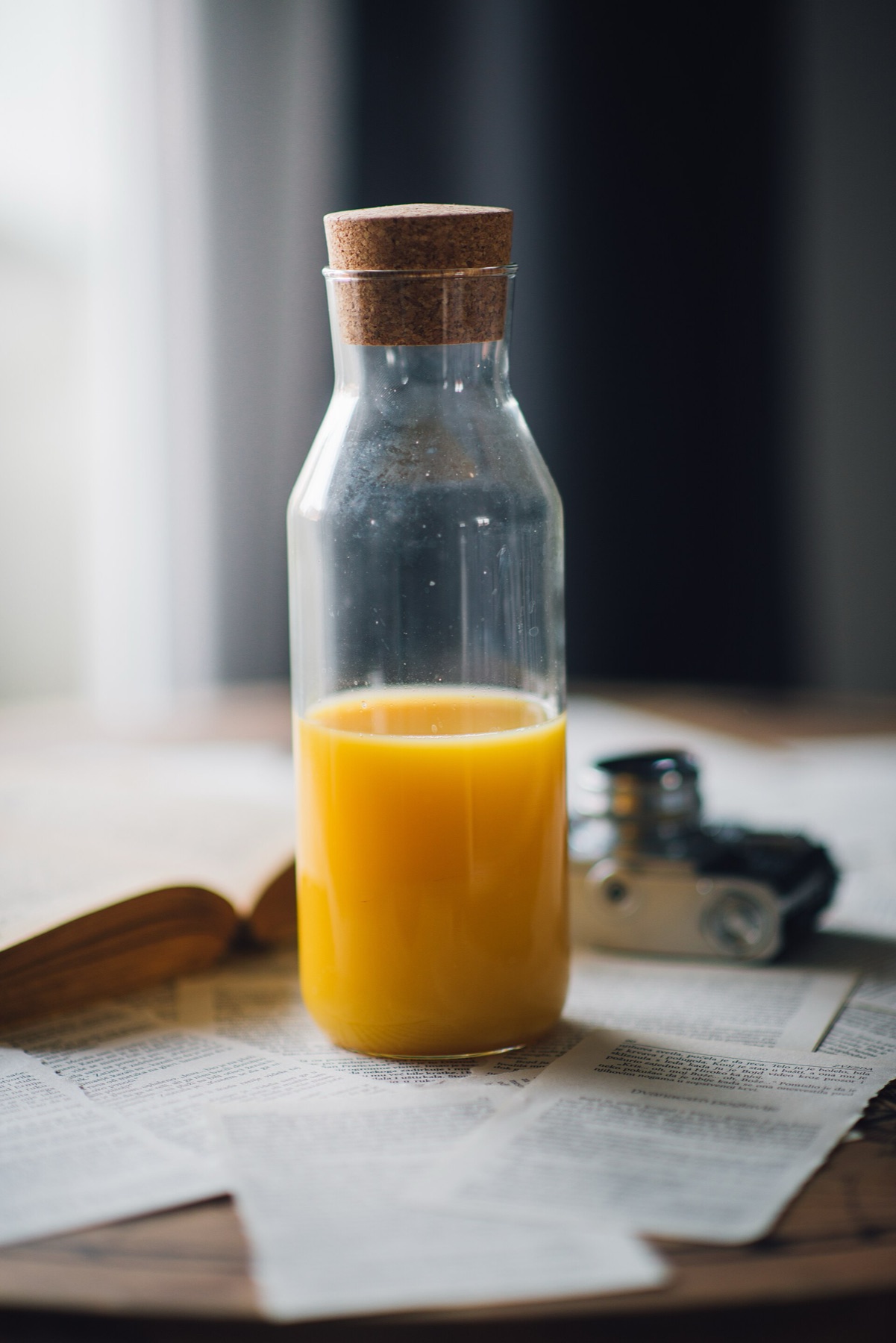
1. Reusable glass bottle sets These are typically clear glass bottles—often around 12-16 oz—with screw-on lids. Many listings emphasize:
- Durable or “thick” glass
- Airtight or leak-proof caps
- Dishwasher-safe construction
Prices vary by brand and pack size, but for a home juicer or a small brand just testing a concept, these sets are usually priced so you can get started without a big investment. User reviews often focus on whether the glass feels heavy enough, whether lids rust, and whether they survive repeated dishwashing.
2. Plastic grab-and-go and tamper-evident bottles You’ll also see packs of plastic juice bottles marketed for filling and selling. Common themes:
- Lightweight and shatter-resistant, good for transport
- Frequently sold in multi-packs (dozens of bottles)
- Some feature tamper-evident caps or are designed to work with separate safety seals
These tend to be cheaper per bottle than glass in small packs and are aimed at sellers who want to bottle juice for events, local delivery, or farmers’ markets without investing in pallets.
3. Mixed-use drinkware marketed for juice Beyond dedicated juice bottles, Amazon carries glass drinkware (like water or smoothie bottles) that buyers repurpose for juice. Independent guides often review these under “best bottles for juicing” and highlight:
- Thickness and durability
- Lid performance (no leaks in bags)
- Ease of cleaning and wide mouths for adding fruit or vegetables
For home use, these multipurpose bottles can be a good compromise: you get quality packaging without committing to a juice-specific design.
Quality and price patterns Pulling these categories together, Amazon tends to offer:
- Better ease and speed: You can mix and match sets, read hundreds of reviews, and get bottles quickly.
- Retail-based pricing: Per-bottle costs are reasonable for tens of units, but less compelling if you’re thinking in hundreds or thousands.
- Transparent feedback: Review sections make it easier to spot recurring issues like leaking caps or glass breaking in transit.
For a home user or a very small brand (say, 20-100 bottles at a time), that mix is usually attractive. Once you scale up, you need to consider whether a retail marketplace should be your packaging backbone.
How Amazon compares to other sourcing channels
If you’re deciding where to source juice bottles long-term, think in terms of channel, not just product. Here’s a compact comparison based on common options for a US buyer:
| Sourcing channel | Typical buyer fit | Price & quantity pattern | Logistics & risk pattern |
|---|---|---|---|
| Amazon retail | Home juicers; micro-brands testing an idea | Good value for 6-24 bottle sets; per-bottle price climbs as you scale | Fast domestic delivery; limited control over long-term spec and ongoing availability |
| US wholesale / packaging suppliers | Small brands ready for repeat runs | Lower per-bottle cost at case or pallet quantities; setup costs (e.g., artwork, minimums) | More predictable spec and long-term supply; you manage freight and storage |
| Cross-border marketplaces (e.g., Alibaba, Cross-border multi-seller) | Brands seeking low per-unit costs or unique packaging from overseas | Often list bulk quantities of plastic and glass containers; per-bottle prices can be very low but require larger orders | Longer shipping, more complex customs; buyers must vet each seller and listing carefully |
Cross-border platforms illustrate the bulk side of the market. For example, one DHgate listing (checked 2026-10-05) offers plastic juice bottles with tamper-proof lids in small multi-packs, and others list glass juice cups and drinkware with price ranges that suggest bundled quantities rather than single pieces.dhgate.com These listings confirm that you can source both glass drinkware and plastic juice containers from overseas sellers, but they don’t automatically mean better outcomes.
If you reach the point where Amazon’s retail packs are clearly too expensive per bottle for your margins, it’s worth comparing wholesale and cross-border options side by side. For cross-border marketplaces in particular, use a more detailed marketplace comparison such as Compare DHgate with AliExpress, Alibaba and Temu to understand how each platform works before you commit.
Practical scenarios: When Amazon makes sense and when to shift
Home juicer stocking the fridge You juice several times a week, want reusable bottles, and don’t want to think about pallets or customs. A set of thick glass bottles with leak-proof lids or sturdy plastic grab-and-go bottles on Amazon is usually the most sensible choice. Focus your decision on glass vs plastic, lid quality in reviews, and whether the size matches your portions.
Side-hustle juice brand at local markets You’re selling a few dozen bottles every weekend. Amazon can still be a viable source, especially for plastic bottles with tamper-evident caps in 24-48 packs. Track your true per-bottle cost over a couple of months. If you see that packaging eats too much margin, start getting quotes from a local packaging wholesaler and exploring cross-border listings for future scale.
Small brand scaling up to regular production You need consistent specs, branding options, and predictable long-term supply. Amazon is useful for testing formats and getting samples, but your main packaging source probably needs to move to a wholesale or cross-border channel. That’s where case-level and pallet-level pricing, custom prints, and negotiated terms show up.
Used this way, Amazon isn’t a yes-or-no choice. It’s often a great first step for juice bottles—especially glass sets—but a temporary one if you grow into a fully-fledged beverage operation.