
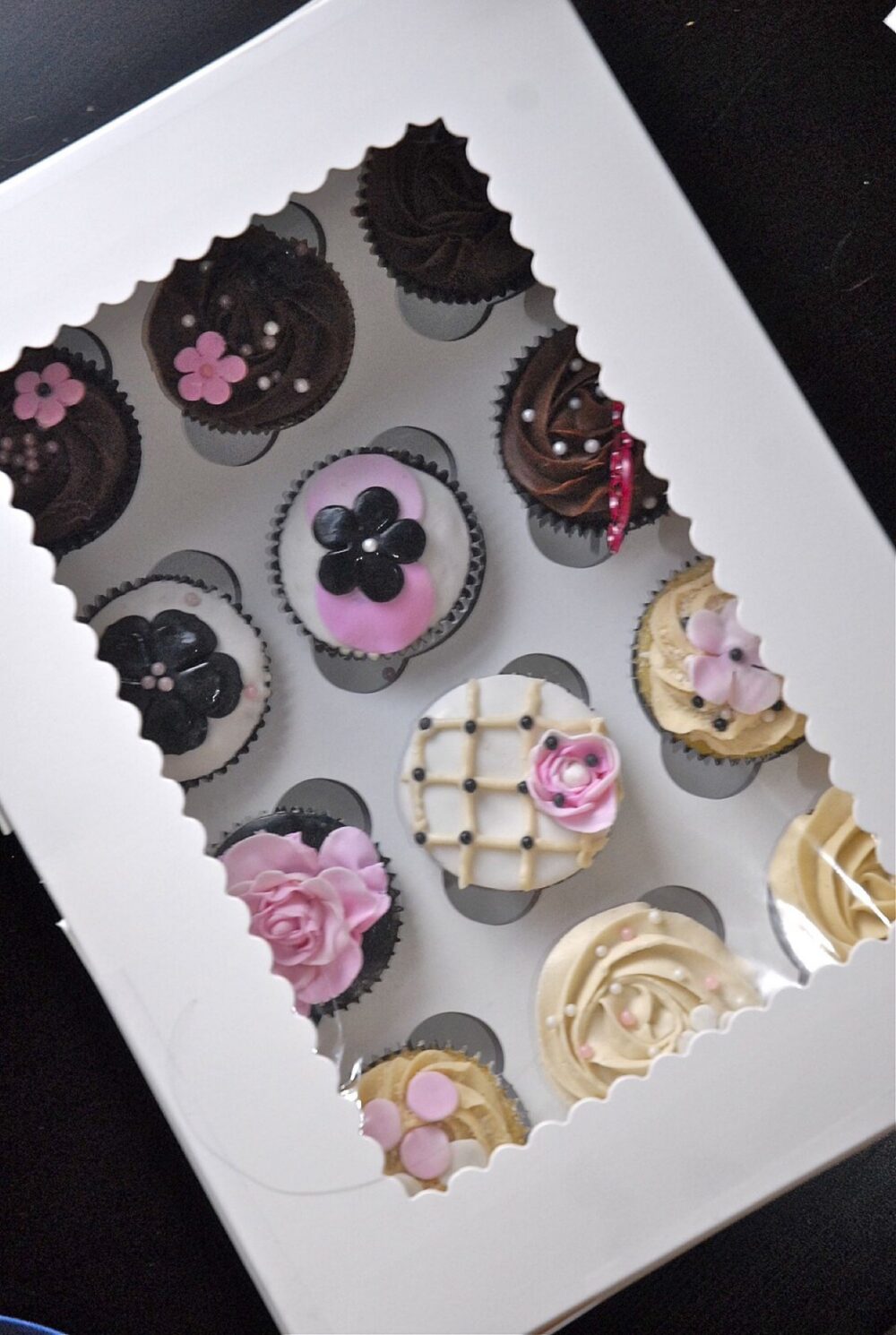
If you’re buying 6‑cupcake boxes in bulk, most of your budget goes into the box itself and the way it’s shipped, not the liners or toppers. For casual bake sales and small events, bulk packs from US craft, party, or restaurant‑supply channels are usually cheapest once you factor in shipping and hassle. Cross‑border marketplaces start to make sense only if you want custom branding, unusual designs, or very large runs where small per‑box savings actually matter.
The trick is to treat cupcake packaging as a cost stack: box + insert + liner + decoration + shipping. Once you know which layers you really need, you can strip out expensive features that don’t add value for your particular use.
What Really Makes Cupcake Packaging Cost What It Does
Cupcake packaging isn’t just “boxes.” If you’re gearing up for a bake sale, cottage bakery, or online shop, your total cost usually includes:
- The box – standard cardboard or kraft, with or without a clear window.
- Inserts or trays – the part that holds 6 cupcakes in place.
- Cupcake liners – paper cups you bake in.
- Decorations – toppers, flags, branded stickers, or ribbons.
- Shipping and any import charges – especially if you’re ordering online or cross‑border.
Online packaging suppliers often bundle the first two pieces. For example, a 50‑pack of 6‑cupcake kraft boxes with windows and inserts is positioned as a bulk solution at craft chains like Michaels. Those packs simplify ordering but lock you into a specific size and style.
Key buying factors that quietly affect what you pay include:
- Size and capacity: 6‑cupcake boxes are a common format. If you jump to 12 or 24 per box, you may save per cupcake but risk damage if customers only need a half‑dozen.
- Design and presentation: clear windows, printed designs, or colored boxes often cost more than plain white or kraft.
- Material durability: heavier cardboard or plastic carriers (like the disposable containers on WebstaurantStore) are typically priced higher but survive transport better.
- Stackability and ease of assembly: boxes designed to stack or fold quickly can save labor costs, which matters for a busy bakery.
- Supplier reputation and reviews: specialty packaging brands such as Amazon, BRP Box Shop, ClearBags, Paper Mart, Nashville Wraps, and Uline, highlighted in DHgate’s blog, often justify slightly higher prices with more consistent quality and range.
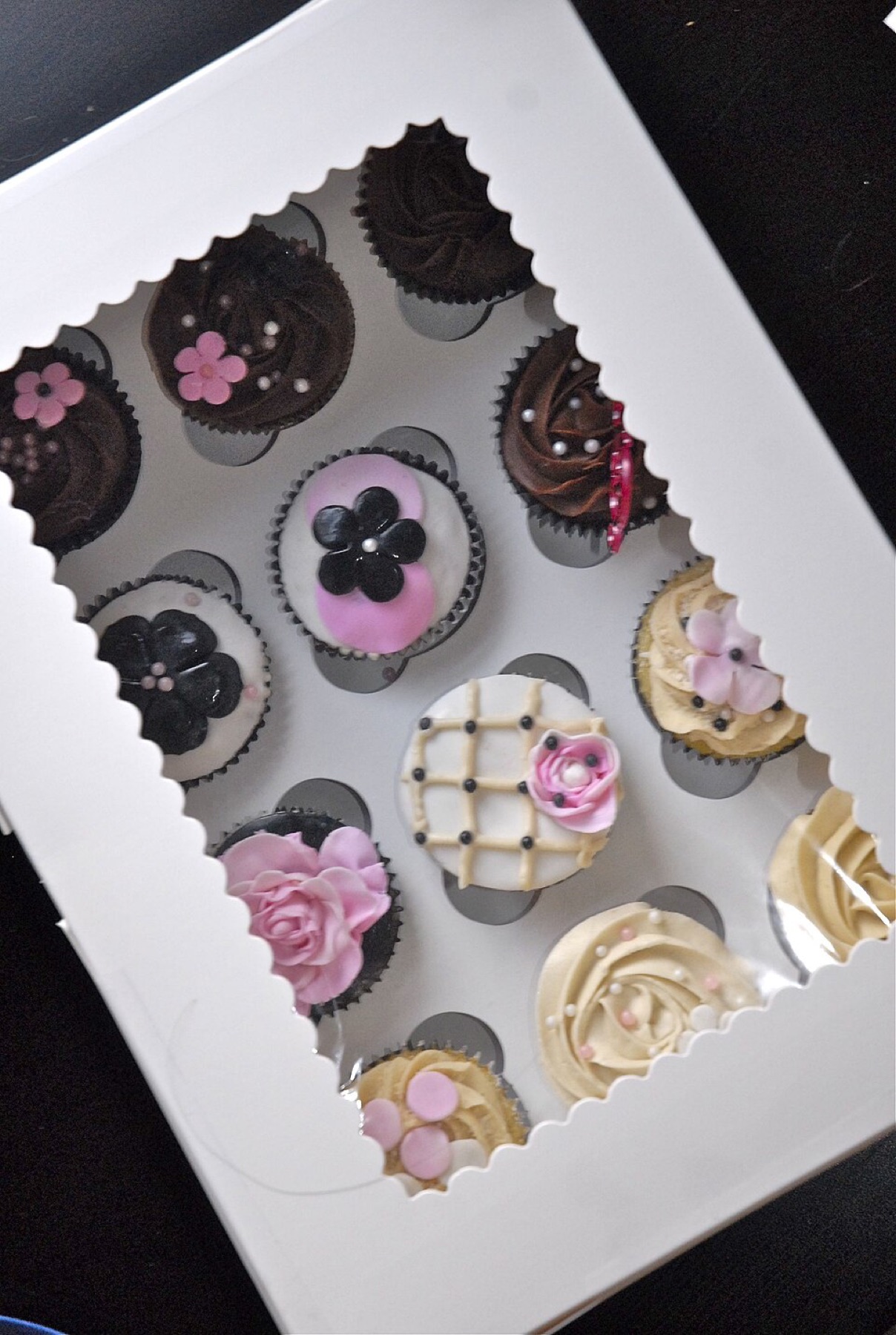
If you’re budgeting for an event, think in total runs rather than single boxes. For a 500‑cupcake school fundraiser, for example, you might need around 80-90 six‑pack boxes, inserts, liners, and a few rolls of stickers or ribbon. For an ongoing bakery, your cost structure matters more month‑to‑month: packaging becomes a recurring line item that can eat into margins if you over‑spec on features.
How Quantity, Features, and Timing Change Your Price Per Cupcake
You’ll see the biggest swings in price per cupcake around three things: how many boxes you buy, which features you add, and when you buy them.
Bulk quantity and MOQs
Most suppliers offer discounts when you buy larger quantities. Instead of picking up a few 6‑cupcake boxes at a craft store, ordering a case from a packaging supplier or restaurant‑supply site can drop your per‑box cost. DHgate’s blog on cake boxes points out that buying in bulk is often more cost‑effective than ordering piecemeal, especially if you want to avoid last‑minute runs to the store.
For a home baker doing one event a year, over‑ordering may just mean storage headaches. For a small e‑commerce bakery shipping dozens of orders a week, committing to a case or two of standard 6‑pack boxes usually pays off in lower unit cost and predictable supplies.
Features and upgrades
Higher‑priced cupcake boxes often include:
- Sturdier materials that resist bending.
- Locking tabs or handles for safer transport.
- Grease‑resistant coatings so buttercream stains don’t show.
- Printed branding or custom colors.
As DHgate’s cake box pricing guide notes, these upgrades are not necessary for every use. If you’re dropping off cupcakes at a casual potluck, a basic cardboard box with a window may be enough. If you’re charging premium prices and relying on presentation, the visual upgrade from better boxes can justify the extra cost.
Eco‑friendly materials and their price impact
Sustainable packaging is often a bit more expensive upfront. Eco‑focused cupcake boxes can use:
- Recycled paper or cardboard.
- Biodegradable plastics derived from plant‑based materials.
- Bamboo, sugarcane, or mushroom‑based materials that can be molded into custom shapes.
Those materials typically carry a price premium but appeal strongly to sustainability‑minded customers. If your bakery brand leans heavily on “eco” messaging, paying more for recycled‑paper boxes or biodegradable plastic cupcake carriers can function as both packaging and marketing spend.
Seasonality and timing
Demand spikes around holidays and wedding season can tighten availability at local stores and raise prices on popular styles. For budget‑sensitive buyers, it’s safer to lock in bulk orders a few weeks before major holidays and avoid relying on last‑minute retail runs where you’re stuck paying whatever is on the shelf.
Choosing the Cheapest Channel: Local Stores, US Wholesalers, or Cross‑Border Marketplaces
Once you know what type of 6‑cupcake box you need, the next question is where to buy. Each channel has its own cost profile.
Quick comparison: where 6‑cupcake boxes usually sit
| Buying channel | Typical use case | Selection & features | Cost profile (editorial judgment) |
|---|---|---|---|
| Craft/party stores (e.g., Michaels) | Small events, last‑minute needs | Limited bulk sizes, some windowed 6‑packs | Higher per box, low shipping (you pick up) |
| Restaurant/packaging suppliers | Bakeries, foodservice | Strong on bulk cases and functional containers | Competitive per box for larger quantities |
| Online packaging/baking suppliers | Small businesses, Etsy shops | Wide range of sizes, styles, eco options | Often cheaper than local stores |
| Cross‑border marketplaces | Large/custom runs, niche designs | Custom printing, unique materials, mixed MOQs | Lower unit price possible; more shipping and import friction |
Brick‑and‑mortar craft and party stores like Michaels or Party City often carry 6‑cupcake boxes in their baking aisles. DHgate’s blog notes that these physical stores tend to have a smaller selection and often higher unit prices than online bulk sources, though exact pricing depends on location and promotions.
US restaurant‑supply sites such as WebstaurantStore specialise in disposable cupcake and muffin containers and wholesale boxes, with shipping geared toward foodservice buyers. If you’re buying for a bakery, ordering a case of functional plastic carriers or cardboard boxes from this type of site often beats piecemeal retail purchases.
Specialty packaging suppliers mentioned in DHgate’s cupcake box guide—Amazon, BRP Box Shop, ClearBags, Paper Mart, Nashville Wraps, Uline—operate mainly online and offer varied sizes, styles, and quantities. For a US‑based small business looking for 6‑cupcake boxes with windows, these are usually straightforward budget options.
Where DHgate and other cross‑border marketplaces may fit
On 2026-10-04, for example, a DHgate listing titled “Cupcake Boxes with Inserts Cake Boxes with Clear Window Cake Holder Cupcake Carrier 2/4/6 Holes Muffin Boxes for Holidays” was available in the Gift Wrap category with a price range of USD 25.87-26.54 for the pack (listing snapshot). Prices and availability can change, but this kind of product shows what’s possible: multi‑capacity boxes with inserts and windows in a single bundle, often from factories that also offer customization.
If you go this route, keep your cost focus on:
- Whether the supplier offers the exact capacity you need (2/4/6 holes) so you aren’t stuck with mismatched sizes.
- Clear descriptions around materials and any stated food‑grade properties, since you can’t assume compliance.
For many US buyers, cross‑border sourcing is overkill for a single bake sale but worth exploring once you’re ordering hundreds or thousands of boxes at a time or need branded packaging that local suppliers don’t offer at your price point.
If you’re comparing DHgate to other sourcing marketplaces, internal resources like DHgateWiki’s overview of marketplace tradeoffs and its explanation of customs, tariffs, and import fees can help you factor platform choice and cross‑border charges into your total cost.
Simple Ways to Keep Cupcake Packaging Costs in Check
You don’t need an elaborate spreadsheet to avoid over‑spending; a short checklist before you place any bulk order can make a big difference.
1. Standardize your box size
Pick one or two core formats (often a 6‑cupcake box plus an occasional single or dozen) and buy those in bulk. Switching sizes frequently forces you to carry more inventory and kills your volume discounts.
2. Bundle supplies where it actually helps
Combo packs that include boxes and inserts simplify ordering and are often priced attractively. Inserts and liners, however, can be sourced separately from baking suppliers like Country Kitchen SweetArt if you want more flexibility.
3. Match box quality to your real use case
For a first 500‑cupcake event, basic 6‑pack cardboard boxes with windows are usually fine and cheaper. For ongoing bakery use where presentation drives repeat orders, step up to sturdier materials or printed branding—but only for the products that truly need it.
4. Decide upfront if “eco” is a core brand pillar or a nice‑to‑have
If sustainability is central to your story, build the higher cost of recycled paper or biodegradable materials into your pricing. If not, consider offering eco boxes as an optional upgrade rather than standard for every order.
For budget‑focused US buyers, the sweet spot for 6‑cupcake boxes and basic supplies is usually domestically sourced bulk packaging with only the features your customers will actually notice. Cross‑border sourcing becomes worthwhile only when volume, customization, or brand positioning demand it—and when you’ve done the math on every cost between the factory and your bakery shelf.