
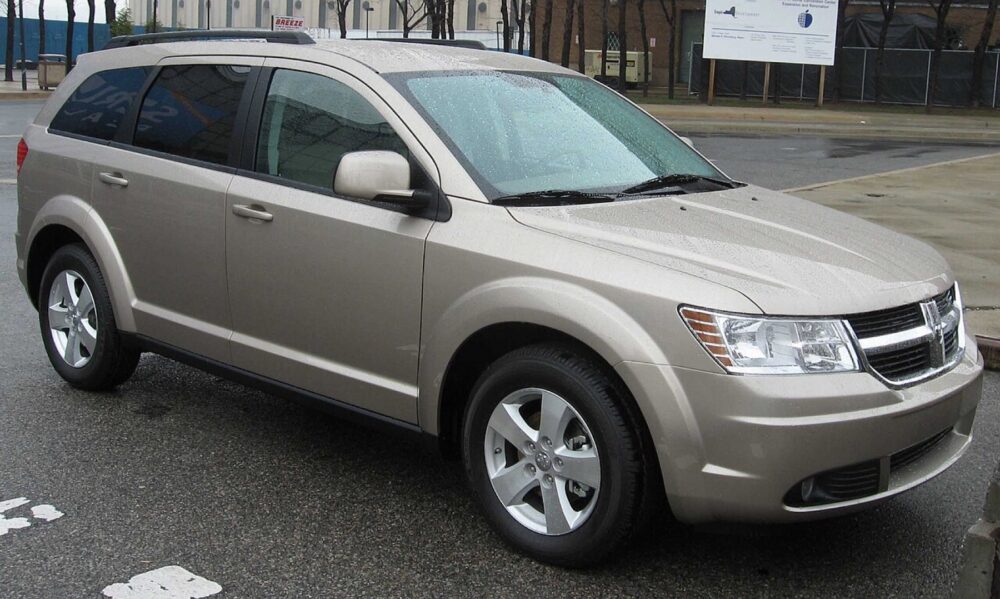
If you need Dodge Journey wheels or wheel studs that match factory specs, your most reliable options are OEM-focused parts sites, reputable aftermarket wheel retailers, and well-organized salvage networks. Each can supply wheels built to the correct bolt pattern and hub system; your job is verifying fitment details and judging whether the landed cost into Canada makes sense for a single replacement or a small resale batch.
For a Journey, the key compatibility points are wheel diameter and width, bolt pattern, hub bore, offset, and whether the wheel physically clears the brake and suspension hardware. Editorial fitment guidance on wheels stresses measuring wheel size and bolt pattern first, then confirming brake and suspension clearance and matching offset so handling and tire wear stay predictable. That same logic applies here: if your replacement wheel or stud deviates on these dimensions, it might bolt on but still cause rubbing, poor handling, or premature wear.
How Dodge Journey Wheel and Bolt Pattern Fitment Works
You don’t need to be a technician, but you do need to know which numbers matter before you click “buy.”
For any Journey wheel:
- Bolt pattern: This is the number of lug positions and the circle diameter they form. If the pattern doesn’t match your Journey’s hub, the wheel simply won’t mount. Fitment guidance highlights bolt pattern as one of the two most critical factors in wheel sizing.
- Wheel size (diameter and width): Too large or too small can interfere with the suspension and alter ride quality. Generic wheel-fit advice notes that an incorrect diameter can cause suspension issues and a bumpy ride.
- Offset: This is how far the wheel mounting surface sits from the wheel centerline. Mis-matched offset can change steering feel and cause the tire to rub the fender or suspension.
- Brake and suspension clearance: Even if the bolt pattern matches, larger-diameter or different-spoke wheels must clear the brake calipers and struts. Fitment guides specifically warn that lack of clearance can rub and damage brake components.
On hardware, your Journey’s wheel studs and hubs also have to match:
- Wheel studs: Genuine OEM studs are designed for the Journey’s hub and lug-nut style. Mopar-focused sites such as MoparPartsGiant list specific wheel stud part numbers for the 2020 Journey and note that these are backed by Mopar’s factory warranty.
- Wheel hubs: The hub sets the center bore size and bolt pattern. Parts-focused marketplaces like PartsGeek stock Journey wheel hubs, with indicative U.S. pricing described as often between about US$70 and US$100 per hub, with some higher-end units roughly US$140–$170. Those numbers can shift, but they give you a sense of the part’s value and why matching hubs, wheels, and studs matters.
For Canadian buyers, treat these specs as non-negotiable. A cosmetic change in wheel style or finish is fine, but bolt pattern, hub bore, and stud design need to stay Journey-compatible if you want to avoid returns and safety headaches.
Choosing Reliable Dodge Journey Wheel and Stud Suppliers Online
The best source depends on whether you’re replacing a single damaged wheel, outfitting a small fleet, or stocking inventory for an ecommerce store.
1. OEM-oriented parts sites (studs, hubs, some wheels)
For wheel studs and hubs that must match factory spec, OEM-oriented sites are the most straightforward path.
- Wheel studs: On MoparPartsGiant’s 2020 Dodge Journey wheel stud page, you’ll see specific Mopar part numbers labeled as genuine wheel studs. Because they’re described as OEM and covered by a factory warranty, they’re a natural fit for safety-critical replacements or resale where warranty language matters.
- Hubs and related hardware: Parts-oriented retailers like PartsGeek’s Dodge Journey wheel hub section organize hubs by year and trim, and show multiple brands (Detroit Axle, Moog, TRQ, etc.). The indicative price range (roughly US$70–$170 per hub, depending on brand and spec) helps you compare whether going OEM or high-end aftermarket leaves enough margin once you factor in shipping and import costs into Canada.
As a buyer or small reseller, your key actions here are checking the listed Journey year, trim, and drivetrain against your VIN, and confirming that studs, hubs, and wheels you pair together share the same bolt pattern and hub bore.
2. Specialist wheel retailers for OEM-style Journey rims
If you’re replacing a bent alloy or want to stock factory-style wheels, specialist wheel retailers are useful.
Retailers like CARiD carry OEM-style alloy wheels. For example, a Replace-branded gloss black 19×7 wheel is explicitly listed for 2011-2017 Dodge Journeys, with a spec table stating 19″ x 7″ size and a 5 x 127 bolt pattern. That level of detail is exactly what you want: it confirms the wheel is dimensioned to match the Journey’s hub and bolt circle.
Similarly, companies like Road Ready Wheels list OEM replacement Journey rims—such as their 17×6.5 alloy described as a new OEM replacement for 2018-2020 Journeys—emphasizing that it matches factory rims. Looking up wheels in this category gives you a clear spec sheet to compare against your customers’ vehicles.
When evaluating these retailers for Canadian sourcing:
- Use their fitment tools (year/make/model selectors) and then cross-check the bolt pattern and size in the specs.
- Focus on OEM-style listings if you want straightforward resales without custom offsets or extra suspension checks.
3. Salvage networks and used-wheel marketplaces
For low-cost sourcing or hard-to-find OE designs, salvage networks offer real value.
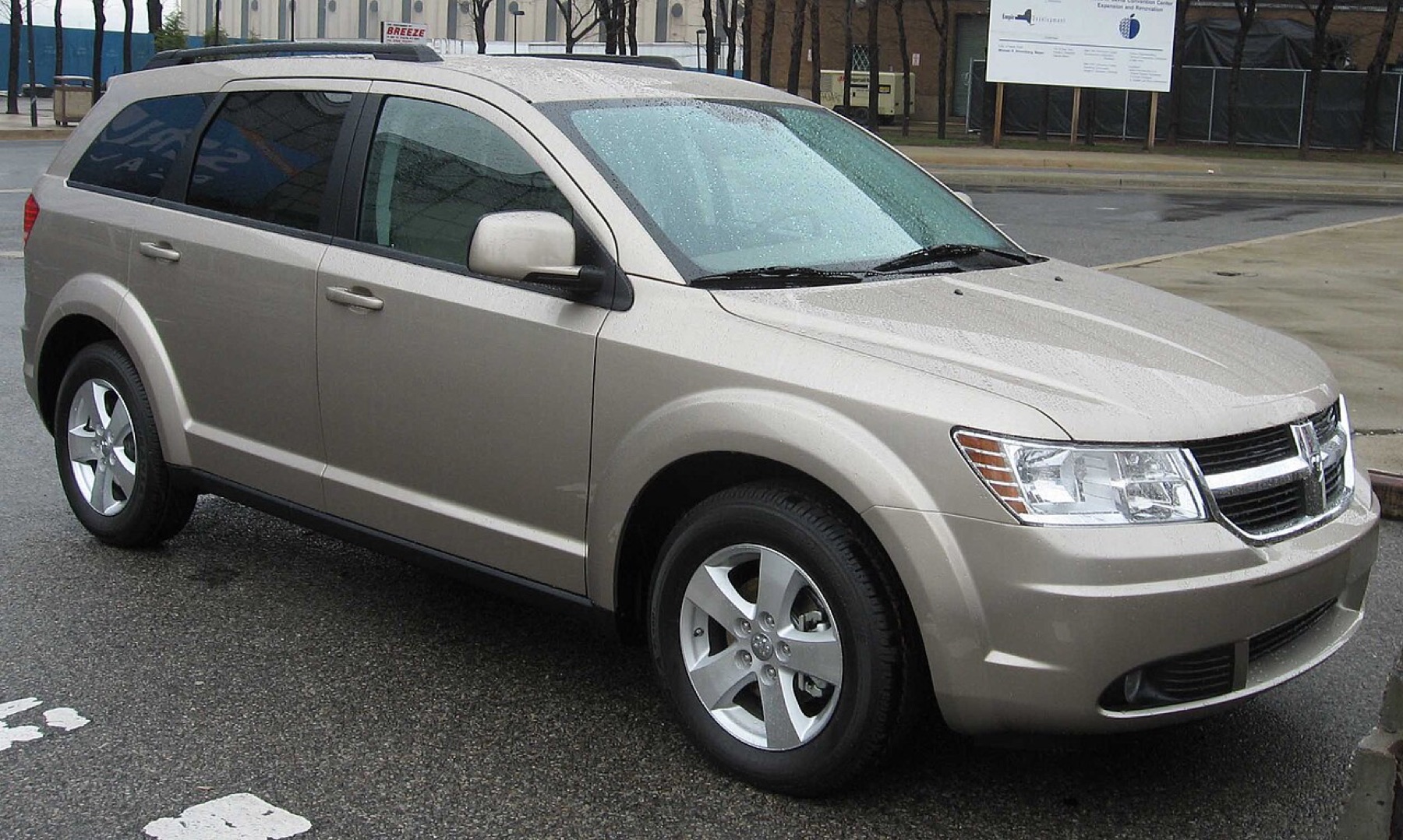
Sites like PartsHotlines’ Dodge Journey wheel search aggregate inventory from multiple auto salvage yards and present used Journey wheels by yard and condition. This route can work well if you’re:
- Replacing one damaged wheel to match an older OEM set.
- Buying small batches of factory wheels for a budget-conscious customer base.
Your work here is confirming the original wheel size and bolt pattern (typically via the yard listing plus your own fitment data), then judging condition vs. price and shipping. Salvage wheels can carry more cosmetic wear, so factor that into your resale positioning.
Balancing Price, MOQ, and Channels for Cross-Border Dodge Journey Wheel Sourcing
Once you understand fitment and supplier types, the next decision is channel choice—especially if you’re buying from Canada and paying cross-border costs.
Here’s a high-level comparison for typical Journey wheel and stud sourcing scenarios:
| Channel type | Best for | Price feel (editorial) | Fitment clarity |
|---|---|---|---|
| OEM parts sites (Mopar) | Safety-critical studs, hubs, occasional OE wheels | Higher upfront, stronger perceived quality | High: VIN-based lookups and OEM part numbers |
| Specialist wheel retailers | Factory-style alloys, cosmetic upgrades | Mid-to-high depending on size/finish | High: detailed size, bolt pattern, Journey listing |
| Salvage networks | Single replacement, old OEM designs | Lower part price, variable freight | Medium: relies on yard data and your checks |
| General marketplaces | Misc. auto parts, budget experiments | Often lower, but varies by seller | Low–medium: depends on individual listing detail |
For Canadian buyers, compare landed cost for each channel: part price + shipping + currency conversion + import taxes or brokerage. Parts whose indicative U.S. price is around US$70–$170 (like typical hubs on PartsGeek) can end up significantly higher after cross-border fees, so ordering multiple units per shipment or consolidating orders can help.
General marketplaces, including platforms such as DHgate, sit in the “budget experiment” bucket. DHgate is described in editorial guidance as a Chinese e-commerce platform connecting global buyers with sellers, including auto-parts suppliers, often at competitive prices. That same guidance recommends opting for OEM parts when possible and, regardless of site, carefully reviewing product compatibility details, seller ratings, and any warranty information before purchasing.
If you explore marketplace channels for Dodge Journey hardware:
- Treat them as options for non-critical accessories or for test buys, not the default for safety-critical studs and hubs.
- Scrutinize listings for explicit Journey compatibility, bolt pattern, and wheel size; skip anything vague.
- Evaluate sellers using external reviews where possible, and consider small trial orders before committing to inventory.
If your goal is stocking Dodge Journey wheels and studs that reliably match factory specs for Canadian buyers, a practical routing is:
- Use OEM parts sites for studs and hubs.
- Use specialist wheel retailers and, selectively, salvage networks for wheels with clearly labeled Journey fitment.
- Keep marketplace experiments limited and well-verified, focusing on lower-risk accessory categories until you’re confident in a particular supplier.