
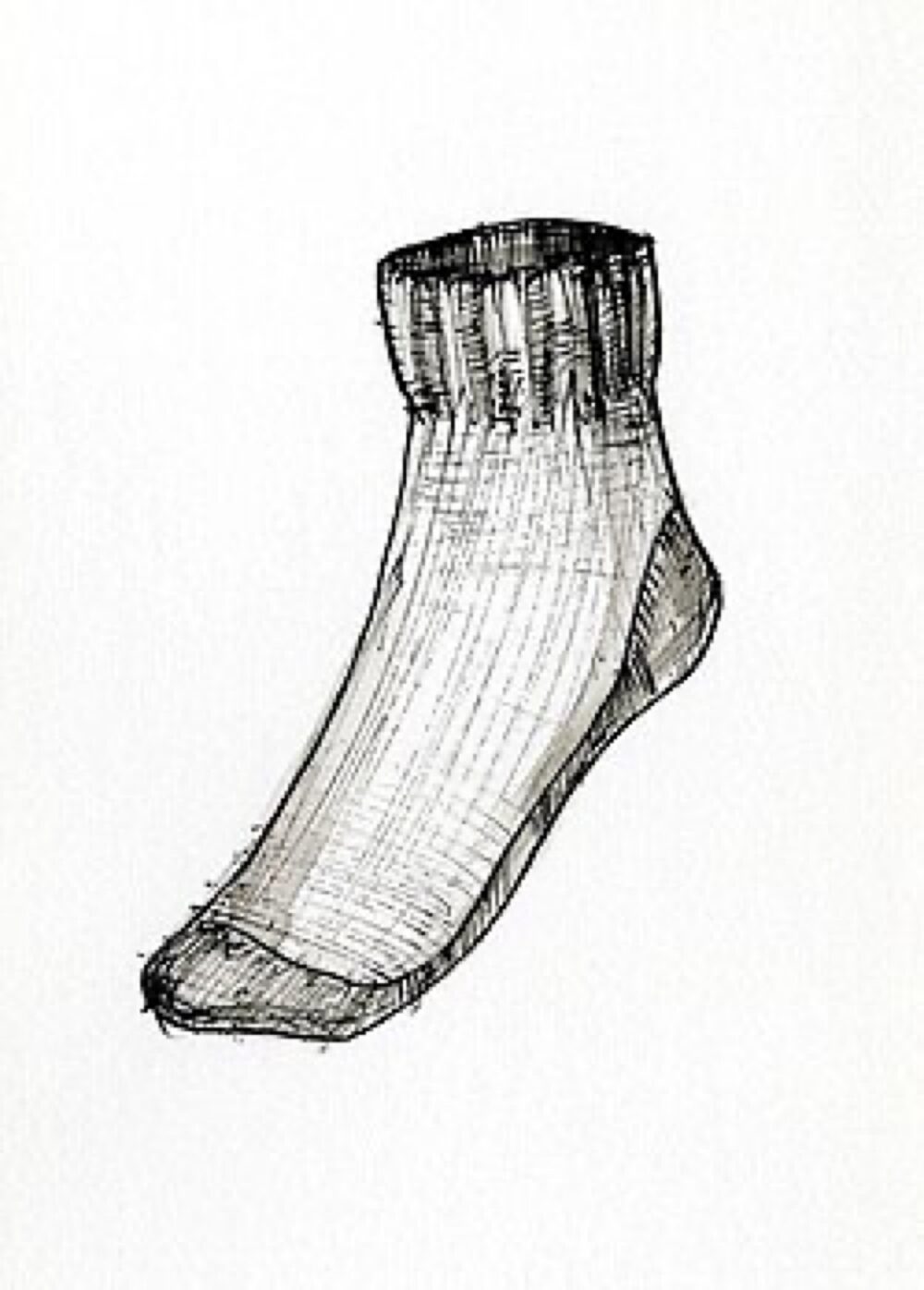
Wholesale socks and stockings means buying packs or cases directly from manufacturers, distributors, or marketplace sellers, then reselling them at a retail margin. To make that profitable, you need three things in place: a focused assortment (e.g., everyday crews vs niche sports socks), suppliers who match your size and quality expectations, and a sourcing channel that fits your current business stage and risk tolerance. For a US small retailer, low minimum order quantities (MOQs) and simple, testable packs—like 10-pair sets—are often what separate a healthy experiment from being stuck with unsellable inventory.
This guide walks through how the hosiery supply chain actually works, how to vet suppliers, and how to structure your first wholesale orders—including a quick look at China-based marketplaces such as DHgate as one option among many.
How the Socks and Stockings Wholesale Market Works
The sock and hosiery market is crowded and price-sensitive, which means your sourcing choices matter. Competition is aggressive, so planning your distribution channels and supply strategy up front is smarter than chasing whatever looks cheapest. Insights from industry editorials, such as this overview of sock business planning, underline how much strategy and research influence long‑term success.
A useful way to think about your sourcing is in three business stages:
- Startup stage: You’re testing demand and figuring out your core customer. Here, low-cost, low-MOQ wholesale—multipacks of basic crews, ankle socks, or sheer tights—is ideal because you can try more styles without betting the farm on any one SKU.
- Steady stage: You’ve proven there’s demand and have repeat buyers. You can mix those basic wholesale packs with some higher-margin fashion or niche styles from more specialized suppliers.
- Long-term stage: You’re focused on increasing profit while keeping unit costs low. Many businesses at this point look directly at factories, especially in major production hubs.
Globally, a significant share of everyday socks is produced in China and other Asian manufacturing regions. Many of those factories don’t run their own branded web stores; instead, they sell via China-based marketplaces and B2B platforms or through intermediaries in local US wholesale markets. For a US retailer, that means you can reach industrial-scale suppliers without traveling, but you have to do the homework on each seller.
On the ground, wholesale socks and stockings typically flow in bundled form:
- Inner packs of 3, 5, or 10 pairs, often polybagged or banded.
- Case packs that combine many inner packs—easier for warehouse handling.
- Simple size and color runs (e.g., 10 pairs black men’s crew, 10 pairs mixed color women’s ankle socks) so picking and shipping stay efficient.
These bundles are what you’ll be offered whether you buy domestically or cross-border. Your job is to pick which bundle structures match your retail strategy.
Choosing and Vetting Socks & Hosiery Suppliers
You can buy wholesale socks and stockings from several supplier types: local cash-and-carry wholesalers, domestic distributors, overseas factories, or marketplace sellers. The right fit depends largely on your budget and how much risk you’re willing to take.
For any supplier, focus on three practical questions.
1. Do they understand your size and niche?
Startup shops need small MOQs and assortment flexibility. If a supplier only sells full pallets or mixed cases with no control over sizes/colors, they may be better suited to big-box buyers.
If you specialize—say, plus-size stockings, dance tights for children, or soccer socks—you’ll want a supplier whose catalog clearly leans into those categories rather than treating them as an afterthought.
2. Can you verify what they actually sell?
- Ask for a clear product list with composition (cotton/poly/nylon), size ranges, and packaging details.
- Request physical or photo samples of key styles before committing to a larger buy. For stockings, pay attention to denier and opacity; for sport socks, look closely at cushioning and construction without making assumptions about performance claims.
- For online suppliers, review multiple listings, looking for consistent photography and descriptions. One listing of “10 pairs solid short socks” next to a chaotic mix of unrelated items can signal a reseller with inconsistent sourcing.
3. How do they handle small test orders?
Low MOQs are especially useful for small businesses because they let you test multiple styles—basic crews, fashion over-knee stockings, winter wool socks—without locking up cash in one design. Supplier guidance from industry blogs emphasizes that small minimums give new retailers more room to explore different socks styles before scaling orders.
A supplier who offers mixed-carton ordering (e.g., several 10-pair packs across styles) or clearly labeled “wholesale price” multipacks is better for assortment testing than a supplier who insists on very large, single-style orders.
Practical red flags
In socks and stockings specifically, watch for:
- No consistency across product photos or packaging. If a catalog jumps between obviously different brands and packaging styles under one label, you may be dealing with opportunistic stock, not a stable source.
- Vague fiber content. Listings that simply say “high quality material” without specifying cotton, wool, nylon, or blends make it hard to predict how customers will react after washing and wear.
- No track record in hosiery. A general apparel dealer can be fine, but if hosiery is just one or two listings among hundreds of unrelated items, you might not get the sizing and fit reliability you need.
Order Size, Pricing, and Sourcing Channels for Your First Wholesale Buy
Your first wholesale order should be large enough to test a clear range of products, but small enough that you can afford to get some bets wrong. Think in packs and landed cost, not individual pairs.
Pack structures and simple landed cost
Wholesale socks and stockings are usually sold in bundle form. A common example on China-based marketplaces is a 10-pair multipack of short socks for women. On 2026-10-04, one DHgate listing titled “10 Pairs Solid Short Socks, Casual Comfy All-match Low Cut Crew Socks, Women’s Stockings & Hosiery” showed a price range of roughly $20.56–$21.53 per 10-pair pack. Prices and availability can change at any time, but that kind of listing gives you a reference for how wholesale-style packs are structured.
To decide if a pack works for your business, use a quick landed cost view:
- Start with the pack price (e.g., $21 for 10 pairs).
- Add estimated shipping per pack and any import-related costs you expect (if cross-border).
- Divide by number of pairs to get your rough cost per pair.
- Compare that to your planned retail price and margin target.
If your cost per pair ends up close to your planned retail price, that pack isn’t workable for your model.
Channels and business stages
Here’s a compact way to think about sourcing channels across the startup/steady/long‑term framework discussed in sock business editorials:
| Business stage | Typical order volume (pairs) | Pack focus | Primary sourcing channels |
|---|---|---|---|
| Startup | ~50-200 total | Small multipacks, basic styles | Local wholesalers, online marketplaces with low MOQs |
| Steady | ~200-1,000 | Repeat basics plus a few fashion/niche tests | Mix of domestic distributors, selected marketplaces, and some factory contacts |
| Long-term | 1,000+ per style | Larger case packs, stable core assortment | Direct factories, major B2B platforms, occasional marketplace fills for gaps |
The exact numbers are flexible; what matters is matching your risk tolerance and cash flow to how much variety and volume you commit to.
Where marketplaces, including DHgate, can fit
Online marketplaces are one route to reach overseas suppliers without building direct factory relationships. DHgate is one example of a China-based marketplace where many socks and stockings sellers list in bulk packs.
On 2026-10-04, several DHgate products illustrated how assortments and niche categories show up in wholesale-style packs:
| Example listing (DHgate) | Category | Pack structure & price range* |
|---|---|---|
| 10 Pairs Solid Short Socks, Casual Comfy All-match Low Cut Crew Socks, Women’s Stockings & Hosiery | Socks & Hosiery | 10-pair pack, about $20.56–$21.53 |
| Women Socks 1/5pairs Women’s Stockings Knee High Fashion Casual Solid Color Warm Spring Autumn Long | Socks & Hosiery | 1-5-pair bundles, about $9.78–$16.79 |
| Football Soccer Socks Breathable Outdoor Sports Rugby Stockings Over Knee High Volleyball Baseball Hockey Kids Adults Long Socks | Sports Socks | Multi-pair sports socks, about $15.83–$17.62 |
| 100% Wool Socks For Women 2022 Autumn Winter Solid Color Warm Breathable Women’s Socks Long Casual stockings women 5 pairs | Socks & Hosiery | 5-pair wool socks pack, about $21.65–$22.68 |
\*All price ranges are observations from 2026-10-04 and may change.
These listings show how niche categories—sports socks, wool winter socks, knee-high stockings—are sold in multi-pair bundles suitable for wholesale-style buying.
If you explore DHgate or similar marketplaces, treat each seller as its own business. Compare multiple listings from the same supplier, check how clearly they describe fiber content and sizing, and start with smaller test orders before scaling. When you’re ready to go deeper into that specific channel choice, you can use internal resources such as guides on finding wholesale suppliers on DHgate to structure your evaluation.
For many US retailers, a blended strategy ends up working best: local wholesalers for fast-moving basics, domestic distributors for branded hosiery, and carefully chosen marketplace or factory suppliers for niche categories where the local market is thin. The real edge isn’t in finding a single “perfect” supplier—it’s in structuring your wholesale socks and stockings buys so you can test, learn, and scale without overcommitting.